What Is a Content Brief and Why Does It Matter?
Posted by
 Stefan Winter
How to Create a Content Brief That Drives Results in 2026

Creating content without a clear roadmap is like building a house without blueprints. You might end up with something, but it probably won't be what you envisioned. A well-crafted content brief serves as your strategic foundation, ensuring every piece of content you produce aligns with your goals, resonates with your audience, and delivers measurable results. In this comprehensive guide, you'll discover how to create content briefs that transform your content marketing from guesswork into a systematic, results-driven process.
What Is a Content Brief and Why Does It Matter?
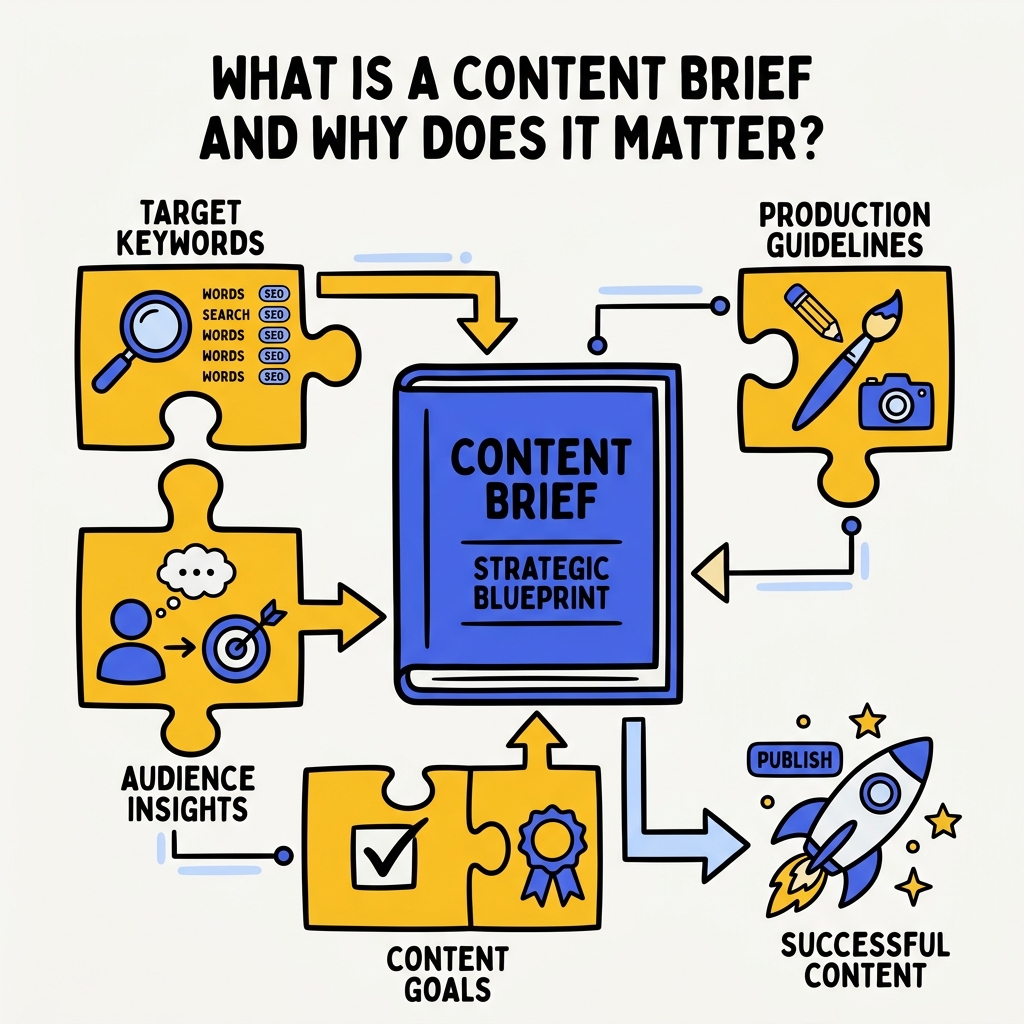
A content brief is a strategic document that outlines the essential elements needed to create successful content. Think of it as a detailed instruction manual that guides writers, designers, and content creators through the entire production process. This document typically includes target keywords, audience insights, content objectives, tone guidelines, and specific requirements that ensure the final piece meets your marketing goals.
The importance of content briefs has grown exponentially as businesses recognize that random content creation wastes resources and fails to drive meaningful engagement. According to the Content Marketing Institute's latest research, organizations using structured content planning processes see 67% higher conversion rates compared to those creating content without strategic direction.
Modern content briefs go beyond basic keyword lists. They incorporate user intent analysis, competitive insights, and detailed specifications that help content creators understand not just what to write, but how to write it for maximum impact. This systematic approach becomes even more critical as search engines continue prioritizing content quality and user experience over keyword density.
How Do You Structure an Effective Content Brief?
The foundation of any successful content brief lies in its structure. A comprehensive brief should contain eight essential components that work together to guide the content creation process from start to finish.
Start with a clear content objective that defines what you want to achieve. Are you trying to generate leads, educate your audience, or establish thought leadership? This objective becomes the north star that influences every other decision in your brief. Follow this with detailed audience personas that go beyond basic demographics to include pain points, preferences, and content consumption habits.
Your keyword strategy section should include primary and secondary keywords, but more importantly, it should explain the search intent behind these terms. Understanding whether users are looking for information, trying to make a purchase, or comparing solutions helps content creators craft more relevant and valuable pieces.
Essential Components Checklist
Here's a breakdown of the core elements every content brief should include:
| Component | Purpose | Key Details |
|---|---|---|
| Content Objective | Define success metrics | Lead generation, brand awareness, education |
| Target Audience | Guide tone and approach | Demographics, pain points, preferences |
| Keyword Strategy | Optimize for search | Primary/secondary keywords, search intent |
| Content Format | Set structural expectations | Blog post, guide, video script, infographic |
| Tone and Voice | Ensure brand consistency | Professional, casual, technical, conversational |
| Key Messages | Focus core content | 3-5 main points to communicate |
| Success Metrics | Measure performance | Traffic, engagement, conversions, shares |
| Technical Requirements | Meet platform needs | Word count, image specs, formatting rules |
What Research Should You Include in Your Content Brief?
Effective content briefs are built on solid research foundations that inform every creative decision. Your research phase should encompass competitive analysis, audience insights, and trend identification that positions your content for success in an increasingly crowded digital landscape.
Begin with competitor content analysis to understand what's already performing well in your space. Tools like SEMrush or Ahrefs can reveal which topics drive the most engagement for your competitors, but don't stop at surface-level metrics. Analyze the content structure, depth, and unique angles that make certain pieces successful. This research helps you identify content gaps and opportunities for differentiation.
Audience research goes beyond basic demographics to uncover the specific questions, challenges, and interests that drive your target market. Social media listening, customer support ticket analysis, and direct surveys provide invaluable insights into the language your audience uses and the problems they're actively trying to solve. This information directly influences your content angle and messaging strategy.
Understanding how your content brief fits into your broader SEO workflow and content optimization strategy ensures alignment with your overall marketing objectives and maximizes the impact of each piece you create.
How Do You Define Target Keywords and Search Intent?
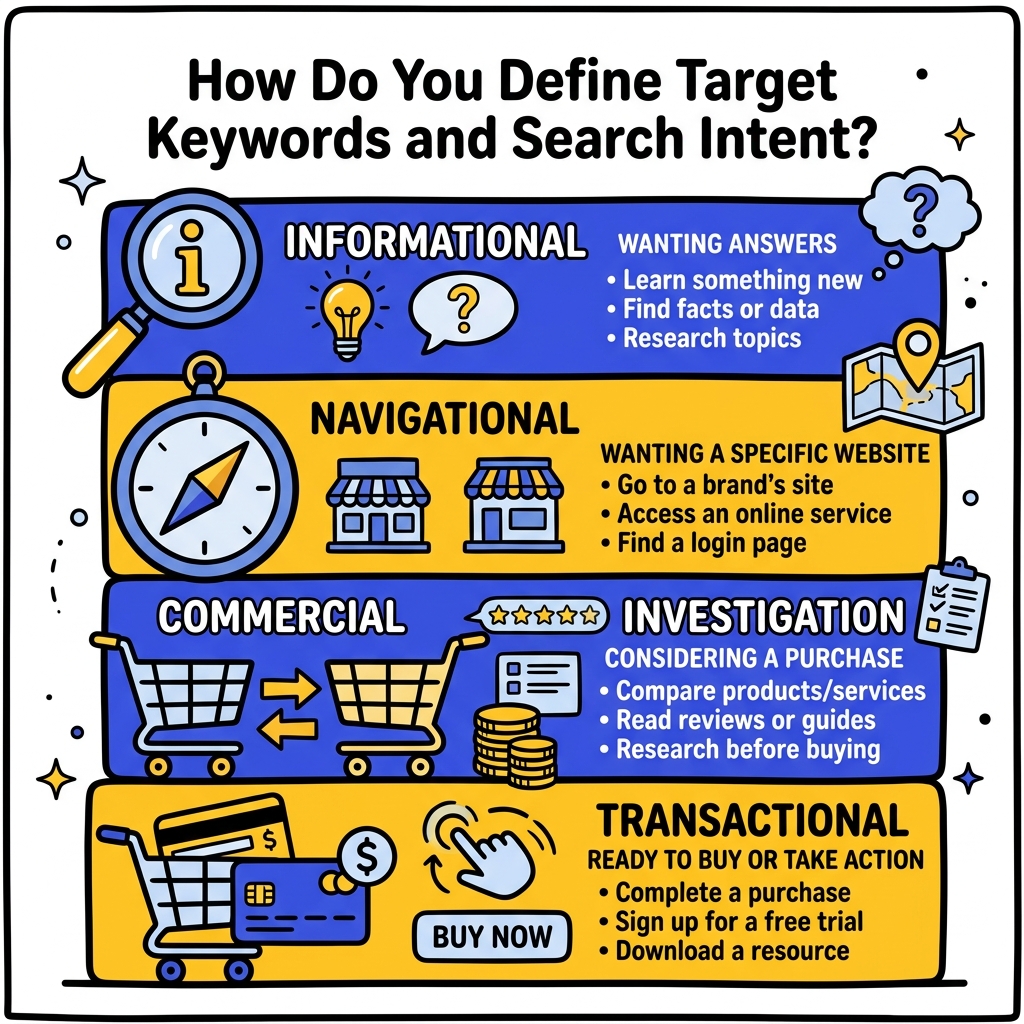
Keyword research for content briefs requires a strategic approach that goes far beyond identifying high-volume search terms. Modern SEO success depends on understanding the intent behind searches and creating content that satisfies user needs at every stage of their journey.
Start by identifying your primary keyword based on relevance to your business goals and realistic ranking potential. This keyword should align with your content objective and represent a genuine opportunity to provide value to searchers. Support your primary keyword with 3-5 secondary keywords that represent related concepts, synonyms, and long-tail variations your audience might use.
Search intent analysis transforms your keyword list from a simple checklist into a strategic roadmap. Informational intent keywords suggest users want to learn something, while commercial intent indicates they're researching potential purchases. Transactional keywords reveal users ready to take action. Understanding these distinctions helps you craft content that meets users exactly where they are in their decision-making process.
Consider how keyword clustering strategies can help you identify related terms and topics that strengthen your content's topical authority and improve its chances of ranking for multiple relevant searches.
What Content Guidelines Should You Establish?
Clear content guidelines within your brief ensure consistency and quality while giving creators the freedom to be creative within defined parameters. These guidelines should address both technical requirements and creative direction that aligns with your brand voice and marketing objectives.
Technical specifications include word count ranges, heading structure requirements, and formatting preferences that ensure your content meets platform requirements and user expectations. For blog posts, this might mean specifying H2 and H3 heading usage, image placement guidelines, and internal linking requirements. For social media content, you might define character limits, hashtag strategies, and visual specifications.
Creative guidelines focus on tone, voice, and messaging that reflects your brand personality. Rather than restricting creativity, these guidelines provide a framework that helps content creators understand how to communicate your brand's unique perspective. Include examples of preferred language, phrases to avoid, and specific messaging points that should be incorporated when relevant.
Your guidelines should also address content optimization strategies that improve both search engine visibility and user experience, ensuring every piece contributes to your broader marketing goals.
How Do You Set Success Metrics and KPIs?
Defining success metrics in your content brief transforms content creation from a creative exercise into a measurable business activity. Your metrics should directly relate to your content objectives and provide clear indicators of whether your content is achieving its intended purpose.
Traffic metrics like page views and unique visitors provide basic performance indicators, but they don't tell the complete story. Engagement metrics such as time on page, scroll depth, and social shares offer insights into content quality and audience resonance. Conversion metrics including email signups, download rates, and sales inquiries reveal whether your content drives meaningful business results.
Consider both short-term and long-term success indicators in your brief. Immediate metrics might include social media engagement and initial traffic spikes, while long-term metrics could focus on search engine rankings, backlink acquisition, and sustained organic traffic growth. Understanding how your content contributes to overall organic traffic growth helps you set realistic expectations and measure true content ROI.
What Tools and Templates Can Streamline Your Process?
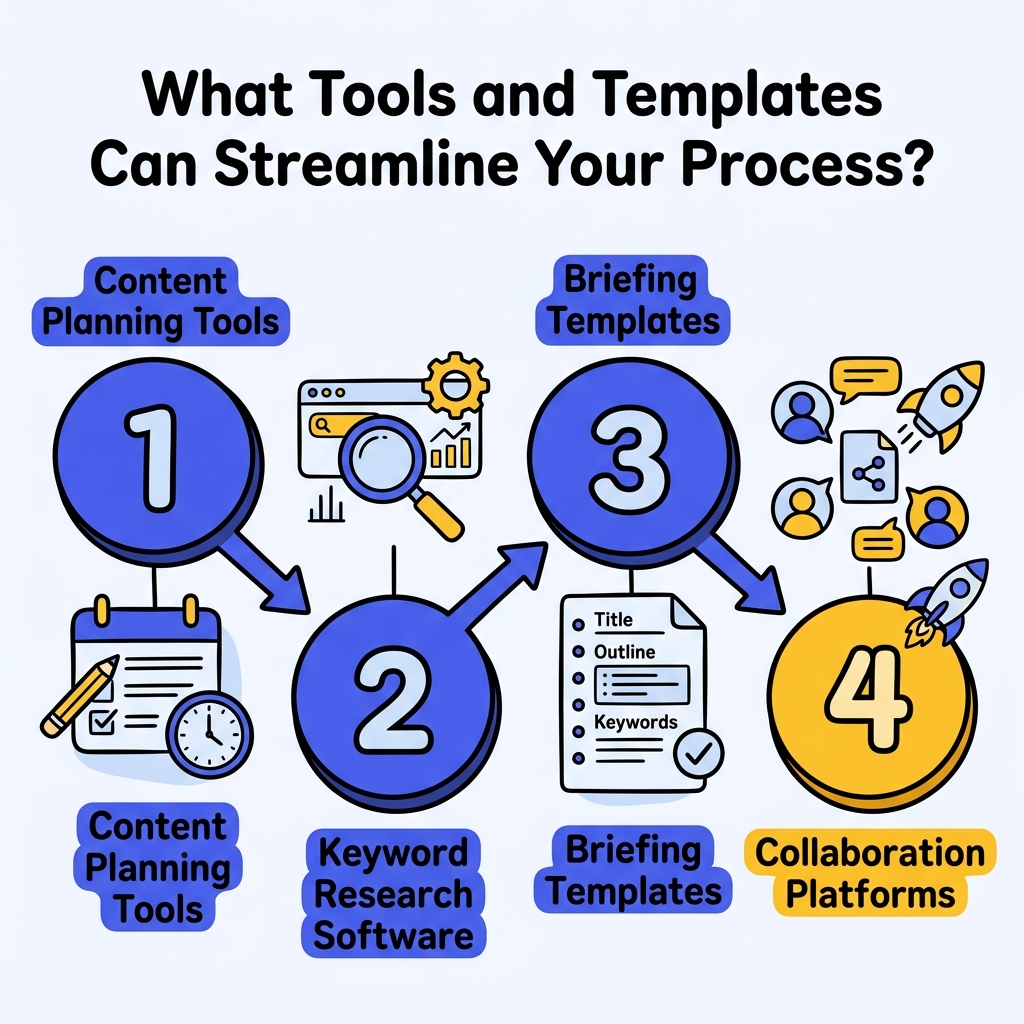
Efficiency in content brief creation comes from using the right tools and templates that standardize your process while maintaining flexibility for different content types. The goal is to create a system that makes brief creation faster without sacrificing quality or thoroughness.
Content planning tools like CoSchedule, ContentKing, or Notion can help you create reusable brief templates that ensure consistency across all your content projects. These platforms allow you to build custom fields for different content types while maintaining a central repository of all your briefs and their performance data.
Research tools play a crucial role in populating your briefs with accurate, actionable data. Keyword research platforms provide search volume and competition data, while social listening tools reveal audience conversations and trending topics. Analytics platforms help you understand which content formats and topics perform best for your specific audience.
Consider how SEO writing tools can complement your content brief process by providing real-time optimization suggestions and ensuring your final content aligns with the strategic direction outlined in your brief.
How Do You Collaborate Effectively Using Content Briefs?
Content briefs serve as communication bridges between strategists, writers, designers, and other team members involved in content creation. Effective collaboration requires clear brief distribution processes and feedback mechanisms that keep everyone aligned throughout the production cycle.
Establish clear ownership and approval processes that define who creates briefs, who reviews them, and who has final approval authority. This prevents confusion and ensures briefs receive proper strategic oversight before reaching content creators. Consider using project management tools that allow team members to comment directly on brief sections and track revision history.
Communication protocols should address how questions and clarifications are handled during the content creation process. Encourage content creators to ask questions rather than making assumptions, and establish response time expectations that keep projects moving forward efficiently.
Conclusion
Creating effective content briefs is both an art and a science that requires strategic thinking, thorough research, and clear communication. By following the structured approach outlined in this guide, you'll transform your content creation process from reactive to proactive, ensuring every piece you produce serves a specific purpose and drives measurable results.
Remember that the best content briefs evolve with your business needs and market conditions. Regularly review and refine your brief templates based on performance data and team feedback. The investment you make in creating comprehensive content briefs will pay dividends through improved content quality, better search engine rankings, and stronger audience engagement.
Ready to revolutionize your content creation process? Start implementing these content brief strategies today and watch your content marketing results soar. Need help optimizing your existing content or developing a comprehensive content strategy? Contact Fast SEO Fix to discover how our expert team can accelerate your content marketing success.

Stefan Winter
Founder & SEO Expert
Founder of Fast SEO Fix and SEO automation expert. Stefan built Fast SEO Fix to solve the tedious problem of manual SEO work. He specializes in SEO optimized content generation, keyword research, and automated SEO strategies.
