What Exactly Is Organic Traffic Growth and Why Does It Matter?
Posted by
 Stefan Winter
How to Achieve Sustainable Organic Traffic Growth in 2026: A Step-by-Step Guide
Organic traffic growth remains the holy grail of digital marketing, yet many website owners struggle to achieve consistent, long-term results. Unlike paid advertising that stops delivering the moment you pause your campaigns, organic traffic builds momentum over time, creating a sustainable foundation for your online presence. In this comprehensive guide, you'll discover proven strategies to systematically increase your organic traffic, understand the key metrics that matter, and implement actionable techniques that deliver measurable results.
What Exactly Is Organic Traffic Growth and Why Does It Matter?
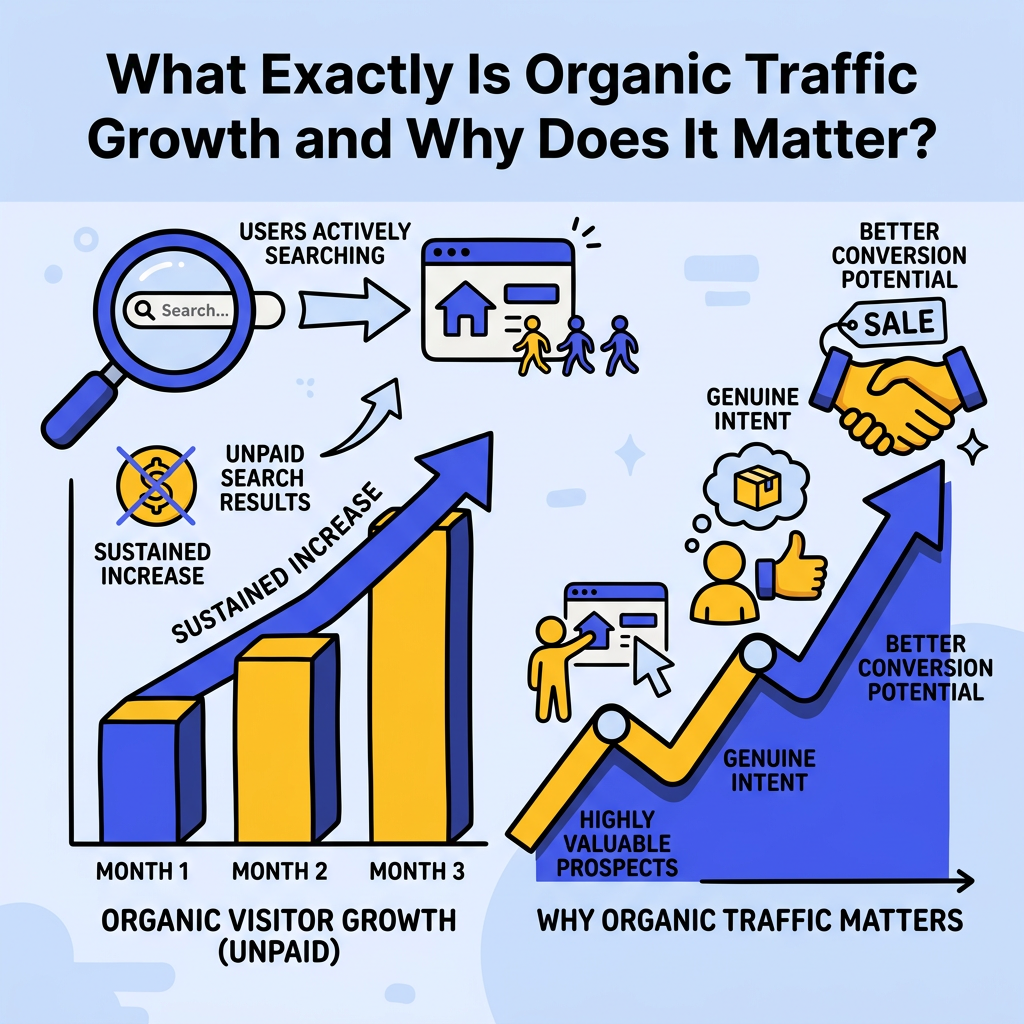
Organic traffic growth refers to the sustained increase in visitors who find your website through unpaid search engine results. This growth represents users actively searching for information, products, or services related to your business, making them highly valuable prospects with genuine intent.
The significance of organic traffic extends beyond simple visitor numbers. These users typically demonstrate higher engagement rates, longer session durations, and better conversion potential compared to other traffic sources. When you achieve consistent organic traffic growth, you're building a self-sustaining marketing engine that continues delivering results without ongoing advertising spend.
Understanding the compound nature of organic growth is crucial for long-term success. Each piece of quality content you create, every technical improvement you implement, and all the authority-building efforts you undertake contribute to an accumulating effect that strengthens your overall search presence.
How Do You Measure Organic Traffic Growth Effectively?
Before implementing growth strategies, you need robust measurement systems in place. Tracking the right metrics ensures you can identify what's working, spot emerging opportunities, and adjust your approach based on real data rather than assumptions.
Google Analytics 4 provides comprehensive insights into your organic traffic patterns. Focus on tracking organic sessions, new vs. returning organic visitors, and the specific pages driving the most organic traffic. These metrics reveal both your current performance and growth trends over time.
Beyond basic traffic numbers, monitor your organic click-through rates and average position for target keywords. Google Search Console offers invaluable data about your search performance, showing which queries bring visitors to your site and how your rankings change over time.
| Metric | Purpose | Frequency | Target Range |
|---|---|---|---|
| Organic Sessions | Overall traffic volume | Weekly | 15-25% monthly growth |
| Click-Through Rate | Search result effectiveness | Bi-weekly | 3-5% average |
| Average Position | Ranking performance | Weekly | Top 10 for primary keywords |
| Pages per Session | Content engagement | Monthly | 2.5+ pages |
| Organic Conversion Rate | Business impact | Monthly | Industry benchmark + 20% |
What Are the Foundation Elements for Sustainable Growth?
Successful organic traffic growth starts with solid technical foundations. Your website's technical health directly impacts how search engines crawl, index, and rank your content. Without these fundamentals in place, even the best content strategies will underperform.
Site speed optimization forms a critical component of your growth foundation. Pages that load slowly frustrate users and receive lower search rankings. Implement image compression, leverage browser caching, and minimize code bloat to achieve loading times under three seconds. Consider using tools like Google PageSpeed Insights to identify specific improvement opportunities.
Mobile responsiveness has evolved from a nice-to-have feature to an absolute necessity. With mobile-first indexing, Google primarily uses your mobile site version for ranking decisions. Ensure your site provides excellent user experiences across all device types, with easy navigation, readable text, and properly sized interactive elements.
How Do You Conduct Strategic Keyword Research for Growth?
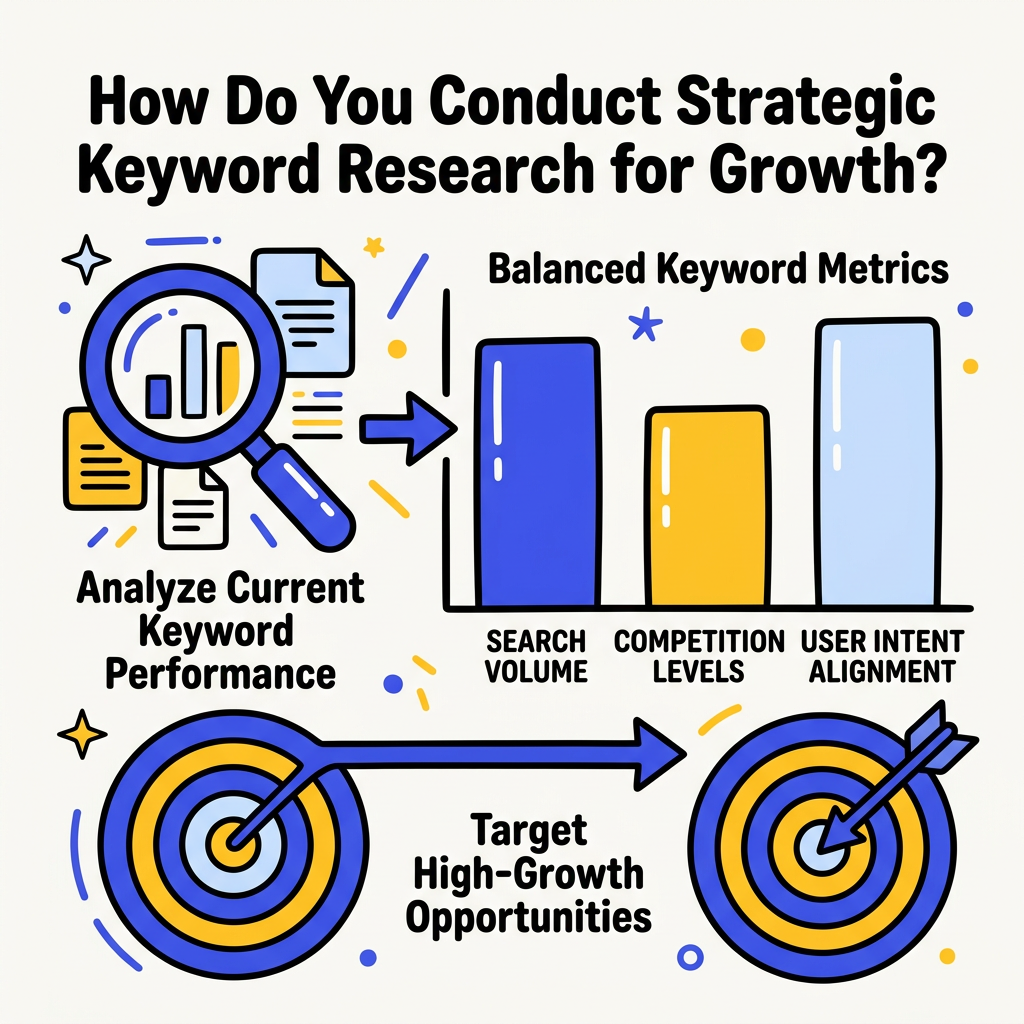
Effective keyword research goes beyond identifying high-volume search terms. For sustainable organic traffic growth, you need a strategic approach that balances search volume, competition levels, and user intent alignment with your business goals.
Start by analyzing your current keyword performance to identify opportunities for expansion. Look for terms where you rank on page two of search results, as these represent quick wins with focused optimization efforts. Additionally, examine the keywords driving traffic to your competitors to uncover gaps in your content strategy.
Long-tail keywords often provide the most sustainable growth opportunities. While individual long-tail terms may have lower search volumes, they typically face less competition and attract users with specific intent. SEO keyword clustering strategies help organize these keywords into content themes that support comprehensive topic coverage.
Consider seasonal trends and emerging topics within your industry. Tools like Google Trends reveal growing interest in specific subjects, allowing you to create content that captures traffic as search volumes increase.
What Content Strategies Drive the Most Organic Growth?
Content remains the primary driver of organic traffic growth, but not all content approaches deliver equal results. Strategic content creation focuses on providing genuine value while optimizing for search engines and user engagement.
Develop comprehensive pillar content that thoroughly covers important topics in your industry. These in-depth resources attract backlinks, establish topical authority, and provide opportunities to target multiple related keywords within single pieces. Aim for content that serves as the definitive resource on specific subjects.
Content freshness signals to search engines that your site remains active and relevant. Regularly update existing high-performing content with new information, current statistics, and expanded sections. This approach often yields better results than creating entirely new content, as updated pages already have established authority and ranking history.
Creating content clusters around central topics helps search engines understand your site's expertise areas. When you publish multiple related pieces that link to each other strategically, you build topical authority that can lift the rankings of all content within the cluster.
How Can You Optimize Technical SEO for Maximum Growth?
Technical SEO optimization creates the infrastructure that supports organic traffic growth. While content attracts visitors, technical elements ensure search engines can effectively crawl, understand, and rank your pages.
Implement structured data markup to help search engines better understand your content context. Schema markup can enhance your search listings with rich snippets, potentially increasing click-through rates and driving more organic traffic to your site.
XML sitemaps guide search engine crawlers through your site structure, ensuring all important pages get discovered and indexed. Keep your sitemap updated, remove broken links, and prioritize your most valuable pages. Submit your sitemap through Google Search Console and monitor for any crawling issues.
Internal linking strategy plays a crucial role in distributing page authority throughout your site. Create logical link structures that guide users through related content while helping search engines understand your site's information hierarchy. Professional SEO audit services can identify internal linking opportunities you might have missed.
What Role Does User Experience Play in Traffic Growth?
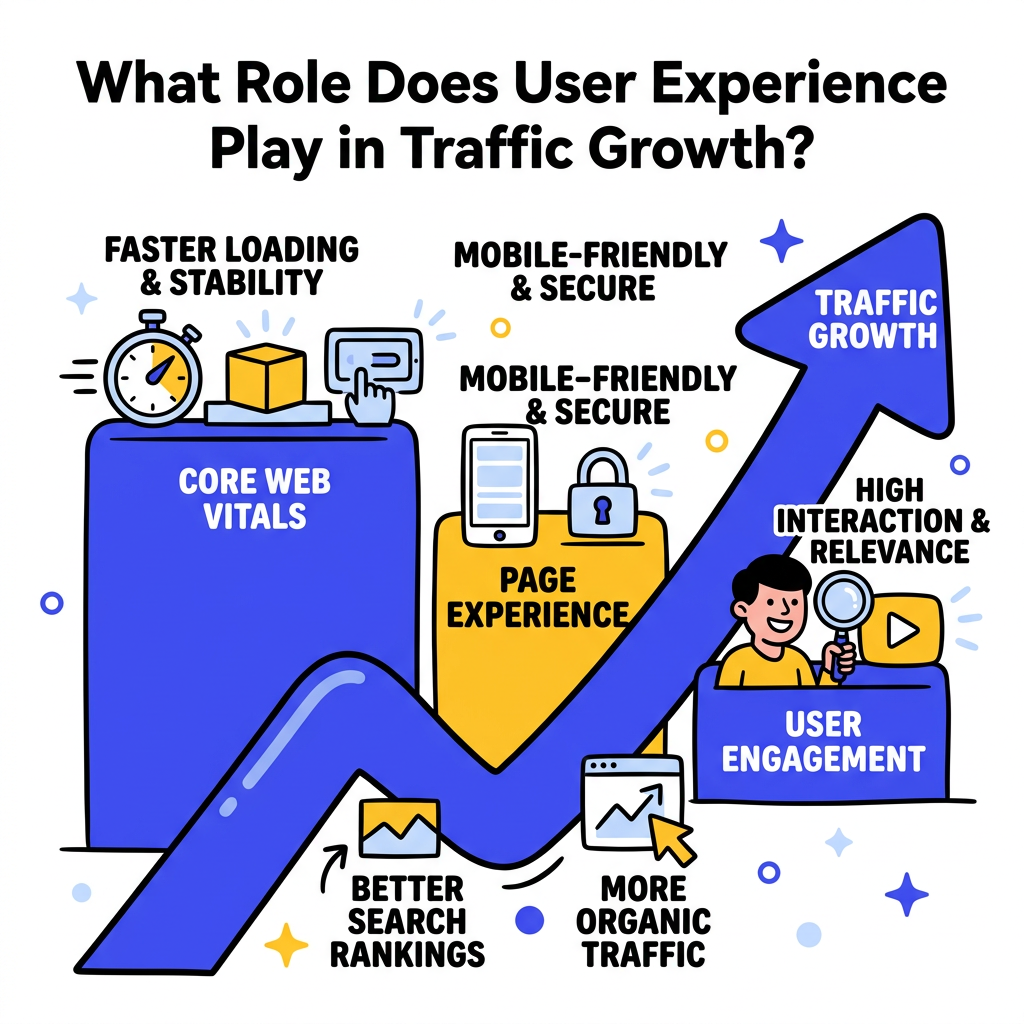
User experience factors increasingly influence search rankings and organic traffic growth. Search engines prioritize sites that provide positive user experiences, making UX optimization essential for sustainable growth.
Core Web Vitals represent Google's specific user experience metrics that directly impact rankings. Focus on improving Largest Contentful Paint (loading performance), First Input Delay (interactivity), and Cumulative Layout Shift (visual stability). These metrics reflect real user experiences and correlate strongly with organic traffic performance.
Site architecture affects both user navigation and search engine crawling efficiency. Design clear navigation paths that allow users to find relevant content within three clicks from any page. Implement breadcrumb navigation, create logical category structures, and use descriptive internal links that help users and search engines understand content relationships.
Reduce bounce rates by ensuring your content matches user search intent. When visitors quickly leave your site, it signals to search engines that your content may not be relevant or valuable for specific queries. Analyze high-bounce-rate pages and improve their content quality, loading speed, or user interface design.
How Do You Build Authority and Earn Quality Backlinks?
Building domain authority through quality backlinks remains a fundamental component of organic traffic growth. However, effective link building in 2026 requires sophisticated strategies that focus on earning links through value creation rather than manipulative tactics.
Create linkable assets that naturally attract references from other websites. This includes original research, comprehensive guides, useful tools, and industry surveys that provide unique insights. When you publish content that serves as a valuable resource, other sites will naturally link to it as a reference.
Guest posting on relevant, high-authority sites can build both backlinks and brand awareness. Focus on contributing genuinely valuable content to publications your target audience reads, rather than pursuing any site that accepts guest posts. Quality over quantity applies strongly to guest posting strategies.
Building website authority requires consistent effort across multiple channels. Engage with your industry community through social media, participate in relevant forums and discussions, and establish relationships with other professionals in your field.What Advanced Strategies Accelerate Growth in 2026?
Advanced organic traffic growth strategies leverage emerging technologies and sophisticated optimization techniques to gain competitive advantages. These approaches require more resources but can deliver significant results for established websites.
Artificial intelligence tools can enhance your content creation and optimization processes. AI writing assistants help identify content gaps, optimize existing articles, and scale content production while maintaining quality standards. However, ensure AI-generated content receives human review and editing to maintain authenticity and accuracy.
Voice search optimization becomes increasingly important as more users adopt voice-activated devices. Optimize for conversational queries and long-tail keywords that reflect how people naturally speak. Create FAQ sections that directly answer common voice search questions in your industry.
Video content integration can significantly boost organic traffic when optimized properly. Search engines increasingly display video results in standard search listings, creating additional opportunities for visibility. Create video content that supplements your written materials and optimize video titles, descriptions, and transcripts for relevant keywords.
How Do You Maintain Momentum and Scale Your Results?
Sustaining organic traffic growth requires systematic approaches to content creation, optimization, and performance monitoring. Develop processes that ensure consistent quality while scaling your efforts efficiently.
Content calendars help maintain publishing consistency while ensuring comprehensive topic coverage. Plan content themes quarterly, allowing time for keyword research, content creation, and optimization. Include content updates and refreshes in your calendar to maintain the freshness of existing high-performing pages.
Performance monitoring should extend beyond basic traffic metrics to include user engagement, conversion rates, and business impact measurements. Set up automated reports that track your key performance indicators and alert you to significant changes in organic traffic patterns.
Team training and process documentation become crucial as you scale organic growth efforts. Ensure team members understand SEO best practices, content quality standards, and optimization techniques. Professional SEO writing tools can help maintain consistency across different content creators.
Conclusion
Achieving sustainable organic traffic growth requires a comprehensive approach that combines technical excellence, strategic content creation, and consistent optimization efforts. The strategies outlined in this guide provide a roadmap for building long-term organic growth that compounds over time.
Remember that organic traffic growth is a marathon, not a sprint. Focus on creating genuine value for your audience while optimizing for search engines, and maintain consistency in your efforts. The compound effect of quality SEO practices will build momentum that drives sustained growth for years to come.
Ready to accelerate your organic traffic growth? Start by conducting a comprehensive audit of your current SEO performance, then implement these strategies systematically. Fast SEO Fix specializes in helping websites achieve measurable organic growth through proven, sustainable strategies.

Stefan Winter
Founder & SEO Expert
Founder of Fast SEO Fix and SEO automation expert. Stefan built Fast SEO Fix to solve the tedious problem of manual SEO work. He specializes in SEO optimized content generation, keyword research, and automated SEO strategies.
