What Are SEO Writing Tools and Why Do They Matter?
Posted by
 Stefan Winter
TL;DR
SEO writing tools are essential software applications that help content creators optimize their writing for search engines while maintaining readability and engagement. By combining keyword research, content optimization, and analytics features, these tools enable creators to produce content that ranks better and delivers measurable ROI—with companies using SEO-optimized content seeing 13 times better returns on their content marketing efforts.
How to Choose the Right SEO Writing Tools for Maximum Content Impact in 2026

The content creation landscape has evolved dramatically, and choosing the right SEO writing tools can make the difference between content that ranks and content that gets buried on page ten. With over 7.5 million blog posts published daily, having the right arsenal of SEO writing tools isn't just helpful, it's essential for cutting through the noise and reaching your target audience.
This comprehensive guide will walk you through everything you need to know about selecting, implementing, and maximizing SEO writing tools to create content that not only engages readers but also dominates search engine results pages.
What Are SEO Writing Tools and Why Do They Matter?

SEO writing tools are specialized software applications designed to help content creators optimize their writing for search engines while maintaining readability and engagement for human audiences. These tools bridge the gap between creative writing and technical SEO requirements, ensuring your content performs well in both areas.
The importance of these tools has grown exponentially as search algorithms become more sophisticated. Modern SEO writing tools analyze everything from keyword density and semantic relationships to readability scores and content structure, providing data-driven insights that would take hours to calculate manually.
According to HubSpot's State of Marketing Report, companies that prioritize SEO-optimized content are 13 times more likely to see positive ROI from their content marketing efforts. This statistic underscores why investing in quality SEO writing tools has become non-negotiable for serious content creators.
How to Identify Your SEO Writing Tool Requirements
Before diving into tool selection, you need to assess your specific needs and content goals. Start by evaluating your current content creation process and identifying bottlenecks or areas where you consistently struggle.
Consider your content volume requirements, team size, and technical expertise level. A solo blogger has different needs than a content marketing agency managing multiple clients. Similarly, someone creating five blog posts per month has different requirements than a team producing daily content across multiple platforms.
Budget constraints also play a crucial role in tool selection. While premium SEO writing tools offer advanced features, many excellent options provide substantial value at lower price points. The key is finding tools that deliver the specific functionality you need without paying for features you'll never use.
What Features Should You Prioritize in SEO Writing Tools?
The most effective SEO writing tools combine multiple functionalities into streamlined workflows. Look for tools that offer real-time content optimization, keyword research integration, and competitive analysis capabilities. These features allow you to research, write, and optimize content without constantly switching between different platforms.
Content analysis features are equally important. Your chosen tools should provide readability scores, SEO recommendations, and content structure suggestions. Advanced tools also offer semantic keyword suggestions, helping you create more comprehensive content that covers topic clusters rather than just primary keywords.
Integration capabilities can significantly impact your workflow efficiency. Tools that integrate with popular content management systems, social media platforms, and analytics tools create seamless workflows that save time and reduce the likelihood of errors in your content publishing process.
How to Evaluate Different Categories of SEO Writing Tools
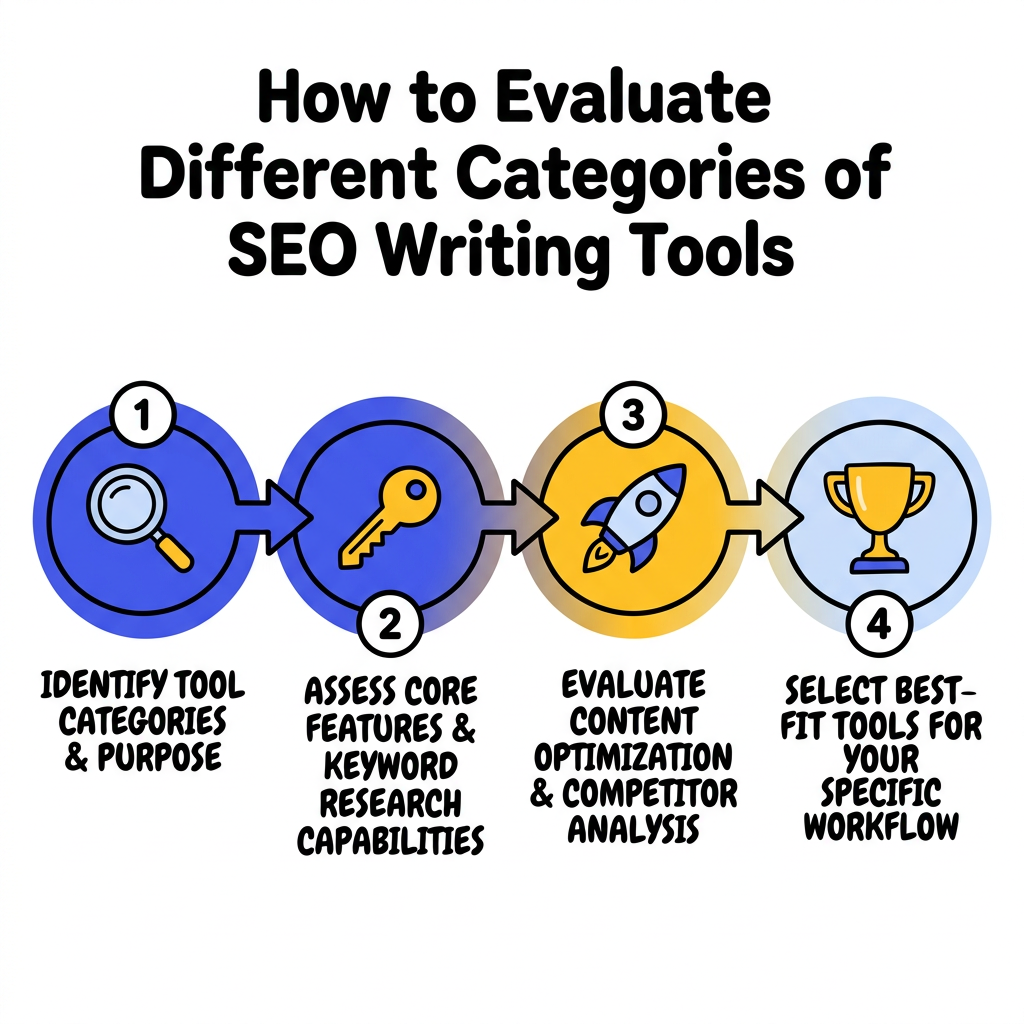
SEO writing tools fall into several distinct categories, each serving specific purposes in the content creation process. Understanding these categories helps you build a comprehensive toolkit rather than relying on a single solution.
Keyword research tools form the foundation of SEO-optimized content. These tools help identify search terms your audience uses, analyze keyword difficulty, and discover content gaps in your niche. Popular options include SEMrush, Ahrefs, and Google Keyword Planner, each offering unique strengths in keyword discovery and analysis.
Content optimization tools focus on improving existing content for better search performance. These tools analyze your writing in real-time, suggesting improvements for keyword usage, content structure, and readability. They often include features like content scoring, competitor analysis, and optimization recommendations based on top-ranking pages for your target keywords.
| Tool Category | Primary Function | Best For | Price Range |
|---|---|---|---|
| Keyword Research | Finding and analyzing search terms | Content planning and strategy | $99-$400/month |
| Content Optimization | Real-time writing assistance | Active content creation | $29-$199/month |
| Analytics & Tracking | Performance monitoring | Results measurement | Free-$300/month |
| All-in-One Platforms | Multiple SEO functions | Comprehensive workflows | $99-$500/month |
How to Test and Compare SEO Writing Tools Effectively
Most reputable SEO writing tools offer free trials or freemium versions, making it possible to test multiple options before committing to paid subscriptions. Create a standardized testing process to ensure fair comparisons between different tools.
Start by selecting a piece of existing content to use as a baseline for testing. Run this content through each tool you're considering, noting the specific suggestions, ease of use, and quality of recommendations. Pay attention to how well each tool identifies optimization opportunities you might have missed manually.
Consider the learning curve associated with each tool. While advanced features are valuable, they're only beneficial if you'll actually use them. Tools with intuitive interfaces and clear guidance often provide better value than feature-rich platforms that require extensive training to use effectively.
What Integration Options Should You Consider?
Modern SEO writing tools don't operate in isolation. The best tools integrate seamlessly with your existing content creation and marketing technology stack. Look for tools that offer native integrations with your content management system, whether that's WordPress, HubSpot, or another platform.
Social media integration capabilities can streamline your content distribution process. Tools that allow you to optimize content for multiple platforms simultaneously save significant time and ensure consistent messaging across channels. Some advanced tools even provide platform-specific optimization suggestions for Twitter, LinkedIn, and Facebook.
Analytics integration is crucial for measuring the impact of your optimized content. Tools that connect with Google Analytics, Search Console, and other analytics platforms provide closed-loop reporting, showing how your SEO writing efforts translate into traffic, engagement, and conversions.
How to Implement SEO Writing Tools in Your Content Workflow

Successful implementation of SEO writing tools requires thoughtful integration into your existing content creation process. Start by mapping your current workflow from ideation to publication, identifying specific points where SEO tools can add value without disrupting productive routines.
Begin with one tool at a time rather than attempting to implement multiple solutions simultaneously. This approach allows you to fully understand each tool's capabilities and develop proficiency before adding complexity to your workflow. Master the core features before exploring advanced functionality.
Training and documentation are essential for team environments. Create standardized processes for using your chosen SEO writing tools, including style guides that incorporate tool recommendations with your brand voice and content standards. Understanding how to create high-converting blog posts becomes much easier when your team has clear guidelines for tool usage.
How to Measure the ROI of Your SEO Writing Tools
Measuring the return on investment from SEO writing tools requires establishing baseline metrics before implementation and tracking improvements over time. Key metrics include organic traffic growth, keyword ranking improvements, and content engagement rates.
Content production efficiency is another important metric. Track how much time you save during the writing and optimization process, and calculate the monetary value of that time savings. Many content creators find that SEO writing tools pay for themselves through improved efficiency alone, with ranking improvements providing additional value.
Long-term metrics like domain authority growth and brand visibility improvements often show the most significant impact from consistent use of quality SEO writing tools. These tools help create more comprehensive, authoritative content that builds your website's overall search engine credibility over time.
How to Stay Current with SEO Writing Tool Evolution
The SEO writing tool landscape evolves rapidly as search algorithms change and new technologies emerge. Artificial intelligence and machine learning capabilities are increasingly common features, with tools offering more sophisticated content suggestions and predictive analytics.
Stay informed about tool updates and new feature releases by following tool developers on social media and subscribing to their newsletters. Many companies provide regular training webinars and resource updates that can help you maximize your investment in their platforms. Our guide on what makes an AI writing assistant the best choice explores how these technologies are reshaping content creation.
Industry blogs and SEO communities are excellent sources for unbiased tool reviews and comparative analyses. Platforms like Moz, Search Engine Land, and industry-specific forums provide insights into how different tools perform in real-world scenarios across various industries and use cases.
Conclusion
Selecting the right SEO writing tools is a strategic decision that impacts every piece of content you create. The tools you choose should align with your specific needs, integrate smoothly with your existing workflow, and provide measurable improvements in both efficiency and results.
Remember that the most expensive tool isn't always the best choice for your situation. Focus on finding tools that solve your specific challenges while fitting within your budget and technical requirements. The right combination of SEO writing tools will transform your content creation process, helping you produce more effective content in less time.
Ready to revolutionize your content strategy? Start by identifying your biggest content creation challenges, then use this guide to select tools that address those specific needs. Your future self will thank you for the investment in proper SEO writing tools.
Frequently Asked Questions
SEO writing tools are specialized software applications designed to help content creators optimize their writing for search engines while maintaining readability and engagement. They analyze keyword density, semantic relationships, readability scores, and content structure to provide data-driven insights that improve search rankings.
While good writing is important, SEO writing tools bridge the gap between creative writing and technical SEO requirements. With over 7.5 million blog posts published daily, these tools help your content cut through the noise by ensuring it meets modern search algorithm requirements that go beyond traditional writing quality.
Look for real-time content optimization, keyword research integration, competitive analysis, readability scores, and SEO recommendations. Integration capabilities with your CMS and analytics platforms are also important for creating seamless workflows that save time and reduce errors.
SEO writing tools range from free options to $500+ per month depending on features and functionality. The key is finding tools that deliver the specific features you need without paying for unused capabilities—a solo blogger's needs differ significantly from an agency managing multiple clients.
Most reputable SEO writing tools offer free trials or freemium versions. Create a standardized testing process using existing content as a baseline, run it through each tool, and evaluate the quality of suggestions, ease of use, and learning curve before making a final decision.

Stefan Winter
Founder & SEO Expert
Founder of Fast SEO Fix and SEO automation expert. Stefan built Fast SEO Fix to solve the tedious problem of manual SEO work. He specializes in SEO optimized content generation, keyword research, and automated SEO strategies.
