What Is Website Authority and Why Should You Care?
Posted by
 Stefan Winter
TL;DR
Website authority is your site's reputation score that determines search visibility, organic traffic, and conversion rates. Building it requires a long-term investment in expert content creation, high-quality backlinks, technical optimization, and user experience improvements rather than quick fixes.
How to Increase Website Authority: 7 Proven Strategies That Actually Work in 2026
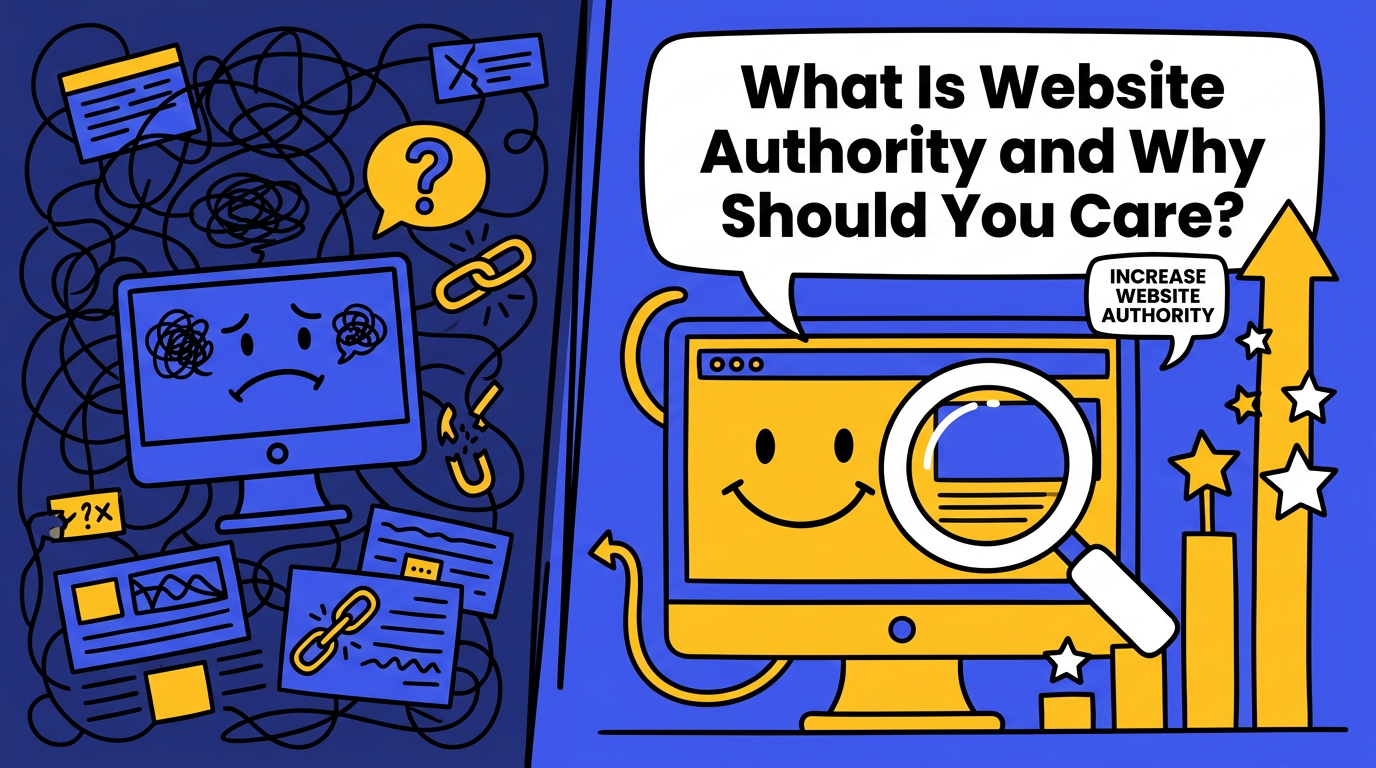
Building website authority isn't just about climbing search rankings anymore. It's about establishing your site as the go-to resource that both users and search engines trust implicitly. In 2026's competitive digital landscape, website authority determines whether your content gets discovered, shared, and converts visitors into loyal customers.
This comprehensive guide reveals seven proven strategies to systematically increase your website authority, complete with actionable steps you can implement immediately. Whether you're starting from scratch or looking to boost an established site, these tactics will help you build the credibility and trust signals that modern search algorithms prioritize.
What Is Website Authority and Why Should You Care?
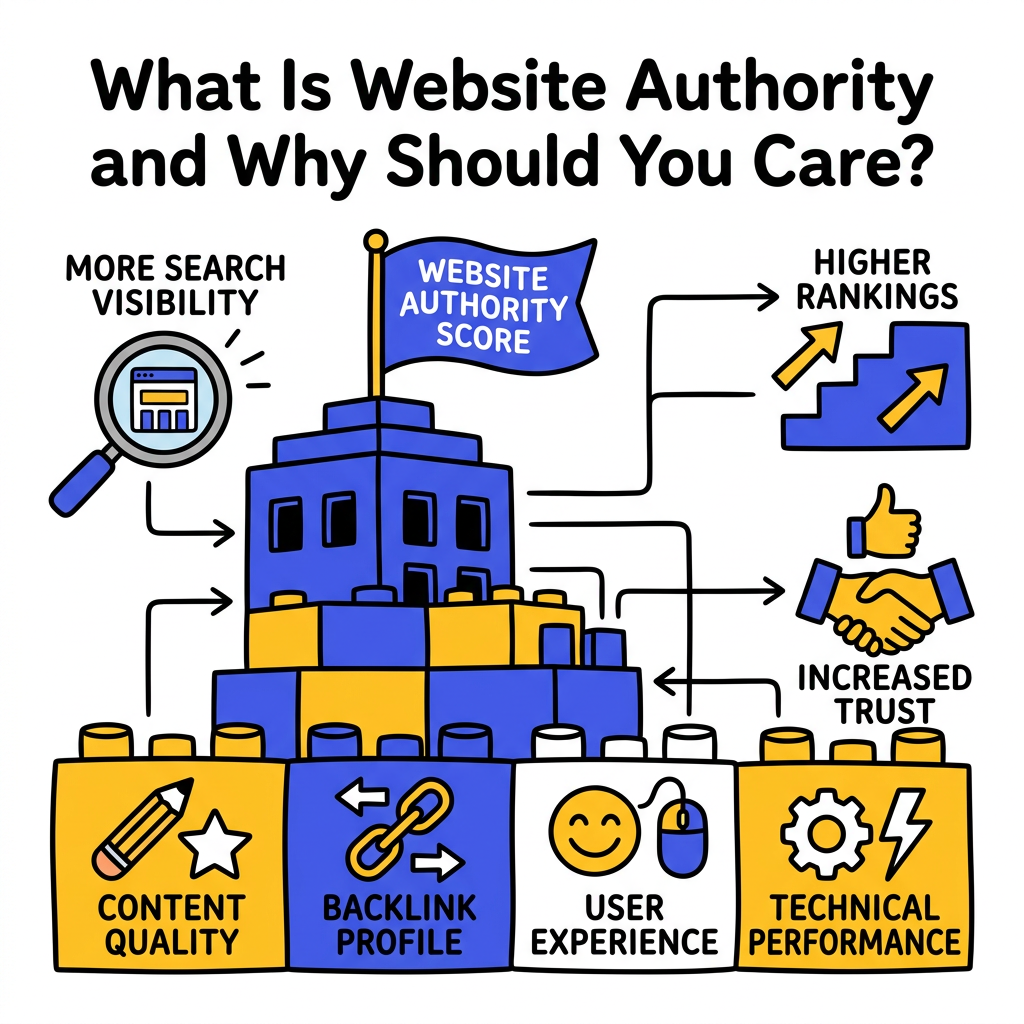
Website authority represents the overall trustworthiness and credibility of your domain in the eyes of search engines and users. Think of it as your site's reputation score, influenced by factors like content quality, backlink profile, user experience, and technical performance.
Higher authority translates directly into better search visibility, increased organic traffic, and improved conversion rates. Sites with strong authority often rank for competitive keywords faster, recover from algorithm updates more quickly, and maintain stable traffic growth over time.
The most successful websites in 2026 treat authority building as a long-term investment rather than a quick fix. They understand that sustainable authority comes from consistently delivering value while following search engine best practices.
How Does Search Engine Authority Actually Work?
Search engines evaluate website authority through hundreds of ranking factors, but several core elements carry the most weight. Content relevance and depth signal expertise in your niche, while backlinks from reputable sources act as votes of confidence from other websites.
Technical factors like site speed, mobile responsiveness, and security certificates contribute to your authority foundation. User engagement metrics, including time on page, bounce rate, and return visits, provide additional trust signals that search algorithms consider when ranking your content.
| Authority Factor | Impact Level | Time to See Results |
|---|---|---|
| High-quality backlinks | High | 3-6 months |
| Expert content creation | High | 2-4 months |
| Technical optimization | Medium | 1-2 months |
| User experience signals | Medium | 2-3 months |
| Social proof indicators | Low-Medium | 1-3 months |
Strategy 1: Create Expert-Level Content That Demonstrates Authority
The foundation of website authority starts with content that showcases genuine expertise in your field. Focus on creating comprehensive resources that answer complex questions your audience faces, going deeper than surface-level advice that saturates most niches.
Develop content series that build upon each other, creating a knowledge hub around specific topics. For example, if you're in digital marketing, create interconnected guides covering strategy, implementation, and optimization that reference and support each other naturally.
Include original research, case studies, and data-driven insights whenever possible. Content backed by real evidence and personal experience carries significantly more authority weight than rehashed information from other sources. Understanding SEO content creation principles can help you develop this expertise-driven approach.
How to Research and Validate Your Content Topics
Before creating any piece of content, research what your target audience actually needs versus what already exists online. Use tools like Google's "People Also Ask" feature, industry forums, and customer support tickets to identify knowledge gaps you can fill authoritatively.
Validate your topic choices by examining the current top-ranking content for related keywords. Look for opportunities to provide more comprehensive coverage, updated information, or unique perspectives that existing content lacks.
Strategy 2: Build High-Quality Backlinks Through Strategic Outreach
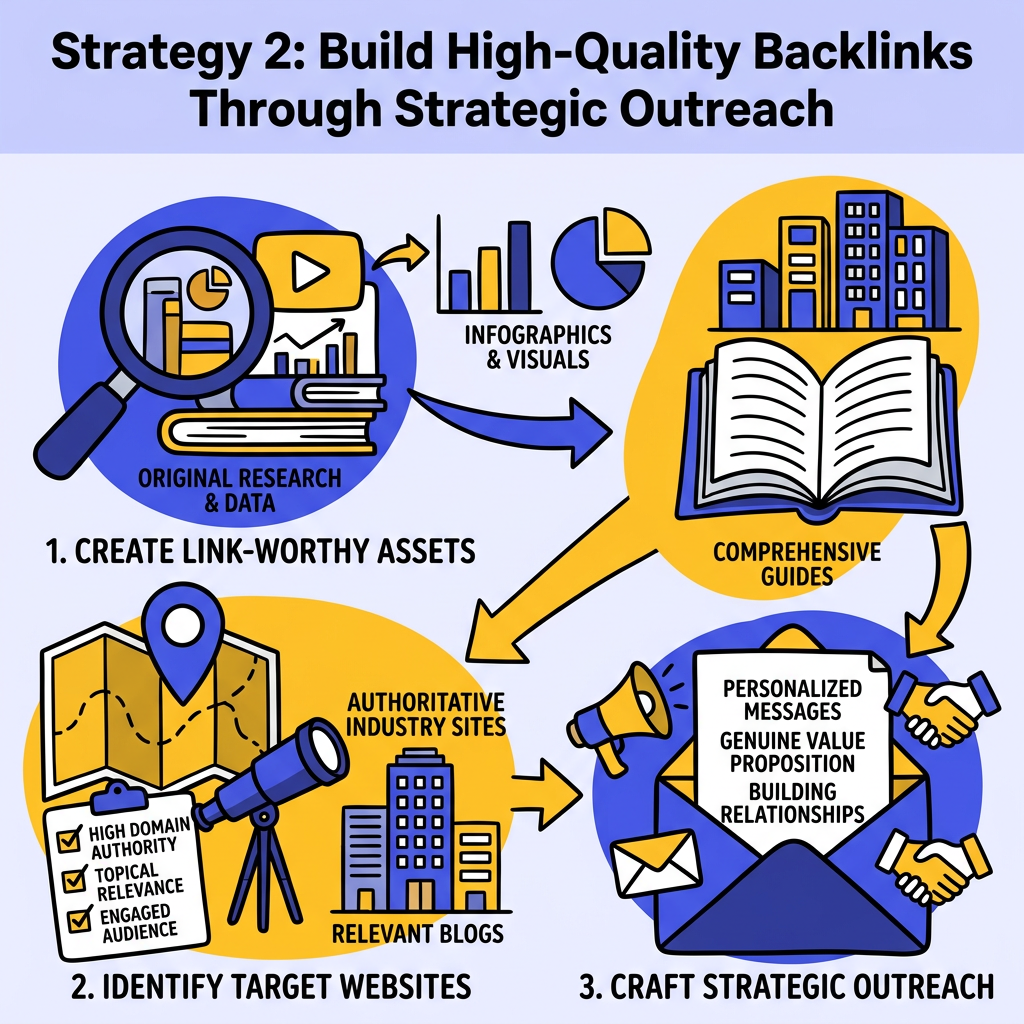
Earning backlinks from authoritative websites in your industry remains one of the most powerful ways to increase your site's authority. However, successful link building in 2026 requires providing genuine value rather than simply asking for links.
Start by creating link-worthy assets like original research studies, comprehensive guides, or useful tools that other sites would naturally want to reference. Then identify websites that have linked to similar resources and reach out with personalized pitches explaining how your content adds value for their audience.
Focus on building relationships with industry influencers, journalists, and content creators before you need anything from them. Engage with their content, share their work, and offer helpful insights that demonstrate your expertise without immediately asking for reciprocation.
What Types of Backlinks Actually Move the Authority Needle?
Not all backlinks provide equal authority value. Editorial links from relevant, high-authority sites in your niche carry the most weight, especially when they appear within quality content rather than in sidebars or footers.
Guest posting opportunities on reputable industry publications can provide valuable authority boosts, but only when your content offers genuine value to their audience. Avoid low-quality guest post networks or sites that accept any submitted content without editorial standards.
Strategy 3: Optimize Your Technical Foundation for Authority Signals
Technical SEO forms the backbone of website authority, ensuring search engines can efficiently crawl, index, and understand your content. Start with core web vitals optimization, focusing on page loading speed, mobile responsiveness, and visual stability across all devices.
Implement structured data markup to help search engines understand your content context and display rich snippets in search results. This enhanced visibility often leads to higher click-through rates and improved user engagement signals.
Ensure your site architecture follows logical hierarchies with clear internal linking patterns that distribute authority throughout your domain. Every important page should be reachable within three clicks from your homepage, and your navigation should guide users naturally through your content ecosystem.
Strategy 4: Leverage Social Proof and Trust Indicators
Modern website authority extends beyond traditional SEO factors to include social proof elements that build user confidence. Display customer testimonials, case studies, and success stories prominently throughout your site to demonstrate real-world value delivery.
Include author bylines with credentials and expertise indicators on your content. Link to team member profiles that showcase relevant experience, certifications, and industry recognition that supports your site's credibility claims.
Add trust badges, security certificates, and industry association memberships where appropriate. While these elements don't directly impact search rankings, they influence user behavior metrics that contribute to overall authority assessment.
How to Showcase Expertise Without Appearing Boastful
Present your expertise through helpful content and genuine value delivery rather than direct self-promotion. Let your knowledge speak through detailed explanations, thoughtful analysis, and practical advice that readers can implement successfully.
Share behind-the-scenes insights about your processes, mistakes you've learned from, and honest assessments of different approaches in your field. This transparency builds trust more effectively than perfect success stories alone.
Strategy 5: Develop Strategic Internal Linking Architecture
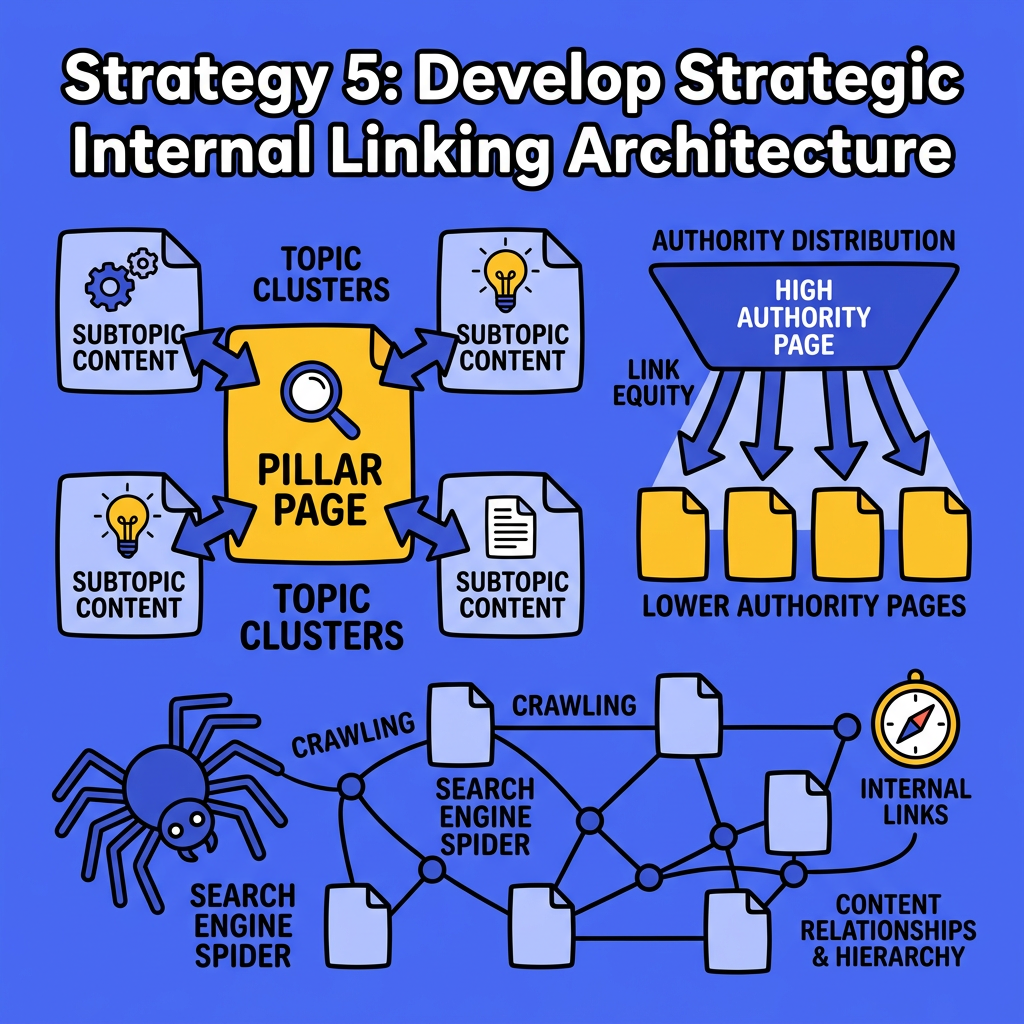
Internal linking distributes authority throughout your site while helping search engines understand your content relationships and hierarchy. Create topic clusters around your main expertise areas, with comprehensive pillar pages linking to related subtopic content.
Use descriptive anchor text that clearly indicates what readers will find when they click through to linked pages. Avoid generic phrases like "click here" or "read more" in favor of keyword-rich descriptions that provide context for both users and search engines.
Regularly audit your internal linking structure to identify orphaned pages that lack sufficient internal links and opportunities to connect related content more effectively. Keyword gap analysis techniques can help you discover content connection opportunities you might have missed.
Strategy 6: Monitor and Improve User Experience Metrics
User experience signals increasingly influence website authority as search engines prioritize sites that genuinely serve their visitors well. Track metrics like average session duration, pages per session, and return visitor rates to gauge how effectively your site engages its audience.
Optimize your site's navigation and information architecture to help users find relevant content quickly and easily. Clear categorization, effective search functionality, and logical content progression keep visitors engaged longer and encourage deeper exploration of your site.
Implement feedback mechanisms like surveys, comment sections, or contact forms that allow users to share their experiences and suggestions for improvement. Acting on this feedback demonstrates your commitment to user satisfaction and continuous improvement.
What User Signals Actually Impact Authority Rankings?
Search engines analyze user behavior patterns to assess content quality and relevance. High bounce rates on important pages may signal content quality issues, while strong engagement metrics indicate valuable, authoritative content that satisfies user intent.
Click-through rates from search results, time spent on page, and social sharing activity all contribute to authority assessment. Focus on creating content that naturally encourages these positive user behaviors rather than trying to manipulate metrics artificially.
Strategy 7: Establish Thought Leadership Through Industry Participation
Position yourself as an industry authority by actively participating in relevant professional communities, conferences, and publications. Speaking at industry events, participating in expert panels, and contributing to respected publications builds recognition and often leads to natural backlink opportunities.
Develop a consistent content publishing schedule that demonstrates ongoing expertise and keeps your audience engaged. Regular, high-quality content publication signals to search engines that your site remains active and relevant in your field.
Consider launching industry research projects, surveys, or studies that generate original data other sites will want to reference. These initiatives often become link magnets while establishing your site as a primary source for industry insights. Tools like SEO automation platforms can help you track and optimize these authority-building efforts efficiently.
How Long Does It Take to See Authority Improvements?
Website authority building requires patience and consistent effort over months rather than weeks. Most sites begin seeing measurable improvements in search visibility and organic traffic within 3-6 months of implementing comprehensive authority-building strategies.
The timeline varies significantly based on your starting point, competition level, and implementation consistency. New domains typically take longer to establish authority than existing sites with some existing trust signals and content history.
Focus on leading indicators like content engagement, backlink acquisition, and technical performance improvements while waiting for authority metrics to reflect your efforts. These early signals often predict eventual authority gains before they become visible in search rankings.
Conclusion
Increasing website authority in 2026 requires a multifaceted approach that combines expert content creation, strategic relationship building, technical optimization, and genuine value delivery. The seven strategies outlined in this guide provide a comprehensive framework for building sustainable authority that withstands algorithm changes and competitive pressure.
Remember that authority building is a marathon, not a sprint. Consistent implementation of these proven strategies will compound over time, creating a strong foundation for long-term search visibility and business growth. Start with the strategies that align best with your current resources and expertise, then gradually expand your authority-building efforts as you see results.
Ready to accelerate your website's authority growth? Fast SEO Fix specializes in implementing these proven strategies with measurable results. Contact us today to discover how our expert team can help you build the website authority your business deserves.
Frequently Asked Questions
Website authority is the overall trustworthiness and credibility of your domain as evaluated by search engines and users, influenced by factors like content quality, backlink profile, user experience, and technical performance.
Building authority is a long-term investment; high-quality backlinks typically show results in 3-6 months, expert content in 2-4 months, and technical optimization in 1-2 months. Sustainable authority requires consistent effort over time.
Both are equally important and work together. Expert-level content provides the foundation by demonstrating genuine expertise, while high-quality backlinks from authoritative sites act as votes of confidence that amplify your authority signals.
No; editorial links from relevant, high-authority sites in your niche carry the most weight, especially when embedded within quality content. Low-quality backlinks or those from unrelated sites provide minimal authority benefit.
Technical factors like site speed, mobile responsiveness, and security certificates form the foundation of authority by providing positive user experience signals that search engines use to evaluate trustworthiness and ranking potential.

Stefan Winter
Founder & SEO Expert
Founder of Fast SEO Fix and SEO automation expert. Stefan built Fast SEO Fix to solve the tedious problem of manual SEO work. He specializes in SEO optimized content generation, keyword research, and automated SEO strategies.
