What Exactly Is a Content Optimization Strategy?
Posted by
 Stefan Winter
How to Build a Winning Content Optimization Strategy That Actually Drives Results
Creating content that ranks well and converts visitors is no longer about publishing frequently and hoping for the best. In 2026, successful websites rely on a systematic content optimization strategy that aligns with search intent, user behavior, and business goals. Whether you're managing a corporate blog, running an agency, or growing a personal brand, understanding how to optimize your content strategically can transform your online presence from invisible to indispensable.
This comprehensive guide will walk you through building a content optimization strategy that not only improves your search rankings but also delivers measurable business results. You'll learn proven frameworks, actionable tactics, and implementation steps that you can start using immediately.
What Exactly Is a Content Optimization Strategy?
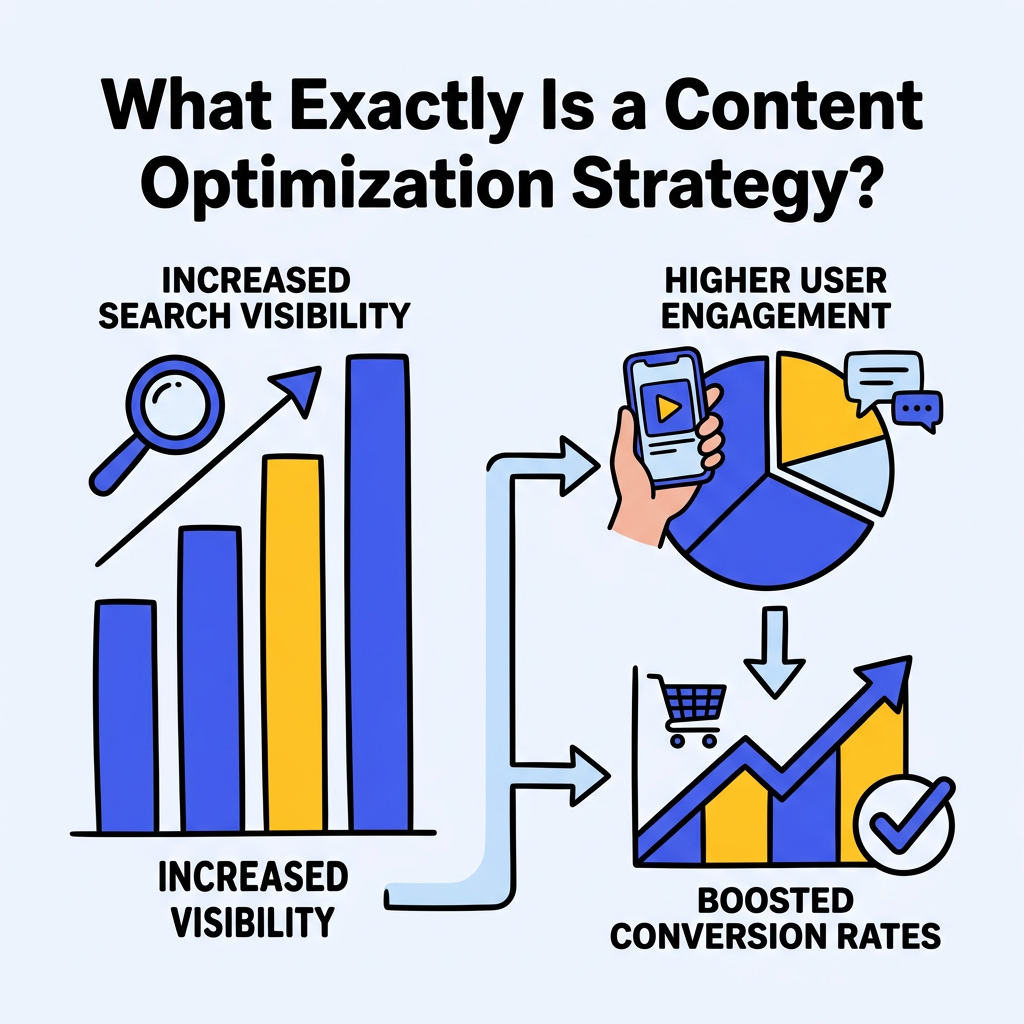
A content optimization strategy is a systematic approach to improving your content's performance across multiple metrics including search visibility, user engagement, and conversion rates. Unlike basic SEO writing, this strategy encompasses the entire content lifecycle from initial research through ongoing performance analysis.
The most effective content optimization strategies focus on three core pillars: search engine compatibility, user experience excellence, and business objective alignment. When these elements work together, your content becomes a powerful asset that attracts qualified traffic, engages visitors meaningfully, and drives specific business outcomes.
Modern content optimization goes beyond keyword stuffing or following outdated SEO checklists. It requires understanding your audience's complete journey, anticipating their questions at different stages, and creating content experiences that genuinely solve problems while supporting your business growth.
How Do You Research and Plan Your Content Optimization Approach?
Successful content optimization begins with thorough research that informs every subsequent decision. Start by conducting a comprehensive content audit of your existing materials, identifying which pieces perform well and which fall short of expectations.
SEO audit services can provide valuable insights into technical optimization opportunities, but your content-focused audit should examine engagement metrics, conversion rates, and search performance patterns. Look for content gaps where your competitors rank but you don't, and identify topics where you have expertise but lack comprehensive coverage.Next, develop detailed user personas based on actual data rather than assumptions. Analyze your website analytics, survey existing customers, and study support ticket patterns to understand what information your audience truly needs. This research becomes the foundation for creating content that resonates authentically with your target market.
Building Your Content Optimization Framework
Your optimization framework should include clear processes for keyword research, content creation, performance measurement, and iterative improvement. Keyword clustering strategies help organize your content around topic themes rather than individual keywords, creating more comprehensive and authoritative content experiences.
Establish content templates and quality checklists that ensure consistency across all your materials. These templates should include sections for search optimization, readability requirements, internal linking opportunities, and conversion elements. Having standardized processes prevents important optimization steps from being overlooked during content creation.
What Are the Essential Elements of On-Page Content Optimization?
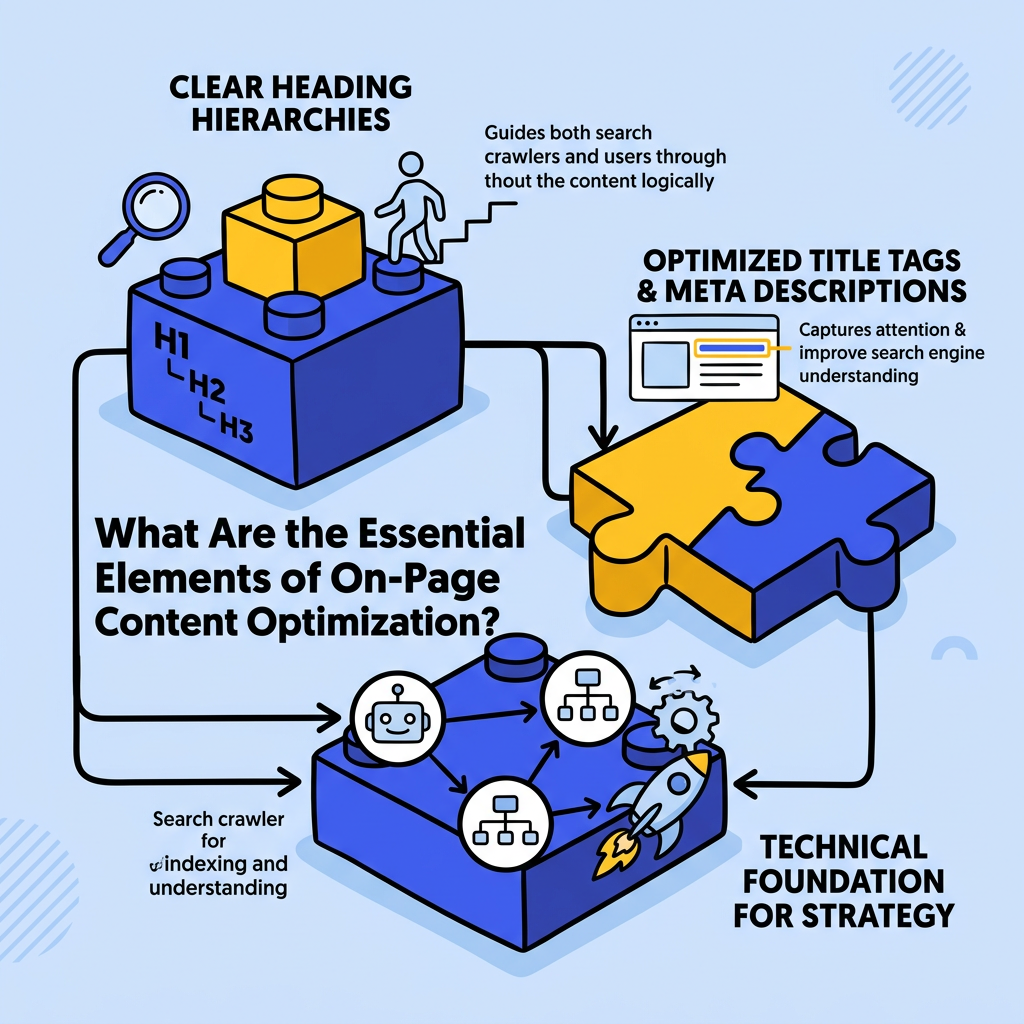
On-page optimization forms the technical foundation of your content strategy, ensuring search engines can understand and properly index your materials. Focus on creating clear heading hierarchies that guide both users and search crawlers through your content logically.
Your title tags and meta descriptions should accurately reflect your content while incorporating primary keywords naturally. According to Google's Search Quality Evaluator Guidelines, relevance and user intent matching are critical factors in content ranking.
Internal linking strategy plays a crucial role in content optimization by distributing page authority and helping users discover related information. When linking to related content about website authority building, use descriptive anchor text that clearly indicates what readers will find on the destination page.
Technical Optimization Checklist
| Optimization Element | Best Practice | Impact Level |
|---|---|---|
| Title Tags | 50-60 characters, primary keyword included | High |
| Meta Descriptions | 150-160 characters, compelling and descriptive | Medium |
| Header Structure | Logical H1-H6 hierarchy with keywords | High |
| Image Optimization | Alt text, proper file names, compressed sizes | Medium |
| Internal Linking | 3-5 relevant links per 1000 words | High |
| Schema Markup | Structured data for content type | Medium |
How Do You Optimize Content for User Experience and Engagement?
User experience optimization requires understanding how people actually consume your content rather than how you think they should. Heat mapping tools and user session recordings reveal reading patterns, scroll behavior, and engagement drop-off points that inform optimization decisions.
Structure your content with scannable formatting including bullet points, numbered lists, and clear subheadings. Most users scan content before deciding whether to read thoroughly, so your formatting should communicate key information even during quick reviews.
Loading speed significantly impacts both user experience and search rankings. The Core Web Vitals report from Google provides specific metrics and improvement recommendations for page performance optimization.
Content Engagement Optimization Tactics
Write compelling introductions that immediately address the reader's primary concern or question. Your opening paragraph should clearly state what the reader will gain by consuming your content, creating a value proposition that encourages continued reading.
Use transition sentences between sections to maintain reading flow and logical progression. These connections help readers understand how different sections relate to their overall goals, reducing bounce rates and increasing time on page.
What Role Does Content Distribution Play in Your Optimization Strategy?
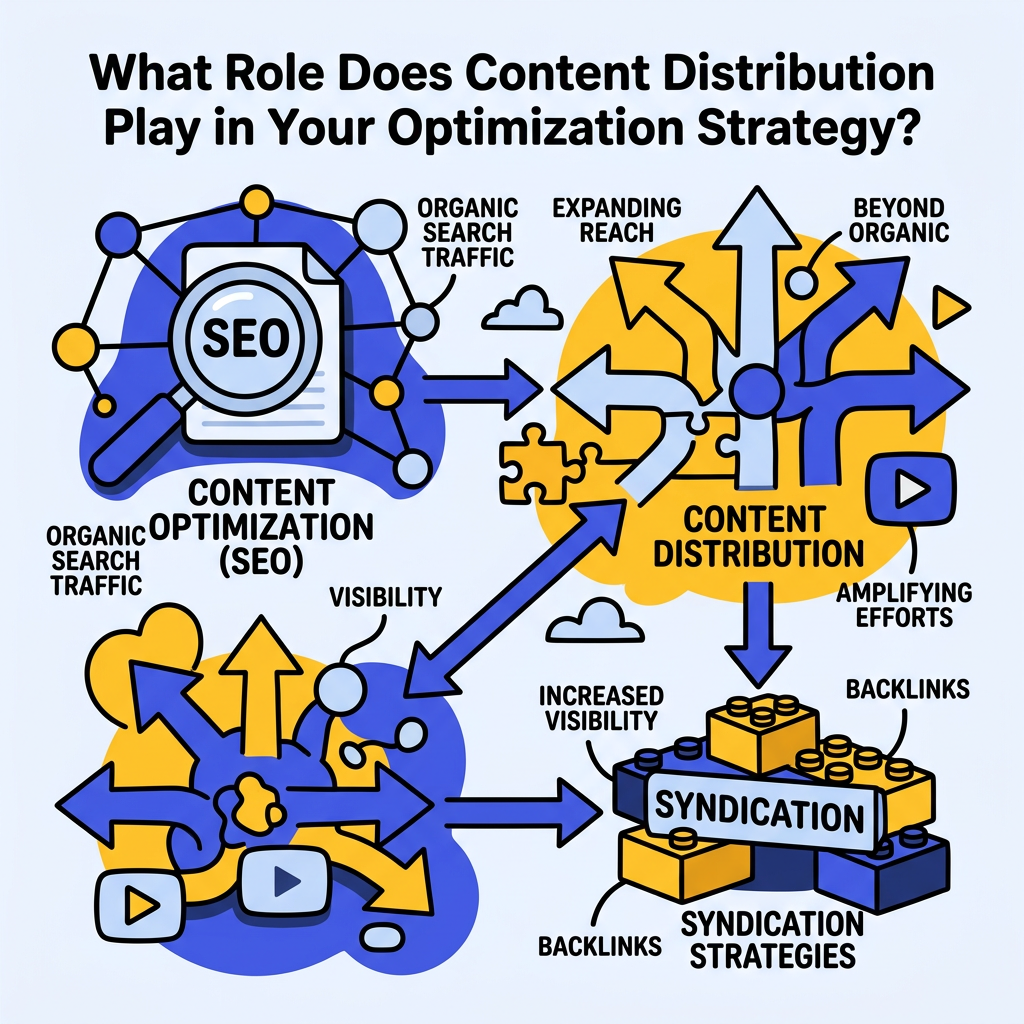
Content distribution amplifies your optimization efforts by expanding your content's reach beyond organic search traffic. Content syndication strategies can significantly increase your content's visibility while building backlinks that improve search authority.
Social media distribution should be tailored to each platform's unique audience and content format preferences. LinkedIn users engage differently with professional content than Instagram users, requiring adapted messaging and presentation styles for maximum effectiveness.
Email marketing remains one of the highest ROI distribution channels for optimized content. Segment your email list based on content preferences and engagement history to deliver more relevant content recommendations that drive repeat website visits.
Measuring Distribution Effectiveness
Track referral traffic from each distribution channel to understand which platforms deliver the most qualified visitors. Quality metrics matter more than volume, so focus on channels that send users who engage meaningfully with your content and take desired actions.
Monitor brand mention increases and backlink acquisition from your distribution efforts. These signals indicate that your content is resonating with audiences and earning natural promotion from other websites and content creators.
How Do You Measure and Improve Your Content Optimization Results?
Effective measurement requires tracking both leading and lagging indicators of content success. Leading indicators like content engagement rate and social sharing predict future performance, while lagging indicators like organic traffic growth and conversion rates show ultimate business impact.
Set up conversion tracking for different content types to understand which formats and topics drive the most valuable user actions. Blog posts might excel at generating email subscribers, while resource pages could drive more direct sales inquiries.
Regular performance reviews should examine content at both individual piece and portfolio levels. Some content serves as traffic drivers while other pieces focus on conversion optimization, requiring different success metrics and optimization approaches.
Creating Your Optimization Improvement Process
Establish monthly content performance reviews that identify both top performers and underperforming pieces. Top performers can be updated and expanded to capture additional keyword opportunities, while underperforming content might need significant restructuring or retirement.
A/B testing different content elements helps identify optimization opportunities specific to your audience. Test headline variations, call-to-action placement, content length, and formatting styles to discover what resonates most effectively with your visitors.
Conclusion
Building a successful content optimization strategy requires systematic planning, consistent execution, and ongoing refinement based on performance data. The most effective strategies balance search engine requirements with genuine user value creation, resulting in content that performs well across multiple business metrics.
Remember that content optimization is an iterative process rather than a one-time project. Search algorithms evolve, user preferences change, and competitive landscapes shift, requiring regular strategy updates to maintain effectiveness.
Start implementing these content optimization strategies gradually, focusing first on your highest-traffic pages and most important conversion paths. As you gain experience and see results, expand your optimization efforts across your entire content portfolio.
Ready to transform your content performance? Begin with a comprehensive audit of your existing content, identify your biggest optimization opportunities, and create an implementation timeline that aligns with your business goals.

Stefan Winter
Founder & SEO Expert
Founder of Fast SEO Fix and SEO automation expert. Stefan built Fast SEO Fix to solve the tedious problem of manual SEO work. He specializes in SEO optimized content generation, keyword research, and automated SEO strategies.
