What Is Content Automation and Why Should You Care?
Posted by
 Stefan Winter
How to Master Content Automation in 2026: A Complete Implementation Guide

Content automation has transformed from a futuristic concept into an essential business strategy. If you're wondering what content automation can do for your organization, you're about to discover a systematic approach that can revolutionize your content creation process. This guide will walk you through everything you need to know about implementing content automation effectively, from understanding its core principles to deploying sophisticated systems that scale your content operations.
What Is Content Automation and Why Should You Care?
Content automation refers to the use of technology, software, and systematic processes to create, manage, distribute, and optimize content with minimal human intervention. Unlike traditional content creation that requires manual effort at every step, content automation leverages artificial intelligence, machine learning, and workflow tools to streamline repetitive tasks while maintaining quality and relevance.
The scope of content automation extends far beyond simple text generation. Modern systems can automatically research topics, analyze competitor content, optimize for search engines, schedule publications across multiple platforms, and even measure performance metrics. This comprehensive approach allows businesses to maintain consistent content output while freeing up human resources for strategic and creative tasks.
What makes content automation particularly valuable in 2026 is its integration with advanced AI models and sophisticated analytics platforms. These systems can now understand context, maintain brand voice consistency, and adapt content based on real-time performance data. The result is a content strategy that operates efficiently while delivering personalized experiences at scale.
How Does Content Automation Actually Work?
Content automation operates through interconnected systems that handle different aspects of the content lifecycle. The process typically begins with data collection, where automated tools gather information about trending topics, keyword opportunities, competitor activities, and audience preferences. This data feeds into content planning algorithms that identify gaps in your content strategy and suggest new topics based on search demand and business objectives.
The creation phase involves multiple automation layers. AI writing assistants generate initial drafts based on predefined parameters, while content optimization tools automatically incorporate relevant keywords and structure the text for maximum search engine visibility. SEO automation tools play a crucial role in this process by ensuring each piece of content meets technical requirements for organic search performance.
Distribution automation handles the complex task of publishing content across various channels at optimal times. These systems can automatically format content for different platforms, create social media snippets, generate email newsletter versions, and even produce video scripts from written content. The entire process operates based on rules and triggers you establish, ensuring consistency while adapting to changing conditions.
What Types of Content Can You Automate?
Blog Posts and Articles
Blog automation represents one of the most mature applications of content automation technology. Modern systems can research topics, create detailed outlines, generate comprehensive articles, and optimize them for search engines. The key to successful blog automation lies in establishing clear guidelines for tone, style, and quality standards that align with your brand voice.
Advanced blog automation systems can analyze your existing high-performing content to understand patterns and replicate successful elements in new posts. They can also monitor trending topics in your industry and automatically create timely content that captures search traffic during peak interest periods.
Social Media Content
Social media automation extends beyond simple scheduling tools to include content creation, audience engagement, and performance optimization. These systems can automatically generate platform-specific content variations, create visual elements, and even respond to common customer inquiries based on predefined parameters.
The most effective social media automation maintains authenticity while ensuring consistent presence across platforms. Modern tools can analyze engagement patterns to determine optimal posting times, content formats, and messaging strategies for different audience segments.
Email Marketing Campaigns
Email automation has evolved to include dynamic content generation based on subscriber behavior, preferences, and lifecycle stages. These systems can automatically create personalized subject lines, body content, and calls-to-action that adapt based on recipient data and previous interactions.
| Content Type | Automation Level | Time Savings | Quality Control Needed |
|---|---|---|---|
| Blog Posts | High | 70-80% | Moderate |
| Social Media | Very High | 85-90% | Low |
| Email Campaigns | High | 75-85% | Moderate |
| Product Descriptions | Very High | 90-95% | Low |
| Video Scripts | Medium | 50-60% | High |
How to Set Up Your First Content Automation System?
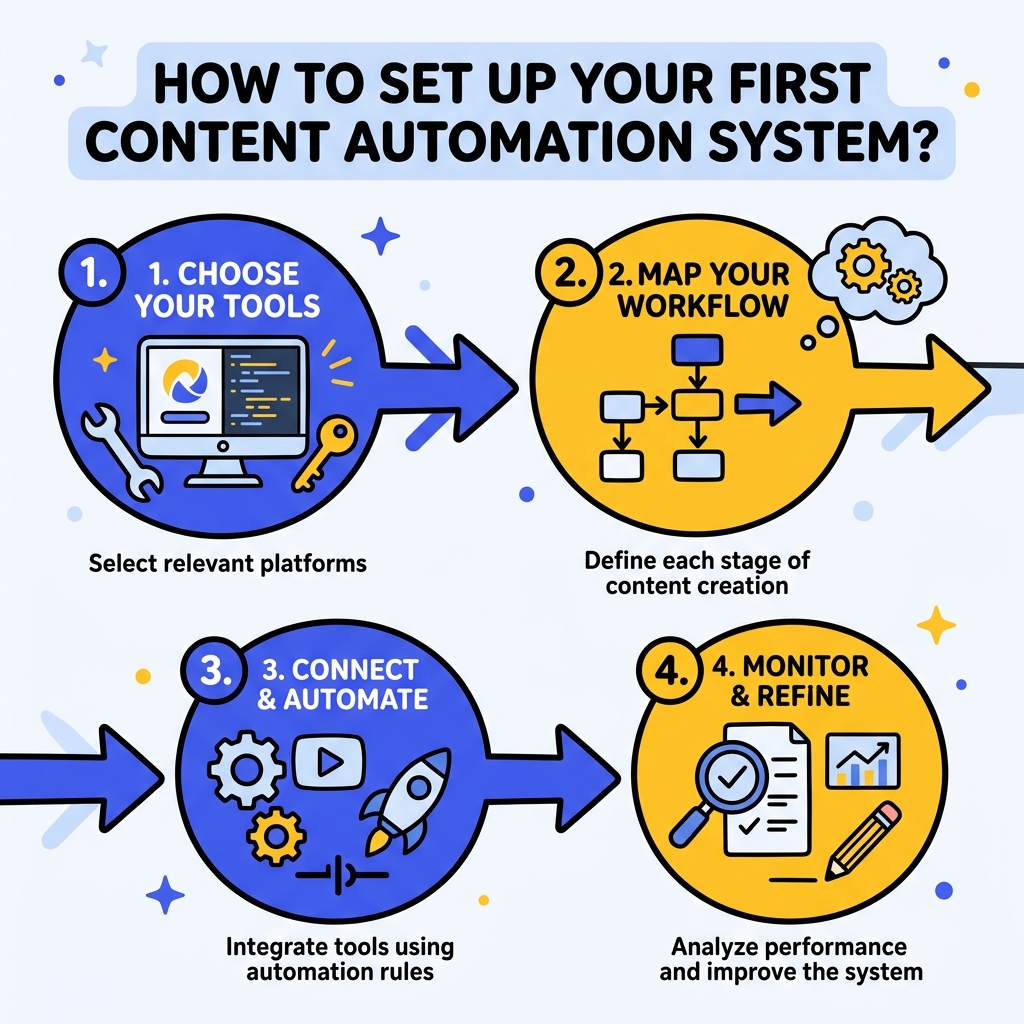
Step 1: Define Your Content Strategy and Goals
Before implementing any automation tools, establish clear objectives for your content program. Identify which types of content drive the most value for your business, understand your audience's preferences, and determine key performance indicators that will measure success. This foundation ensures your automation efforts align with broader business objectives.
Document your brand voice guidelines, content standards, and approval processes. These specifications will serve as parameters for your automation systems, ensuring consistent output that maintains your brand identity. Consider creating content templates and style guides that automation tools can reference during the creation process.
Step 2: Choose the Right Automation Tools
Selecting appropriate tools depends on your specific needs, technical capabilities, and budget constraints. Enterprise-level solutions like HubSpot's Content Hub offer comprehensive automation features, while specialized tools focus on specific aspects like AI writing or social media management.
Evaluate tools based on integration capabilities with your existing systems, scalability for future growth, and the level of customization they offer. The best automation platforms allow you to maintain control over quality while reducing manual effort. Consider starting with one area of content automation and gradually expanding as you gain experience and confidence in the systems.
Step 3: Create Content Templates and Workflows
Develop standardized templates for different content types that include sections for key information, calls-to-action, and optimization elements. These templates serve as blueprints for automated content generation, ensuring consistency across all outputs while allowing for customization based on specific topics or audiences.
Design workflows that define how content moves through your creation, review, and publication process. Automated workflows can include approval gates, quality checks, and distribution triggers that maintain oversight while reducing manual intervention. Implementing structured SEO workflows ensures your automated content meets search engine optimization requirements consistently.
What Are the Key Benefits of Content Automation?
Content automation delivers significant advantages that extend beyond simple time savings. The most immediate benefit is scalability, allowing organizations to produce substantially more content without proportionally increasing their workforce. This expanded capacity enables businesses to target more keywords, serve additional market segments, and maintain consistent communication across multiple channels.
Consistency represents another major advantage of automated systems. Human content creators naturally vary in style, quality, and approach, which can dilute brand messaging over time. Automation systems maintain predetermined standards and voice guidelines, ensuring every piece of content aligns with your brand identity and quality expectations.
Cost efficiency becomes particularly apparent at scale. While initial setup requires investment in tools and training, the long-term cost per piece of content decreases dramatically as automation handles routine tasks. This efficiency allows businesses to allocate human resources to strategic activities like campaign planning, creative development, and relationship building.
How to Maintain Quality in Automated Content?
Establishing Quality Control Checkpoints
Quality maintenance in content automation requires systematic checkpoints throughout the creation process. Implement automated quality checks that flag content falling below predetermined standards for readability, keyword optimization, or factual accuracy. These systems can identify potential issues before content reaches human reviewers, streamlining the quality assurance process.
Human oversight remains essential, particularly for content addressing complex topics or representing your brand in high-stakes situations. Develop review protocols that focus human attention on areas where automation typically struggles, such as nuanced messaging, emotional tone, and strategic alignment with current business priorities.
Continuous Improvement Through Analytics
Monitor performance metrics to identify patterns in automated content success and failure. Use this data to refine your automation parameters, update templates, and improve system outputs over time. The most effective content automation systems incorporate feedback loops that automatically adjust based on performance data.
According to Content Marketing Institute research, organizations that regularly analyze and optimize their automated content see 40% better performance compared to those using static automation rules. This data-driven approach ensures your automation systems evolve with changing audience preferences and market conditions.
What Common Mistakes Should You Avoid?
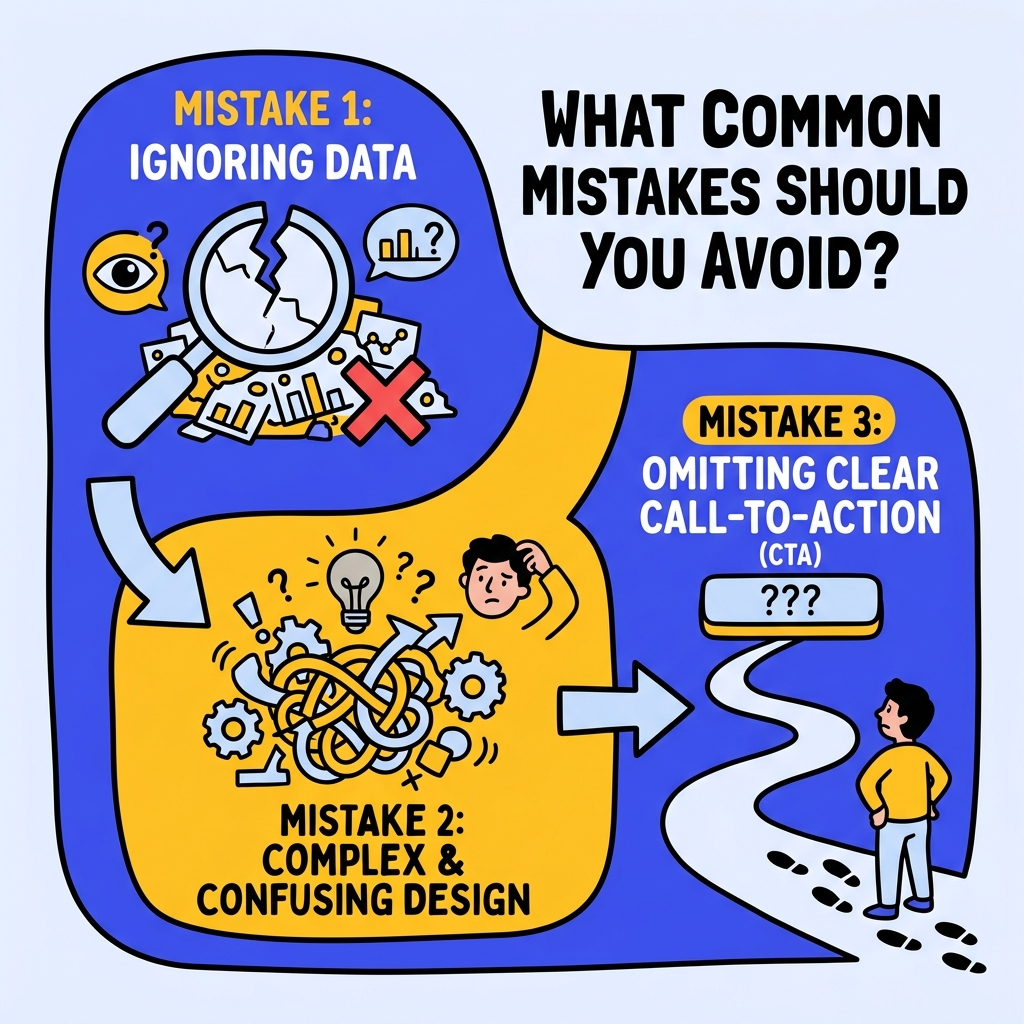
Over-Automating Without Human Oversight
The most significant mistake in content automation is eliminating human involvement entirely. While automation handles routine tasks effectively, human creativity, strategic thinking, and quality judgment remain irreplaceable for high-impact content. Maintain human oversight for strategic decisions, creative direction, and final quality approval.
Avoid automating content types that require deep expertise, emotional intelligence, or real-time responsiveness until your systems demonstrate consistent quality in simpler applications. Gradual expansion allows you to build confidence and refine processes before tackling complex content challenges.
Ignoring Brand Voice Consistency
Automated systems can inadvertently drift from your established brand voice without proper guidelines and monitoring. Regularly audit automated content to ensure it maintains the tone, style, and messaging consistency your audience expects. Update automation parameters as your brand voice evolves or as you identify areas for improvement.
Neglecting SEO Integration
Content automation without proper SEO integration misses significant opportunities for organic traffic growth. Ensure your automation systems incorporate keyword research and content optimization strategies from the beginning rather than treating SEO as an afterthought. This integration maximizes the value of your automated content by ensuring search engine visibility.
How Will Content Automation Evolve in the Coming Years?
The future of content automation points toward increasingly sophisticated AI capabilities and deeper integration with business systems. Advanced natural language processing will enable automation systems to handle more complex content types, including long-form research pieces, technical documentation, and creative storytelling that maintains human-like engagement.
Personalization at scale represents another major evolution area. Future automation systems will create individualized content experiences based on detailed user profiles, behavioral data, and predictive analytics. This level of personalization will extend beyond simple name insertion to include customized messaging, content formats, and delivery timing optimized for each recipient.
Integration with emerging technologies like voice assistants, augmented reality, and interactive media will expand content automation beyond traditional text and images. These developments will require new approaches to SEO writing tools and content optimization strategies as search behavior continues evolving.
Conclusion
Content automation represents a fundamental shift in how organizations approach content creation and distribution. By understanding what content automation involves and implementing systematic approaches to its deployment, businesses can achieve unprecedented scale while maintaining quality and consistency. The key to success lies in thoughtful implementation that balances automation efficiency with human creativity and strategic oversight.
Start your content automation journey by identifying one specific content type or process that consumes significant time and resources. Implement automation gradually, monitor results carefully, and expand your systems based on proven success. Remember that the most effective content automation enhances human capabilities rather than replacing them entirely.
Ready to transform your content strategy with automation? Begin by auditing your current content processes to identify the best opportunities for automation implementation. The investment in proper setup and training will pay dividends through increased efficiency, improved consistency, and enhanced scalability for years to come.

Stefan Winter
Founder & SEO Expert
Founder of Fast SEO Fix and SEO automation expert. Stefan built Fast SEO Fix to solve the tedious problem of manual SEO work. He specializes in SEO optimized content generation, keyword research, and automated SEO strategies.
