What Is a Content Creator, Really?
Posted by
 Stefan Winter
How to Build a Sustainable Career as a Content Creator in 2026
If you've ever wondered whether becoming a content creator is a realistic career path or just a trendy buzzword, the short answer is: it's very real, and it's growing fast. But here's the thing most beginner guides won't tell you. Building a sustainable career as a content creator requires more than posting consistently or chasing viral moments. It requires strategy, technical knowledge, and a clear understanding of how search engines and audiences discover your work. This guide walks you through exactly how to do that, step by step, with practical advice you can start applying today.
What Is a Content Creator, Really?
Before diving into tactics, it's worth grounding yourself in what this role actually involves in 2026.
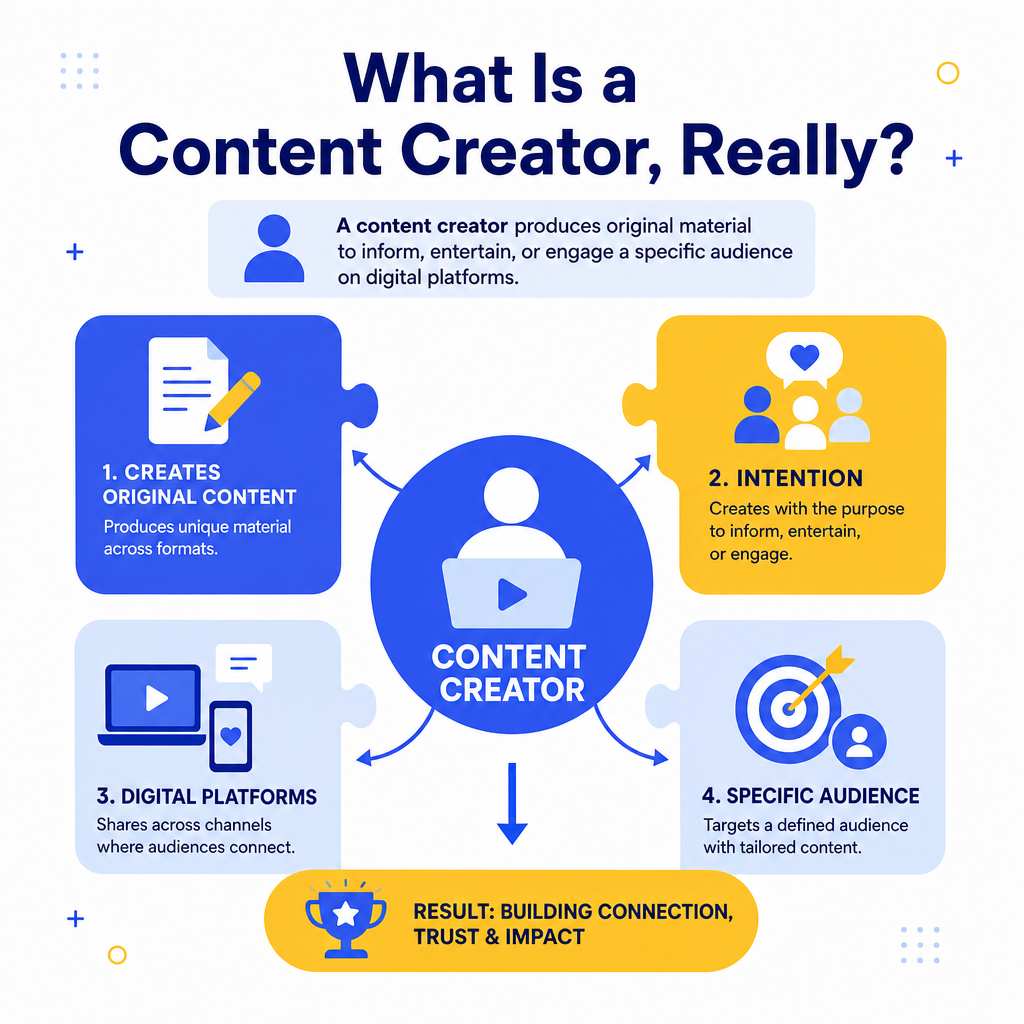
A content creator is anyone who produces original material for digital platforms with the intention of informing, entertaining, or engaging a specific audience. That includes bloggers, video producers, podcasters, newsletter writers, and social media specialists. The term is broad, but the underlying skill set is more focused than most people realize.
Successful content creators are not just writers or videographers. They are strategists who understand audience psychology, researchers who know how to find topics worth covering, and marketers who understand how content drives traffic, trust, and revenue. If you want to build a career in this space, you need to think like all three.
What Platforms Do Content Creators Work On?
Content creators operate across a wide range of platforms, and your choice of platform should align with your strengths and your audience's habits.
- Blogs and websites for long-form, search-driven content
- YouTube for video tutorials, reviews, and storytelling
- Podcasts for audio-first audiences who prefer listening over reading
- Newsletters for direct audience relationships and high engagement
- Social platforms like LinkedIn, Instagram, and TikTok for short-form reach
Step 1: Define Your Niche and Target Audience
The most common mistake new content creators make is trying to appeal to everyone. The creators who build loyal audiences and sustainable income are the ones who go deep on a specific topic for a specific type of person.
Start by asking yourself three questions. What do you know well enough to teach or discuss consistently? Who would benefit most from that knowledge? And is there a gap in existing content that you could fill better than what's currently out there? That last question is where many creators find their real opportunity. Understanding gaps in your niche is something SEO gap analysis can help clarify, especially if you plan to build a search-driven content strategy.
Once you've identified your niche, document your ideal audience profile. Include their age range, professional background, pain points, preferred content format, and the questions they're actively searching for answers to. This profile becomes your compass for every piece of content you create.
Step 2: Build a Search-Driven Content Strategy
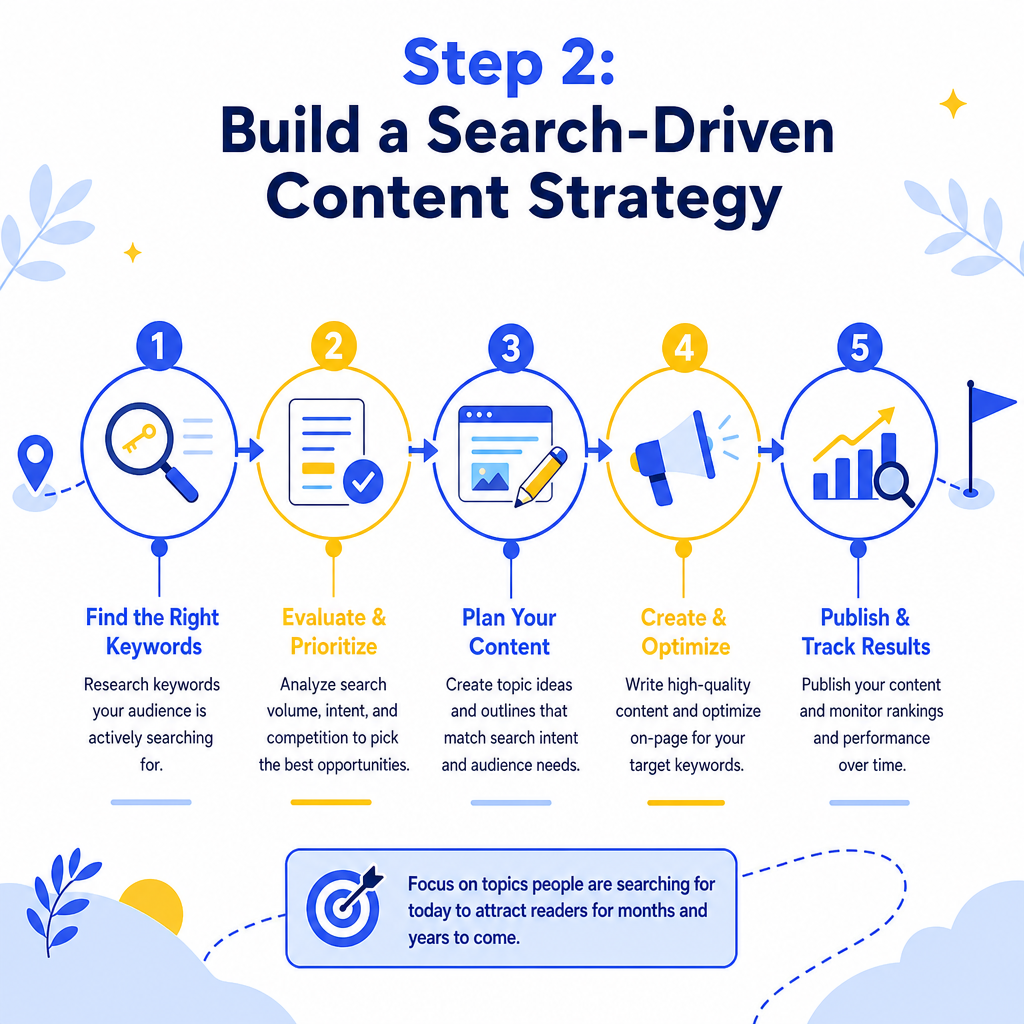
Going viral is unpredictable. Ranking in search is not. A search-driven content strategy means creating content around topics people are actively looking for, so your work continues to attract new readers and viewers long after you publish it.
This approach requires keyword research. You need to understand what your target audience types into Google, YouTube, or other search engines when they're looking for information in your niche. Tools like Google Search Console and keyword research platforms help you identify high-opportunity topics with manageable competition.
Once you have a list of target topics, map them to specific content pieces. Each piece should focus on one primary keyword or question, answer that question thoroughly, and link naturally to related content you've already published. This creates a content ecosystem rather than a collection of disconnected posts. For content creators who publish on websites or blogs, understanding what makes content qualify as SEO content is a foundational skill worth developing early.
How Often Should a Content Creator Publish?
This is one of the most frequently asked questions among new creators, and the honest answer is that consistency matters more than frequency.
Publishing two high-quality, well-researched pieces per week is more valuable than publishing five rushed, thin pieces. Search engines reward content that demonstrates expertise, authority, and trustworthiness. Audiences reward creators who show up reliably with content that genuinely helps them.
A realistic starting point for most creators is one to two pieces of long-form content per week, supplemented by shorter social or newsletter content. As your systems improve and you potentially bring in tools or support, you can scale from there.
Step 3: Master the Technical Side of Content Creation
Many talented creators plateau early because they focus only on the creative side and ignore the technical elements that determine whether their content gets discovered.
For written content creators, this means understanding on-page SEO basics. Your title, meta description, headings, and internal links all send signals to search engines about what your content covers and who it's for. Why blog post structure matters for SEO is a topic worth studying in depth, because even excellent writing can underperform if it's poorly structured.
For video creators, this means optimizing titles, descriptions, and tags on platforms like YouTube, and understanding how thumbnails and watch time affect your content's reach. For podcasters, it means writing detailed show notes that can be indexed by search engines and shared across platforms.
Content Creator Skills Comparison by Platform
| Platform | Core Skill Required | SEO Factor | Monetization Speed |
|---|---|---|---|
| Blog/Website | Writing, keyword research | High | Moderate |
| YouTube | Video production, editing | High | Moderate |
| Podcast | Audio production, storytelling | Low to moderate | Slow |
| Newsletter | Writing, audience building | Low | Moderate to fast |
| Social Media | Short-form content, trends | Low | Varies |
Step 4: Build Systems That Scale
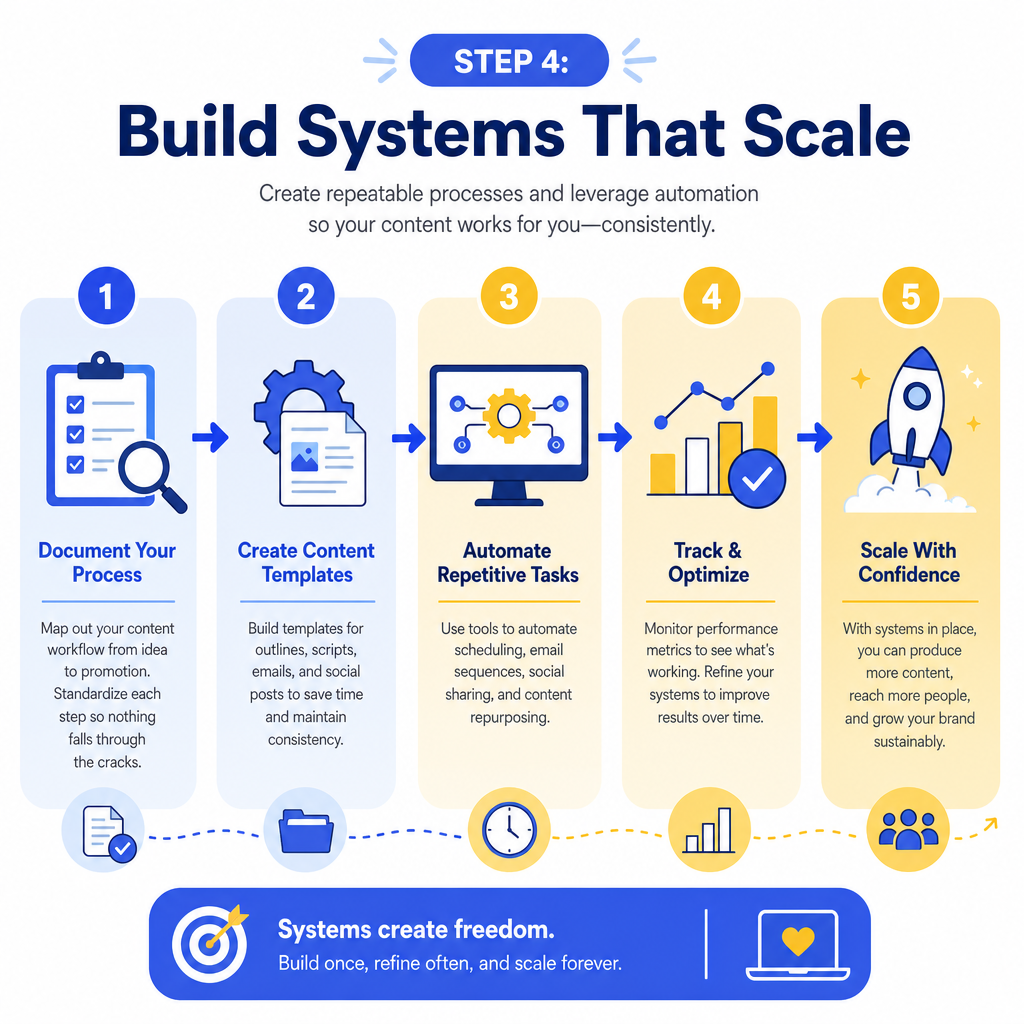
One of the biggest challenges for independent content creators is the sheer volume of work involved. Research, writing, editing, publishing, promoting, and engaging with your audience can quickly become overwhelming if you try to do everything manually.
This is where content systems and automation become genuinely valuable. Creators who build repeatable workflows, content calendars, and templated processes can produce more without sacrificing quality. According to HubSpot's State of Marketing research, marketers who use documented content strategies are significantly more likely to report success than those who operate without one. Having a clear content marketing plan is one of the most practical steps any creator can take to move from reactive publishing to intentional growth.
For creators managing websites or blogs, tools that automate repetitive tasks like scheduling, formatting, or distributing content can free up significant time for the creative and strategic work that actually differentiates you.
Step 5: Monetize Strategically
Monetization is often treated as the end goal, but the most sustainable creator businesses treat it as an ongoing strategy that evolves alongside their audience.
The primary monetization paths for content creators include advertising revenue, sponsored content, affiliate marketing, digital products, memberships, and services like consulting or coaching. Each has different requirements in terms of audience size, engagement, and platform.
The key principle is to monetize in ways that align with your audience's trust in you. Recommending products you genuinely use, creating courses that solve real problems your audience has, or offering services that extend your content's value are all approaches that tend to build long-term income rather than short-term spikes. According to Influencer Marketing Hub's creator economy research, the creator economy continues to expand, with more brands allocating budget to independent creators rather than traditional advertising channels.
Conclusion
Building a career as a content creator in 2026 is genuinely achievable, but it rewards those who combine creativity with strategy. The creators who succeed long-term are the ones who know their audience deeply, build content around what people are searching for, understand the technical factors that drive discoverability, and develop systems that allow them to scale without burning out.
Start with your niche. Build your search strategy. Master the technical basics. Create repeatable systems. And monetize in ways that respect the trust your audience places in you. That's the framework, and it works across every platform and content format.
If you're ready to take your content creation seriously, explore the resources available at Fast SEO Fix to sharpen your SEO knowledge, improve your content structure, and build a search-driven strategy that delivers results over the long term.

Stefan Winter
Founder & SEO Expert
Founder of Fast SEO Fix and SEO automation expert. Stefan built Fast SEO Fix to solve the tedious problem of manual SEO work. He specializes in SEO optimized content generation, keyword research, and automated SEO strategies.
