What Is a Content Automation Platform and Why Do You Need One?
Posted by
 Stefan Winter
TL;DR
Content automation platforms use AI and machine learning to streamline content creation, distribution, and management, helping businesses maintain consistent output across channels while freeing teams to focus on strategy. When selecting a platform, assess your current workflow bottlenecks, budget constraints ($200-1,500/month for most businesses), and prioritize features like content generation, SEO optimization, and integration capabilities that align with your specific needs.
Related reading
What Does It Mean to Be an SEO Expert?
How to Become an SEO Expert in 2026: Your Complete Roadmap The digital landscape is evolving rapidly, and businesses need skilled professionals who can navigate...
The Complete Guide to the Best Free AI Tools for SEO in 2026
The Complete Guide to the Best Free AI Tools for SEO in 2026 The digital marketing landscape has transformed dramatically with artificial intelligence becoming ...
What Drives SEO Writing AI Pricing Models?
How to Navigate SEO Writing AI Pricing: A Complete Cost Analysis Guide for 2026 Choosing the right SEO writing AI tool can transform your content strategy, but ...
How to Choose the Right Content Automation Platform for Your Business in 2026
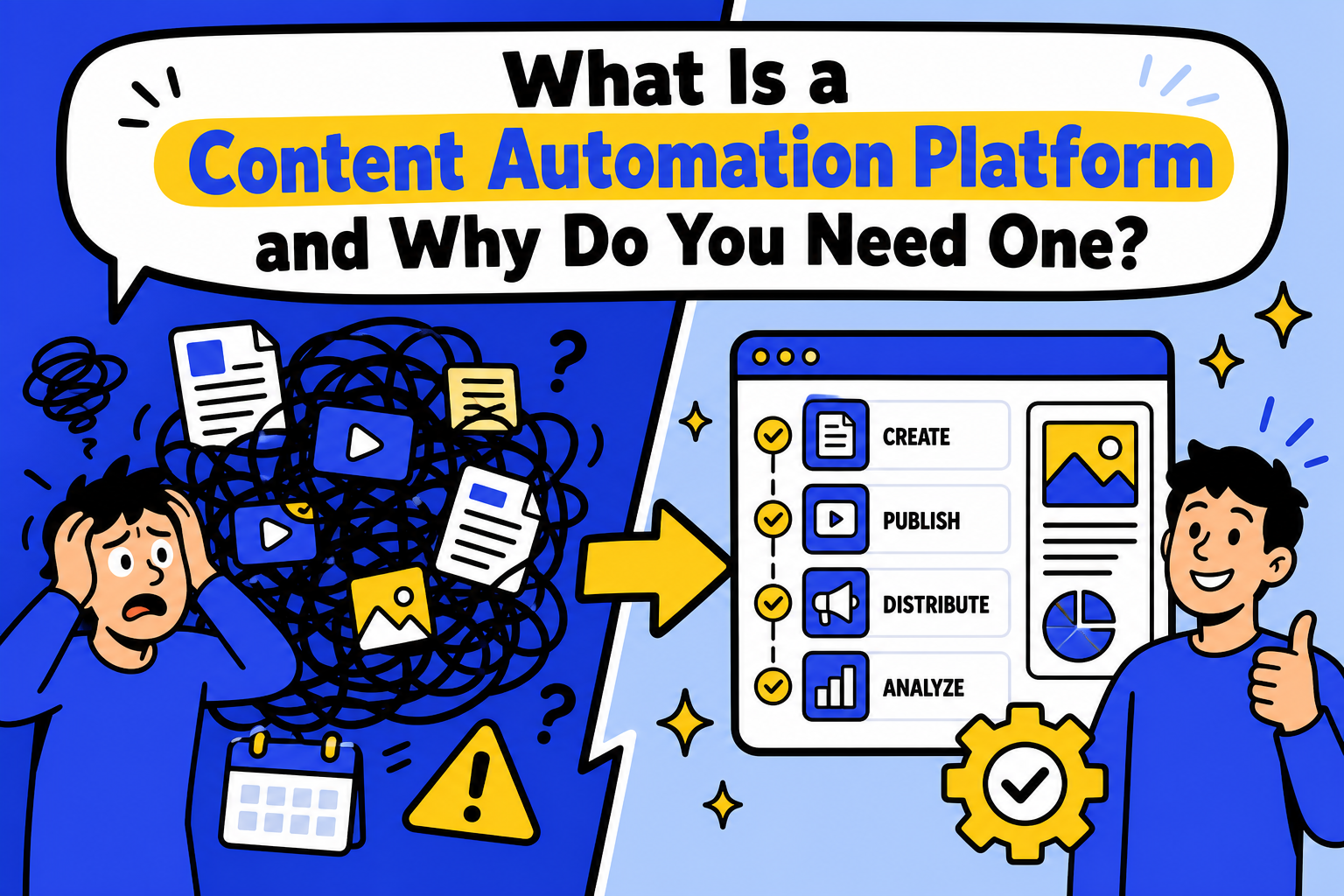
The digital content landscape has evolved dramatically, and businesses are producing more content than ever before. If you're struggling to keep up with content demands while maintaining quality and consistency, a content automation platform might be the solution you need. These powerful tools can streamline your content creation process, reduce manual workload, and help scale your content marketing efforts without sacrificing quality.
In this comprehensive guide, you'll discover how to evaluate and select the perfect content automation platform for your specific business needs, budget, and goals.
What Is a Content Automation Platform and Why Do You Need One?
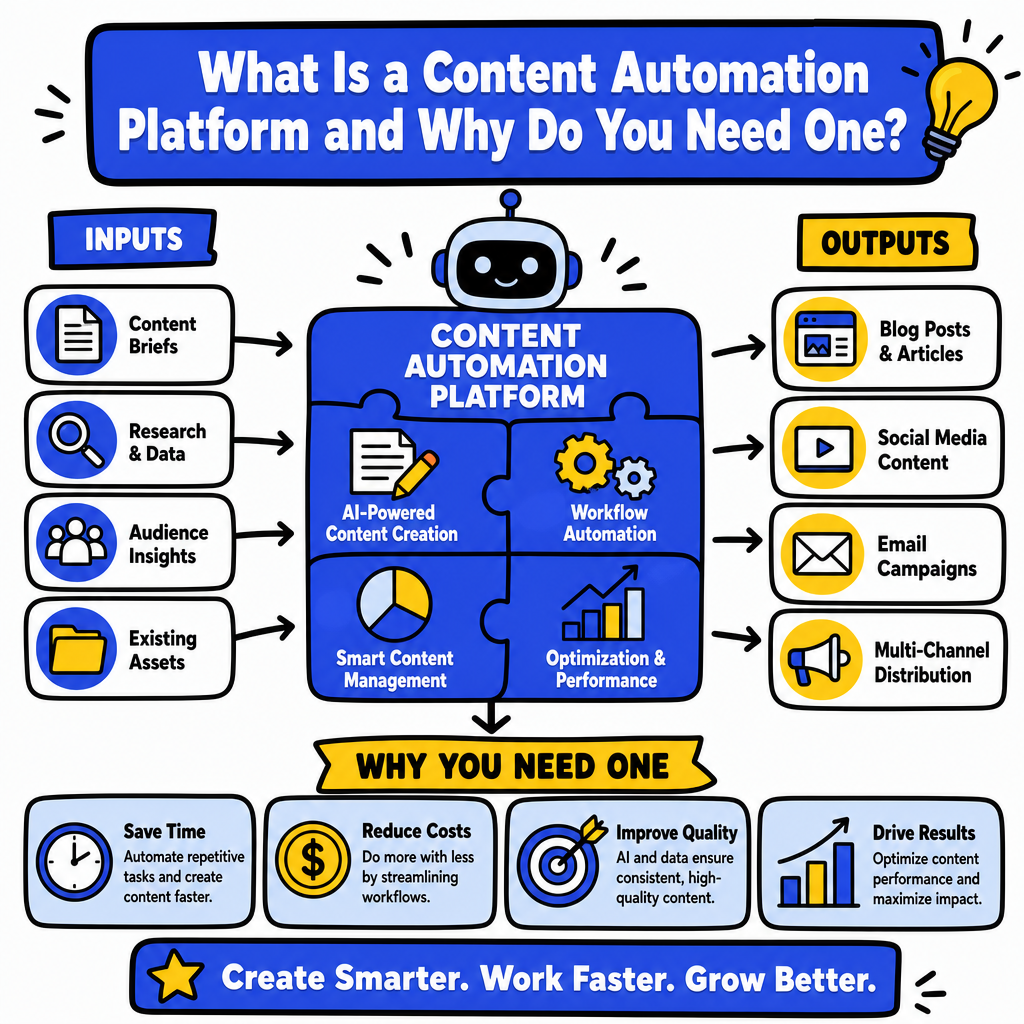
A content automation platform is a comprehensive software solution that uses artificial intelligence, machine learning, and workflow automation to streamline various aspects of content creation, distribution, and management. These platforms can handle everything from generating initial content drafts and optimizing for SEO to scheduling publications and analyzing performance metrics.
The primary benefit lies in efficiency and scalability. While traditional content creation requires significant human resources for research, writing, editing, and publishing, automation platforms can handle many of these tasks simultaneously. This doesn't replace human creativity and strategy but rather amplifies your team's capabilities.
Modern businesses face increasing pressure to maintain consistent content output across multiple channels. A quality content automation platform addresses this challenge by standardizing processes, ensuring brand consistency, and freeing up your team to focus on high-level strategy and creative direction.
How to Assess Your Current Content Creation Challenges
Before selecting any automation solution, you need a clear understanding of your existing pain points and bottlenecks. Start by conducting a thorough audit of your current content workflow.
Document every step in your content creation process, from initial ideation to final publication. Note how much time each stage requires and identify where delays typically occur. Common bottlenecks include keyword research, content brief creation, first draft writing, editing cycles, and approval processes.
Consider your team's skill gaps and resource limitations. Perhaps your writers excel at creative content but struggle with technical SEO optimization. Or maybe you have strong strategists but insufficient writing capacity to execute all planned content. Understanding these gaps will help you prioritize which automation features matter most for your specific situation.
What Budget Range Should You Expect?
Content automation platforms vary significantly in pricing, typically ranging from $50 per month for basic tools to $5,000+ monthly for enterprise solutions. Most business-grade platforms fall between $200-1,500 per month, depending on features, user limits, and content volume.
When budgeting, factor in implementation costs, training time, and potential integration expenses. Some platforms require technical setup or custom configurations that may need developer assistance. Additionally, consider the learning curve and temporary productivity dip as your team adapts to new workflows.
Key Features to Evaluate in Any Content Automation Platform
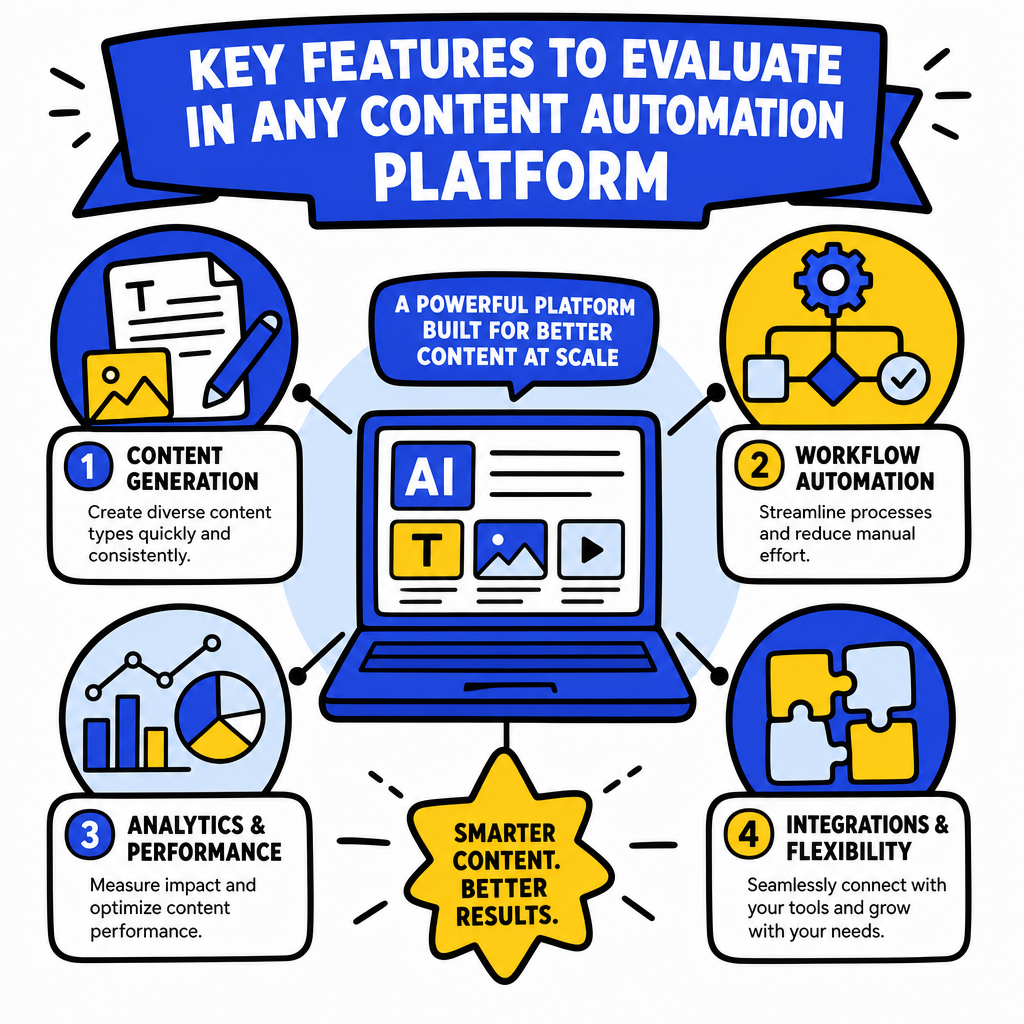
The feature set you prioritize should align directly with your identified challenges and business objectives. However, certain core capabilities are essential for most organizations.
Content generation capabilities represent the heart of most platforms. Look for tools that can produce various content types relevant to your needs, whether blog posts, social media content, product descriptions, or email campaigns. The best platforms offer customizable templates and tone settings to match your brand voice.
SEO optimization features are crucial for content that needs to rank in search results. This includes keyword research integration, content optimization suggestions, and performance tracking. Strategic content creation requires a deep understanding of how automation tools can support your SEO objectives.
Workflow management and collaboration tools become increasingly important for larger teams. Features like content calendars, approval workflows, multi-user editing, and project tracking can significantly improve team coordination and reduce bottlenecks.
How Important Are Integration Capabilities?
Integration capabilities often determine how smoothly a content automation platform fits into your existing tech stack. Most businesses use multiple tools for different aspects of marketing and content management, so seamless data flow between systems is essential.
Priority integrations typically include your content management system (WordPress, HubSpot, etc.), social media management tools, email marketing platforms, and analytics software. Some platforms also integrate with project management tools, customer relationship management systems, and design software.
API availability provides flexibility for custom integrations or future tool additions. Even if you don't need custom integrations immediately, having this option protects your investment as your needs evolve.
Step-by-Step Platform Evaluation Process
Begin your evaluation with a comprehensive requirements document. List all must-have features, nice-to-have capabilities, and absolute deal-breakers. Include technical requirements like user limits, content volume needs, and security standards.
Create a scoring matrix to objectively compare platforms. Weight different criteria based on their importance to your business. For example, if SEO optimization is critical, give those features higher weight in your scoring system.
| Evaluation Criteria | Weight (1-5) | Platform A Score | Platform B Score | Platform C Score |
|---|---|---|---|---|
| Content Quality | 5 | 4 | 3 | 5 |
| SEO Features | 4 | 5 | 4 | 3 |
| Integration Options | 3 | 3 | 5 | 4 |
| User Interface | 3 | 4 | 4 | 5 |
| Pricing Value | 4 | 3 | 5 | 2 |
| Customer Support | 2 | 4 | 3 | 4 |
What Questions Should You Ask During Vendor Demos?
Prepare targeted questions that reveal important details about implementation, support, and long-term viability. Ask about onboarding timelines, training resources, and what level of support is included in your pricing tier.
Inquire about content quality controls and customization options. How does the platform ensure brand consistency? Can you adjust tone, style, and formatting preferences? What editing and approval workflows are available?
Technical questions should cover data security, backup procedures, and platform reliability. Understanding uptime guarantees, data ownership policies, and export capabilities protects your business interests.
How to Test Platform Performance Before Committing
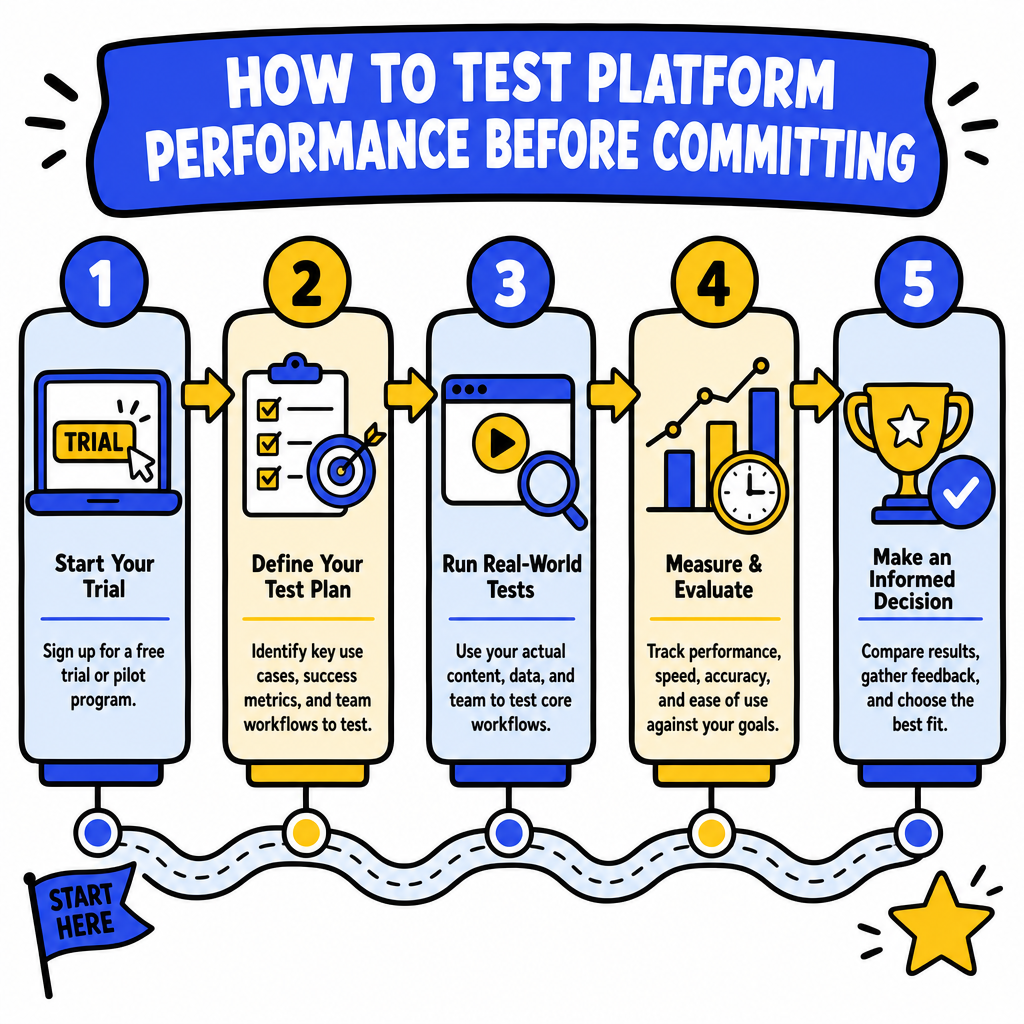
Most reputable content automation platforms offer free trials or pilot programs. Take advantage of these opportunities to test real-world performance with your actual content needs and team workflows.
During your trial period, focus on practical testing rather than exploring every feature. Create content similar to what you'll need regularly, using your typical keywords, topics, and brand guidelines. This approach provides realistic insights into daily usability and output quality.
Involve multiple team members in the testing process. Different users will discover different strengths and limitations. Content creators might focus on writing assistance features, while managers evaluate workflow and reporting capabilities. SEO automation software often requires input from both technical and creative team members to fully evaluate its potential impact.
Track specific metrics during your trial period. Measure content creation time, editing requirements, and overall team satisfaction. Document any technical issues, feature limitations, or workflow disruptions you encounter.
How to Measure ROI During Your Trial Period?
Establish baseline metrics before implementing any automation platform. Track current content production rates, quality scores, and resource allocation. This data becomes essential for measuring improvement and calculating return on investment.
During the trial, monitor both quantitative and qualitative changes. Quantitative metrics include content volume, production speed, and cost per piece. Qualitative factors encompass team satisfaction, content consistency, and creative freedom gained through automation.
Consider long-term implications beyond immediate productivity gains. How might the platform support future growth plans? Could it enable new content types or distribution channels? These strategic benefits often justify higher initial investments.
Common Implementation Pitfalls and How to Avoid Them
Many businesses rush into implementation without adequate planning, leading to user resistance and suboptimal results. Successful platform adoption requires thoughtful change management and realistic timeline expectations.
Start with a limited rollout involving a small team or specific content types. This approach allows you to refine workflows, identify issues, and build internal expertise before full deployment. Gradual implementation also provides opportunities to demonstrate value and build enthusiasm among skeptical team members.
Training and support are critical success factors often underestimated during platform selection. Ensure your chosen platform provides comprehensive onboarding resources, ongoing training materials, and responsive customer support. Content marketing tools require ongoing optimization and adjustment to deliver maximum value.
Maintain realistic expectations about automation capabilities and limitations. While these platforms can significantly improve efficiency and consistency, they don't replace human judgment, creativity, and strategic thinking. The most successful implementations combine automation efficiency with human oversight and creative input.
Conclusion
Selecting the right content automation platform requires careful evaluation of your specific needs, thorough testing of potential solutions, and strategic implementation planning. The investment in time and resources for proper platform selection pays dividends through improved content quality, increased production efficiency, and enhanced team satisfaction.
Remember that the best platform for your business aligns with your current challenges while supporting future growth objectives. Focus on practical functionality over impressive feature lists, and prioritize platforms that integrate well with your existing workflows and tools.
Ready to transform your content creation process? Start by documenting your current challenges and requirements, then use this guide to systematically evaluate your options. The right content automation platform can become a game-changing asset for your content marketing strategy.
Frequently Asked Questions
A content automation platform uses AI and machine learning to streamline content creation, from generating drafts and optimizing for SEO to scheduling publications and analyzing performance metrics. It handles repetitive tasks while allowing human teams to focus on strategy and creative direction.
Pricing ranges from $50/month for basic tools to $5,000+ for enterprise solutions, with most business-grade platforms falling between $200-1,500 monthly. Budget should also account for implementation costs, training time, and potential integration expenses.
Priority features include content generation capabilities for your specific content types, SEO optimization tools with keyword research integration, workflow management and collaboration features, and strong integration capabilities with your existing tech stack.
Start by auditing your current content workflow to identify bottlenecks, document your team's skill gaps and resource limitations, create a requirements document listing must-have features, and use a scoring matrix to objectively compare platforms based on your weighted criteria.
No, content automation platforms amplify your team's capabilities rather than replace them. They handle repetitive tasks and increase efficiency, allowing your team to focus on high-level strategy, creative direction, and quality assurance instead of manual content production.

Stefan Winter
Founder & SEO Expert
Founder of Fast SEO Fix and SEO automation expert. Stefan built Fast SEO Fix to solve the tedious problem of manual SEO work. He specializes in SEO optimized content generation, keyword research, and automated SEO strategies.
