What Exactly Is Strategic Content Creation?
Posted by
 Stefan Winter
How to Master Content Creation: A Complete Guide for Website Success in 2026
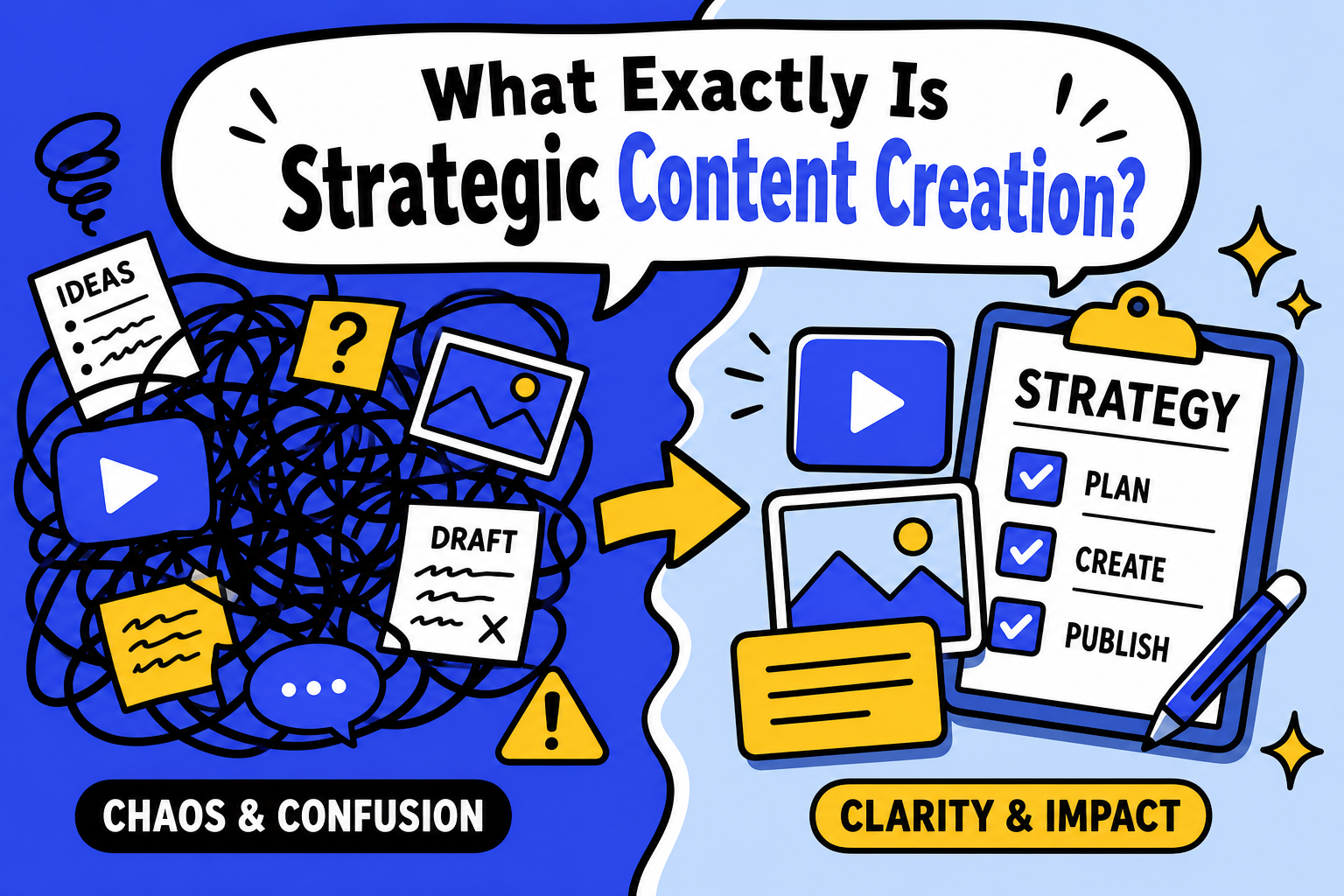
Content creation has become the backbone of digital marketing success, yet many businesses struggle to produce content that truly resonates with their audience and drives measurable results. Whether you're a small business owner, marketing professional, or entrepreneur, understanding how to create compelling content that ranks well in search engines while engaging your target audience is essential for online growth.
In this comprehensive guide, you'll discover proven strategies for developing a content creation process that delivers consistent results. From planning and research to production and optimization, we'll walk through each step needed to transform your content from mediocre to remarkable.
What Exactly Is Strategic Content Creation?
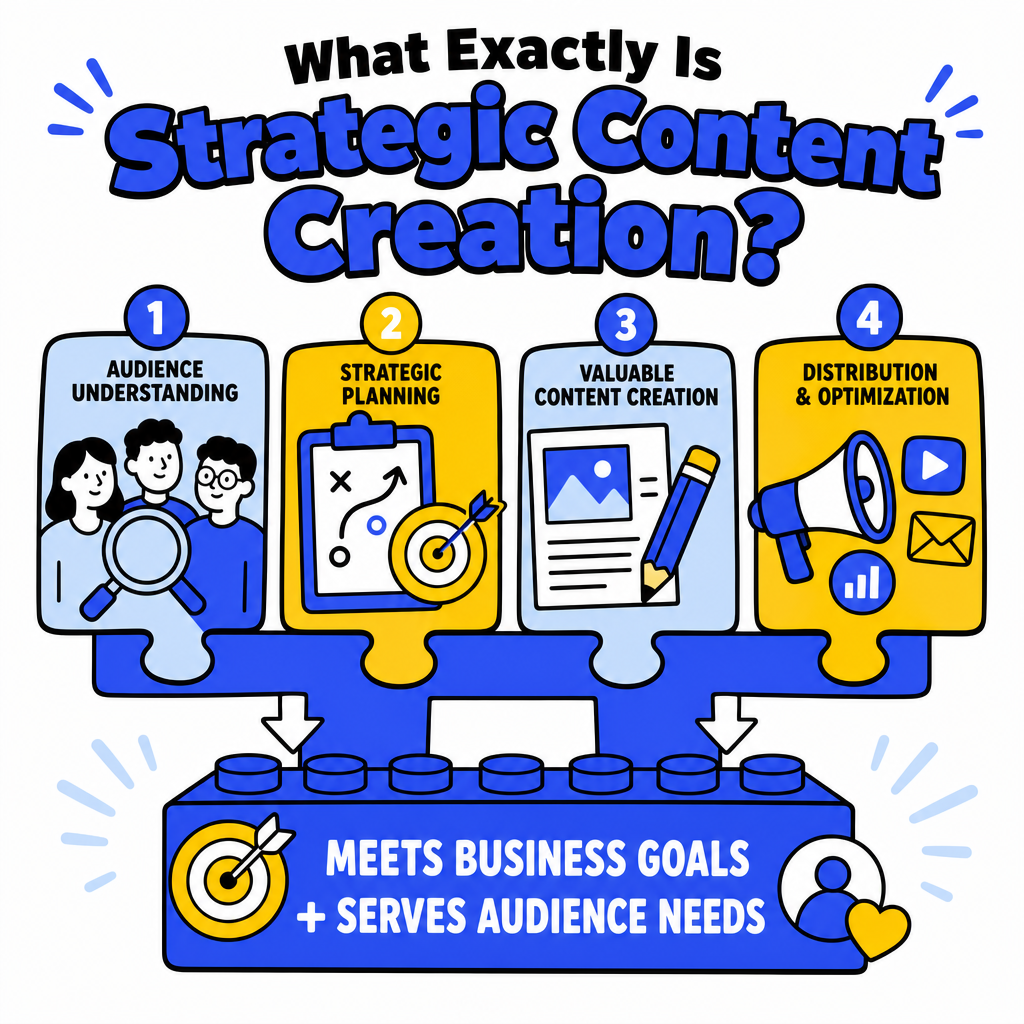
Strategic content creation goes far beyond simply writing blog posts or posting on social media. It's a systematic approach to developing valuable, relevant content that serves specific business objectives while meeting your audience's needs and search intent.
Effective content creation combines creativity with data-driven insights. It requires understanding your target audience's pain points, preferences, and behavior patterns, then crafting content that provides genuine solutions. This approach ensures every piece of content you produce serves a purpose in your broader marketing strategy.
The most successful content creators in 2026 treat their work as a science, not just an art. They use analytics, keyword research, and user feedback to guide their decisions, resulting in content that performs better in search engines and generates higher engagement rates.
How Do You Build a Content Creation Strategy That Works?
Building an effective content creation strategy starts with establishing clear objectives and understanding your audience deeply. Your strategy should align with your business goals while addressing the specific challenges and interests of your target market.
Begin by conducting thorough audience research. Create detailed buyer personas that include demographic information, pain points, content preferences, and typical customer journey stages. This foundation will guide every content decision you make moving forward.
Next, perform comprehensive keyword research to identify topics your audience actively searches for. Tools like Google Keyword Planner, SEMrush, or Ahrefs can help you discover high-value keywords with reasonable competition levels. Focus on long-tail keywords that indicate strong purchase intent or information-seeking behavior.
What Types of Content Should You Prioritize?
Different content formats serve different purposes in your marketing funnel. Blog posts excel at driving organic traffic and establishing thought leadership, while videos often generate higher engagement rates on social media platforms.
Consider your audience's content consumption habits when choosing formats. B2B audiences might prefer detailed whitepapers and case studies, while B2C audiences often engage more with visual content like infographics and short videos. The key is matching content types to both audience preferences and your available resources.
| Content Type | Best For | Time Investment | ROI Potential |
|---|---|---|---|
| Blog Posts | SEO, Thought Leadership | Medium | High |
| Videos | Engagement, Social Media | High | Very High |
| Infographics | Complex Data, Shareability | Medium | Medium |
| Podcasts | Authority Building | High | High |
| Case Studies | Sales Support | Medium | Very High |
How Can You Streamline Your Content Creation Process?
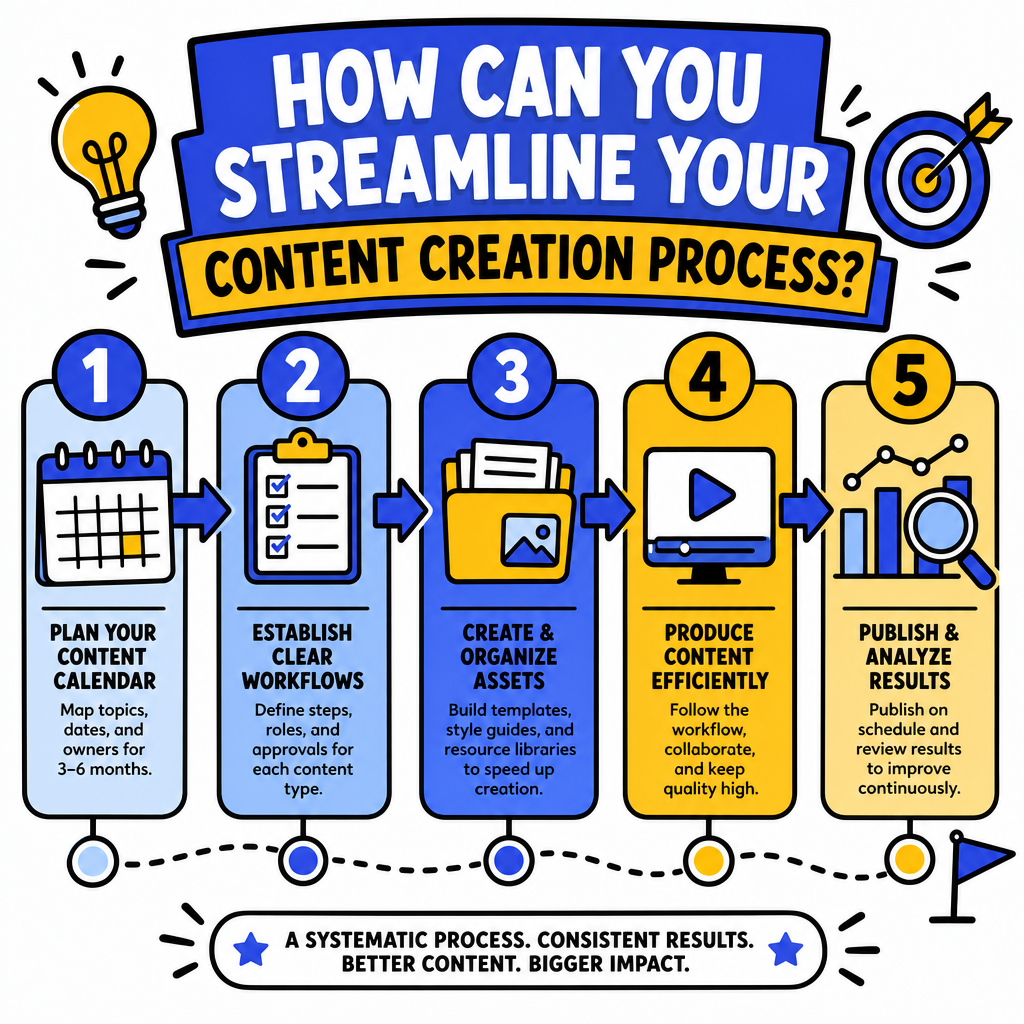
Developing a systematic content creation process eliminates guesswork and ensures consistent quality across all your content. Start by creating a content calendar that maps out topics, publication dates, and responsible team members for the next three to six months.
Establish clear workflows for each stage of content development. This includes ideation sessions, outline approval, writing or production, editing, SEO optimization, and publication. Having defined processes prevents bottlenecks and ensures nothing falls through the cracks.
Consider using content marketing tools to automate repetitive tasks and maintain consistency. Project management platforms like Asana or Trello can help coordinate team efforts, while tools like Grammarly ensure writing quality across different contributors.
What Role Does SEO Play in Content Creation?
SEO integration should be woven throughout your content creation process, not treated as an afterthought. This means considering search intent, keyword placement, and technical optimization from the initial planning stages through final publication.
Research shows that content optimized for search engines from the beginning performs significantly better than content that's retrofitted with SEO elements later. According to HubSpot's marketing research, companies that prioritize SEO in their content creation see 13 times more ROI than those that don't.
When creating content, focus on matching search intent rather than simply stuffing keywords. Google's algorithms have become sophisticated enough to understand context and user intent, rewarding content that genuinely answers searcher questions over content that merely includes target keywords.
How Do You Create Content That Actually Converts?
Converting content goes beyond attracting visitors to your website. It guides readers through your sales funnel by addressing their concerns, building trust, and presenting clear next steps. Understanding what makes a blog post convert is crucial for maximizing your content's business impact.
Every piece of content should include strategic calls-to-action (CTAs) that feel natural and valuable to readers. Instead of generic "Contact Us" buttons, use specific CTAs that relate directly to the content topic. For example, a post about email marketing might include a CTA for a free email template download.
Social proof elements like customer testimonials, case study results, or industry statistics can significantly boost conversion rates. When readers see evidence that others have succeeded using your recommendations, they're more likely to take action themselves.
How Can You Measure Content Creation Success?
Measuring content performance requires tracking both quantitative and qualitative metrics. Page views and time on page provide insights into content appeal, while conversion rates and lead generation indicate business impact.
Set up Google Analytics goals to track specific actions you want readers to take after consuming your content. This might include newsletter signups, resource downloads, or contact form submissions. These metrics help you understand which content types and topics drive the most valuable engagement.
Don't overlook qualitative feedback from comments, social media interactions, and direct customer feedback. This information often reveals insights that analytics alone can't provide, helping you refine your content creation approach over time.
What Tools and Resources Accelerate Content Creation?
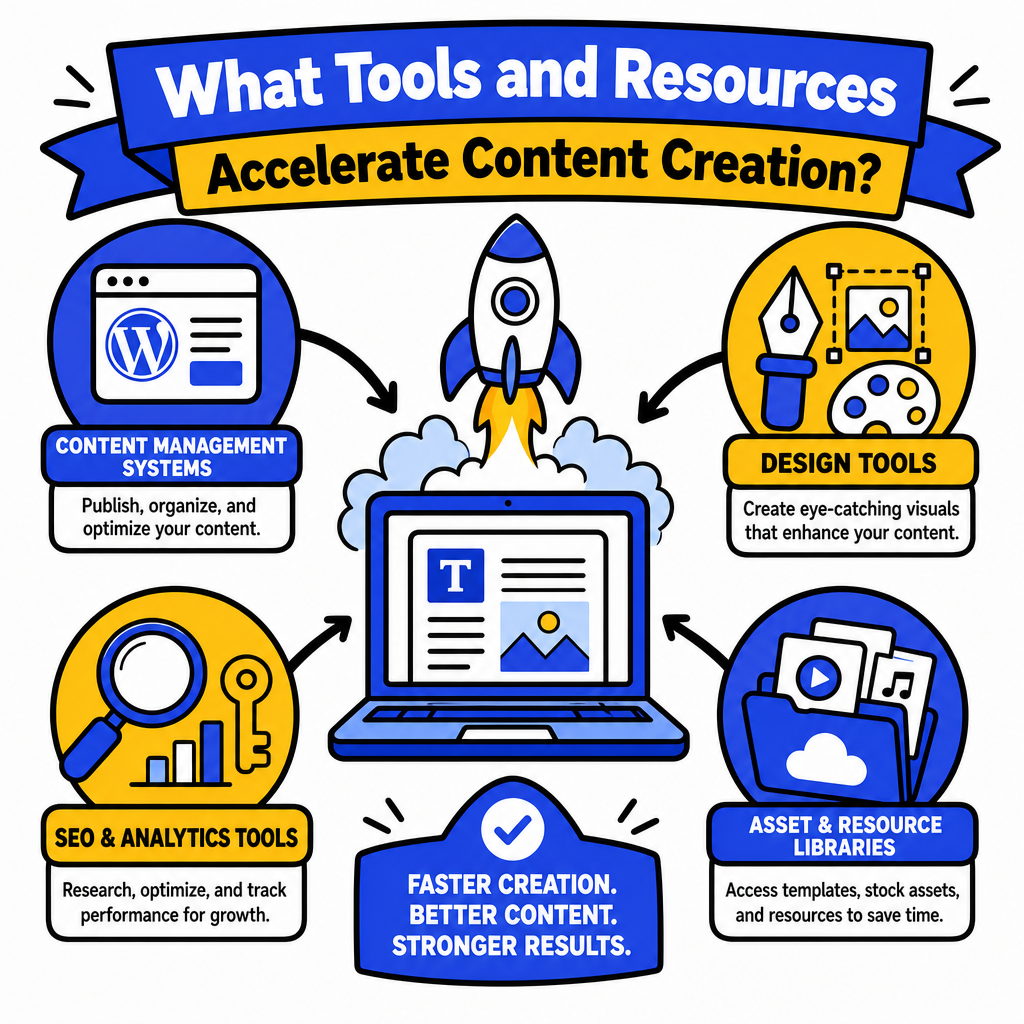
The right tools can dramatically improve your content creation efficiency and quality. Content management systems like WordPress or HubSpot provide robust platforms for publishing and optimizing content, while design tools like Canva or Adobe Creative Suite help create visual elements that enhance your message.
Research tools are equally important for maintaining content quality and relevance. BuzzSumo helps identify trending topics in your industry, while AnswerThePublic reveals common questions your audience asks about specific subjects. These insights ensure your content addresses real user needs rather than assumed interests.
Consider investing in professional SEO consulting services if content creation is critical to your business but you lack internal expertise. Professional guidance can help you avoid common mistakes and implement advanced strategies that deliver better results faster.
How Do You Scale Content Creation Effectively?
Scaling content creation without sacrificing quality requires systematic approaches and often additional resources. Start by documenting your successful content creation processes so they can be replicated by new team members or freelancers.
Template creation can significantly speed up content development. Develop templates for common content types like blog posts, social media updates, and email newsletters. These templates ensure consistency while reducing the time needed to create new content.
Building a network of reliable freelance writers, designers, and editors allows you to increase content volume during busy periods without hiring full-time staff. Establish clear brand guidelines and quality standards to maintain consistency across different contributors.
Conclusion
Mastering content creation in 2026 requires combining strategic thinking with systematic execution. By understanding your audience deeply, developing clear processes, and measuring results consistently, you can create content that not only ranks well in search engines but also drives meaningful business results.
Remember that successful content creation is an iterative process. Start with the fundamentals covered in this guide, then refine your approach based on performance data and audience feedback. The businesses that commit to continuous improvement in their content creation efforts will see the greatest long-term success.
Ready to transform your content creation strategy? Start by auditing your current content performance and identifying the biggest opportunities for improvement. Focus on implementing one new strategy at a time to ensure sustainable growth in your content marketing efforts.

Stefan Winter
Founder & SEO Expert
Founder of Fast SEO Fix and SEO automation expert. Stefan built Fast SEO Fix to solve the tedious problem of manual SEO work. He specializes in SEO optimized content generation, keyword research, and automated SEO strategies.
