What Are Content Marketing Tools and Why Do They Matter?
Posted by
 Stefan Winter
How to Choose the Right Content Marketing Tools for Your Business in 2026

Creating compelling content consistently is one of the biggest challenges businesses face today. With the right content marketing tools, you can streamline your workflow, improve quality, and scale your efforts effectively. This guide will walk you through selecting the perfect toolkit for your content marketing needs, from planning and creation to distribution and analytics.
What Are Content Marketing Tools and Why Do They Matter?
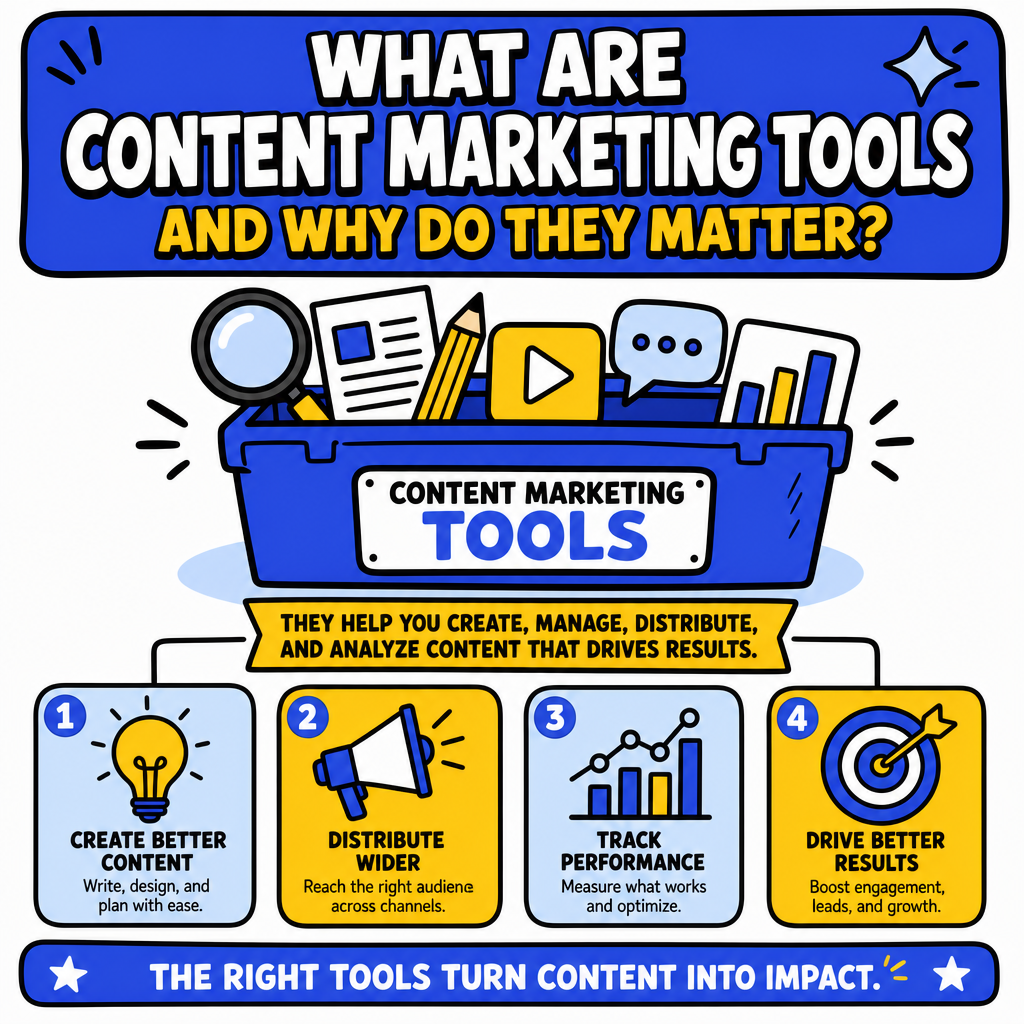
Content marketing tools are software solutions designed to help businesses create, manage, distribute, and analyze their content marketing efforts. These platforms range from simple writing assistants to comprehensive suites that handle everything from keyword research to performance tracking.
The modern content landscape demands efficiency and quality at scale. Manual processes that worked five years ago simply can't keep up with today's content demands. Businesses publishing multiple pieces per week need systematic approaches to maintain consistency while delivering value to their audiences.
Smart tool selection can transform your content operations. Instead of juggling multiple disconnected processes, the right platform creates a unified workflow that saves time and improves results. This becomes especially critical when you consider that effective content strategy requires careful planning and execution.
How to Assess Your Content Marketing Needs
Before diving into tool selection, conduct an honest assessment of your current content operations. Start by mapping your existing workflow from initial idea generation through final performance analysis. Identify bottlenecks where tasks take longer than necessary or quality suffers due to rushed processes.
Consider your team size and skill levels. A solo entrepreneur needs different capabilities than a marketing team of ten. Evaluate technical expertise within your organization, as some tools require more setup and maintenance than others. Factor in your content volume goals and the types of content you produce most frequently.
Budget considerations extend beyond initial subscription costs. Calculate the time savings potential of automation features and weigh that against tool expenses. Many businesses discover that investing in quality tools actually reduces overall content costs by improving efficiency and reducing the need for extensive revisions.
Essential Categories of Content Marketing Tools
Understanding the main tool categories helps you build a comprehensive stack without unnecessary overlap. Each category serves specific functions in your content marketing pipeline.
Content Planning and Strategy Tools
Strategic planning tools help you develop editorial calendars, conduct competitive analysis, and align content with business objectives. These platforms typically include features for brainstorming, content gap analysis, and collaboration among team members. Look for solutions that integrate with your existing project management systems.
Popular options in this category include comprehensive platforms that combine planning with execution capabilities. The best tools provide templates for different content types and allow you to track content performance against strategic goals.
Content Creation and Optimization Platforms
Creation tools focus on the actual writing, editing, and optimization process. Modern platforms incorporate AI assistance for generating ideas, improving readability, and ensuring SEO optimization. However, remember that converting blog posts requires more than just good writing.
Advanced creation tools include features like plagiarism checking, brand voice consistency, and collaborative editing. Some platforms specialize in specific content types like social media posts, while others handle long-form content more effectively.
Distribution and Social Media Management
Distribution tools automate the process of sharing content across multiple channels. These platforms typically include scheduling capabilities, cross-platform posting, and basic engagement tracking. The most effective solutions allow you to customize content for each platform while maintaining consistent messaging.
Integration capabilities become crucial here. Your distribution tools should connect seamlessly with your analytics platforms to provide complete performance visibility.
How to Evaluate Content Marketing Tools Effectively
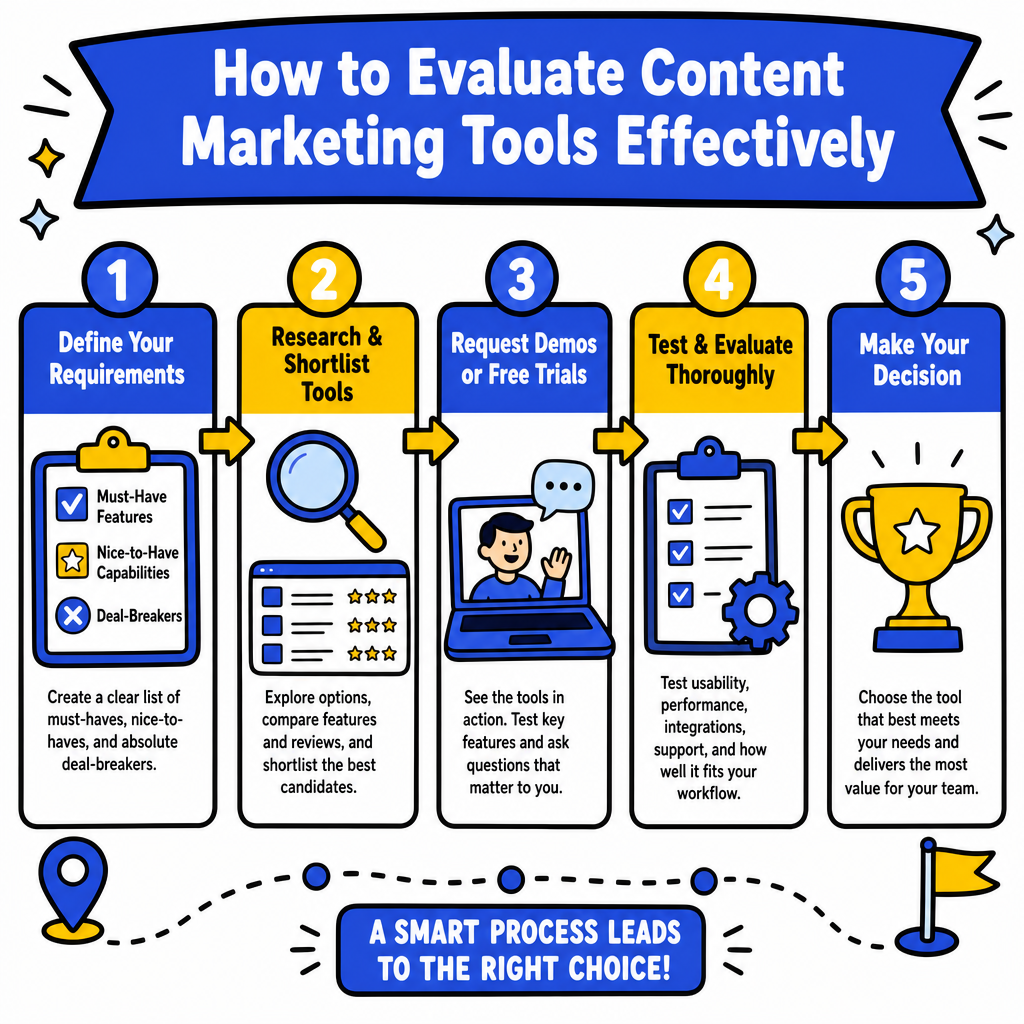
Start your evaluation process by creating a detailed requirements list. Include must-have features, nice-to-have capabilities, and absolute deal-breakers. This framework prevents you from getting distracted by flashy features that don't address your core needs.
Request demonstrations or free trials whenever possible. Most reputable platforms offer trial periods that allow you to test functionality with real content projects. During trials, focus on daily usability rather than impressive features you might use occasionally.
Pay attention to learning curve requirements. Tools that require extensive training might slow down your content production initially. Balance advanced capabilities with ease of adoption, especially if multiple team members will use the platform.
| Tool Category | Key Features to Evaluate | Average Monthly Cost Range |
|---|---|---|
| Content Planning | Editorial calendars, collaboration, analytics | $50-$300 |
| Writing/Editing | AI assistance, SEO optimization, grammar checking | $20-$200 |
| Social Distribution | Multi-platform posting, scheduling, engagement tracking | $30-$500 |
| Analytics | Performance tracking, ROI measurement, reporting | $100-$1000 |
What Features Should You Prioritize?
Integration capabilities should top your priority list. Tools that work in isolation create workflow friction and data silos. Look for platforms that connect with your existing marketing stack, including CRM systems, email marketing platforms, and analytics tools.
Scalability becomes critical as your content operations grow. Choose tools that can accommodate increased volume without requiring complete platform changes. Consider user limits, storage capacity, and feature restrictions across different pricing tiers.
User experience directly impacts adoption and productivity. Even the most feature-rich platform fails if team members avoid using it due to complexity. Prioritize intuitive interfaces and responsive customer support, especially during initial implementation phases.
How to Implement Your Content Marketing Tool Stack
Begin implementation with a pilot program using one or two tools rather than overhauling your entire workflow simultaneously. This approach allows you to identify integration issues and train team members without disrupting ongoing content production.
Establish clear processes for each tool before expanding usage. Document workflows, create training materials, and assign tool champions within your team. Successful implementation depends more on consistent usage than on having the most advanced features.
Monitor performance metrics during the transition period. Track time savings, quality improvements, and team satisfaction levels. This data helps you optimize tool usage and justifies investment in additional capabilities. Consider how your tool choices might impact broader initiatives like SEO content creation services.
Common Mistakes to Avoid When Selecting Tools
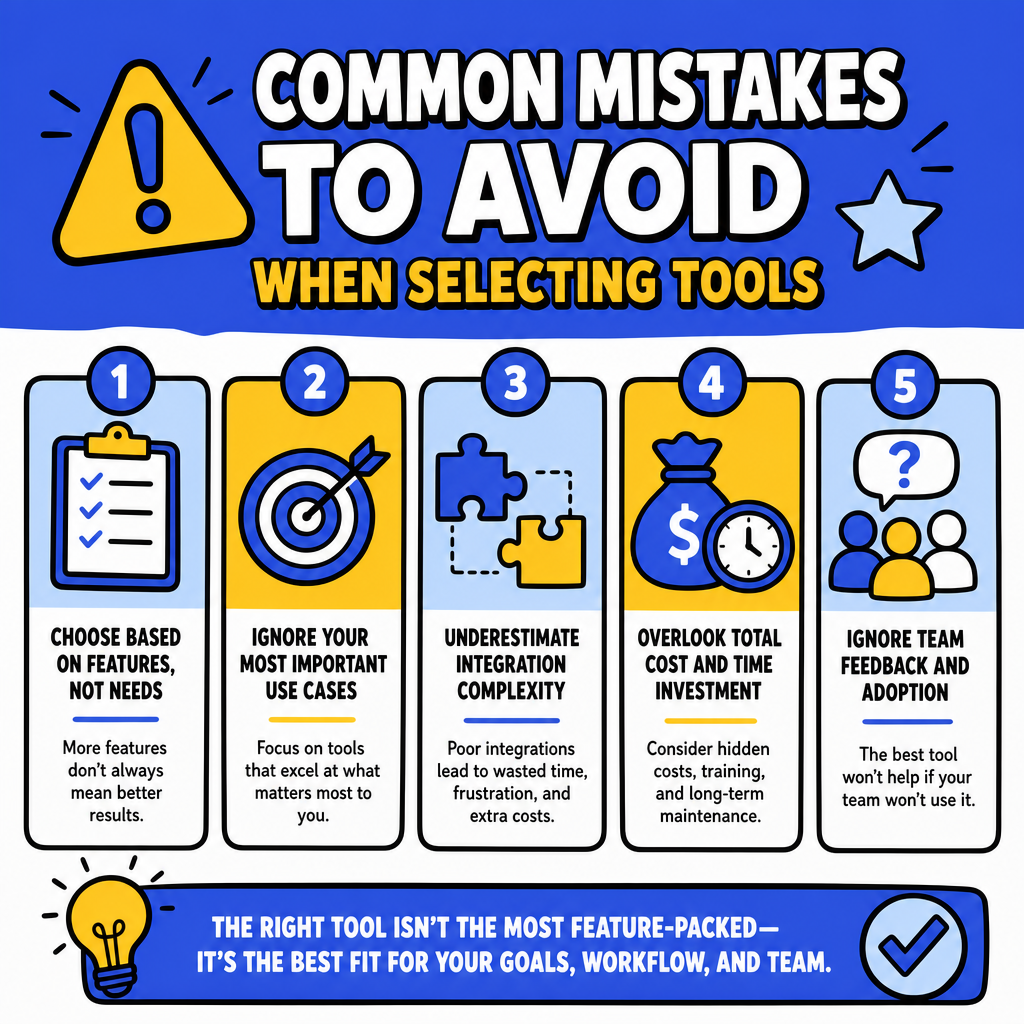
Avoid the temptation to choose tools based solely on feature lists. More capabilities don't automatically translate to better results. Focus on tools that excel at your most important use cases rather than platforms that offer mediocre performance across many areas.
Don't underestimate integration complexity. Tools that require manual data transfer between platforms create ongoing maintenance burdens. Prioritize solutions with robust API connections and native integrations with your existing systems.
Resist the urge to switch tools frequently. Each platform change requires time investment for setup, training, and optimization. Give new tools adequate time to demonstrate value before making changes, typically at least three to six months for comprehensive evaluation.
Measuring Success with Your Content Marketing Tools
Establish baseline metrics before implementing new tools to measure improvement accurately. Track key performance indicators like content production volume, time from concept to publication, and engagement rates across different content types.
Focus on both efficiency and effectiveness metrics. Time savings matter, but not if content quality suffers. Monitor audience engagement, lead generation, and conversion rates to ensure your tools support business objectives rather than just operational efficiency.
Regular performance reviews help optimize tool usage over time. Many platforms offer advanced features that teams discover months after initial implementation. Schedule quarterly reviews to explore new capabilities and adjust workflows based on evolving needs.
Conclusion
Selecting the right content marketing tools requires balancing current needs with future growth plans. Focus on platforms that integrate well with your existing systems while providing room for expansion. Remember that the best tools are those your team will actually use consistently.
Start with core functionality in planning, creation, and distribution categories. You can always add specialized tools later as your operations mature. The key is building a foundation that supports sustainable content marketing growth.
Ready to optimize your content marketing operations? Consider how professional content services can complement your tool stack and accelerate your results. The combination of smart tools and expert guidance often delivers better outcomes than either approach alone.

Stefan Winter
Founder & SEO Expert
Founder of Fast SEO Fix and SEO automation expert. Stefan built Fast SEO Fix to solve the tedious problem of manual SEO work. He specializes in SEO optimized content generation, keyword research, and automated SEO strategies.
