What Drives SEO Writing AI Pricing Models?
Posted by
 Stefan Winter
TL;DR
SEO writing AI pricing ranges from $15-$50 for entry-level tools to $200-$1,000+ for enterprise solutions, driven by factors like usage metrics, AI model sophistication, and premium features. Understanding pricing drivers and hidden costs like overage fees and add-ons is essential to finding the right tool that matches your budget and content creation needs.
Related reading
What Is a Content Automation Platform and Why Do You Need One?
How to Choose the Right Content Automation Platform for Your Business in 2026 The digital content landscape has evolved dramatically, and businesses are produci...
What Does It Mean to Be an SEO Expert?
How to Become an SEO Expert in 2026: Your Complete Roadmap The digital landscape is evolving rapidly, and businesses need skilled professionals who can navigate...
The Complete Guide to the Best Free AI Tools for SEO in 2026
The Complete Guide to the Best Free AI Tools for SEO in 2026 The digital marketing landscape has transformed dramatically with artificial intelligence becoming ...
How to Navigate SEO Writing AI Pricing: A Complete Cost Analysis Guide for 2026
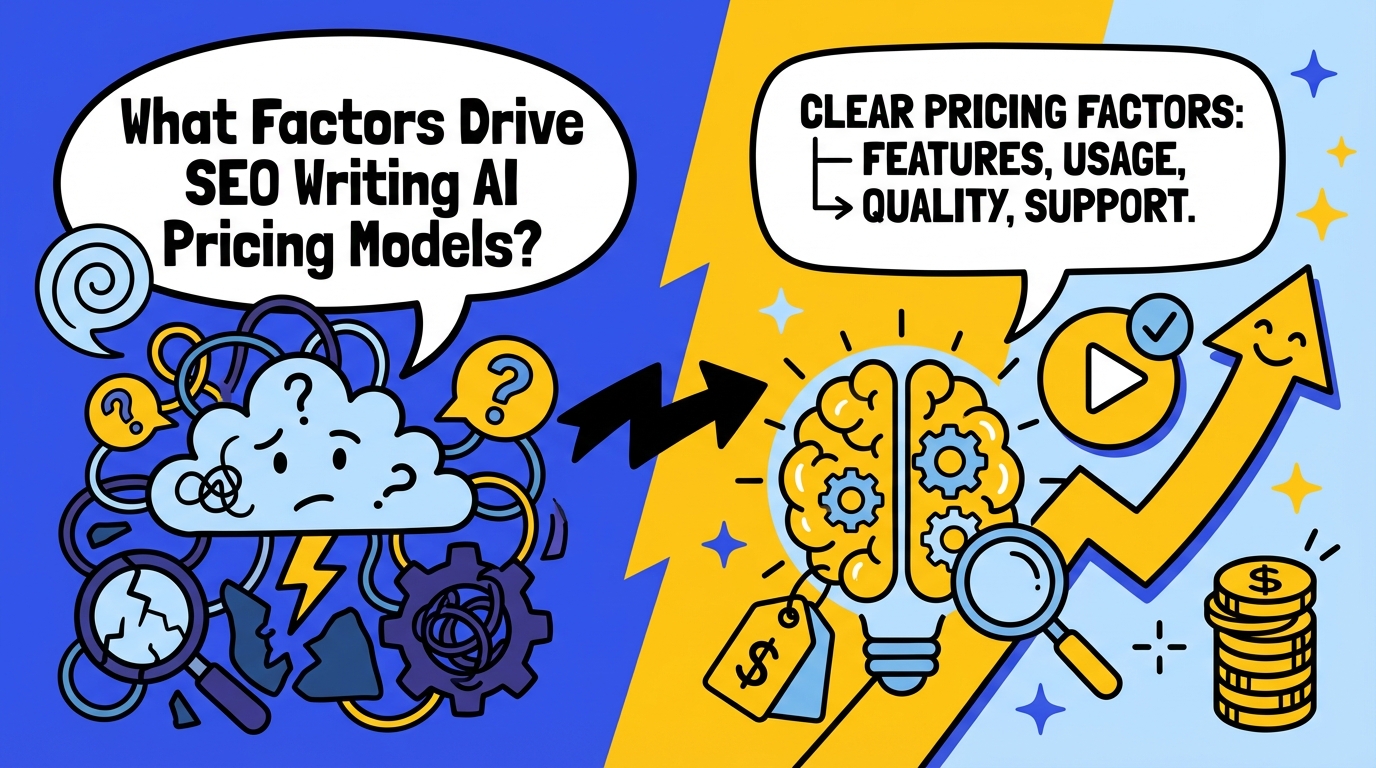
Choosing the right SEO writing AI tool can transform your content strategy, but understanding the pricing landscape can feel overwhelming. With dozens of platforms offering different features, subscription tiers, and hidden costs, making an informed decision requires careful analysis. This comprehensive guide breaks down everything you need to know about SEO writing AI pricing, helping you find the perfect tool that matches your budget and business goals.
What Drives SEO Writing AI Pricing Models?
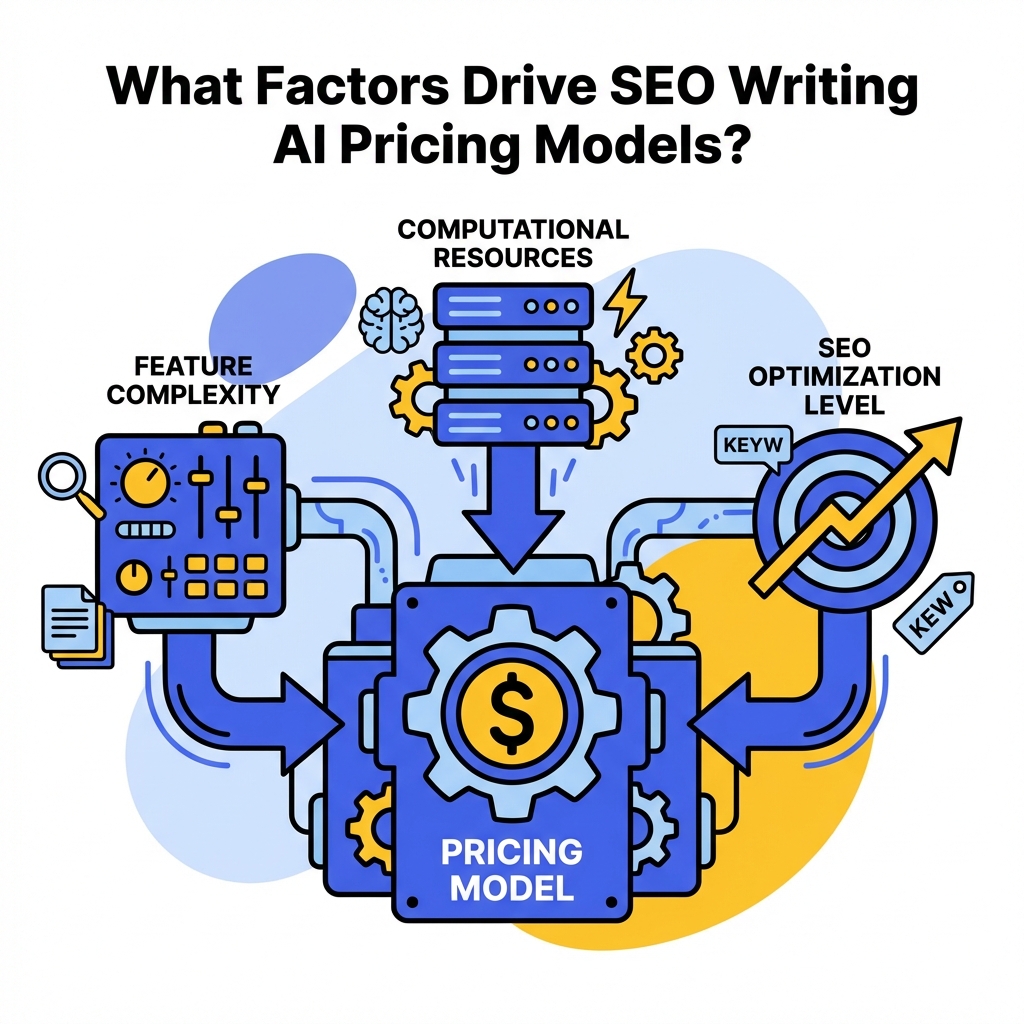
SEO writing AI pricing varies dramatically based on several key factors that directly impact the value you receive. Understanding these drivers helps you evaluate whether a tool's cost aligns with your content needs.
Most platforms base their pricing on usage metrics like word count, number of documents generated, or API calls per month. Premium features such as advanced keyword integration, competitor analysis, and real-time SEO scoring typically push prices higher. The sophistication of the underlying AI model also plays a crucial role, with tools using GPT-4 or Claude 3 commanding premium rates compared to older technology.
Enterprise-level features like team collaboration, custom brand voice training, and white-label solutions add significant cost but provide substantial value for larger organizations. Geographic targeting capabilities and multi-language support often come with additional fees, making it essential to identify which features you actually need before committing to a plan.
How Much Should You Budget for SEO Writing AI Tools?
Setting a realistic budget requires understanding the typical price ranges across different market segments. Entry-level tools designed for individual bloggers and small businesses typically range from $15 to $50 per month, offering basic content generation with limited SEO optimization features.
Mid-tier solutions, perfect for growing agencies and medium-sized businesses, usually cost between $50 to $200 monthly. These platforms provide advanced keyword research integration, content brief generators, and performance tracking capabilities that justify the higher investment. For comprehensive insights on creating effective content workflows, explore our guide on what makes an effective content creation process.
Enterprise-level platforms can cost $200 to $1,000+ per month, offering unlimited usage, advanced analytics, and dedicated support. According to Content Marketing Institute's latest research, businesses investing in premium AI writing tools see 40% better content performance compared to those using basic alternatives.
| Pricing Tier | Monthly Cost | Best For | Key Features |
|---|---|---|---|
| Entry-Level | $15-$50 | Individual bloggers, small businesses | Basic content generation, limited SEO features |
| Mid-Tier | $50-$200 | Growing agencies, medium businesses | Advanced keyword integration, content briefs |
| Enterprise | $200-$1,000+ | Large organizations, agencies | Unlimited usage, custom training, dedicated support |
| Custom/API | Variable | Developers, large-scale operations | Pay-per-use, custom integrations |
What Hidden Costs Should You Watch For?

Many SEO writing AI platforms advertise attractive base prices but include hidden costs that can significantly impact your budget. Understanding these potential expenses helps you calculate the true cost of ownership.
Overage fees represent the most common hidden cost, charging extra when you exceed your plan's word limit or document quota. Some platforms charge $0.02 to $0.10 per additional word, which can quickly add up for high-volume content creators. API access often comes with separate pricing, even for paid subscribers, making it expensive to integrate with existing workflows.
Premium templates, industry-specific training data, and advanced SEO features frequently require add-on purchases. Training the AI on your brand voice or industry terminology might cost an additional $100 to $500 monthly. Support costs can also surprise users, with some platforms charging for priority support or dedicated account management that should be standard at higher price tiers.
How to Avoid Pricing Surprises
Start by clearly defining your monthly content volume and required features before comparing plans. Request detailed pricing sheets that include all potential add-on costs, and ask about volume discounts if you anticipate scaling up quickly.
Test the platform's usage tracking tools during your trial period to understand how quickly you consume your allocated resources. Many users underestimate their actual usage, leading to unexpected overage charges. Consider platforms that offer unlimited plans or clear, predictable pricing structures to avoid budget surprises.
Which Pricing Model Works Best for Different Business Types?
Choosing between subscription tiers, pay-per-use, and custom pricing depends heavily on your content creation patterns and business model. Each approach offers distinct advantages for different use cases.
Subscription models work best for businesses with consistent, predictable content needs. Marketing agencies producing regular client content benefit from mid-tier subscriptions that provide reliable access without usage anxiety. The predictable monthly cost simplifies budgeting and allows for better resource planning.
Pay-per-use pricing suits businesses with irregular content needs or those just starting with AI writing tools. This model prevents paying for unused capacity during slow periods but can become expensive for high-volume users. Custom enterprise pricing makes sense for large organizations requiring specific integrations, compliance features, or volume guarantees.
For insights on maximizing your investment in SEO automation, check out our detailed analysis of what AI tools you should start with for SEO.
How to Calculate ROI on SEO Writing AI Investment?

Measuring the return on your SEO writing AI investment requires tracking both direct cost savings and performance improvements. Start by calculating your current content creation costs, including writer fees, editing time, and revision cycles.
Compare your previous content production speed with AI-assisted workflows. Most businesses see 3-5x faster content creation, translating to significant time savings. Track quality metrics like search rankings, organic traffic growth, and engagement rates to measure performance improvements. HubSpot's 2026 marketing report shows that businesses using AI writing tools achieve 25% better SEO performance on average.
Factor in the learning curve and training time required for your team to maximize the tool's potential. While initial productivity might dip, most users see positive ROI within 2-3 months of consistent use. Consider the compound benefits of improved content consistency and the ability to target more keywords effectively.
What Metrics Matter Most?
Focus on content output volume, time-to-publish reduction, and organic search performance improvements. Track your cost-per-published-article before and after implementing AI tools to quantify direct savings.
Monitor keyword ranking improvements for AI-generated content compared to traditional writing methods. Many businesses find that AI tools help them target long-tail keywords more effectively, leading to better overall SEO performance. For deeper insights into keyword strategy, explore our guide on what makes a keyword profitable in today's market.
What Questions Should You Ask Before Committing?
Before signing up for any SEO writing AI platform, ask specific questions about pricing structure, usage limits, and potential additional costs. Understanding the fine print prevents budget surprises and ensures the tool meets your long-term needs.
Inquire about upgrade and downgrade policies, especially if your content needs fluctuate seasonally. Ask about data retention policies and export capabilities to avoid vendor lock-in. Understand the platform's approach to AI model updates and whether newer features require plan upgrades.
Request references from similar businesses and ask about their actual monthly costs versus advertised prices. Many platforms offer volume discounts or custom arrangements that aren't publicly advertised, so don't hesitate to negotiate based on your specific requirements.
Conclusion
Navigating SEO writing AI pricing requires careful consideration of your content needs, budget constraints, and growth plans. By understanding the factors that drive pricing, identifying potential hidden costs, and calculating realistic ROI expectations, you can make an informed decision that supports your content marketing goals.
Remember that the cheapest option isn't always the most cost-effective. Focus on finding a platform that offers the right balance of features, reliability, and scalability for your business. Start with a trial period to test real-world usage patterns, and don't hesitate to negotiate custom pricing if you have specific requirements.
Ready to optimize your content strategy with the right AI writing tool? At Fast SEO Fix, we help businesses implement cost-effective SEO solutions that deliver measurable results. Contact us today to discuss how we can help you choose and implement the perfect SEO writing AI platform for your budget and goals.
Frequently Asked Questions
Pricing is primarily driven by usage metrics (word count, documents), AI model sophistication (GPT-4 vs. older technology), premium features (keyword integration, competitor analysis), and enterprise capabilities (team collaboration, white-label solutions). Geographic targeting and multi-language support often come with additional fees.
Small businesses and individual bloggers should budget $15-$50 per month for entry-level tools with basic content generation and limited SEO features. Growing businesses typically spend $50-$200 monthly for mid-tier solutions with advanced keyword integration and performance tracking.
Common hidden costs include overage fees ($0.02-$0.10 per additional word), separate API access charges, premium template costs, brand voice training ($100-$500 monthly), and priority support fees. Always request detailed pricing sheets that include all potential add-ons.
Subscription models work best for consistent content needs, pay-per-use suits irregular usage patterns, and custom enterprise pricing is ideal for large organizations requiring specific integrations. Choose based on your predictable monthly content volume and feature requirements.
Define your monthly content volume and required features upfront, request comprehensive pricing sheets, test usage tracking during trial periods, and consider platforms with unlimited plans or transparent pricing structures to prevent unexpected overage charges.

Stefan Winter
Founder & SEO Expert
Founder of Fast SEO Fix and SEO automation expert. Stefan built Fast SEO Fix to solve the tedious problem of manual SEO work. He specializes in SEO optimized content generation, keyword research, and automated SEO strategies.
