What Makes an Effective Content Creation Process?
Posted by
 Stefan Winter
How to Build a Content Creation Process That Drives Results in 2026
Creating high-quality content consistently requires more than inspiration and good intentions. It demands a systematic approach that transforms scattered ideas into polished pieces that engage your audience and boost your search engine rankings. Whether you're a marketing professional, business owner, or content creator, developing a streamlined content creation process will save you time, improve your output quality, and help you achieve measurable results. In this guide, we'll walk you through building a comprehensive content creation workflow that works for your specific needs and goals.
What Makes an Effective Content Creation Process?
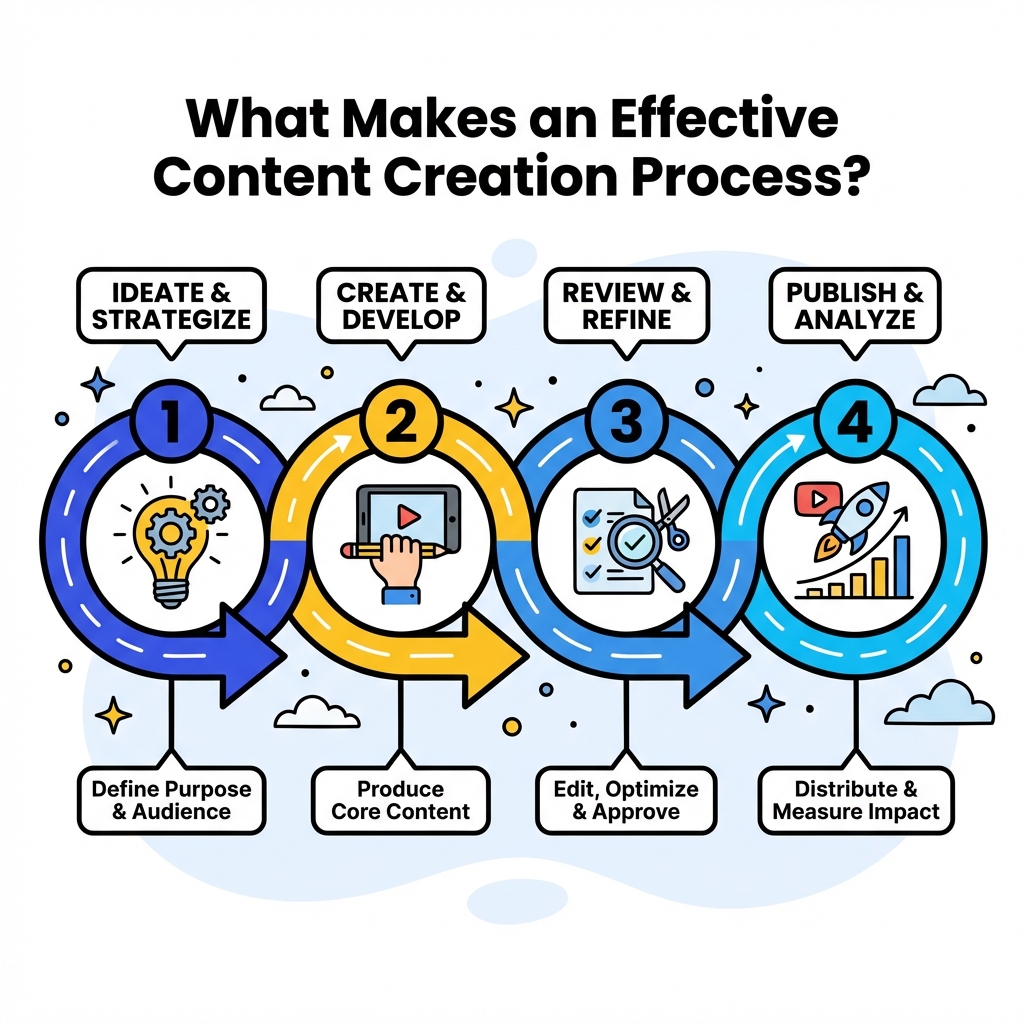
An effective content creation process serves as your roadmap from initial concept to published content. This systematic approach eliminates guesswork, reduces decision fatigue, and ensures every piece of content serves a strategic purpose. The best processes balance creativity with structure, allowing for innovation while maintaining consistency across all your content.
Your content creation process should address three fundamental areas: planning and strategy, production and optimization, and distribution and measurement. Each phase builds upon the previous one, creating a seamless workflow that transforms your content ideas into valuable assets for your audience.
The most successful content creators understand that their process must be flexible enough to accommodate different content types while maintaining core standards for quality and effectiveness. This balance prevents your workflow from becoming too rigid while ensuring consistent results.
How Do You Start Planning Your Content Strategy?
Strategic planning forms the foundation of any successful content creation process. Begin by defining your content goals and aligning them with your broader business objectives. Are you looking to increase brand awareness, generate leads, or establish thought leadership? Clear goals will guide every decision in your content creation workflow.
Research your target audience thoroughly to understand their pain points, preferences, and content consumption habits. Create detailed buyer personas that include demographic information, challenges, and the types of content that resonate with each segment. This research will inform your content topics, formats, and distribution channels.
Conduct comprehensive keyword research to identify the terms and phrases your audience uses when searching for information related to your industry. Tools like Google Keyword Planner, SEMrush, or Ahrefs can help you discover high-value keywords with reasonable competition levels. Document these keywords in a spreadsheet along with search volumes, difficulty scores, and content ideas for each term.
Building Your Content Calendar Framework
Your content calendar serves as the operational backbone of your content creation process. Start by mapping out key dates, industry events, and seasonal trends that affect your audience. Include product launches, holidays, conferences, and other relevant occasions that present content opportunities.
Establish a realistic publishing schedule based on your resources and capacity. It's better to publish high-quality content less frequently than to overwhelm yourself with an unsustainable pace. Consider your team size, available tools, and time constraints when setting your publishing frequency.
Create content themes or pillars that align with your expertise and audience interests. These themes provide structure for your content calendar and help you maintain variety while staying focused on your core topics. For example, a marketing agency might focus on SEO strategies, social media trends, and conversion optimization.
What Are the Essential Steps in Content Production?
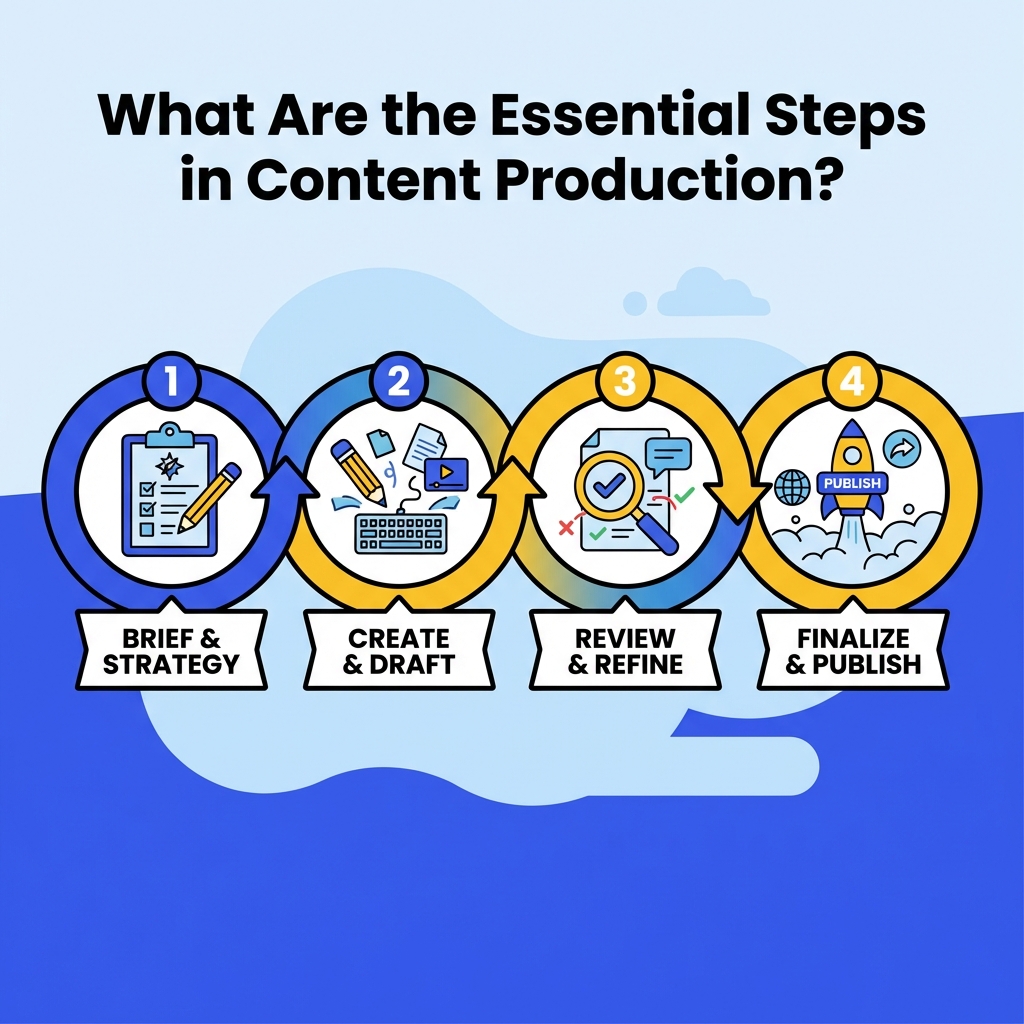
The production phase transforms your strategic plans into actual content pieces. Start each piece with a detailed brief that outlines the target keyword, audience segment, content goals, and key messages. This brief serves as your north star throughout the creation process, keeping you focused on delivering value to your readers.
Begin your writing process with thorough research and outline creation. Gather information from authoritative sources, industry reports, and expert insights to support your points. Create a logical structure that guides readers through your content smoothly, using headings and subheadings to break up text and improve readability.
Write your first draft without worrying about perfection. Focus on getting your ideas down and covering all the points in your outline. This approach prevents writer's block and allows you to refine your message in subsequent revisions. Remember that great content emerges through editing and refinement, not perfect first drafts.
Optimizing Content for Search Engines and Readers
Content optimization requires balancing search engine requirements with reader experience. Incorporate your target keywords naturally throughout your content, including in headings, meta descriptions, and body text. However, prioritize readability and value over keyword density to ensure your content serves your audience first.
Structure your content with clear headings, bullet points, and short paragraphs to improve scannability. Most online readers skim content initially, so make it easy for them to find the information they need quickly. Use descriptive headings that preview the content in each section.
Optimize your meta titles and descriptions to encourage clicks from search results. Your meta title should include your target keyword and compelling language that entices users to visit your page. Keep titles under 60 characters and descriptions under 160 characters to prevent truncation in search results.
Understanding complete SEO strategies can significantly enhance your content optimization efforts and improve your search engine visibility.
How Do You Streamline Content Review and Editing?
Establish a multi-stage review process that catches errors and improves content quality before publication. Start with a self-edit focusing on structure, flow, and message clarity. Read your content aloud to identify awkward phrasing and ensure smooth transitions between sections.
Implement a peer review system where team members or colleagues review content for accuracy, tone, and alignment with brand guidelines. Fresh eyes often catch issues that the original author missed and can suggest improvements for clarity and engagement.
Create a final proofreading checklist that covers grammar, spelling, formatting, and SEO elements. This systematic approach ensures consistency across all your content and reduces the likelihood of publishing errors that could damage your credibility.
| Review Stage | Focus Areas | Reviewer | Timeline |
|---|---|---|---|
| Self-Edit | Structure, flow, message clarity | Content creator | Day 1-2 |
| Peer Review | Accuracy, tone, brand alignment | Team member | Day 3-4 |
| Final Proofread | Grammar, spelling, SEO elements | Editor/QA | Day 5 |
| Publication Prep | Formatting, links, metadata | Content manager | Day 6 |
What Tools Can Enhance Your Content Creation Process?
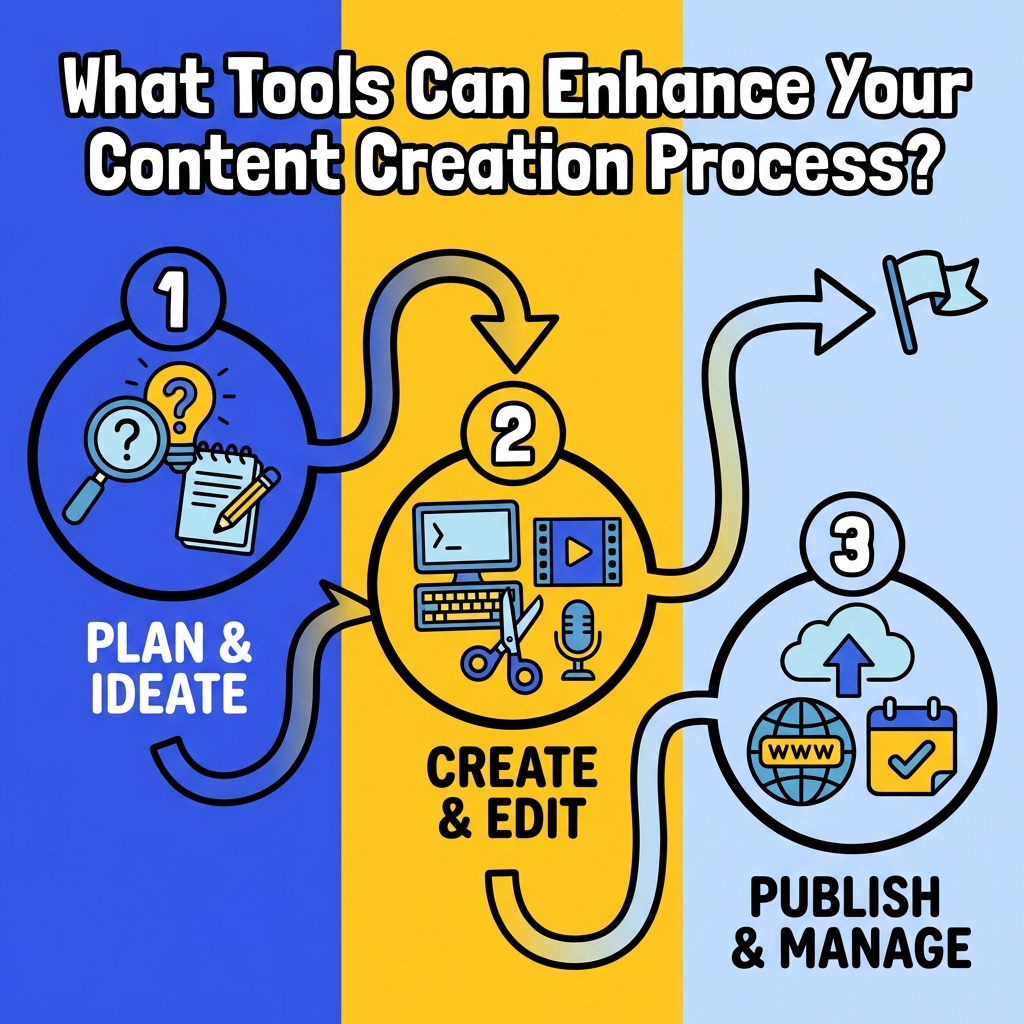
The right tools can significantly streamline your content creation workflow and improve output quality. Content management systems like WordPress, HubSpot, or Contentful provide centralized platforms for creating, editing, and publishing content. Choose a system that integrates well with your other marketing tools and supports your team's collaboration needs.
Grammar and style checking tools like Grammarly, Hemingway Editor, or ProWritingAid help catch errors and improve readability. These tools provide real-time feedback on sentence structure, tone, and clarity, helping you create more polished content efficiently.
Project management platforms such as Asana, Trello, or Monday.com help you track content progress, assign tasks, and meet deadlines. These tools become especially valuable when working with multiple team members or managing complex content campaigns with many moving parts.
For businesses looking to scale their content efforts, exploring automated content creation solutions can help streamline repetitive tasks while maintaining quality standards.
How Do You Measure Content Creation Process Success?
Measuring your content creation process effectiveness requires tracking both efficiency metrics and content performance indicators. Monitor how long each stage of your process takes and identify bottlenecks that slow down production. Track metrics like time from brief to publication, revision cycles, and team satisfaction with the workflow.
Analyze content performance using tools like Google Analytics, SEMrush, or your content management system's built-in analytics. Key metrics include organic traffic, engagement rates, social shares, and conversion rates. These indicators help you understand which types of content resonate most with your audience.
Establish regular review cycles to assess and improve your content creation process. Monthly or quarterly reviews allow you to identify what's working well and what needs adjustment. Gather feedback from team members involved in content creation to understand pain points and improvement opportunities.
Continuous Process Improvement Strategies
Document lessons learned from each content project to build institutional knowledge. Create a shared resource where team members can record insights, successful strategies, and common challenges. This documentation becomes invaluable for training new team members and refining your process over time.
Stay updated on industry trends and best practices by following content marketing publications, attending webinars, and participating in professional communities. The digital landscape evolves rapidly, and your content creation process should adapt to new opportunities and changing audience expectations.
Test different approaches to various stages of your process to find what works best for your team and goals. Experiment with different content formats, research methods, or review procedures. Small improvements compound over time to create significant efficiency gains.
Implementing effective SEO automation tools can help streamline many technical aspects of your content creation process, allowing your team to focus on strategic and creative elements.
Conclusion
Building an effective content creation process requires careful planning, systematic execution, and continuous refinement. By establishing clear workflows for strategy, production, optimization, and measurement, you'll create content more efficiently while maintaining high quality standards. Remember that the best process is one that fits your team's specific needs and capabilities while remaining flexible enough to adapt as your business grows.
Start implementing these strategies gradually, focusing on one area at a time to avoid overwhelming your team. As your process matures, you'll find that creating compelling, search-optimized content becomes more predictable and less stressful. The investment in developing a solid content creation process will pay dividends in improved content quality, team productivity, and business results.
Ready to optimize your content creation workflow? Contact Fast SEO Fix today to learn how our expert team can help you develop and implement a content strategy that drives real results for your business.

Stefan Winter
Founder & SEO Expert
Founder of Fast SEO Fix and SEO automation expert. Stefan built Fast SEO Fix to solve the tedious problem of manual SEO work. He specializes in SEO optimized content generation, keyword research, and automated SEO strategies.
