What Exactly Is Complete SEO?
Posted by
 Stefan Winter
How to Implement Complete SEO: Your Comprehensive Strategy Guide for 2026
Search engine optimization isn't just about targeting individual keywords or fixing isolated technical issues anymore. Complete SEO represents a holistic approach that integrates every aspect of your digital presence into one cohesive strategy. This comprehensive guide will walk you through implementing complete SEO from the ground up, ensuring every element of your website works together to maximize your search visibility and drive sustainable organic growth.
What Exactly Is Complete SEO?
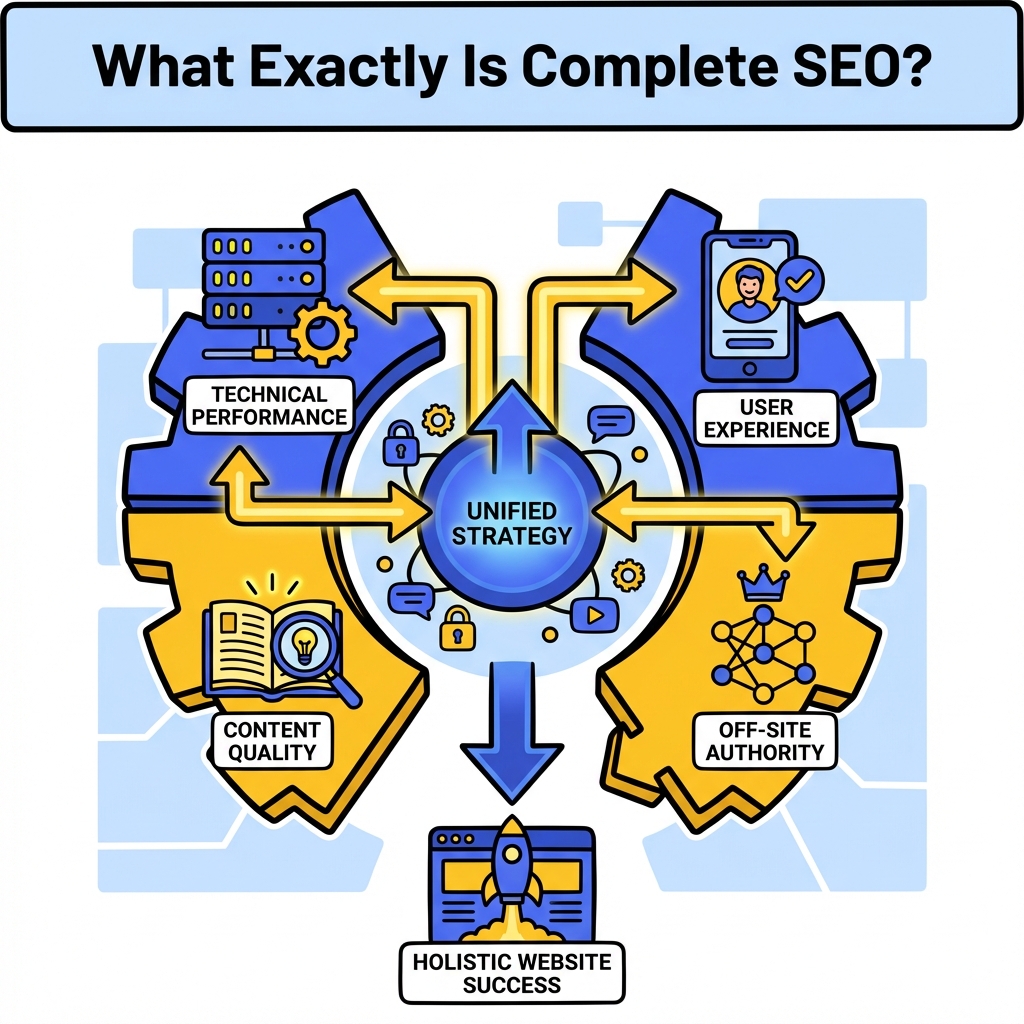
Complete SEO goes beyond traditional optimization tactics by creating a unified strategy that addresses technical performance, content quality, user experience, and off-site authority simultaneously. Unlike fragmented approaches that focus on single elements, complete SEO treats your website as an interconnected ecosystem where every component influences overall performance.
This methodology recognizes that Google's ranking algorithms evaluate hundreds of factors working together, not in isolation. When you implement complete SEO, you're optimizing for the full spectrum of ranking signals while creating genuine value for your users.
The foundation of complete SEO rests on four interconnected pillars: technical optimization, content strategy, user experience, and authority building. Each pillar supports and amplifies the others, creating compound effects that drive superior results compared to isolated optimization efforts.
How Do You Audit Your Current SEO Foundation?
Before implementing complete SEO, you need a comprehensive understanding of your current performance across all optimization areas. Start by conducting a technical audit that examines site speed, mobile responsiveness, crawlability, and indexation status. Use tools like Google Search Console to identify technical issues that could be limiting your search performance.
Next, evaluate your content landscape by analyzing existing pages for keyword targeting, content depth, and user engagement metrics. Look for gaps in your content strategy where you're missing opportunities to serve user intent comprehensively. This analysis will reveal whether your content supports a complete SEO approach or needs restructuring.
Don't overlook your competitive positioning during this audit phase. Analyze how competitors are implementing their SEO strategies and identify areas where you can differentiate your approach. Understanding the competitive landscape helps you develop a complete SEO strategy that captures market opportunities others are missing.
What Are the Essential Components of Complete SEO Implementation?
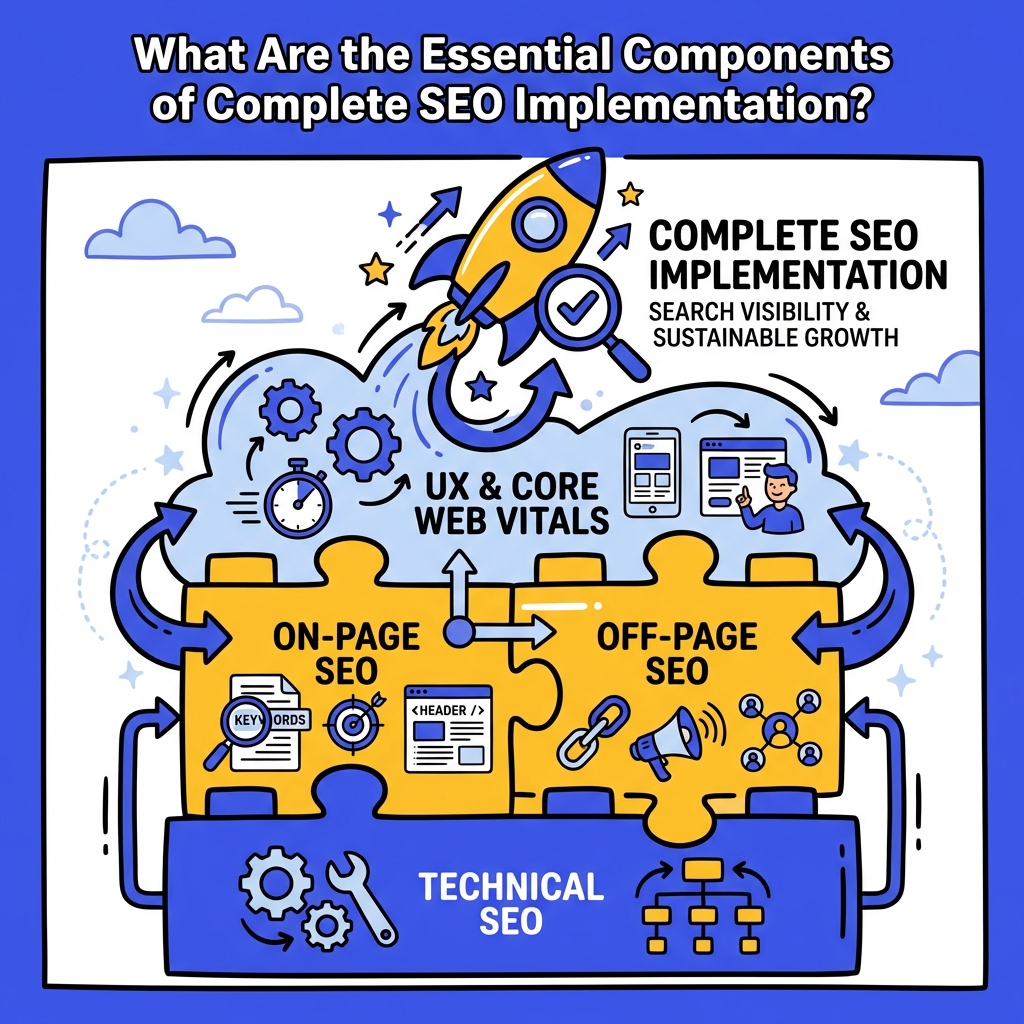
Technical Infrastructure Optimization
Your technical foundation determines whether search engines can effectively crawl, understand, and rank your content. Begin by optimizing your site architecture to ensure clear navigation paths and logical content hierarchy. Implement proper URL structures that reflect your content organization and make it easy for both users and search engines to understand your site's purpose.
Focus on Core Web Vitals as a critical component of your technical optimization. Page speed, interactivity, and visual stability directly impact both user experience and search rankings. According to Google's Page Experience guidelines, these metrics are essential ranking factors that complete SEO must address.
Content Strategy Integration
Complete SEO requires content that serves comprehensive user intent while supporting your broader business objectives. Develop topic clusters that demonstrate expertise across your industry, connecting related content through strategic internal linking. This approach helps search engines understand your site's authority while providing users with complete information journeys.
When creating content for complete SEO, focus on satisfying the full spectrum of user queries related to your topics. This means producing content that addresses informational, navigational, and transactional search intent within cohesive content experiences. For guidance on content creation that supports complete SEO, explore our insights on what an SEO content writer actually does.
How Do You Integrate SEO Automation Into Your Complete Strategy?
Modern complete SEO implementation benefits significantly from automation tools that handle routine optimization tasks while providing data-driven insights for strategic decisions. Automation allows you to scale your optimization efforts across large websites while maintaining consistency in your complete SEO approach.
Implement automated monitoring for technical SEO issues, keyword ranking changes, and content performance metrics. This continuous monitoring ensures your complete SEO strategy adapts to algorithm updates and competitive changes without manual oversight of every detail. Learn more about leveraging SEO automation tools for comprehensive optimization.
Consider using automated reporting dashboards that consolidate data from multiple SEO tools into unified performance views. These dashboards help you understand how different components of your complete SEO strategy are performing together, not just individually.
What Metrics Should You Track for Complete SEO Success?
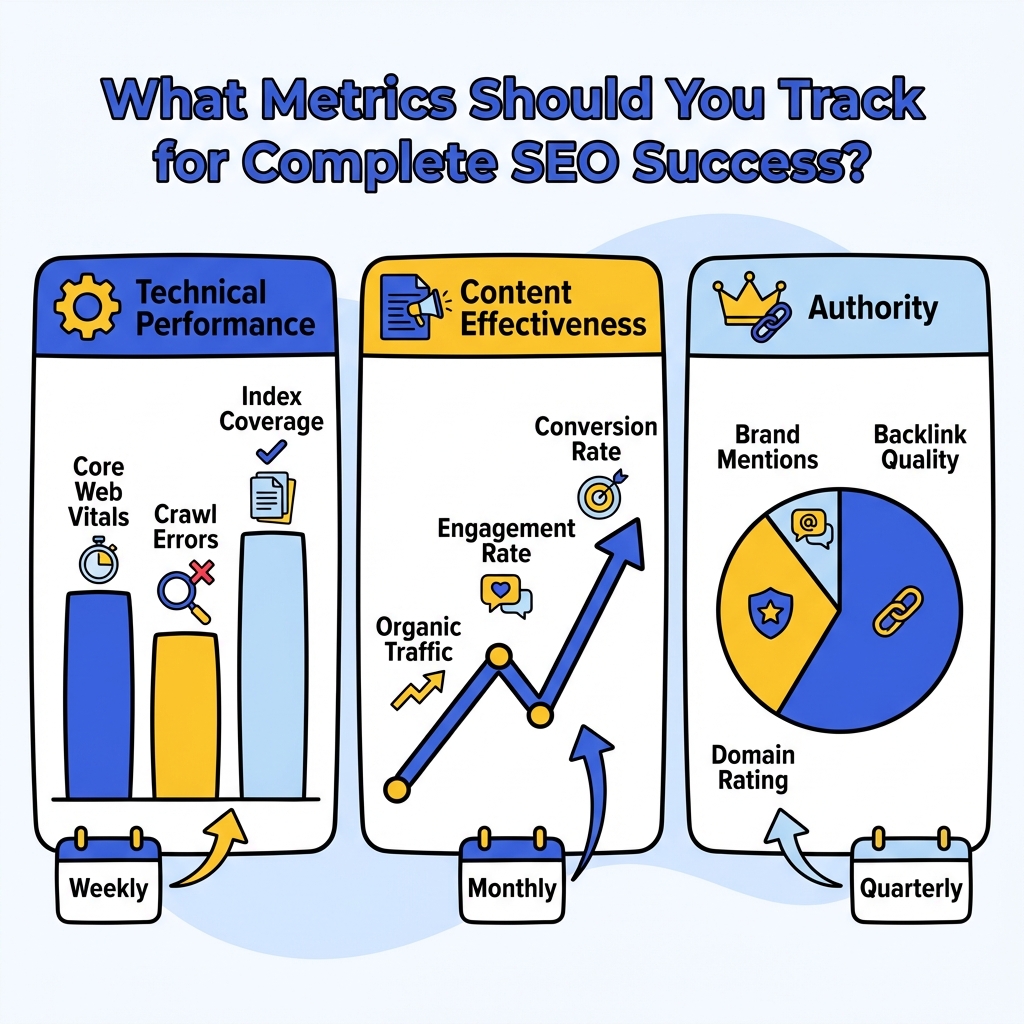
| Metric Category | Key Indicators | Measurement Frequency |
|---|---|---|
| Technical Performance | Core Web Vitals, Crawl Errors, Index Coverage | Weekly |
| Content Effectiveness | Organic Traffic, Engagement Rate, Conversion Rate | Monthly |
| Authority Building | Backlink Quality, Domain Rating, Brand Mentions | Quarterly |
| Competitive Position | Keyword Rankings, Share of Voice, SERP Features | Bi-weekly |
Monitor user engagement signals that indicate whether your complete SEO approach is creating genuine value. Metrics like time on page, pages per session, and return visitor rates reveal whether your optimization efforts are improving user experience alongside search visibility.
How Do You Scale Complete SEO Across Large Websites?
Scaling complete SEO requires systematic approaches that maintain optimization quality while covering extensive content inventories. Develop templates and processes that ensure consistent optimization standards across all pages while allowing for content-specific customization where needed.
Create optimization workflows that integrate complete SEO principles into your content production process. This means every new page or content update automatically includes technical optimization, keyword targeting, and user experience considerations as standard practice.
Consider implementing programmatic SEO techniques for large-scale content optimization, but ensure these automated approaches still support your complete SEO strategy's quality standards. Automation should enhance your comprehensive approach, not replace strategic thinking about user needs and search intent.
Why Does Complete SEO Require Ongoing Optimization?
Search algorithms continuously evolve, making complete SEO an ongoing process rather than a one-time implementation. Your optimization strategy must adapt to algorithm updates, competitive changes, and shifting user behaviors while maintaining the integrated approach that defines complete SEO.
Regular performance reviews help you identify which components of your complete SEO strategy are driving results and which need adjustment. This ongoing optimization ensures your comprehensive approach remains effective as search landscapes change.
Stay informed about industry developments that could impact your complete SEO strategy. Algorithm updates, new ranking factors, and emerging search features require strategic adjustments to maintain your comprehensive optimization effectiveness. For professional guidance on maintaining complete SEO performance, consider exploring SEO consulting services that support comprehensive strategies.
Conclusion
Implementing complete SEO transforms your website from a collection of optimized pages into a cohesive search engine powerhouse that serves users comprehensively while maximizing organic visibility. This integrated approach requires more initial planning and coordination than traditional SEO tactics, but delivers superior long-term results through compound optimization effects.
Success with complete SEO comes from treating optimization as a strategic business initiative rather than a technical checklist. When you align your comprehensive SEO strategy with user needs and business objectives, you create sustainable competitive advantages that isolated optimization efforts cannot match.
Ready to implement complete SEO for your website? Start with a comprehensive audit of your current optimization efforts, then develop an integrated strategy that addresses technical performance, content quality, and user experience simultaneously. The investment in complete SEO pays dividends through improved search visibility, better user engagement, and stronger business results.

Stefan Winter
Founder & SEO Expert
Founder of Fast SEO Fix and SEO automation expert. Stefan built Fast SEO Fix to solve the tedious problem of manual SEO work. He specializes in SEO optimized content generation, keyword research, and automated SEO strategies.
