What is Automatic Content Creation and Why Does It Matter?
Posted by
 Stefan Winter
How to Implement Automatic Content Creation for Maximum SEO Impact in 2026
The digital marketing landscape has evolved dramatically, and businesses that aren't leveraging automatic content creation are falling behind their competitors. With search engines processing over 8.5 billion queries daily, maintaining a consistent content output manually has become nearly impossible. This comprehensive guide will walk you through implementing automatic content creation systems that not only save time but also deliver measurable SEO results for your business.
What is Automatic Content Creation and Why Does It Matter?
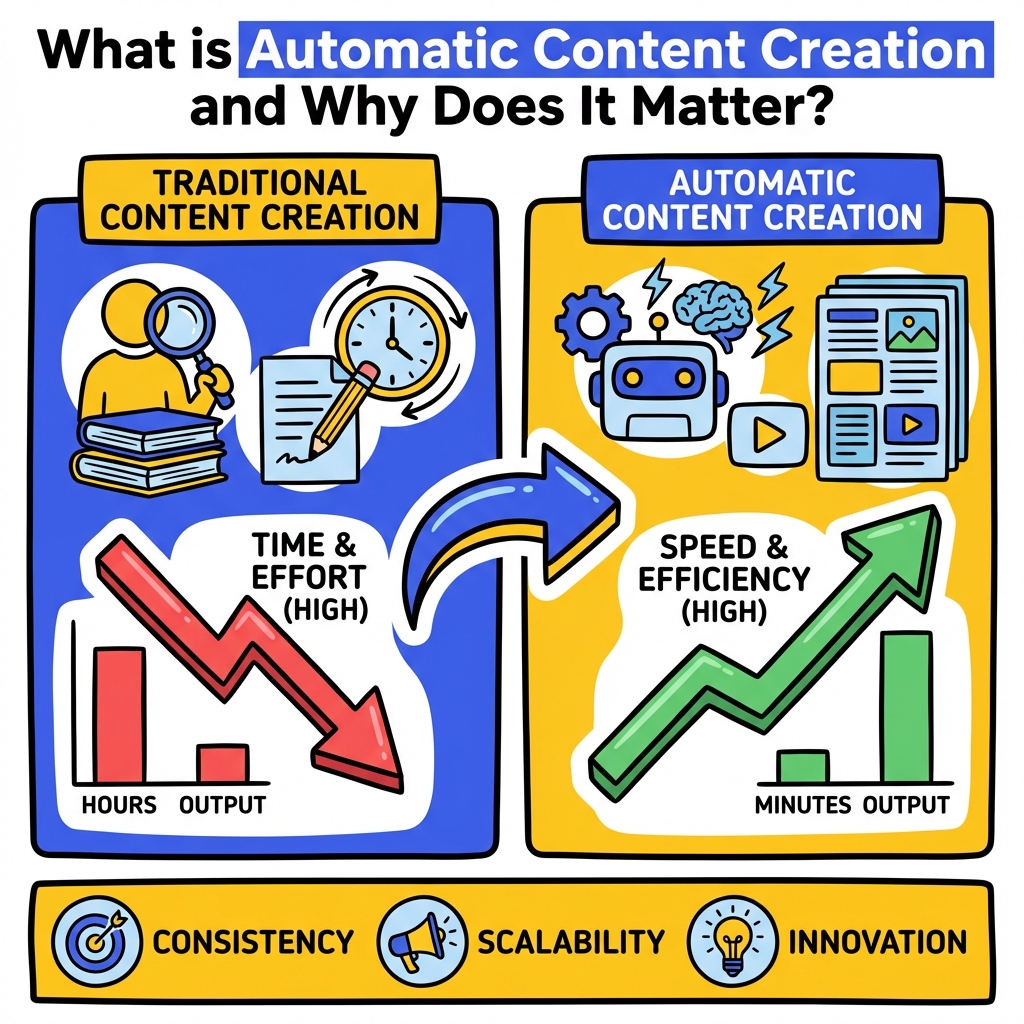
Automatic content creation refers to the use of artificial intelligence, machine learning algorithms, and specialized software to generate written content with minimal human intervention. Unlike traditional content creation methods that require hours of research, writing, and editing, automated systems can produce optimized content in minutes.
The significance extends beyond time savings. According to HubSpot's State of Marketing Report, companies using automated content strategies see 80% more leads and 77% more conversions compared to those relying solely on manual processes. This technology enables businesses to maintain consistent publishing schedules, target long-tail keywords effectively, and scale their content marketing efforts without proportionally increasing their workforce.
Modern automatic content creation tools have evolved from simple template-based generators to sophisticated systems that understand context, maintain brand voice, and optimize for search engine algorithms. These platforms analyze your existing content, identify gaps in your keyword strategy, and generate relevant pieces that align with your overall marketing objectives.
How to Choose the Right Automatic Content Creation Platform
Selecting the appropriate platform forms the foundation of your automated content strategy. The market offers numerous solutions, each with distinct capabilities and limitations that directly impact your SEO performance.
Start by evaluating platforms based on their SEO integration capabilities. The best automatic content creation tools seamlessly integrate with keyword research databases, analyze search intent, and incorporate relevant terms naturally throughout the generated content. Look for platforms that offer real-time SERP analysis and can adjust content structure based on what currently ranks for your target keywords.
Consider the platform's ability to maintain your brand voice and style guidelines. Advanced systems allow you to input brand-specific terminology, preferred sentence structures, and tone preferences. This ensures that automatically generated content remains consistent with your existing materials and maintains the professional standards your audience expects.
| Platform Feature | Importance Level | Impact on SEO |
|---|---|---|
| Keyword Integration | Critical | High - Direct ranking factor |
| Brand Voice Consistency | High | Medium - User engagement factor |
| Content Scaling Capability | High | High - Content volume advantage |
| Multi-format Support | Medium | Medium - Diverse content types |
| Analytics Integration | Critical | High - Performance tracking |
How to Set Up Your Content Automation Workflow
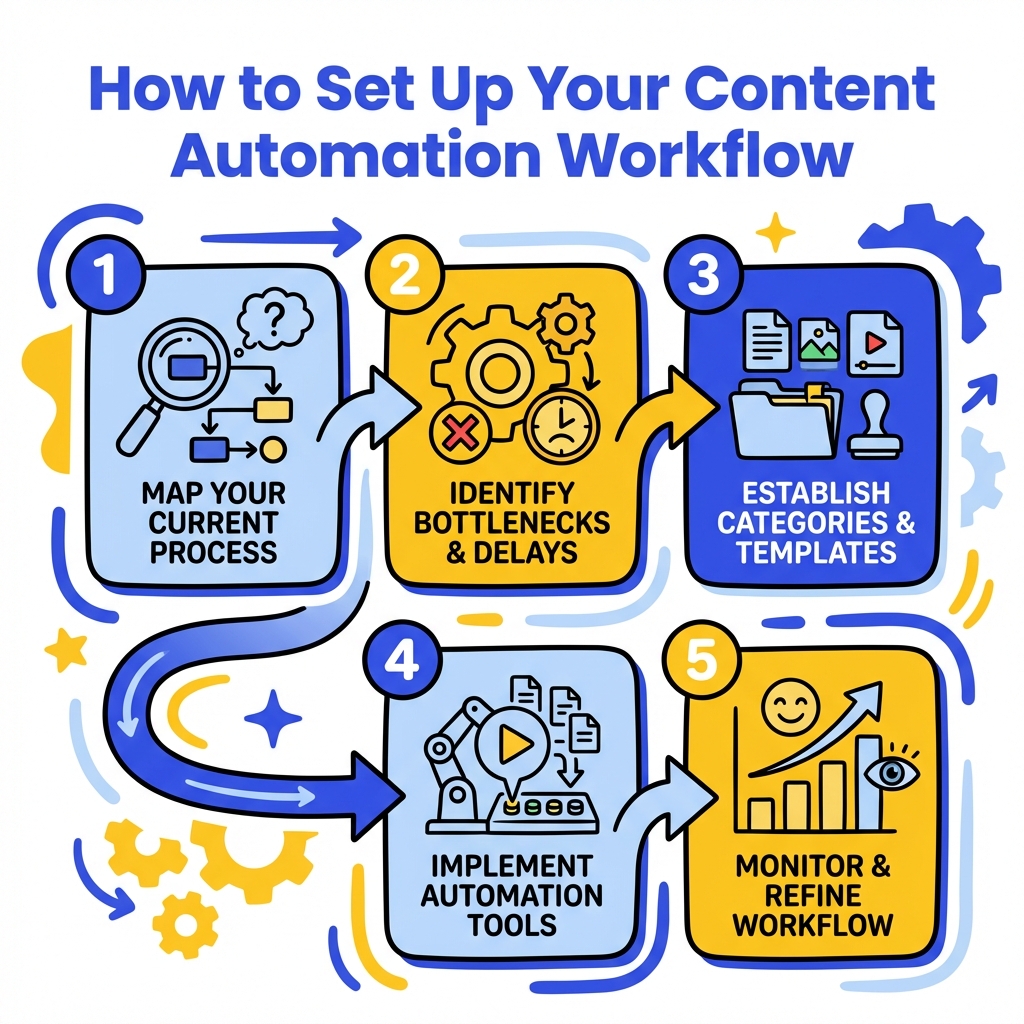
Creating an effective workflow requires strategic planning and systematic implementation. Begin by mapping out your current content creation process to identify bottlenecks and time-consuming tasks that automation can address.
Establish clear content categories and templates for each type of material you regularly produce. Whether you're creating blog posts, product descriptions, or social media content, having predefined structures helps maintain consistency while allowing the automatic content creation system to work more efficiently. Define your target keywords for each category and set up automated keyword research processes that feed fresh opportunities into your content pipeline.
Configure Your Content Calendar Integration
Integrate your automatic content creation platform with your existing content calendar and publishing systems. This connection ensures that generated content aligns with your marketing campaigns, seasonal trends, and business objectives. Set up automated triggers that initiate content creation based on specific events, such as new product launches, trending topics in your industry, or gaps in your publishing schedule.
Most platforms allow you to schedule content generation in advance, creating a buffer of ready-to-publish materials. This approach prevents content droughts and maintains consistent publishing frequency, which search engines favor when determining site authority and relevance.
What Are the Best Practices for SEO-Optimized Automatic Content Creation?
Implementing automatic content creation successfully requires adherence to specific SEO principles that ensure your generated content performs well in search results. Understanding these practices will help you maximize the return on your automation investment.
Focus on long-tail keyword integration rather than attempting to rank for highly competitive short phrases. Automatic content creation excels at targeting specific, low-competition keywords that collectively drive significant organic traffic. Configure your system to identify and prioritize keywords with clear search intent and reasonable competition levels.
Maintain proper content structure and formatting standards across all automatically generated pieces. Search engines favor well-organized content with clear headings, bullet points, and logical flow. Your automatic content creation system should consistently implement these structural elements while varying the specific content to avoid duplication penalties.
Quality control remains essential even with automated systems. Establish review processes that catch potential issues before publication, including fact-checking, brand compliance verification, and readability assessments. Many businesses find success with hybrid approaches where automatic content creation handles initial drafts, and human editors provide final polish and optimization.
How to Measure and Optimize Your Automatic Content Creation Results
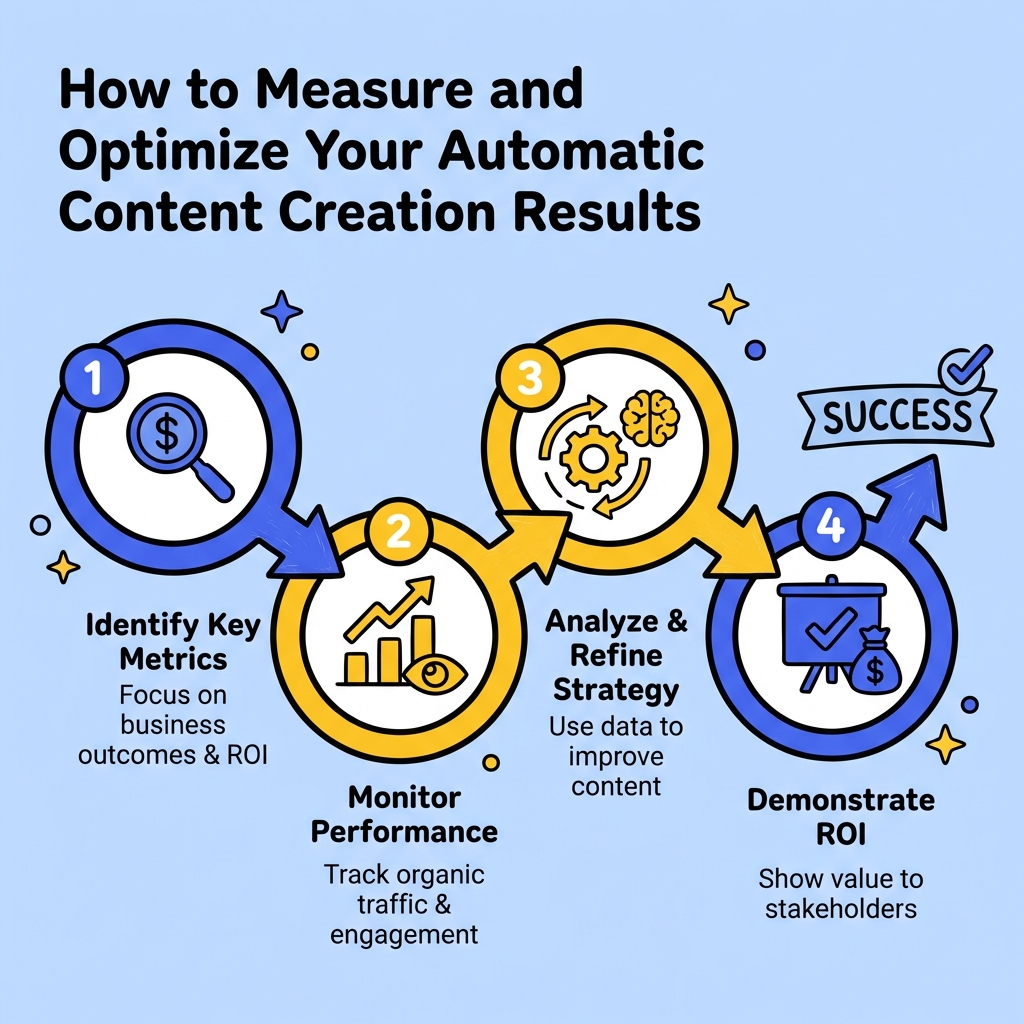
Tracking performance metrics helps you refine your automatic content creation strategy and demonstrate ROI to stakeholders. Focus on metrics that directly correlate with business outcomes rather than vanity statistics that don't impact your bottom line.
Monitor organic traffic growth from automatically generated content compared to manually created pieces. Use tools like Google Analytics 4 to segment traffic sources and identify which types of automated content drive the most qualified visitors. Pay particular attention to conversion rates, as high traffic volumes mean little if the content doesn't engage your target audience effectively.
Track keyword ranking improvements for terms targeted by your automatic content creation system. According to Ahrefs' content marketing study, websites publishing automated content consistently see 40% faster ranking improvements compared to those with irregular publishing schedules. This data supports the value of maintaining consistent content output through automation.
Optimize Based on Performance Data
Use performance insights to continuously refine your automatic content creation parameters. If certain content types or keyword categories consistently underperform, adjust your templates, keyword targeting, or content structure accordingly. The iterative improvement process ensures your automated systems become more effective over time.
Consider A/B testing different content formats, headline structures, and call-to-action placements within your automatically generated content. This testing approach helps identify the most effective combinations for your specific audience and industry, leading to better engagement and conversion rates.
How Does Automatic Content Creation Integrate with Other SEO Tools?
Successful automatic content creation doesn't operate in isolation but works best when integrated with your broader SEO toolkit. Understanding these connections helps you create a cohesive optimization strategy that maximizes results across all channels.
Connect your automatic content creation platform with your existing SEO automation tools to create seamless workflows that handle everything from keyword research to performance tracking. This integration eliminates manual data transfer and ensures consistency across your optimization efforts.
Link your content automation system with rank tracking tools to monitor how automatically generated content performs in search results. This connection provides valuable feedback that helps you adjust content parameters for better ranking potential. Many businesses find that combining automatic content creation with comprehensive rank tracking capabilities leads to more strategic content decisions and improved ROI.
Consider how automatic content creation supports your broader organic growth strategy. When implemented correctly, automated content systems contribute significantly to sustainable organic growth by maintaining consistent publishing schedules and targeting long-tail keywords that manual processes often overlook.
What Common Mistakes Should You Avoid with Automatic Content Creation?
Understanding potential pitfalls helps you implement automatic content creation more effectively and avoid issues that could harm your SEO performance. Learning from common mistakes saves time and prevents damage to your search rankings.
Avoid over-relying on automation without maintaining quality standards. While automatic content creation significantly reduces time investment, completely hands-off approaches often result in generic content that fails to engage readers or rank well in search results. Maintain editorial oversight and establish quality checkpoints throughout your automated workflow.
Don't neglect the importance of originality and uniqueness in your automatically generated content. Search engines penalize duplicate or near-duplicate content, regardless of how it was created. Ensure your automatic content creation system produces genuinely unique pieces that provide value to your audience while targeting your desired keywords effectively.
Resist the temptation to publish automatically generated content without considering user experience factors. Content that reads unnaturally or fails to address user intent will result in high bounce rates and poor engagement metrics, ultimately harming your search rankings despite initial optimization efforts.
Conclusion
Implementing automatic content creation represents a significant opportunity to scale your SEO efforts while maintaining quality and consistency. By following the strategies outlined in this guide, you can establish automated systems that generate valuable content, target relevant keywords, and contribute to your overall organic growth objectives.
The key to success lies in balancing automation efficiency with human oversight, ensuring that your automatically generated content meets both search engine requirements and user expectations. As search algorithms continue evolving, businesses that master automatic content creation will maintain competitive advantages in their respective markets.
Ready to transform your content marketing strategy with automation? Start by evaluating your current content creation processes and identifying opportunities where automatic systems can enhance your efficiency and results. The investment in proper setup and optimization will pay dividends in improved search rankings and increased organic traffic throughout 2026 and beyond.

Stefan Winter
Founder & SEO Expert
Founder of Fast SEO Fix and SEO automation expert. Stefan built Fast SEO Fix to solve the tedious problem of manual SEO work. He specializes in SEO optimized content generation, keyword research, and automated SEO strategies.
