What Does It Mean to Be an SEO Expert?
Posted by
 Stefan Winter
TL;DR
Becoming an SEO expert requires mastering technical skills, content strategy, and analytics while staying current with algorithm changes and building practical experience. Success depends on understanding the intersection of technology, user behavior, and business goals, then specializing in areas that align with market demand and your interests.
Related reading
What Is a Content Automation Platform and Why Do You Need One?
How to Choose the Right Content Automation Platform for Your Business in 2026 The digital content landscape has evolved dramatically, and businesses are produci...
The Complete Guide to the Best Free AI Tools for SEO in 2026
The Complete Guide to the Best Free AI Tools for SEO in 2026 The digital marketing landscape has transformed dramatically with artificial intelligence becoming ...
What Drives SEO Writing AI Pricing Models?
How to Navigate SEO Writing AI Pricing: A Complete Cost Analysis Guide for 2026 Choosing the right SEO writing AI tool can transform your content strategy, but ...
How to Become an SEO Expert in 2026: Your Complete Roadmap
The digital landscape is evolving rapidly, and businesses need skilled professionals who can navigate the complex world of search engine optimization. If you're wondering how to become an SEO expert, you're entering one of the most dynamic and rewarding fields in digital marketing. This comprehensive guide will walk you through the essential steps, skills, and strategies needed to establish yourself as a trusted SEO professional in 2026 and beyond.
What Does It Mean to Be an SEO Expert?
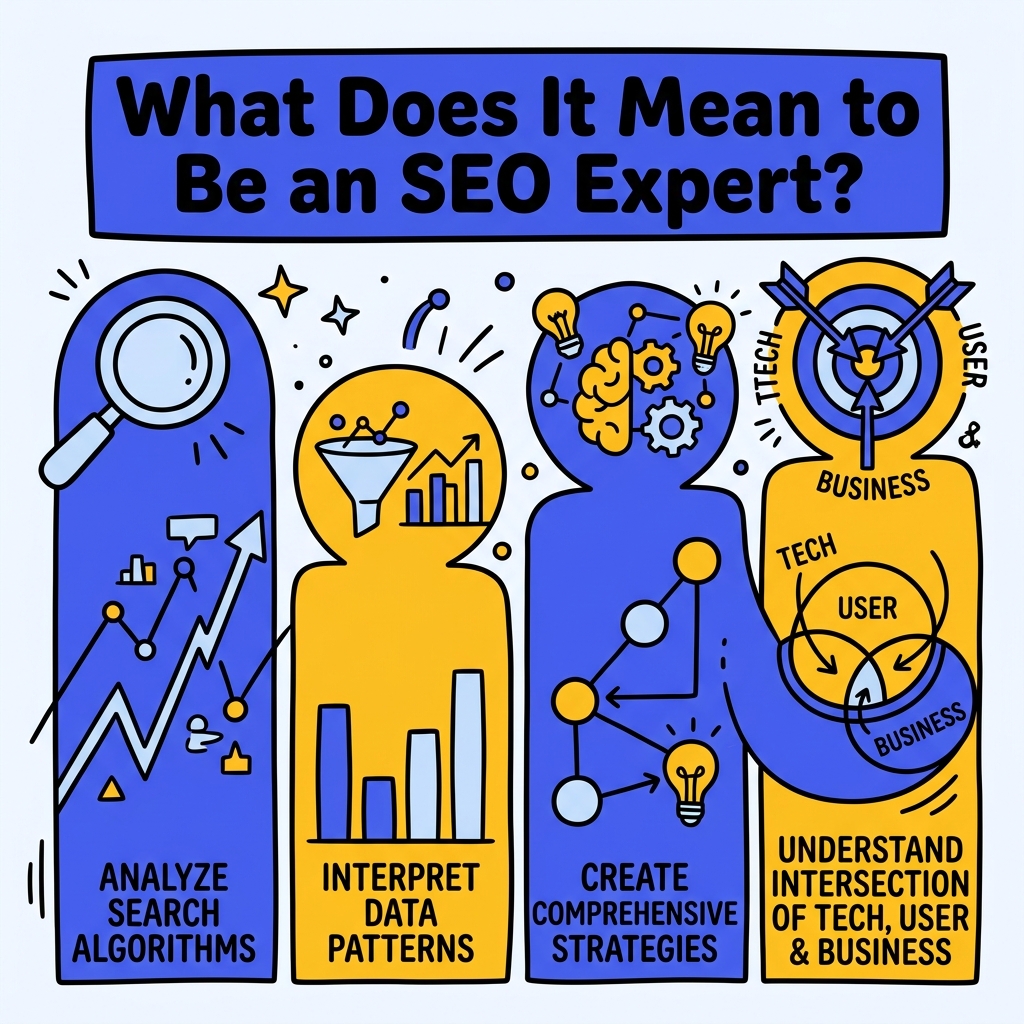
An SEO expert is more than someone who knows how to insert keywords into content. Today's SEO professionals are strategic thinkers who understand the intersection of technology, user behavior, and business goals. They analyze search algorithms, interpret data patterns, and create comprehensive strategies that drive organic traffic and conversions.
The role has expanded significantly beyond traditional optimization tactics. Modern SEO experts must understand technical website architecture, content strategy, user experience design, and emerging technologies like AI and voice search. They serve as the bridge between a company's digital presence and its target audience's search behavior.
What sets an expert apart from a beginner is their ability to adapt quickly to algorithm changes, think strategically about long-term growth, and communicate complex technical concepts to stakeholders at all levels.
How Do You Build Your SEO Foundation?
Master the Core Technical Skills
Start with the fundamentals that every SEO expert must know. Learn how search engines crawl, index, and rank websites. Understanding these processes helps you diagnose problems and identify opportunities that others might miss.
Focus on technical SEO elements like site speed optimization, mobile responsiveness, XML sitemaps, and structured data markup. These technical foundations often determine whether your other efforts will succeed or fail.
Practice using essential SEO tools like Google Search Console, Google Analytics, and specialized platforms like Ahrefs or SEMrush. Each tool provides unique insights, and knowing how to extract actionable data from them is crucial for making informed decisions.
Develop Your Content Strategy Expertise
Content remains at the heart of effective SEO, but the approach has become more sophisticated. Learn how to conduct thorough keyword research that goes beyond search volume to understand user intent and competitive landscapes. Understanding how to identify your true SEO competitors will help you develop more effective content strategies.
Study how to create content that satisfies both search engines and users. This includes understanding topic clusters, semantic search, and how to structure content for featured snippets and other SERP features.
What Skills Should You Prioritize as an Aspiring SEO Expert?
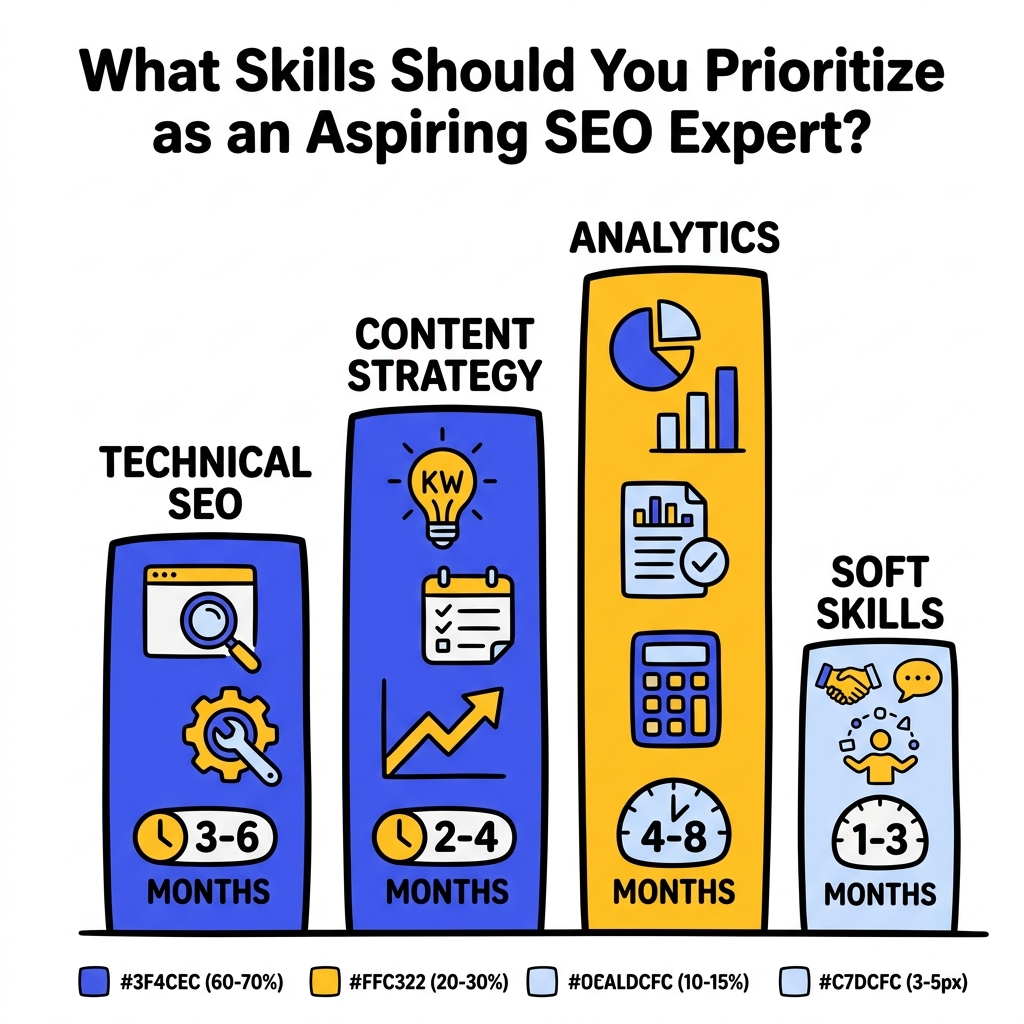
| Skill Category | Essential Skills | Time to Develop |
|---|---|---|
| Technical SEO | Site audits, page speed, crawlability | 3-6 months |
| Content Strategy | Keyword research, content planning, optimization | 2-4 months |
| Analytics | Data interpretation, reporting, ROI measurement | 4-8 months |
| Communication | Client presentations, stakeholder management | Ongoing |
| Adaptability | Algorithm updates, new tools, industry changes | Ongoing |
How Can You Gain Practical Experience?
Theory alone won't make you an SEO expert. Start by optimizing your own website or blog to test strategies and see real results. Document your experiments, track your progress, and learn from both successes and failures.
Offer to help local businesses or nonprofits with their SEO needs. This provides valuable hands-on experience while building your portfolio and reputation. Many small businesses need SEO help but can't afford expensive agencies, making this a win-win opportunity.
Consider freelancing on smaller projects to build your skills and client base. Start with specific services like technical audits or content optimization before expanding to full-service SEO management.
How Do You Stay Current with SEO Changes?
The SEO industry evolves constantly, with search engines updating their algorithms hundreds of times per year. Successful SEO experts develop systems for staying informed and adapting quickly to changes.
Follow authoritative SEO publications and thought leaders who provide reliable, tested information. Be selective about your sources, as the field contains much speculation and outdated advice. Focus on publications that cite data and provide actionable insights rather than generic tips.
Join professional SEO communities where practitioners share experiences and discuss real-world challenges. These communities often provide early insights into algorithm changes and emerging best practices.
What About Specialization Areas?
As you develop your expertise, consider specializing in specific areas that align with your interests and market demand. Local SEO, e-commerce optimization, and enterprise SEO each require unique skill sets and offer different career opportunities.
Technical SEO specialization is particularly valuable as websites become more complex. Understanding the differences between small business SEO and enterprise SEO can help you decide which path aligns with your career goals.
International SEO is another growing specialty as businesses expand globally. This area requires understanding cultural differences, language optimization, and technical implementation across multiple markets.
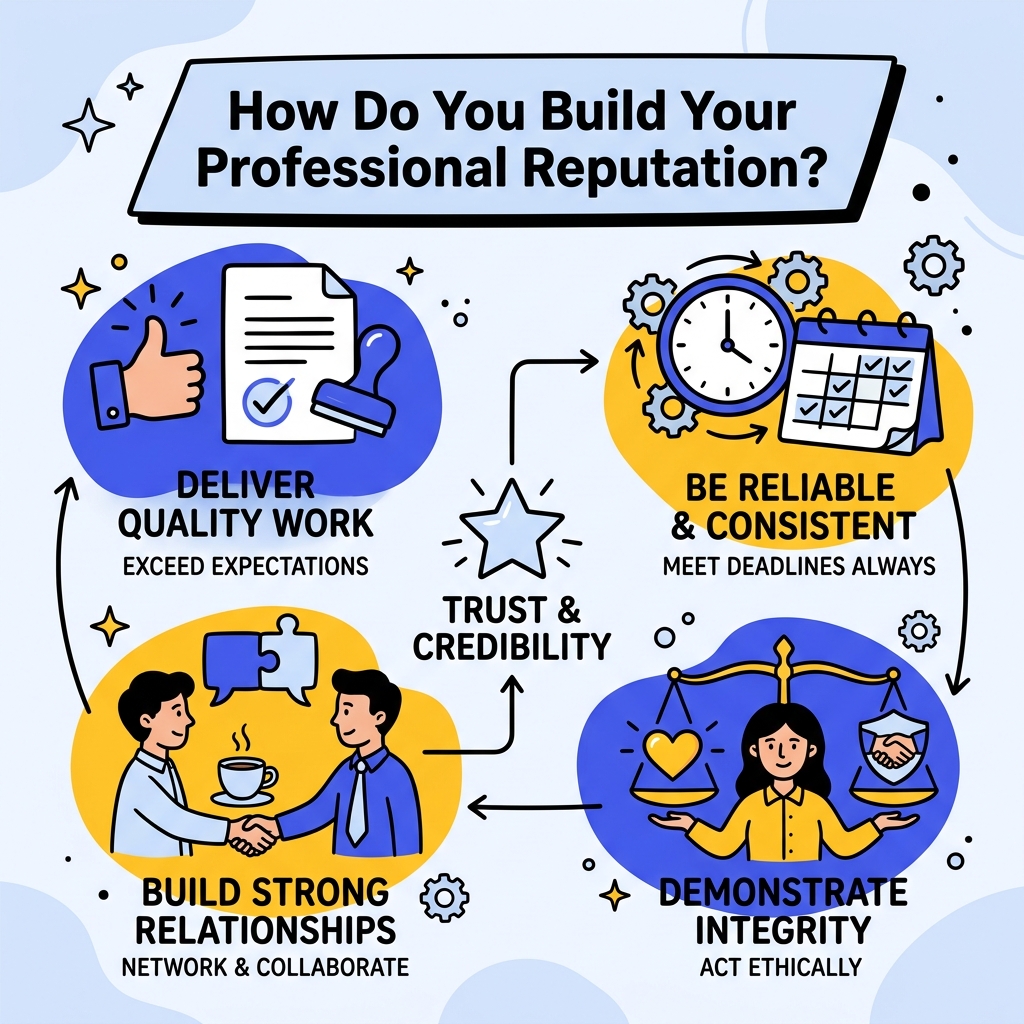
How Do You Build Your Professional Reputation?
Create and Share Your Own Content
Demonstrate your expertise by creating valuable content that helps other marketers and business owners. Write case studies about your successful campaigns, share insights from your experiments, and provide actionable advice based on your experience.
Speaking at industry conferences and participating in webinars helps establish your authority and expand your professional network. Start with local marketing meetups or virtual events before pursuing larger speaking opportunities.
What Certifications and Education Help?
While certifications aren't required to become an SEO expert, they can validate your knowledge and help you stand out to potential employers or clients. Google offers free certifications for Analytics and Ads that provide valuable foundational knowledge.
Industry certifications from organizations like Moz, SEMrush, or Ahrefs demonstrate proficiency with specific tools and methodologies. However, practical experience and proven results matter more than certificates alone.
How Do You Measure Your Progress as an SEO Expert?
Track your professional development through concrete metrics and milestones. Monitor the organic traffic and rankings improvements for websites you optimize. Document case studies that show clear before-and-after results from your efforts.
Build a portfolio showcasing diverse projects and the specific outcomes you achieved. Include metrics like traffic increases, ranking improvements, and business impact whenever possible. Asking the right questions about SEO success will help you identify the most meaningful metrics to track.
Seek feedback from clients, colleagues, and industry peers about your work quality and professional growth. This external perspective helps identify areas for improvement and validates your developing expertise.
How Long Does It Take to Become an SEO Expert?
The timeline for becoming an SEO expert varies based on your background, learning intensity, and practical experience opportunities. Most professionals need 12-24 months of focused learning and hands-on practice to develop solid expertise.
However, the learning never stops in SEO. Even experienced experts must continuously update their knowledge as search engines evolve and new technologies emerge. The key is building strong fundamentals quickly, then expanding your expertise through ongoing practice and education.
According to Search Engine Land's annual survey, most successful SEO professionals report spending 5-10 hours per week staying current with industry developments, even after establishing their expertise.
Conclusion
Becoming an SEO expert requires dedication, continuous learning, and hands-on practice with real websites and campaigns. Focus on building strong technical foundations, developing your analytical skills, and staying current with industry changes. Remember that expertise comes from successfully solving real problems and delivering measurable results for businesses.
The SEO field offers excellent career opportunities for those willing to invest in developing their skills. Whether you choose to work in-house, join an agency, or build a freelance practice, the demand for skilled SEO professionals continues to grow as businesses recognize the importance of organic search visibility.
Ready to start your journey toward SEO expertise? Begin by auditing your own website, setting up proper analytics tracking, and implementing one new optimization technique each week. The path to becoming an SEO expert starts with taking that first step and committing to consistent learning and practice.
Frequently Asked Questions
An SEO expert can adapt quickly to algorithm changes, think strategically about long-term growth, and communicate complex technical concepts to stakeholders. Beginners typically focus on basic keyword insertion and lack the strategic thinking and adaptability that defines true expertise.
Building foundational skills takes 3-8 months depending on the area, but becoming a true expert is an ongoing process. Continuous learning and practical experience over 1-2 years of dedicated work typically establish someone as a credible professional.
Start with understanding how search engines crawl and index websites, then focus on site speed optimization, mobile responsiveness, XML sitemaps, and structured data markup. Master tools like Google Search Console and Google Analytics to extract actionable insights.
Yes, specialization can increase your value and career opportunities. Popular specializations include local SEO, e-commerce optimization, technical SEO, enterprise SEO, and international SEO, each with unique skill requirements and market demand.
Follow authoritative SEO publications and thought leaders, join professional SEO communities where practitioners share insights, and develop systems for tracking algorithm updates. Focus on sources that cite data and provide actionable advice rather than generic tips.

Stefan Winter
Founder & SEO Expert
Founder of Fast SEO Fix and SEO automation expert. Stefan built Fast SEO Fix to solve the tedious problem of manual SEO work. He specializes in SEO optimized content generation, keyword research, and automated SEO strategies.
