Why Do the Questions You Ask Matter for SEO Success?
Posted by
 Stefan Winter
How to Master the Art of Questions to Ask for Better SEO Content Research
Asking the right questions is the foundation of exceptional SEO content creation. Whether you're conducting keyword research, analyzing competitor strategies, or developing content that truly resonates with your audience, the questions you ask determine the quality of insights you uncover. This comprehensive guide will walk you through the essential questions to ask at every stage of your SEO content process, helping you create more targeted, valuable, and search-optimized content that drives real results.
Why Do the Questions You Ask Matter for SEO Success?
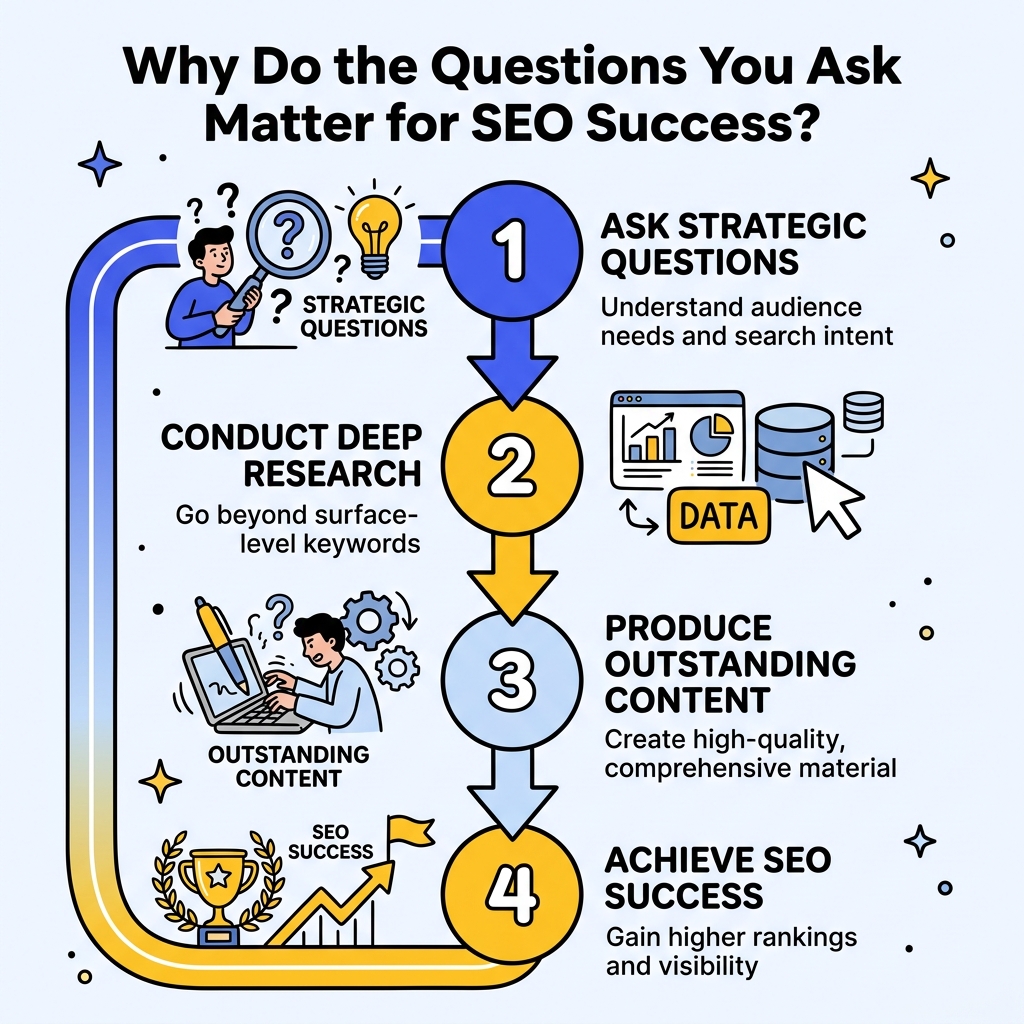
The difference between mediocre and outstanding SEO content often comes down to the depth of research behind it. When content creators rush into writing without asking the fundamental questions first, they typically produce generic content that fails to rank or engage readers effectively.
Strategic questioning serves as your roadmap for content development. It helps you understand search intent, identify content gaps in your niche, and uncover the specific problems your target audience needs solved. The questions you ask during research directly influence your content's relevance, authority, and ability to satisfy both search engines and human readers.
Professional SEO strategists understand that every piece of successful content begins with curiosity. By developing a systematic approach to questioning, you transform random content ideas into data-driven strategies that consistently deliver measurable results.
What Questions Should You Ask During Keyword Research?
Effective keyword research starts with understanding the deeper context behind search terms. Rather than simply looking at search volumes and competition metrics, ask yourself what motivates people to search for specific terms in the first place.
Begin by questioning the searcher's intent: Are they looking for information, trying to make a purchase, or seeking to solve a specific problem? This fundamental question shapes everything from your content angle to your call-to-action strategy. Next, consider the searcher's level of expertise. Are they beginners who need basic explanations, or advanced users seeking sophisticated insights?
Don't forget to question the competitive landscape. What questions are your competitors answering well, and more importantly, what questions are they missing entirely? These content gaps represent your biggest opportunities for ranking success.
How Do You Identify High-Value Question Opportunities?
The most valuable content opportunities often hide in the questions your audience asks but struggles to find comprehensive answers for. Start by analyzing search suggestions, related searches, and "People Also Ask" sections for your target keywords.
Social media platforms, forums, and industry communities provide goldmines of authentic questions from real users. Pay attention to the language people use when asking questions naturally, as this often differs significantly from formal keyword research tools. These organic questions frequently reveal long-tail opportunities with lower competition but higher conversion potential.
| Question Source | Value Level | Research Time | Conversion Potential |
|---|---|---|---|
| Google PAA | High | 15 minutes | Medium |
| Industry Forums | Very High | 45 minutes | High |
| Social Media | Medium | 30 minutes | Medium |
| Customer Support | Very High | 60 minutes | Very High |
| Competitor Analysis | High | 90 minutes | High |
Which Questions Help You Understand Search Intent Better?
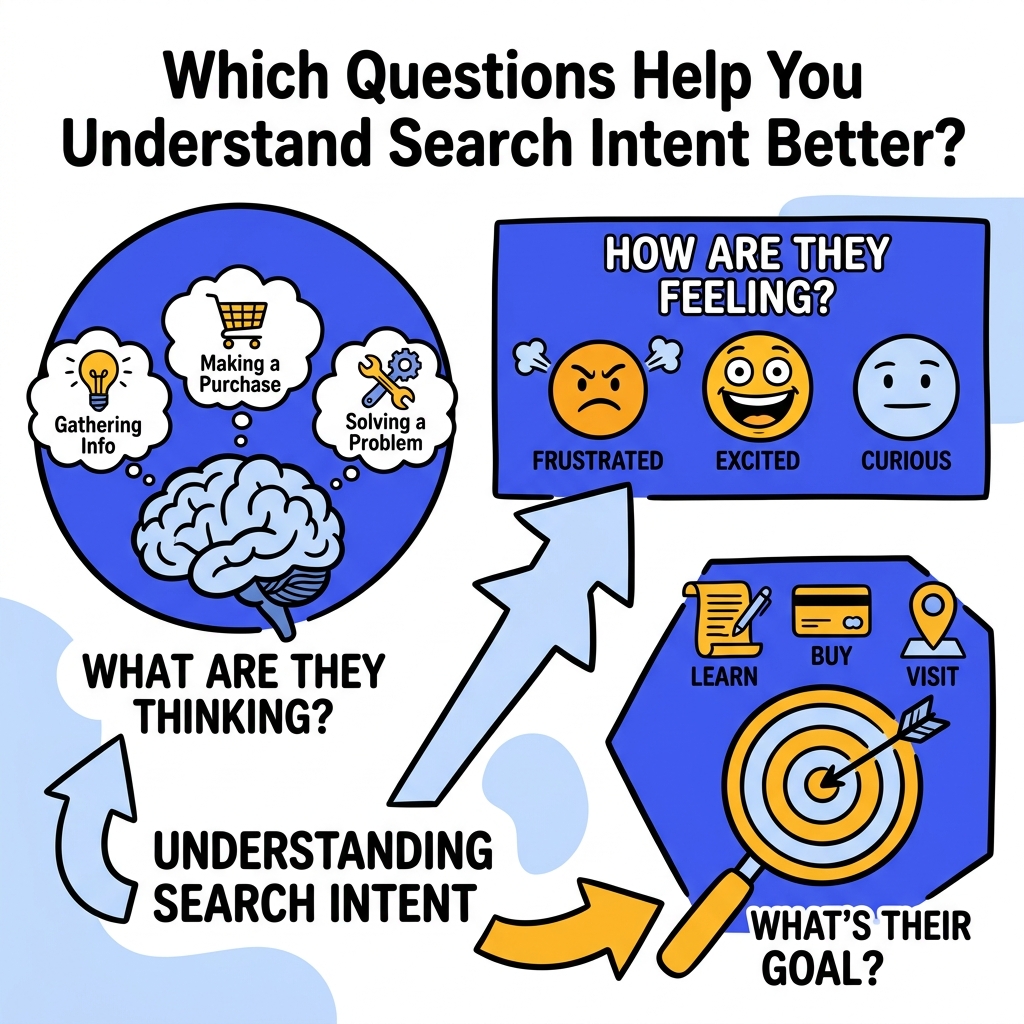
Understanding search intent requires looking beyond keywords to grasp the underlying motivations driving searches. Ask yourself what emotional state someone might be in when searching for your target terms. Are they frustrated with existing solutions, excited about new possibilities, or simply gathering information for future decisions?
Consider the user's journey stage as well. Early-stage researchers ask different questions than people ready to make purchasing decisions. By aligning your content with these different intent levels, you create more targeted and effective SEO strategies. When developing SEO content strategies, this intent-focused questioning becomes even more critical for success.
Timing questions also matter significantly. Is this a seasonal concern, an urgent problem requiring immediate solutions, or an ongoing challenge people research periodically? Understanding temporal context helps you optimize publication timing and content freshness strategies.
How Can You Use Questions to Improve Content Planning?
Strategic questioning transforms chaotic content ideas into organized, purposeful publishing schedules. Start by asking which topics your audience cares about most, then prioritize based on search volume, competition levels, and business relevance.
Question the logical flow of information as well. What foundational concepts must readers understand before tackling advanced topics? This questioning approach helps you build content clusters that support each other and establish topical authority. Effective content planning always begins with these strategic questions about information architecture.
Consider resource allocation questions too. Which content types require the most time and expertise to create effectively? How can you balance high-effort comprehensive guides with quicker, more frequent updates? These practical questions ensure your content strategy remains sustainable and consistently valuable.
What Questions Reveal Content Gap Opportunities?
Content gaps represent your biggest opportunities for SEO success, but identifying them requires asking the right analytical questions. Start by questioning what your competitors cover superficially that deserves deeper exploration. Often, popular topics get generic treatment, leaving room for more comprehensive, authoritative coverage.
Ask about format gaps as well. Maybe everyone covers a topic through blog posts, but nobody has created detailed video tutorials or interactive tools. Different content formats satisfy different learning preferences and can help you capture audiences your competitors miss entirely.
Geographic and demographic questions also reveal opportunities. Are existing resources primarily focused on certain regions, company sizes, or experience levels? These gaps often represent underserved audiences eager for targeted solutions.
What Questions Should Guide Your Content Creation Process?
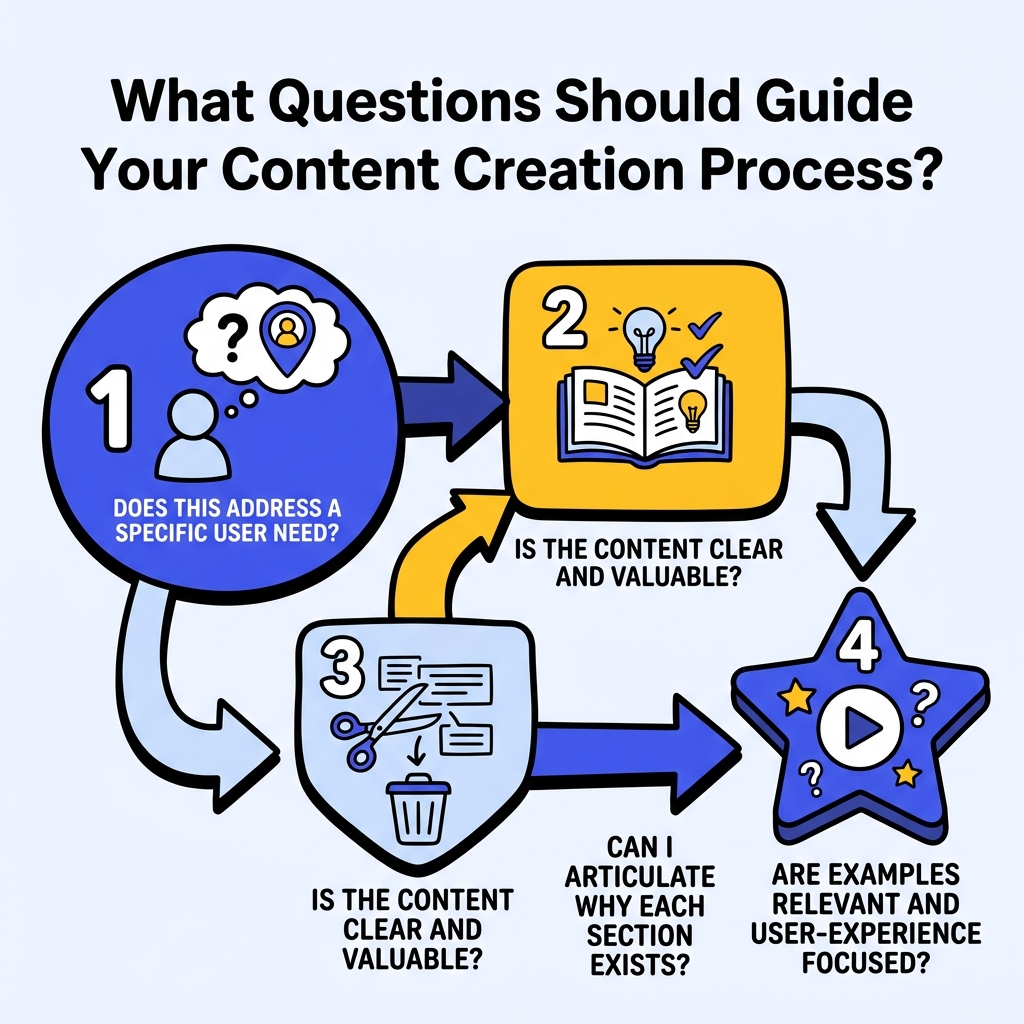
During actual content creation, your questions should focus on clarity, value, and user experience. Ask yourself whether each section directly addresses a specific user need or question. If you cannot clearly articulate why a section exists, it probably shouldn't be there.
Question your examples and evidence as well. Are you providing concrete, actionable information, or just repeating generic advice available everywhere else? The questions you ask about specificity and uniqueness directly impact your content's ability to stand out in crowded search results.
Consider accessibility questions throughout the writing process. Will beginners understand your explanations? Are your headings clear enough for people scanning quickly? These user-focused questions improve both SEO performance and reader satisfaction. Professional content writers consistently apply this questioning framework to produce superior results.
How Do You Measure the Effectiveness of Your Questions?
The best questions lead to measurable improvements in your SEO performance. Track which content pieces generate the most organic traffic, engagement, and conversions. Then analyze what questions drove the research behind your most successful content.
Monitor search console data to see which queries bring people to your content. Often, you'll discover that people find your content through questions you never explicitly considered. These insights help refine your questioning approach for future content development.
Pay attention to user behavior metrics as well. High bounce rates might indicate that your content doesn't actually answer the questions people expected based on your titles and meta descriptions. Use this feedback to improve both your questioning process and content delivery.
Conclusion
Mastering the art of strategic questioning transforms your SEO content from generic to exceptional. By systematically asking the right questions about search intent, audience needs, competitive gaps, and content value, you create a framework for consistently producing content that ranks well and serves your audience effectively.
The questions you ask today determine the success of your content tomorrow. Start implementing this questioning framework in your next content project and watch as your research becomes more focused, your content more valuable, and your SEO results more predictable.
Ready to revolutionize your SEO content strategy? Begin by questioning everything you thought you knew about your audience's needs, then use those insights to create content that truly makes a difference in their lives and your search rankings.

Stefan Winter
Founder & SEO Expert
Founder of Fast SEO Fix and SEO automation expert. Stefan built Fast SEO Fix to solve the tedious problem of manual SEO work. He specializes in SEO optimized content generation, keyword research, and automated SEO strategies.
