What Is Content Planning and Why Does It Matter?
Posted by
 Stefan Winter
How to Master Content Planning: A Complete Guide for 2026
Content planning can make or break your digital marketing success. Without a strategic approach to organizing, scheduling, and executing your content efforts, even the most talented creators struggle to achieve consistent results. This comprehensive guide will walk you through proven content planning strategies that help businesses build authority, engage audiences, and drive measurable growth in 2026.
What Is Content Planning and Why Does It Matter?
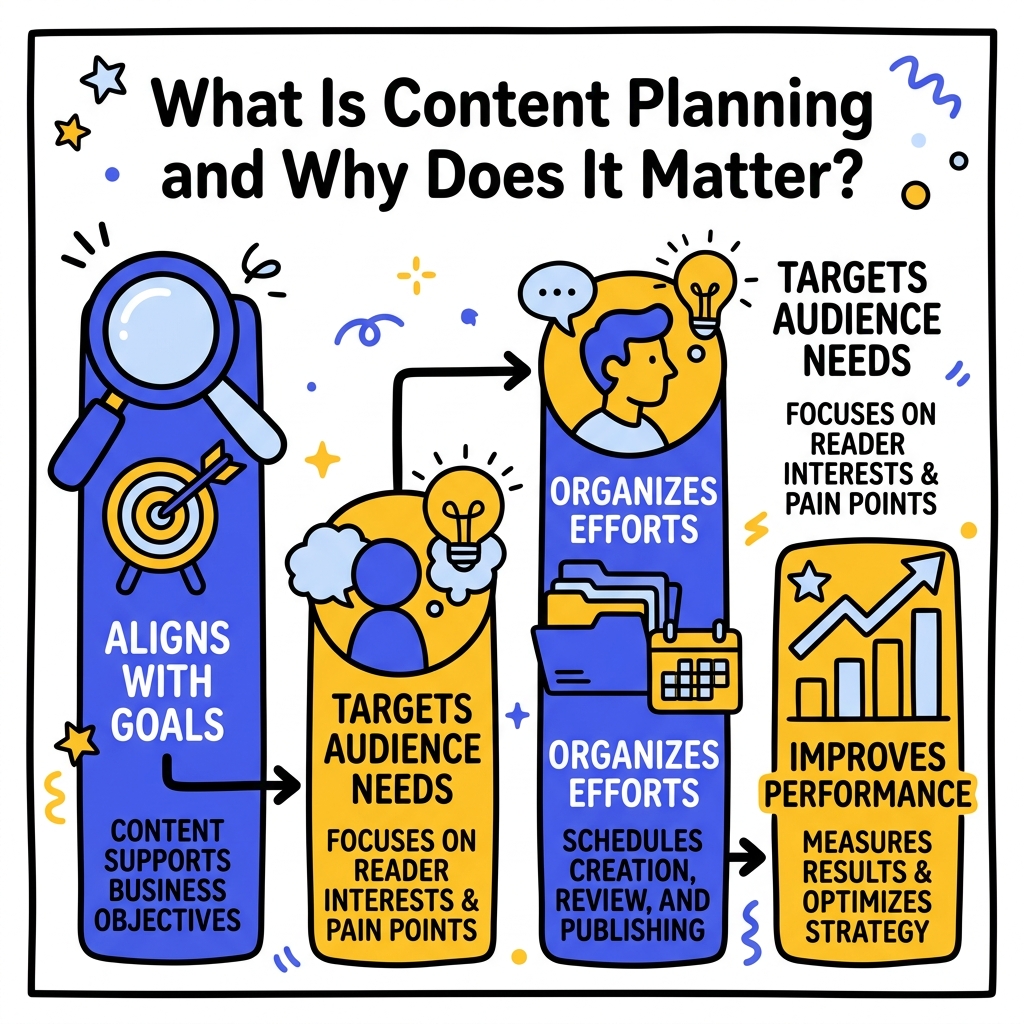
Content planning is the systematic process of strategizing, organizing, and scheduling your content creation efforts to align with business goals and audience needs. Unlike spontaneous content creation, effective planning involves researching topics, mapping content to customer journeys, establishing publishing schedules, and measuring performance against specific objectives.
The importance of structured content planning has grown exponentially as competition for audience attention intensifies. Businesses that implement comprehensive planning processes see 300% higher engagement rates and generate 67% more leads than those creating content reactively. This strategic approach ensures every piece of content serves a purpose while maintaining consistency across all channels.
Modern content planning goes beyond simple editorial calendars. It encompasses audience research, competitive analysis, resource allocation, and performance tracking. When done correctly, it transforms content from a cost center into a revenue-driving asset that builds long-term customer relationships.
How Do You Start Effective Content Planning?
Step 1: Define Your Content Objectives
Begin by establishing clear, measurable goals that align with your overall business strategy. Whether you're aiming to increase brand awareness, generate qualified leads, or nurture existing customers, your objectives should be specific and time-bound. For example, "increase organic traffic by 40% within six months" provides clearer direction than "improve website traffic."
Document these objectives and ensure they connect directly to revenue outcomes. This alignment helps justify content investments and guides decision-making throughout the planning process. Consider both short-term wins and long-term brand building when setting these goals.
Step 2: Research Your Target Audience
Comprehensive audience research forms the foundation of successful content planning. Analyze demographic data, behavioral patterns, pain points, and content consumption preferences. Use surveys, interviews, and analytics tools to gather insights about what topics resonate most with your audience segments.
Create detailed buyer personas that include content preferences, preferred formats, and typical customer journey touchpoints. This research directly influences topic selection, content formats, and distribution strategies. Understanding SEO content creation becomes crucial when aligning audience research with search behavior patterns.
What Tools and Resources Do You Need for Content Planning?
Essential Content Planning Tools
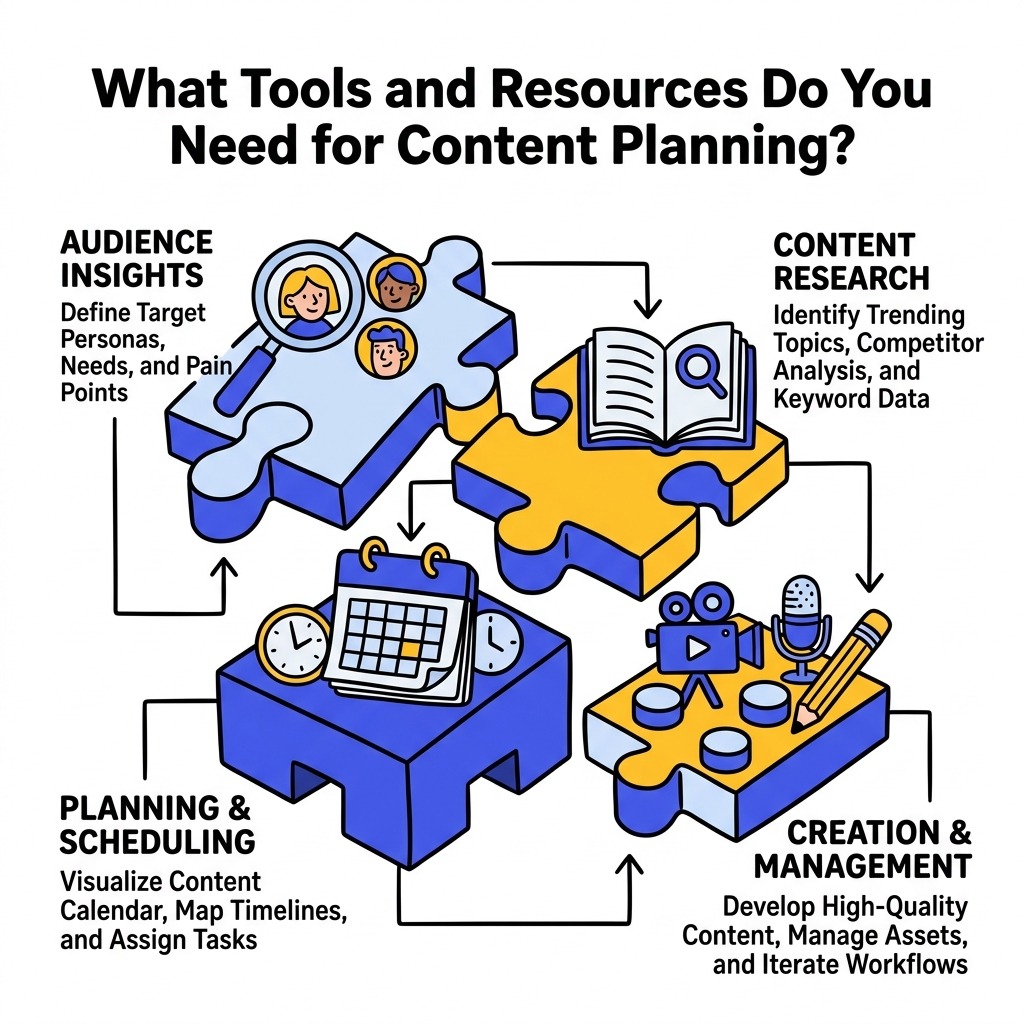
The right tools streamline your planning process and improve collaboration across teams. Content management systems, editorial calendar platforms, and project management tools form the core technology stack for effective planning. Popular options include Airtable for database-style organization, Trello for visual project management, and specialized platforms like CoSchedule for marketing-focused planning.
Analytics tools provide crucial insights for data-driven planning decisions. Google Analytics, social media analytics, and SEO platforms help identify high-performing topics and optimal publishing times. Modern writing assistants can also enhance planning efficiency by helping generate topic ideas and optimize content structure.
Building Your Content Planning Team
Successful content planning requires diverse skills and perspectives. Identify team members responsible for strategy, creation, editing, design, and promotion. Even small teams benefit from clearly defined roles and responsibilities within the planning process.
Consider external resources for specialized needs like graphic design, video production, or technical writing. Establishing clear communication channels and approval processes prevents bottlenecks and ensures consistent quality across all content outputs.
How Do You Create a Content Calendar That Actually Works?
Mapping Content to Customer Journey Stages
Effective content calendars align topics with specific stages of the customer journey. Awareness-stage content addresses broad industry challenges, consideration-stage content compares solutions, and decision-stage content demonstrates specific product benefits. This strategic mapping ensures you're creating content that guides prospects toward conversion.
Plan content clusters around core topics to establish topical authority. This approach involves creating comprehensive pillar content supported by related subtopic pieces. The strategy improves search visibility while providing thorough coverage of subjects important to your audience.
| Journey Stage | Content Types | Primary Goals | Publishing Frequency |
|---|---|---|---|
| Awareness | Blog posts, guides, infographics | Education, visibility | 3-4 times per week |
| Consideration | Comparisons, case studies, webinars | Trust building, differentiation | 1-2 times per week |
| Decision | Demos, testimonials, free trials | Conversion, purchase | As needed |
| Retention | Updates, tutorials, exclusive content | Loyalty, upselling | Weekly |
Establishing Realistic Publishing Schedules
Base your publishing frequency on available resources rather than competitor benchmarks. Consistent, high-quality content published less frequently outperforms sporadic, rushed content. Start with a manageable schedule and increase frequency as your team develops efficient workflows.
Factor in content production timelines, review processes, and promotional activities when setting deadlines. Build buffer time for unexpected delays or opportunities to capitalize on trending topics. Professional content marketing services can help maintain consistency when internal resources are limited.
What Are the Most Common Content Planning Mistakes to Avoid?
Planning Without Data
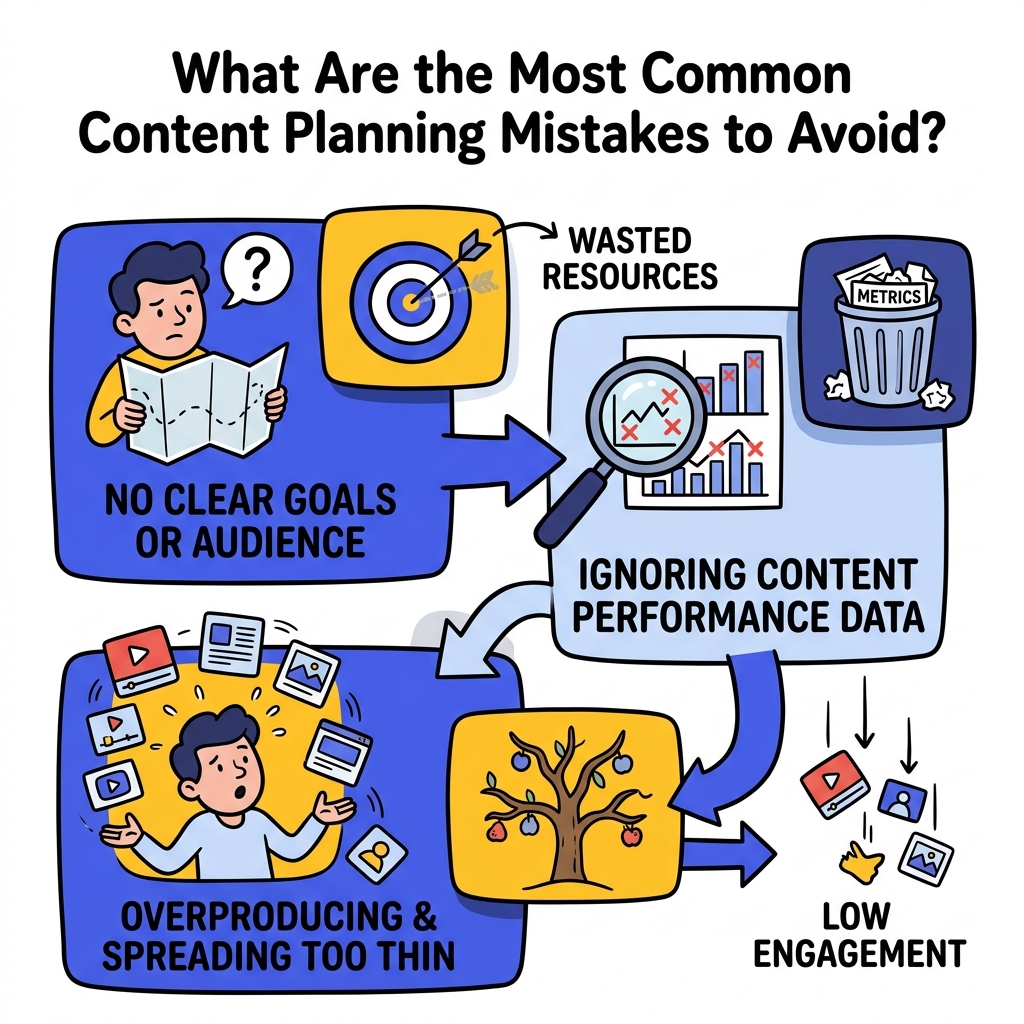
Many content creators rely on assumptions rather than data when making planning decisions. This approach leads to misaligned content that fails to engage target audiences or drive business results. Always base topic selection, format choices, and distribution strategies on concrete audience insights and performance data.
Regularly review analytics to identify top-performing content and understand why certain pieces succeed. Use these insights to inform future planning decisions and replicate successful approaches across different topics.
Ignoring Seasonal and Industry Trends
Effective content planning anticipates seasonal fluctuations and industry events that impact audience behavior. Plan holiday-related content months in advance, prepare for industry conference seasons, and monitor trending topics that align with your expertise areas.
Create flexible planning frameworks that accommodate timely opportunities while maintaining strategic focus. This balance allows you to capitalize on trending topics without deriving from core content objectives.
How Do You Measure Content Planning Success?
Key Performance Indicators for Content Planning
Track metrics that directly connect to your established objectives rather than vanity metrics like page views or social shares alone. Focus on engagement quality, lead generation, conversion rates, and customer lifetime value improvements attributable to content efforts.
According to Content Marketing Institute research, successful content marketers track an average of six key metrics, with organic traffic growth and lead quality being top priorities. Establish baseline measurements before implementing new planning strategies to accurately assess improvement.
Continuous Optimization Strategies
Content planning is an iterative process that improves through regular analysis and adjustment. Monthly planning reviews help identify successful strategies worth expanding and underperforming approaches that need modification.
Survey your audience quarterly to understand evolving preferences and pain points. This feedback ensures your planning remains relevant as market conditions and customer needs change. Document lessons learned and successful approaches to build institutional knowledge that improves future planning efforts.
Conclusion
Effective content planning transforms scattered content efforts into strategic assets that drive measurable business growth. By establishing clear objectives, understanding your audience deeply, using appropriate tools, and maintaining data-driven optimization practices, you create content that consistently delivers value to both your audience and your organization.
The key to successful content planning lies in balancing strategic thinking with execution flexibility. Start with the fundamentals outlined in this guide, then adapt and refine your approach based on performance data and audience feedback. Remember that great content planning is an ongoing process, not a one-time setup.
Ready to implement these content planning strategies for your business? Start by auditing your current content efforts and identifying the biggest gaps in your planning process. Focus on one improvement area at a time to build sustainable planning habits that deliver long-term results.

Stefan Winter
Founder & SEO Expert
Founder of Fast SEO Fix and SEO automation expert. Stefan built Fast SEO Fix to solve the tedious problem of manual SEO work. He specializes in SEO optimized content generation, keyword research, and automated SEO strategies.
