What Is Content Creation for SEO and Why Does It Matter?
Posted by
 Stefan Winter
How to Master Content Creation for SEO: A Complete Guide to Search-Driven Writing

Creating content that ranks well in search engines while engaging your audience requires a strategic approach that goes beyond simply writing good articles. Content creation for SEO combines the art of compelling storytelling with the science of search optimization, helping your website attract organic traffic and convert visitors into customers. In this comprehensive guide, you'll discover proven techniques to create content that both search engines and readers love, from initial keyword research to final optimization.
What Is Content Creation for SEO and Why Does It Matter?
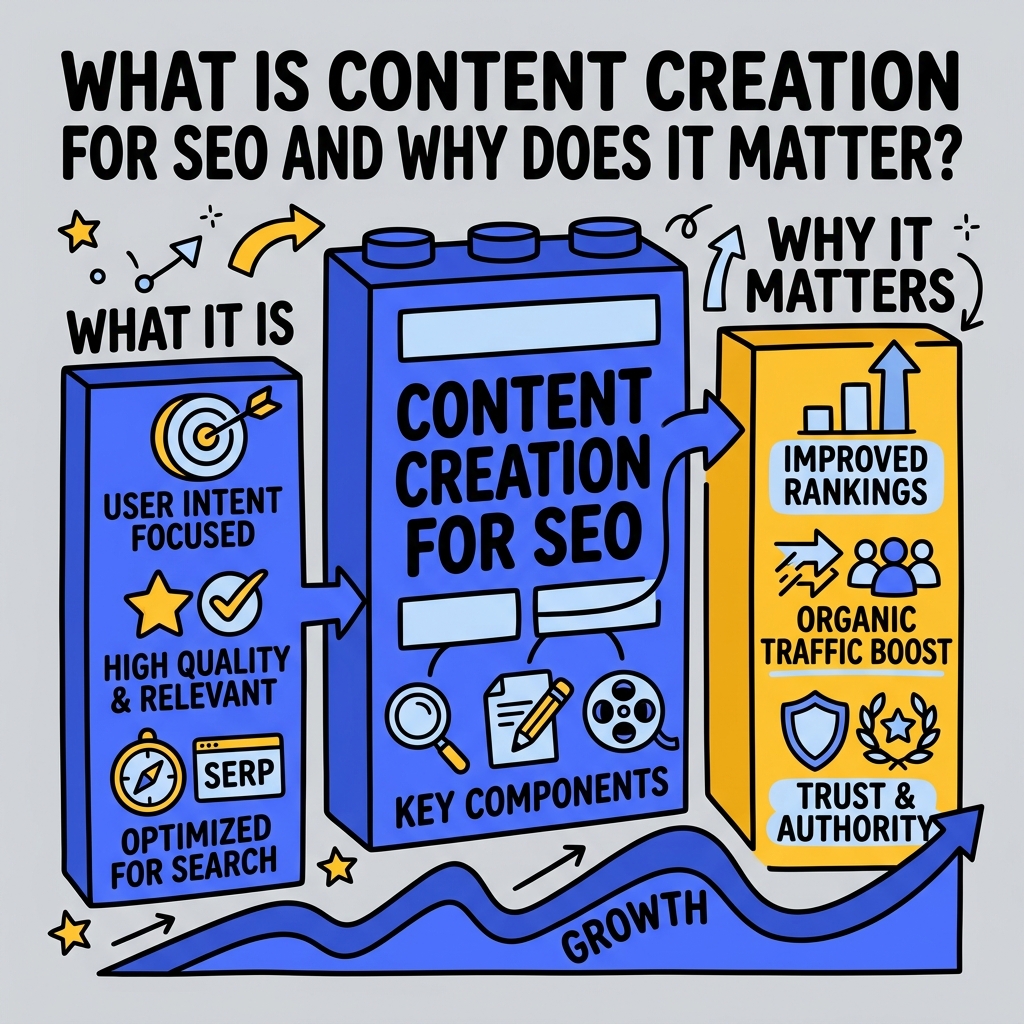
Content creation for SEO is the process of developing written, visual, or multimedia content specifically designed to rank well in search engine results while providing genuine value to your target audience. Unlike traditional content writing, SEO-focused content creation requires understanding search intent, incorporating relevant keywords naturally, and structuring information in ways that search engines can easily crawl and index.
The importance of this approach has grown significantly in 2026, as search algorithms have become more sophisticated at detecting and rewarding high-quality, user-focused content. Google's helpful content guidelines emphasize that successful content must demonstrate expertise, authoritativeness, and trustworthiness while directly addressing user needs.
When done correctly, SEO content creation drives organic traffic, establishes your brand as an industry authority, and generates leads without the ongoing costs associated with paid advertising. The key lies in balancing optimization techniques with authentic, valuable information that genuinely helps your audience solve problems or answer questions.
How to Research Keywords for SEO Content Creation
Effective content creation for SEO begins with thorough keyword research that reveals what your audience is actually searching for online. Start by identifying your primary topic, then use tools like Google Keyword Planner, SEMrush, or Ahrefs to discover related terms with good search volume and manageable competition levels.
Focus on finding a mix of head terms (short, broad keywords) and long-tail keywords (longer, more specific phrases). Long-tail keywords often have lower competition and higher conversion rates because they capture more specific search intent. For example, instead of targeting the broad term "marketing," you might focus on "content marketing strategies for small businesses" or "digital marketing tools for beginners."
Pay attention to search intent behind each keyword. Are users looking for information (informational intent), trying to find a specific website (navigational intent), or ready to make a purchase (transactional intent)? Understanding this helps you create content that matches what searchers actually want to find.
Building Your Content Keyword Strategy
Once you've identified potential keywords, organize them into content clusters around main topics. This approach allows you to create comprehensive content that covers related subtopics while avoiding keyword cannibalization. Create a spreadsheet that includes your target keywords, search volume, competition level, and planned content type for each term.
Consider seasonal trends and emerging topics in your industry. Tools like Google Trends can help you identify when certain keywords peak in popularity, allowing you to time your content publication for maximum impact. This strategic timing can significantly boost your content's initial visibility and engagement.
What Makes SEO Content Structure Different from Regular Writing?
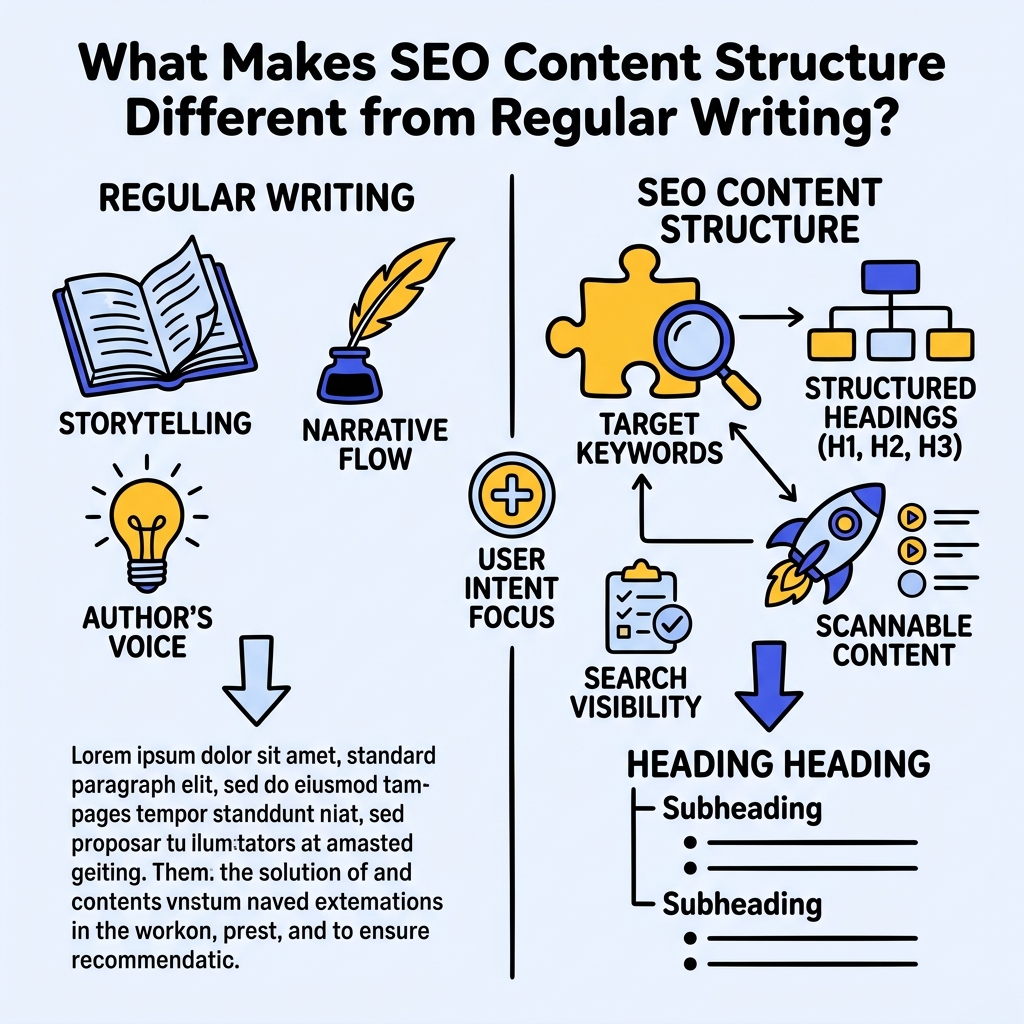
The structure of SEO content follows specific patterns that help both search engines and readers navigate your information effectively. Start with a compelling headline that includes your target keyword naturally, followed by an introduction that clearly states what readers will learn or achieve by reading your content.
Use a logical heading hierarchy with H2 and H3 tags to break up your content into digestible sections. Each heading should include relevant keywords when appropriate, but prioritize clarity and user experience over keyword stuffing. Search engines use these headings to understand your content's organization and main topics.
| Content Element | SEO Best Practice | User Benefit |
|---|---|---|
| Headlines | Include target keyword naturally | Clear expectation setting |
| Subheadings | Use H2/H3 hierarchy with related terms | Easy scanning and navigation |
| Paragraphs | Keep to 3-4 sentences maximum | Improved readability |
| Lists | Use bullet points and numbered lists | Quick information consumption |
| Internal Links | Link to relevant related content | Extended engagement |
Optimizing Content Flow and Readability
Create smooth transitions between sections using connecting phrases and logical progression of ideas. Each paragraph should focus on one main concept, with sentences that flow naturally from one to the next. This approach keeps readers engaged while making it easier for search engines to understand your content's context and relevance.
Include relevant internal links to other valuable content on your website. For instance, when discussing content planning, you might reference our guide on what makes a content planner essential for modern businesses to provide additional value to readers while strengthening your site's internal link structure.
How to Write SEO Content That Ranks and Converts
Writing effective SEO content requires balancing optimization techniques with engaging, valuable information that addresses your audience's specific needs. Begin each piece by clearly defining the problem you're solving or the question you're answering, then provide comprehensive, actionable solutions.
Incorporate your target keywords naturally throughout the content, including in the first paragraph, several subheadings, and conclusion. However, avoid keyword stuffing, which can harm both readability and search rankings. Instead, use semantic keywords and related terms that provide context and depth to your topic coverage.
Focus on creating content that demonstrates expertise and builds trust with your audience. Include specific examples, case studies, data, and actionable tips that readers can implement immediately. This approach not only improves your search rankings but also increases the likelihood that readers will share your content and return to your website.
Incorporating Visual Elements and Media
Enhance your written content with relevant images, infographics, videos, or charts that support your main points. These visual elements improve user engagement and can provide additional opportunities for SEO through alt text optimization and image search visibility.
When adding images, use descriptive file names and alt text that includes relevant keywords when appropriate. This practice helps search engines understand your visual content while improving accessibility for users with screen readers.
What Tools Should You Use for SEO Content Creation?
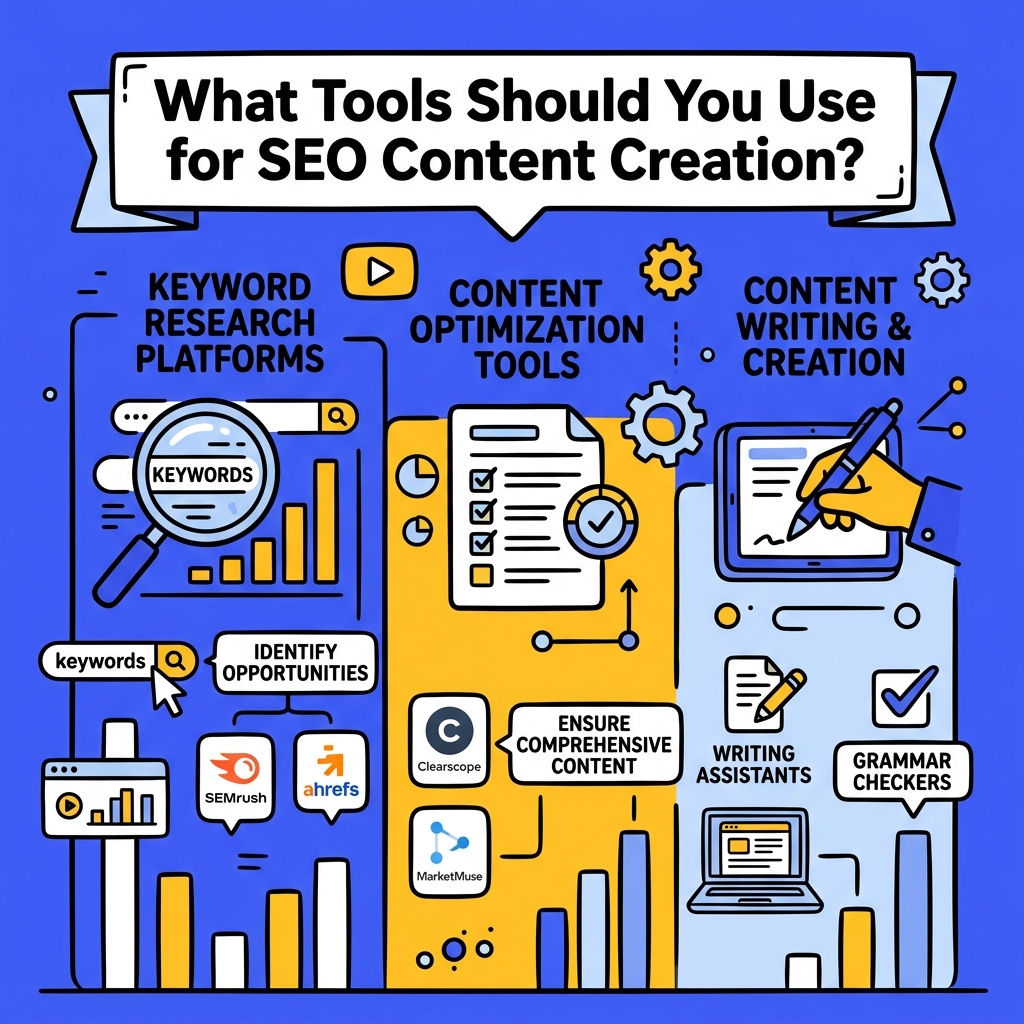
Successful content creation for SEO requires the right combination of research, writing, and optimization tools. Essential tools include keyword research platforms like SEMrush or Ahrefs for identifying opportunities, content optimization tools like Clearscope or MarketMuse for ensuring comprehensive topic coverage, and analytics platforms like Google Analytics for measuring performance.
For content creation workflow, consider using tools that streamline collaboration and maintain consistency across your content. Our detailed analysis of what exactly should you look for in a content creator tool covers the essential features that can significantly improve your content production efficiency.
Writing tools like Grammarly or Hemingway Editor help ensure your content is clear, error-free, and readable. Additionally, SEO plugins like Yoast or RankMath can provide real-time optimization suggestions as you write, helping you maintain SEO best practices without interrupting your creative flow.
Measuring and Improving Content Performance
Track your content's performance using metrics like organic traffic, search rankings, time on page, and conversion rates. Tools like Google Search Console provide valuable insights into which queries bring users to your content and how your pages perform in search results.
Use this data to identify opportunities for content updates and improvements. Regularly refreshing your content with new information, updated statistics, and additional insights can help maintain and improve search rankings over time.
How to Scale Your SEO Content Creation Process
As your content needs grow, developing scalable systems becomes crucial for maintaining quality while increasing output. Create detailed content briefs that include target keywords, audience information, key points to cover, and optimization requirements. This standardization helps ensure consistency whether you're writing content yourself or working with freelancers and agencies.
Develop content templates for different types of posts, such as how-to guides, product comparisons, or industry news articles. These templates should include standard sections, optimization checkpoints, and formatting guidelines that streamline the creation process while maintaining SEO best practices.
Consider the benefits of working with professional content marketing services when your content needs exceed your internal capacity. Professional services can provide expertise, scalability, and consistency that might be challenging to achieve with limited internal resources.
Building a Sustainable Content Calendar
Plan your content creation around a strategic calendar that considers seasonal trends, product launches, industry events, and keyword opportunities. This forward-thinking approach allows you to create timely, relevant content that captures search traffic when your audience is most interested in specific topics.
Include time for content updates and refreshes in your calendar. Search engines favor fresh, current content, so regularly updating your best-performing pieces can provide significant SEO benefits with relatively minimal effort.
Conclusion
Mastering content creation for SEO requires combining strategic keyword research, user-focused writing, and technical optimization techniques. By understanding your audience's search intent, creating well-structured content that provides genuine value, and using the right tools to measure and improve performance, you can build a content strategy that drives consistent organic traffic and business growth.
The key to success lies in maintaining focus on your audience's needs while implementing SEO best practices that help search engines discover and rank your content. Start by implementing the research and writing techniques outlined in this guide, then gradually expand your approach as you gain experience and see results.
Ready to transform your content strategy? Begin by conducting keyword research for your next piece of content, and remember that consistency and quality will always outperform quick fixes or shortcuts in the long-term SEO game.

Stefan Winter
Founder & SEO Expert
Founder of Fast SEO Fix and SEO automation expert. Stefan built Fast SEO Fix to solve the tedious problem of manual SEO work. He specializes in SEO optimized content generation, keyword research, and automated SEO strategies.
