What Exactly Should You Look for in a Content Creator Tool?
Posted by
 Stefan Winter
How to Choose the Perfect Content Creator Tool for Your Business in 2026
Content creators today face an overwhelming array of digital tools promising to streamline their workflow, boost productivity, and enhance their creative output. With over 500 content creation platforms available in 2026, selecting the right content creator tool can make the difference between struggling with manual processes and achieving scalable success. This comprehensive guide will walk you through the essential steps to identify, evaluate, and implement the perfect content creator tool for your specific needs, ensuring you make an informed investment that drives real results.
What Exactly Should You Look for in a Content Creator Tool?
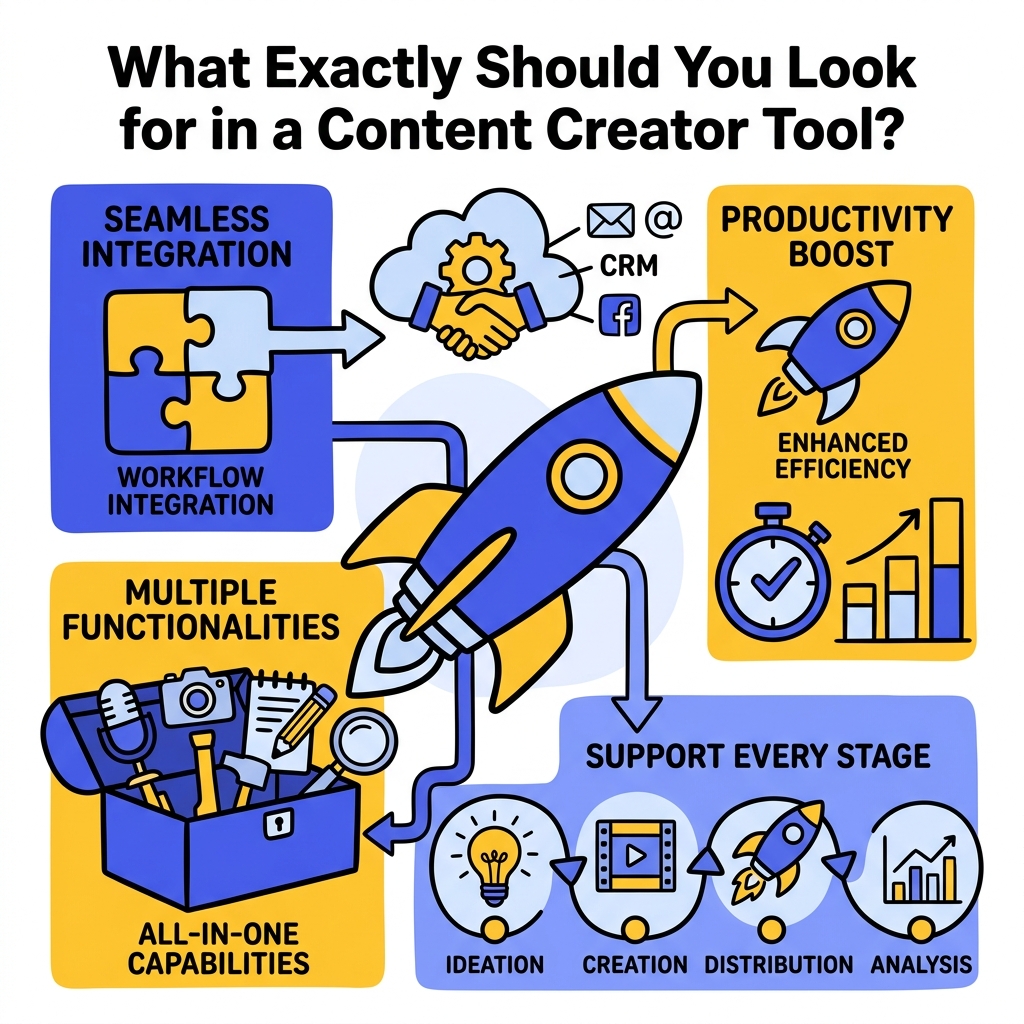
A content creator tool serves as your digital workspace, combining multiple functionalities to support every stage of the content development process. The best tools integrate seamlessly into your existing workflow while offering features that genuinely enhance your productivity.
Modern content creator tools have evolved far beyond simple text editors. Today's platforms incorporate artificial intelligence, collaborative features, SEO optimization capabilities, and multi-format publishing options. When evaluating potential solutions, focus on tools that address your specific pain points rather than those offering the most features.
The key distinction lies in understanding whether you need a comprehensive all-in-one platform or specialized tools for specific tasks. Your choice should align with your content volume, team size, and distribution channels. For businesses serious about content marketing success, understanding what makes effective blog writing different from other content types becomes crucial when selecting the right tool.
How Do You Assess Your Current Content Creation Challenges?
Before diving into tool selection, conduct an honest audit of your existing content creation process. Document every step from initial ideation to final publication, noting where bottlenecks occur and which tasks consume the most time.
Common challenges include inconsistent publishing schedules, difficulty maintaining brand voice across multiple creators, time-consuming research phases, and complex approval workflows. Identify whether your primary struggles involve content planning, creation, optimization, or distribution.
Create a priority matrix ranking your challenges by impact and frequency. This exercise reveals which features deserve premium investment versus nice-to-have additions. For instance, if SEO optimization consistently delays your publishing timeline, prioritize tools with robust keyword research and content scoring capabilities.
What Are Your Non-Negotiable Requirements?
Establish your minimum viable requirements before exploring options. Consider factors like team collaboration needs, integration requirements with existing systems, budget constraints, and technical skill levels of your users.
Security and compliance requirements often determine tool eligibility, especially for businesses handling sensitive information or operating in regulated industries. Additionally, consider scalability needs as your content operations grow.
How to Evaluate Content Creator Tool Categories
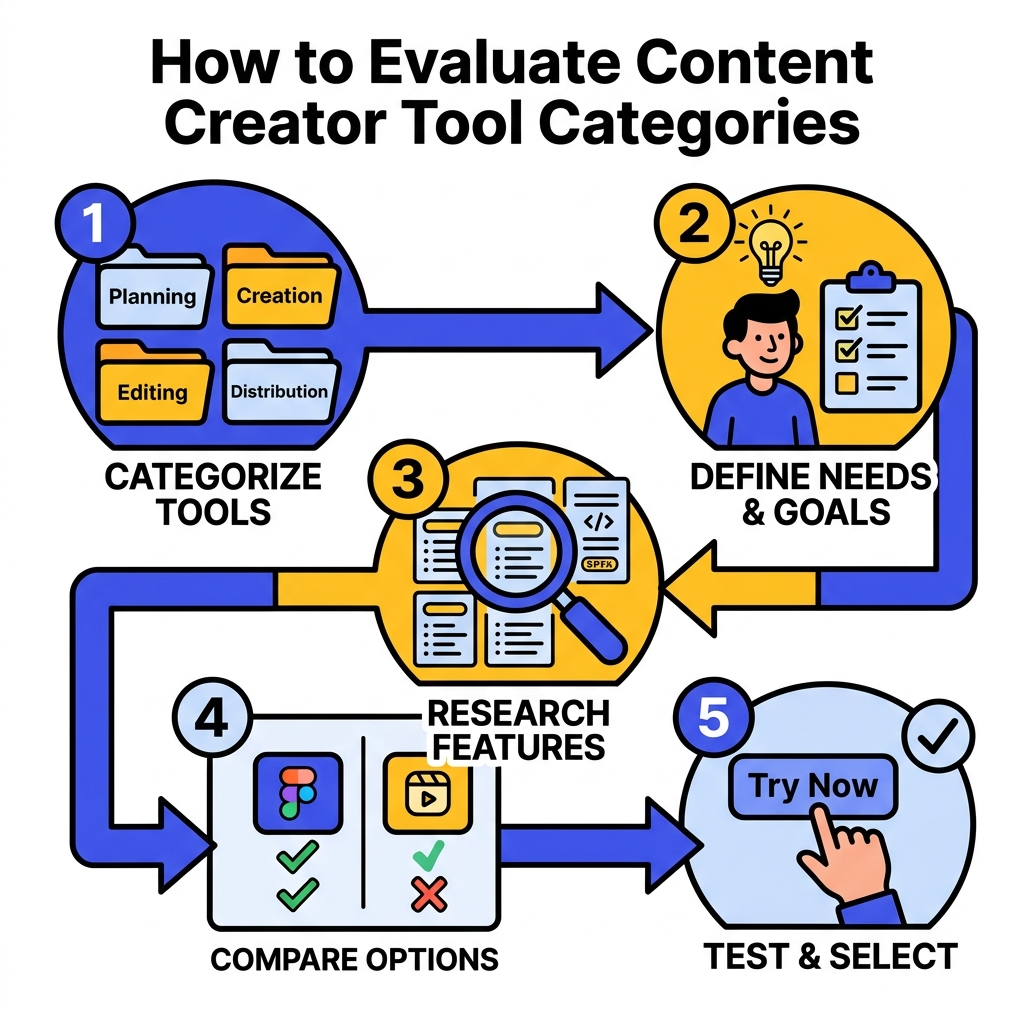
Content creator tools generally fall into several categories, each serving different aspects of the content lifecycle. Understanding these categories helps narrow your search and prevents feature overlap between multiple tools.
Planning and Strategy Tools focus on editorial calendars, content mapping, and strategic alignment. These platforms excel at organizing long-term content strategies and ensuring consistent publishing schedules. Creation and Writing Tools emphasize the actual content development process, offering features like AI writing assistance, grammar checking, and collaborative editing. Many integrate directly with popular content management systems for seamless publishing. Optimization and Analytics Tools specialize in improving content performance through SEO analysis, readability scoring, and performance tracking. These tools often connect with comprehensive SEO services to provide holistic content optimization.| Tool Category | Primary Function | Best For | Key Features |
|---|---|---|---|
| Planning Tools | Strategy & Organization | Editorial teams | Calendar management, workflow automation |
| Writing Tools | Content Creation | Individual creators | AI assistance, collaboration, templates |
| Optimization Tools | Performance Enhancement | SEO-focused teams | Keyword research, analytics, scoring |
| All-in-One Platforms | Complete Workflow | Growing businesses | Integrated features, scalability |
Which Features Provide the Most Value?
Focus on features that directly address your identified challenges rather than impressive-sounding capabilities you may never use. Essential features typically include intuitive user interfaces, reliable customer support, and robust integration capabilities.
Advanced features worth considering include AI-powered content suggestions, automated SEO optimization, multi-channel publishing, and detailed performance analytics. However, these should supplement, not replace, fundamental functionality.
What's the Best Approach for Testing Content Creator Tools?
Most reputable content creator tool providers offer free trials or freemium versions. Take advantage of these opportunities to test tools with your actual content and workflows rather than sample projects.
Create a standardized testing process using the same content brief across different platforms. This approach provides direct comparisons of user experience, output quality, and time investment required for similar tasks.
During testing, involve team members who will actually use the tool daily. Their feedback often reveals usability issues or workflow conflicts that might not be apparent during individual evaluation. Pay attention to learning curves and whether the tool genuinely improves efficiency or simply adds complexity.
How Long Should Your Trial Period Last?
Allow sufficient time to test tools beyond initial setup and basic functionality. A meaningful trial period spans at least two weeks, enabling you to experience the tool across different content types and team scenarios.
Document specific metrics during trials, including time savings, content quality improvements, and user satisfaction scores. This data proves invaluable when justifying tool investments and making final selection decisions.
How Do You Calculate the True Cost of Content Creator Tools?
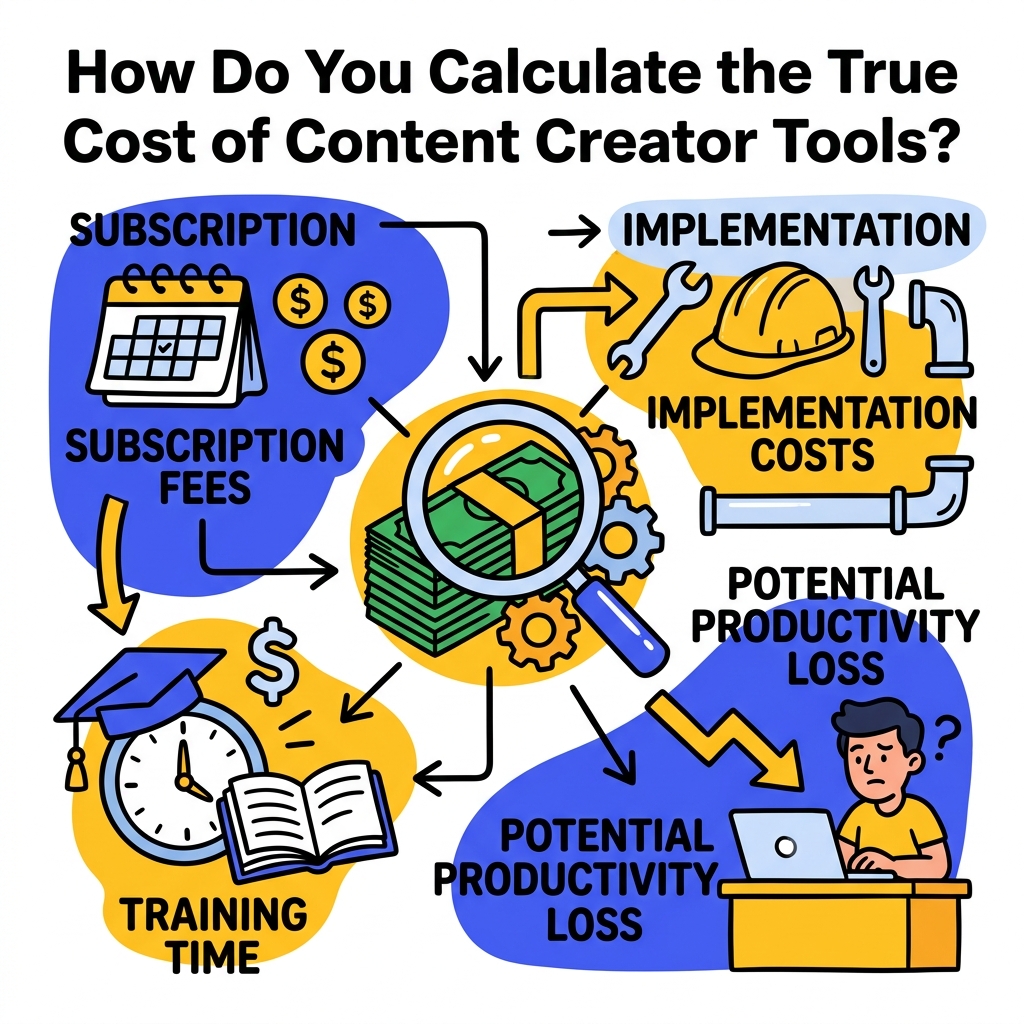
Beyond subscription fees, consider implementation costs, training time, and potential productivity losses during transition periods. Many businesses underestimate the total cost of ownership when switching content creation systems.
Factor in integration costs if the tool requires connecting with existing platforms like customer relationship management systems, email marketing tools, or analytics platforms. Some tools offer extensive integration libraries, while others require custom development or third-party services.
Consider the cost of not investing in proper tools. Manual content creation processes often involve hidden expenses through inefficient time usage, inconsistent quality, and missed optimization opportunities. A well-chosen content creator tool typically pays for itself through improved productivity and better content performance.
Understanding how your chosen tool fits into your broader content marketing strategy ensures maximum return on investment and strategic alignment.
What About Scalability and Future Needs?
Select tools that can grow with your business rather than solutions you'll quickly outgrow. Consider factors like user limits, content volume restrictions, and advanced feature availability as your needs evolve.
Many successful businesses start with basic plans and upgrade as their content operations mature. However, ensure your chosen platform offers a clear upgrade path without requiring complete system changes that disrupt established workflows.
How to Implement Your Chosen Content Creator Tool Successfully?
Successful implementation requires careful planning, team training, and gradual transition strategies. Avoid the temptation to migrate all content creation activities immediately, as this often leads to confusion and productivity losses.
Start with a pilot project using a small team or specific content type. This approach allows you to identify potential issues and refine processes before full-scale implementation. Document best practices and create internal guidelines based on your pilot experience.
Provide comprehensive training for all team members, focusing on features most relevant to their roles. Many content creator tools offer certification programs or detailed documentation that can accelerate the learning process and ensure consistent usage across your organization.
Conclusion
Choosing the right content creator tool requires careful analysis of your specific needs, thorough evaluation of available options, and strategic implementation planning. The perfect tool balances functionality with usability while fitting within your budget and technical requirements. Remember that the most expensive or feature-rich option isn't always the best choice for your unique situation.
Take time to properly assess your current challenges, test multiple options thoroughly, and consider long-term scalability needs. The investment in selecting the right content creator tool will pay dividends through improved efficiency, better content quality, and more consistent publishing schedules.
Ready to transform your content creation process? Start by documenting your current workflow challenges and exploring tools that specifically address your highest-priority needs. The right content creator tool is waiting to streamline your operations and elevate your content marketing success.

Stefan Winter
Founder & SEO Expert
Founder of Fast SEO Fix and SEO automation expert. Stefan built Fast SEO Fix to solve the tedious problem of manual SEO work. He specializes in SEO optimized content generation, keyword research, and automated SEO strategies.
