What Makes Effective Blog Writing Different from Other Content Types?
Posted by
 Stefan Winter
How to Master Blog Writing: Your Complete Guide to Creating Engaging Content in 2026
Blog writing has evolved into one of the most powerful tools for businesses to connect with their audience, drive traffic, and establish authority in their industry. Whether you're a seasoned marketer or just starting your content journey, mastering the art of blog writing can transform your online presence and deliver measurable results for your business.
In this comprehensive guide, you'll discover proven strategies, practical techniques, and actionable steps to elevate your blog writing skills. From planning your content to optimizing for search engines, we'll cover everything you need to create compelling blog posts that resonate with readers and drive meaningful engagement.
What Makes Effective Blog Writing Different from Other Content Types?
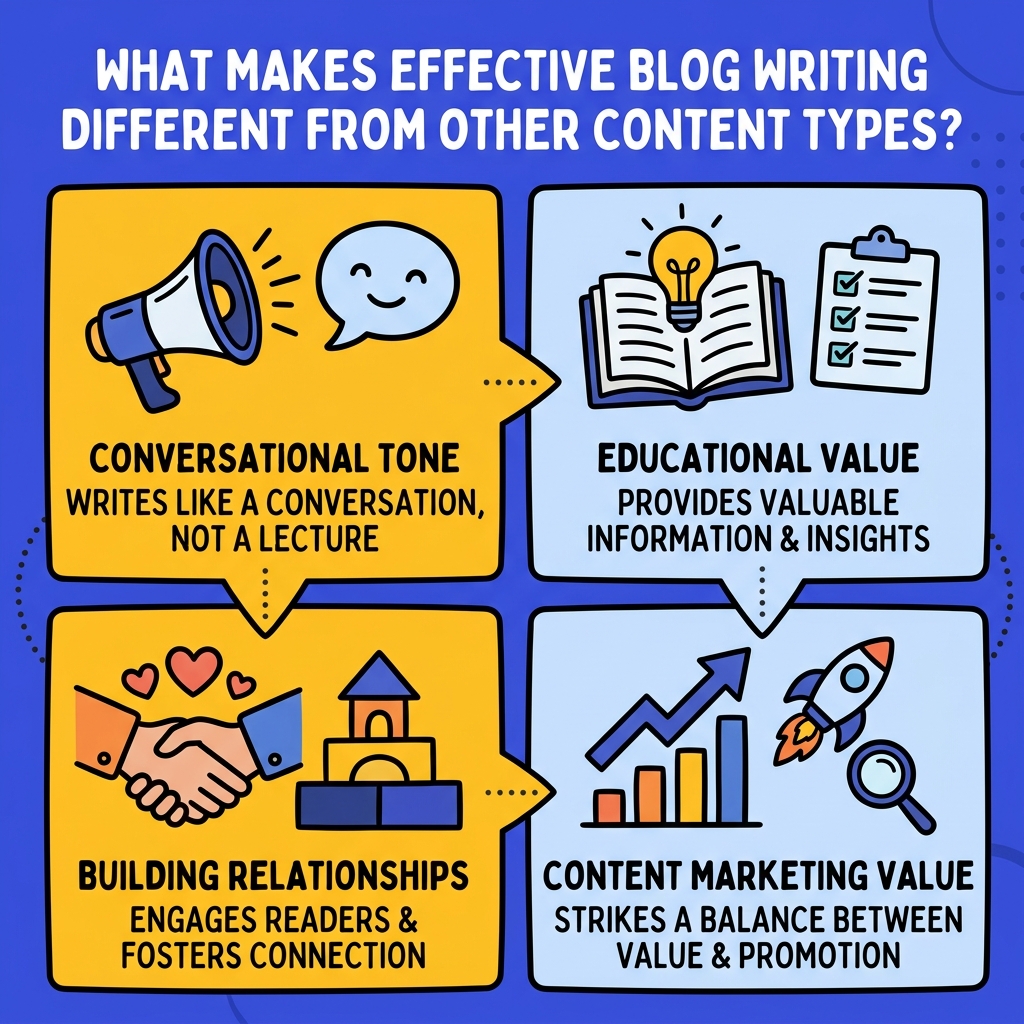
Blog writing occupies a unique space in the content marketing landscape. Unlike academic writing or journalism, blog writing combines informational value with conversational tone, creating content that educates while building relationships with readers.
The most successful blog posts strike a balance between providing valuable information and maintaining readability. They address specific problems your audience faces while incorporating your brand's voice and expertise. This approach requires understanding both your subject matter and your readers' needs, preferences, and pain points.
Effective blog writing also differs in its structure and pacing. Blog readers typically scan content before diving deeper, which means your writing must be organized with clear headings, bullet points, and logical flow. The goal is to make complex information accessible and actionable for busy readers who want quick solutions.
How Do You Plan Your Blog Writing Strategy?
Start with Audience Research and Topic Selection
Before writing a single word, successful bloggers invest time in understanding their audience and selecting topics that provide genuine value. This research phase determines whether your blog writing efforts will connect with readers or fall flat.
Begin by analyzing your target audience's questions, challenges, and interests. Use tools like Google Analytics, social media insights, and customer feedback to identify topics that resonate with your readers. The most effective blog posts answer specific questions or solve particular problems your audience encounters regularly.
Consider creating reader personas to guide your blog writing decisions. These detailed profiles help you understand not just what your audience wants to read, but how they prefer to consume information. Some readers prefer step-by-step guides, while others respond better to case studies or opinion pieces.
Create a Content Calendar for Consistent Publishing
Consistency plays a crucial role in successful blog writing. Readers and search engines both favor websites that publish valuable content regularly. A well-planned content calendar ensures you maintain this consistency while covering topics strategically.
When planning your content calendar, consider seasonal trends, industry events, and your business objectives. Mix different types of blog posts to keep your content fresh and engaging. For example, alternate between educational how-to guides, industry insights, and behind-the-scenes content.
Your content calendar should also account for the time required for research, writing, editing, and promotion. Most professional bloggers allocate 2-4 hours for researching and writing a comprehensive blog post, plus additional time for optimization and promotion activities.
How Do You Structure Blog Posts for Maximum Impact?
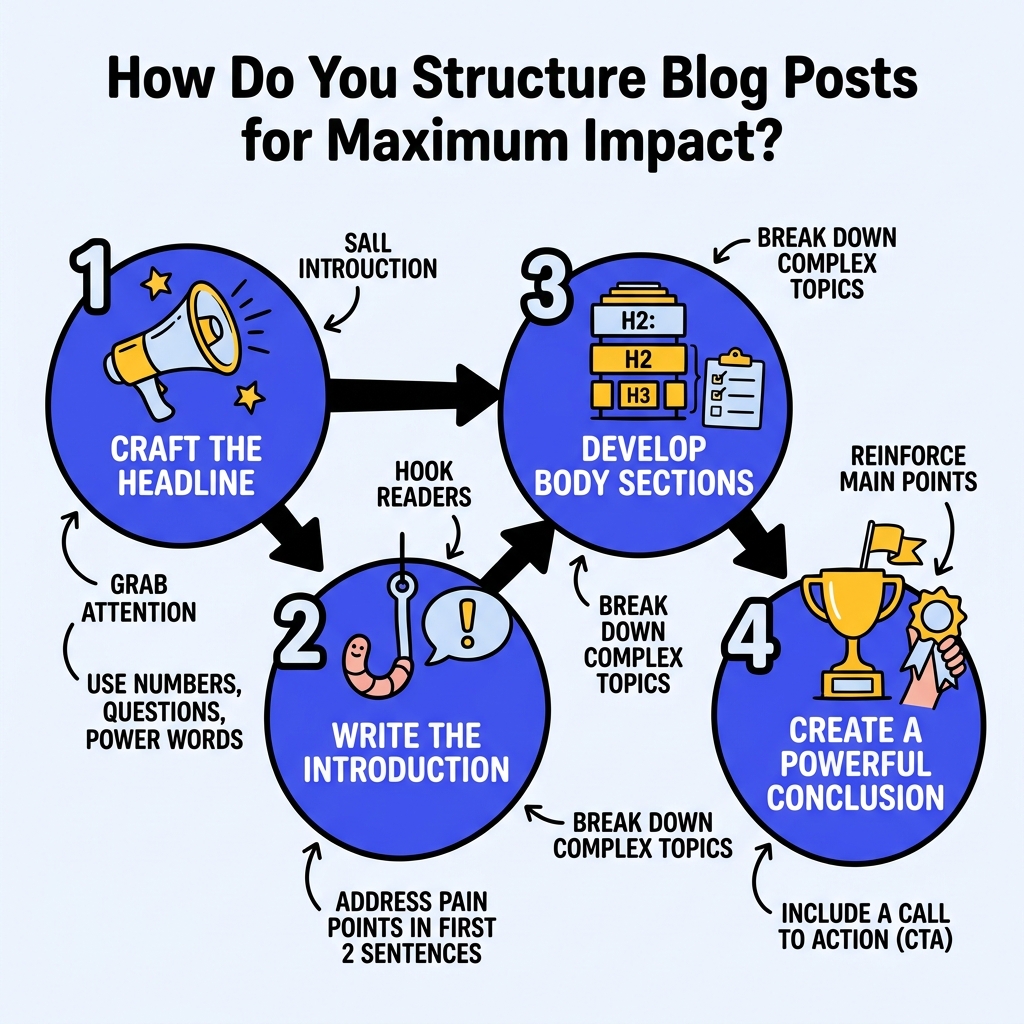
| Blog Post Element | Purpose | Best Practices |
|---|---|---|
| Headline | Grab attention and set expectations | Use numbers, questions, or power words |
| Introduction | Hook readers and preview value | Address pain points in first 2 sentences |
| Body Sections | Deliver promised information | Use H2/H3 headings and short paragraphs |
| Conclusion | Summarize and encourage action | Include clear call-to-action |
| Meta Elements | Improve search visibility | Optimize title tags and descriptions |
Craft Compelling Headlines That Drive Clicks
Your headline determines whether readers will click on your blog post or scroll past it. Effective blog writing begins with headlines that promise specific value while creating curiosity about the content inside.
Strong headlines often include numbers, questions, or emotional triggers that resonate with your target audience. For example, "7 Blog Writing Mistakes That Kill Your Traffic" is more compelling than "Blog Writing Tips" because it promises specific information and implies a problem-solution dynamic.
Test different headline approaches to see what resonates with your audience. Some readers prefer direct, benefit-focused headlines, while others respond to curiosity-driven or question-based titles. Track your click-through rates to identify patterns in what works best for your specific audience.
Structure Your Content for Easy Scanning
Modern readers scan blog posts before deciding whether to read them thoroughly. This behavior means your blog writing must be structured to accommodate scanning while still providing depth for engaged readers.
Use descriptive subheadings that tell a story on their own. Someone reading only your H2 and H3 headings should understand your main points and the logical flow of your argument. This technique, often used in effective content planning strategies, helps readers navigate your content efficiently.
Break up long paragraphs into shorter, digestible chunks. Aim for 2-3 sentences per paragraph in most cases. Use bullet points, numbered lists, and visual elements to create white space and make your content more visually appealing.
What Are the Essential Elements of Engaging Blog Writing?
Develop Your Unique Voice and Tone
Your writing voice distinguishes your blog from countless others covering similar topics. Developing a consistent, authentic voice takes time but significantly impacts reader engagement and brand recognition.
Consider your brand personality and target audience when developing your voice. A B2B software company might adopt a professional yet approachable tone, while a lifestyle brand could use more casual, conversational language. The key is consistency across all your blog posts while remaining authentic to your brand values.
Practice writing in your chosen voice until it becomes natural. Read your drafts aloud to ensure they sound conversational and engaging. If your writing sounds stiff or overly formal, revise it to match how you would explain the topic to a colleague or friend.
Incorporate Storytelling and Examples
Abstract concepts become more relatable and memorable when illustrated through stories and concrete examples. Effective blog writing weaves narratives throughout informational content to maintain reader interest and improve comprehension.
Use case studies, personal anecdotes, or hypothetical scenarios to illustrate your points. For instance, instead of simply stating that blog writing improves SEO, share a specific example of how a company increased organic traffic by 150% through consistent, optimized blog content.
Stories also help readers visualize themselves implementing your advice. When you describe how another business solved a problem through better blog writing, readers can imagine achieving similar results for their own organizations.
How Do You Optimize Blog Writing for Search Engines?

Research and Integrate Keywords Naturally
Keyword research forms the foundation of SEO-optimized blog writing. However, the goal isn't to stuff keywords into your content, but to understand what terms your audience uses when searching for information on your topic.
Use keyword research tools to identify primary and secondary keywords related to your blog topic. Focus on long-tail keywords that reflect specific search intent rather than broad, competitive terms. For example, "blog writing tips for beginners" is more specific and achievable than just "blog writing."
Integrate keywords naturally throughout your content, including in headings, subheadings, and body text. The content should read smoothly for human readers while signaling relevance to search engines. Forced keyword insertion often hurts both readability and search rankings.
Optimize Technical Elements for Better Visibility
Beyond keyword integration, several technical elements affect how search engines understand and rank your blog posts. These optimizations work behind the scenes to improve your content's visibility in search results.
Craft compelling meta titles and descriptions that accurately represent your content while encouraging clicks. Your meta title should include your primary keyword and stay within 60 characters to avoid truncation in search results. Meta descriptions should summarize your post's value proposition in 150-160 characters.
Use internal linking strategically to connect related content and help search engines understand your site structure. When discussing content creation workflows, link to relevant posts that provide additional context or dive deeper into specific topics.
How Can You Improve Your Blog Writing Skills Over Time?
Analyze Performance and Reader Feedback
Continuous improvement in blog writing requires regular analysis of what works and what doesn't. Use analytics tools to track metrics like page views, time on page, bounce rate, and social shares to understand which posts resonate most with your audience.
Pay attention to comments, social media responses, and direct feedback from readers. This qualitative data often reveals insights that analytics alone cannot provide. Readers might mention specific sections they found particularly helpful or suggest topics for future posts.
According to Content Marketing Institute research, successful content marketers consistently measure and optimize their efforts based on performance data. Apply this principle to your blog writing by identifying patterns in your most successful posts and replicating those elements in future content.
Stay Updated with Industry Trends and Best Practices
Blog writing best practices evolve as search algorithms change, reader preferences shift, and new technologies emerge. Staying current with these developments ensures your blog writing remains effective and competitive.
Follow industry publications, attend webinars, and participate in professional communities where content marketers share insights and strategies. The Google Search Central Blog provides official updates on search algorithm changes that might affect your blog writing approach.
Experiment with new formats, tools, and techniques while maintaining your core quality standards. For example, you might test incorporating more visual elements, trying different content lengths, or exploring new topic angles based on emerging trends in your industry.
What Tools and Resources Support Better Blog Writing?
Essential Writing and Editing Tools
Professional blog writing benefits from tools that streamline the writing process and improve content quality. While great writing ultimately comes from practice and skill, the right tools can help you work more efficiently and catch errors you might miss.
Grammar checking tools like Grammarly or Hemingway Editor help identify writing issues and suggest improvements. These tools are particularly useful for catching passive voice, overly complex sentences, and common grammar mistakes that can detract from your message.
Content optimization tools can help you balance keyword usage, readability, and SEO factors without sacrificing quality. However, remember that these tools provide suggestions, not rules. Your judgment as a writer should always take precedence over automated recommendations.
Research and Planning Resources
Effective blog writing starts with thorough research and planning. Use tools like Google Trends, AnswerThePublic, or BuzzSumo to identify trending topics and understand what questions your audience is asking about your subject matter.
Create a research system that helps you gather, organize, and reference information efficiently. This might include bookmark folders, note-taking apps, or simple spreadsheets where you track ideas, sources, and key points for future blog posts.
Building relationships with industry experts and thought leaders can also provide valuable insights and potential collaboration opportunities. Consider reaching out to experts for quotes, interviews, or guest posting opportunities that can enhance your blog writing efforts.
Conclusion
Mastering blog writing requires combining strategic thinking, technical knowledge, and creative execution. By following the strategies outlined in this guide, you'll be well-equipped to create blog content that engages readers, ranks well in search results, and drives meaningful results for your business.
Remember that great blog writing is both an art and a science. While technical optimization and strategic planning are crucial, the human element of storytelling, empathy, and genuine value creation ultimately determines your success. Focus on serving your readers first, and the business results will follow.
Ready to elevate your content strategy? Explore our comprehensive resources on content automation techniques and discover how the right tools and processes can streamline your blog writing workflow while maintaining the quality your audience expects.

Stefan Winter
Founder & SEO Expert
Founder of Fast SEO Fix and SEO automation expert. Stefan built Fast SEO Fix to solve the tedious problem of manual SEO work. He specializes in SEO optimized content generation, keyword research, and automated SEO strategies.
