What Exactly Is a Content Creation Tool?
Posted by
 Stefan Winter
TL;DR
A content creation tool is software that streamlines digital content production by combining writing assistance, SEO optimization, collaboration features, and publishing workflows in one platform. Choosing the right tool significantly impacts production speed, content quality, and team efficiency, making it essential to assess your content volume, team structure, and required features before selecting a solution.
How to Choose the Perfect Content Creation Tool for Your Business in 2026

The content marketing landscape has evolved dramatically, and businesses now produce 10x more content than they did just five years ago. Yet many companies still struggle with inefficient workflows, inconsistent quality, and time-consuming manual processes. The solution lies in selecting the right content creation tool that aligns with your specific needs and goals.
Whether you're a solo entrepreneur managing multiple blogs or part of a marketing team producing hundreds of pieces monthly, the right content creation tool can transform your productivity and results. This comprehensive guide will walk you through everything you need to know to make an informed decision that drives real business outcomes.
What Exactly Is a Content Creation Tool?
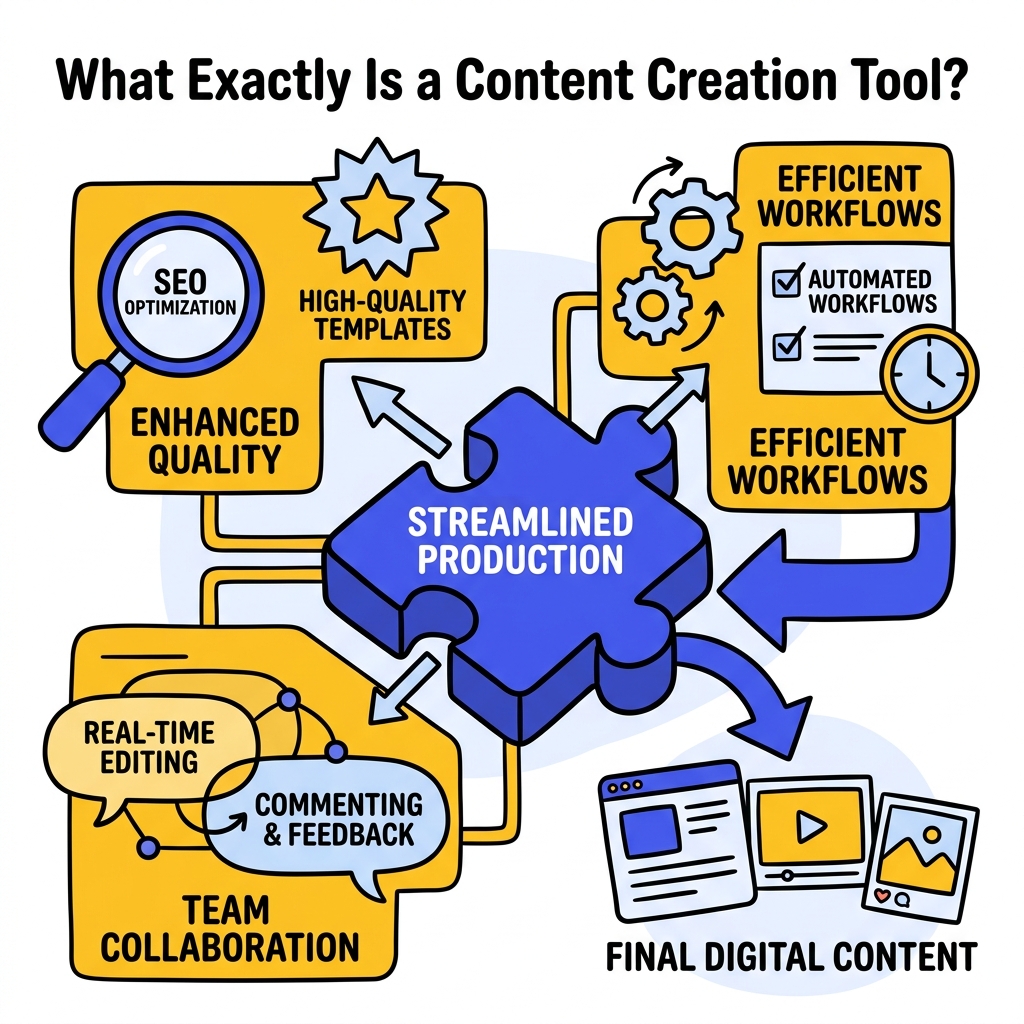
A content creation tool is software designed to streamline and enhance the process of producing digital content. These platforms go beyond simple word processors by offering features like SEO optimization, collaboration capabilities, template libraries, and automated workflows.
Modern content creation tools integrate multiple functions into unified platforms. They combine writing assistance, research capabilities, visual design elements, and publishing workflows. This integration eliminates the need to juggle multiple applications and reduces the friction between ideation and publication.
The best content creation tools also incorporate artificial intelligence to assist with tasks like headline generation, content optimization, and performance prediction. However, they maintain human oversight and creativity as the driving force behind quality content production.
Why Does Your Choice of Content Creation Tool Matter?
Your content creation tool directly impacts three critical business metrics: production speed, content quality, and team efficiency. Research from the Content Marketing Institute shows that businesses using integrated content creation tools produce 67% more content while maintaining higher quality standards.
The wrong tool selection leads to bottlenecks, frustrated team members, and inconsistent output. Teams often waste hours switching between applications, reformatting content, and manually tracking progress. These inefficiencies compound over time, creating significant opportunity costs.
Conversely, the right content creation tool becomes a force multiplier for your marketing efforts. It enables faster ideation, smoother collaboration, and more consistent publishing schedules. Teams report increased job satisfaction and creative freedom when equipped with tools that handle routine tasks automatically.
How to Assess Your Content Creation Needs
Start with Your Content Volume and Frequency
Calculate your monthly content output across all channels. Include blog posts, social media updates, email newsletters, product descriptions, and marketing materials. This baseline helps determine whether you need enterprise-level capabilities or simpler solutions.
Consider your growth trajectory over the next 12-18 months. A tool that meets today's needs but cannot scale with your business creates future migration headaches. Factor in seasonal fluctuations and campaign-driven content spikes when evaluating capacity requirements.
Document your current content creation timeline from initial concept to final publication. Identify bottlenecks and time-consuming manual processes that automation could address. This analysis reveals which tool features will deliver the most immediate impact.
Evaluate Your Team Structure and Workflow
Map out everyone involved in your content creation process, including writers, editors, designers, subject matter experts, and approvers. Understanding these relationships helps identify necessary collaboration features and permission structures.
Examine how content moves through your organization. Do you need robust review cycles with multiple stakeholders? Does content require legal or compliance approval? These workflow requirements significantly influence tool selection criteria.
Content automation can streamline many of these processes, but only when properly aligned with your existing organizational structure.Essential Features Every Content Creation Tool Should Have
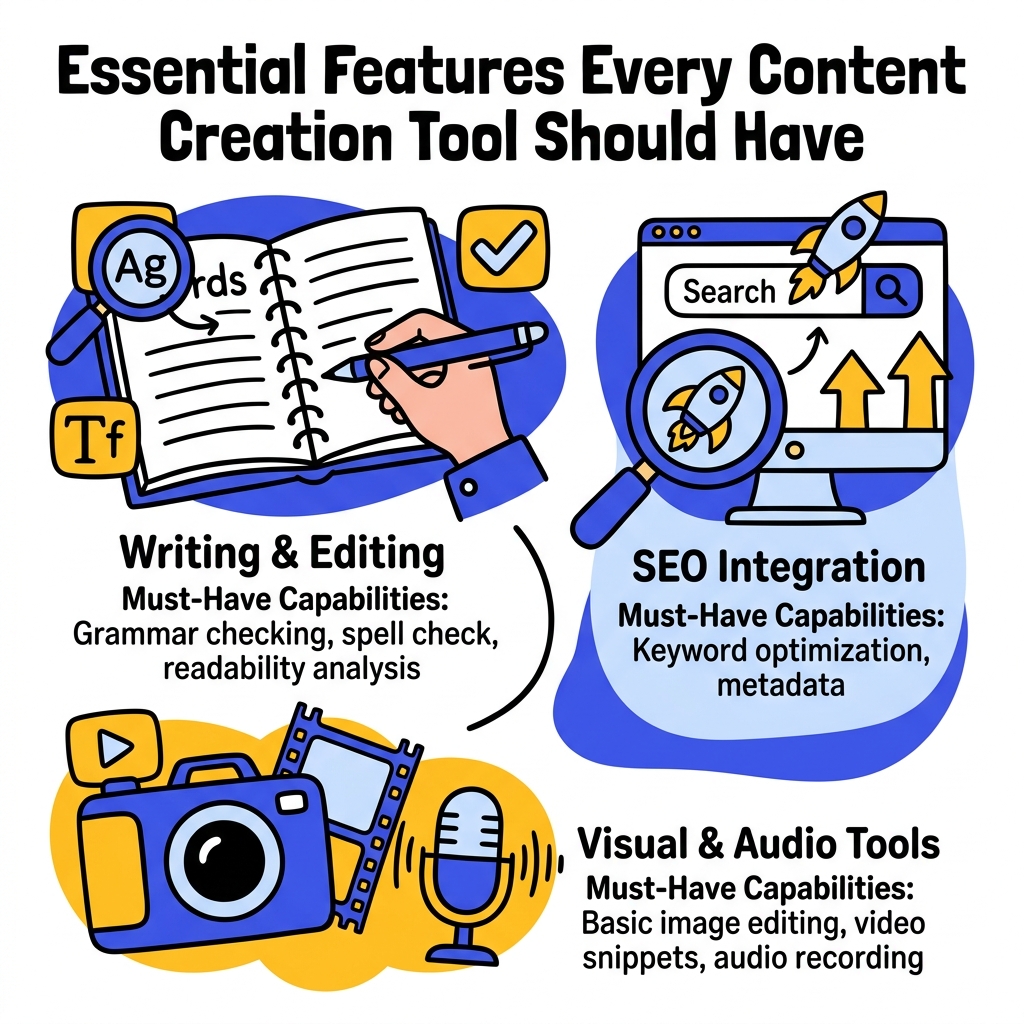
| Feature Category | Must-Have Capabilities | Nice-to-Have Additions |
|---|---|---|
| Writing & Editing | Grammar checking, spell check, readability analysis | AI writing assistance, tone adjustment |
| SEO Integration | Keyword optimization, meta tag management | Search volume data, competitor analysis |
| Collaboration | Real-time editing, comment systems, version control | Approval workflows, role-based permissions |
| Publishing | Multi-platform publishing, scheduling | Social media integration, analytics tracking |
| Organization | Content calendars, tag systems, search functionality | Template libraries, asset management |
Writing and Editing Capabilities
Your content creation tool should provide comprehensive writing support beyond basic spell checking. Look for advanced grammar analysis, readability scoring, and style consistency features. These capabilities ensure professional quality output regardless of individual writer skill levels.
AI-powered writing assistance has become increasingly sophisticated, offering suggestions for sentence structure, vocabulary enhancement, and content flow. However, prioritize tools that enhance human creativity rather than replacing it entirely.
Integration with style guides and brand voice parameters helps maintain consistency across multiple writers and content types. This feature becomes crucial as your content team grows and diversifies.
SEO and Performance Optimization
Modern content creation tools should integrate SEO best practices directly into the writing process. Real-time keyword density analysis, meta description optimization, and heading structure recommendations prevent the need for separate SEO audits.
Look for tools that provide search volume data and keyword difficulty scores within the content creation interface. This integration enables writers to make informed decisions about target keywords without switching between applications.
Performance tracking capabilities help connect content creation efforts to business results. Tools that show how individual pieces perform across different metrics enable data-driven content strategy refinement.
How to Evaluate Content Creation Tool Options
Research and Shortlisting Process
Begin by identifying 8-10 potential content creation tools that align with your basic requirements. Focus on platforms with strong reputations in your industry and positive user reviews from similar-sized organizations.
Create a standardized evaluation framework that weights different features according to your priorities. This systematic approach prevents emotional decision-making and ensures objective comparisons between options.
Request demonstrations from your top 3-5 candidates. Prepare specific use cases and scenarios that reflect your actual content creation challenges. Generic demos rarely reveal how tools perform under real-world conditions.
Trial Period Strategy
Most reputable content creation tool providers offer free trials ranging from 14-30 days. Maximize these trial periods by involving your entire content team and testing actual projects rather than hypothetical scenarios.
Establish clear success criteria before beginning trials. Define specific metrics like time savings, quality improvements, or collaboration efficiency gains. Document these measurements consistently across all tool evaluations.
Consider running parallel trials with your current process to quantify improvements accurately. This approach provides concrete data for justifying tool investments to stakeholders and budget holders.
What Are the Most Important Integration Capabilities?
CMS and Publishing Platform Connections
Your content creation tool should integrate seamlessly with your existing content management system. Direct publishing capabilities eliminate manual copy-paste processes and reduce formatting errors that occur during content transfer.
WordPress, Shopify, HubSpot, and other major platforms typically offer robust integration options with leading content creation tools. Verify that these connections support your specific publishing workflow and maintain formatting consistency.
Consider how content metadata, tags, and SEO elements transfer through these integrations. Incomplete data transfer often requires manual cleanup that negates efficiency gains from automation.
Marketing Stack Compatibility
Evaluate how your chosen content creation tool connects with email marketing platforms, social media schedulers, and analytics tools. SEO automation software often provides these integrations as part of comprehensive marketing suites.
Customer relationship management (CRM) integration enables personalized content creation based on audience segments and buyer personas. This capability becomes increasingly valuable as content marketing becomes more targeted and sophisticated.
Analytics integration helps close the loop between content creation and performance measurement. Tools that automatically tag content with UTM parameters and tracking codes provide cleaner attribution data for marketing analysis.
How Much Should You Expect to Invest?
Pricing Model Considerations
Content creation tools typically use subscription pricing based on user count, content volume, or feature access levels. Understand how each pricing model aligns with your usage patterns and growth projections.
Per-user pricing works well for small teams with consistent membership but can become expensive as organizations scale. Per-content pricing suits businesses with variable output but may limit experimentation and iteration.
Feature-tiered pricing allows gradual capability expansion as needs evolve. However, essential features locked behind higher pricing tiers can create unexpected budget pressures during implementation.
Total Cost of Ownership Analysis
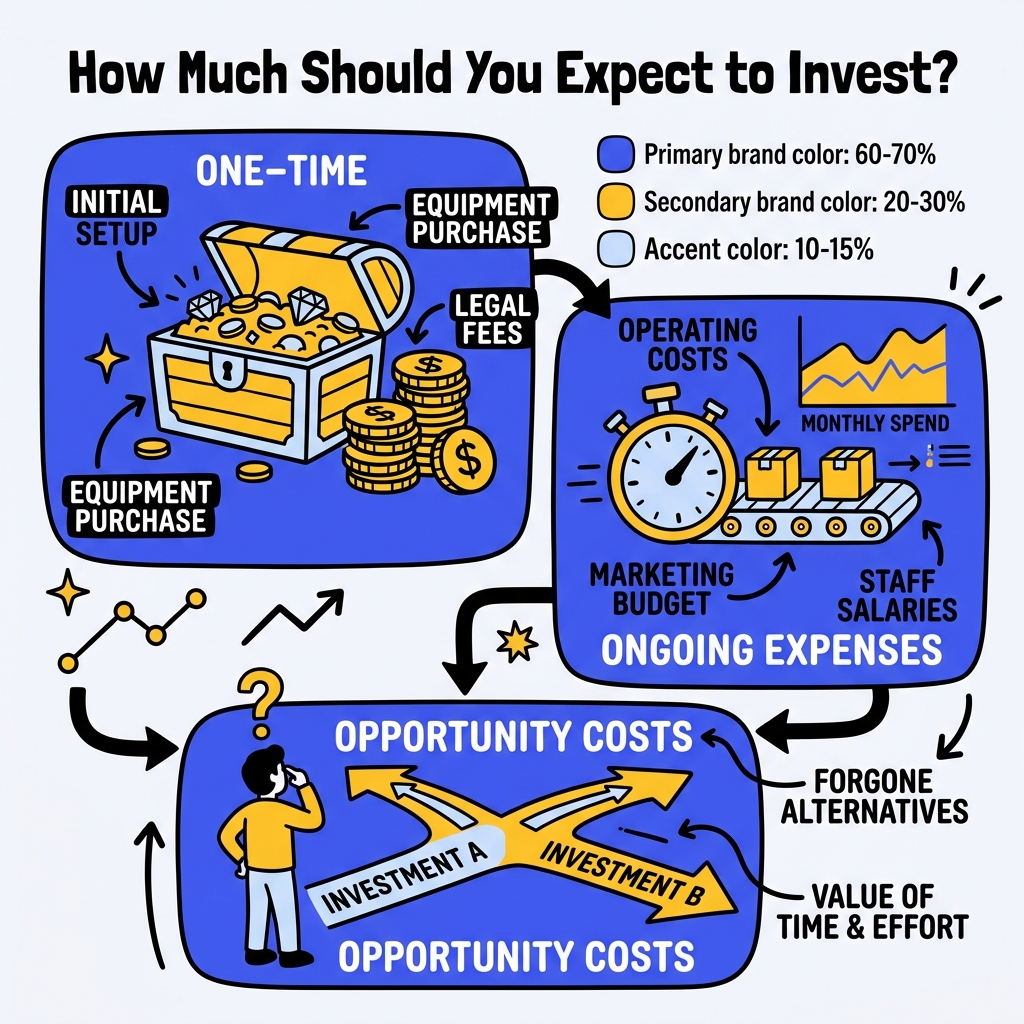
Factor in training time, migration costs, and potential productivity decreases during the initial adoption period. These indirect costs often exceed the tool's subscription price during the first few months of implementation.
Consider ongoing costs like additional integrations, premium support, or expanded storage requirements. Many organizations underestimate these expenses when making initial tool selections.
Calculate potential savings from increased efficiency, reduced freelancer costs, or eliminated redundant software subscriptions. A comprehensive cost-benefit analysis provides clearer justification for tool investments.
Common Mistakes to Avoid When Selecting Tools
Overemphasizing Features Over Usability
Many organizations choose content creation tools based on feature checklists rather than user experience quality. Complex tools with extensive capabilities often create adoption barriers that negate their theoretical advantages.
Prioritize intuitive interfaces and smooth learning curves, especially if your team includes non-technical content creators. User resistance can derail even the most well-intentioned tool implementations.
Test tools under realistic conditions with actual team members rather than relying solely on administrative evaluations. End-user feedback often reveals usability issues that aren't apparent during formal demonstrations.
Ignoring Scalability Requirements
Selecting tools based solely on current needs creates expensive migration requirements as businesses grow. Evaluate how each option handles increased user counts, content volume, and feature requirements.
Consider geographical expansion, multi-language content needs, and diverse content format requirements. Tools that excel at blog content may struggle with video scripts, social media posts, or technical documentation.
Review upgrade paths and data export capabilities before committing to any platform. Vendor lock-in situations limit future flexibility and negotiating power during contract renewals.
How to Ensure Successful Tool Implementation
Change Management and Training
Develop a structured rollout plan that introduces new tools gradually rather than replacing existing workflows overnight. Phased implementations allow teams to adapt while maintaining content production schedules.
Identify power users within your organization who can serve as internal champions and peer trainers. These advocates often provide more effective support than formal training sessions or documentation.
Create custom training materials that reflect your specific use cases and workflows rather than relying solely on vendor-provided resources. Contextual training accelerates adoption and reduces confusion during the transition period.
Measuring Success and ROI
Establish baseline measurements for key metrics like content production time, publication frequency, and quality scores before implementing new tools. These benchmarks enable accurate ROI calculations and success validation.
Track both quantitative improvements (speed, volume) and qualitative enhancements (consistency, collaboration satisfaction). Balanced measurement approaches provide comprehensive views of tool impact across different organizational levels.
Regular performance reviews help identify optimization opportunities and ensure continued value delivery. AI SEO tools and content creation platforms evolve rapidly, requiring periodic evaluation of new features and capabilities.
Conclusion
Selecting the right content creation tool requires careful analysis of your specific needs, thorough evaluation of available options, and strategic implementation planning. The investment in time and resources pays dividends through increased productivity, improved content quality, and enhanced team collaboration.
Remember that the best content creation tool is the one your team will actually use consistently and effectively. Prioritize usability and workflow alignment over feature complexity, and ensure adequate training and support during the transition period.
Ready to transform your content creation process? Start by conducting a thorough needs assessment using the framework outlined in this guide. Then request trials from your top candidates and involve your entire team in the evaluation process. The right tool will become apparent through hands-on testing with real projects and workflows.
Frequently Asked Questions
A content creation tool is software designed to streamline and enhance digital content production by integrating writing assistance, research capabilities, visual design elements, SEO optimization, collaboration features, and automated publishing workflows into a unified platform.
The right tool directly impacts production speed, content quality, and team efficiency. Businesses using integrated content creation tools produce 67% more content while maintaining higher quality standards, while the wrong tool creates bottlenecks and wastes time switching between applications.
Start by calculating your monthly content output across all channels, evaluate your team structure and workflow requirements, and identify current bottlenecks. Consider your growth trajectory over 12-18 months and document how content moves through your organization to determine necessary features.
Essential features include advanced writing and editing capabilities (grammar checking, readability analysis), SEO integration (keyword optimization, meta tag management), collaboration tools (real-time editing, approval workflows), multi-platform publishing, and content organization systems like calendars and templates.
AI writing assistance can be valuable for enhancing productivity and consistency, but prioritize tools that enhance human creativity rather than replace it. The best tools incorporate AI for routine tasks like headline generation and optimization while maintaining human oversight as the driving force behind quality content.

Stefan Winter
Founder & SEO Expert
Founder of Fast SEO Fix and SEO automation expert. Stefan built Fast SEO Fix to solve the tedious problem of manual SEO work. He specializes in SEO optimized content generation, keyword research, and automated SEO strategies.
