What Should You Look for in a Modern Writing Assistant?
Posted by
 Stefan Winter
How to Choose the Perfect Writing Assistant for Your Content Strategy in 2026
The digital content landscape has transformed dramatically, and writers today face unprecedented demands for speed, quality, and SEO optimization. Whether you're crafting blog posts, creating marketing copy, or developing comprehensive content strategies, the right writing assistant can be the difference between struggling with deadlines and consistently producing high-quality content that ranks well and engages readers.
This comprehensive guide will walk you through the essential steps to select a writing assistant that aligns with your specific needs, budget, and content goals. You'll discover how to evaluate features, avoid common pitfalls, and maximize your investment in writing technology.
What Should You Look for in a Modern Writing Assistant?
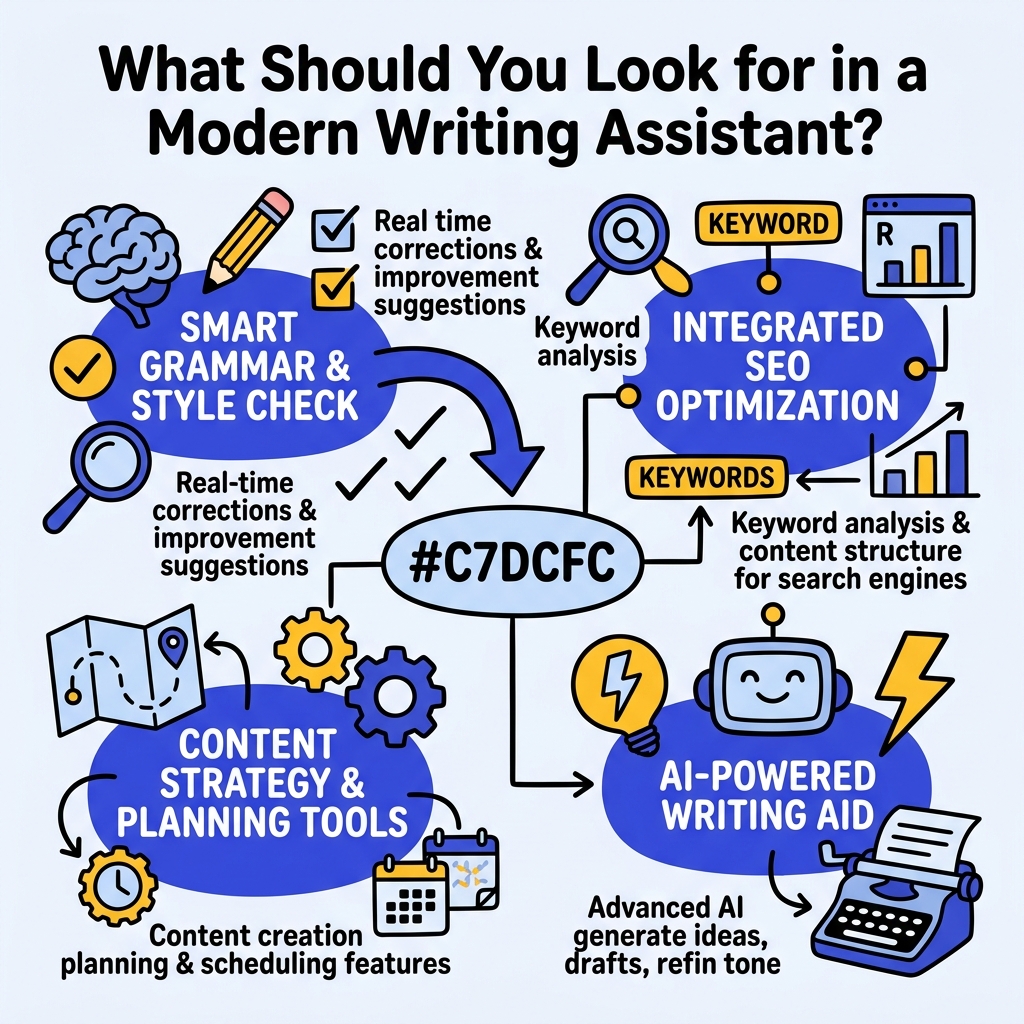
Today's writing assistants go far beyond basic grammar checking. The most effective tools combine artificial intelligence, SEO optimization, and content strategy features to help writers create compelling, search-friendly content efficiently.
When evaluating writing assistants, focus on tools that offer real-time suggestions, tone adjustment capabilities, and integration with your existing workflow. The best platforms understand context, helping you maintain consistency across different content types while adapting to various audience needs.
Advanced writing assistants also provide plagiarism detection, readability scoring, and keyword optimization features. These capabilities ensure your content meets both editorial standards and search engine requirements, making them invaluable for businesses serious about their online presence.
How Do You Assess Your Specific Writing Needs?
Before diving into feature comparisons, take time to analyze your current writing challenges and goals. Different writers and organizations have varying requirements, and understanding yours will guide you toward the most suitable solution.
Start by documenting your typical writing workflow. Do you primarily create long-form content like blog posts and articles, or do you focus on shorter pieces like social media updates and email campaigns? Your content types will influence which features matter most in a writing assistant.
Consider your team structure as well. Solo writers might prioritize personal productivity features, while content teams need collaboration tools, style guide enforcement, and workflow management capabilities. Understanding these dynamics helps you avoid paying for unnecessary features or missing critical functionality.
What Content Types Will You Create Most Often?
| Content Type | Key Features Needed | Recommended Assistant Features |
|---|---|---|
| Blog Posts | SEO optimization, research tools | Keyword suggestions, readability analysis |
| Marketing Copy | Tone adjustment, A/B testing | Brand voice consistency, conversion optimization |
| Technical Documentation | Accuracy checking, collaboration | Version control, team commenting |
| Social Media | Character limits, platform optimization | Multi-platform formatting, scheduling integration |
How Do You Evaluate Writing Assistant Features Effectively?
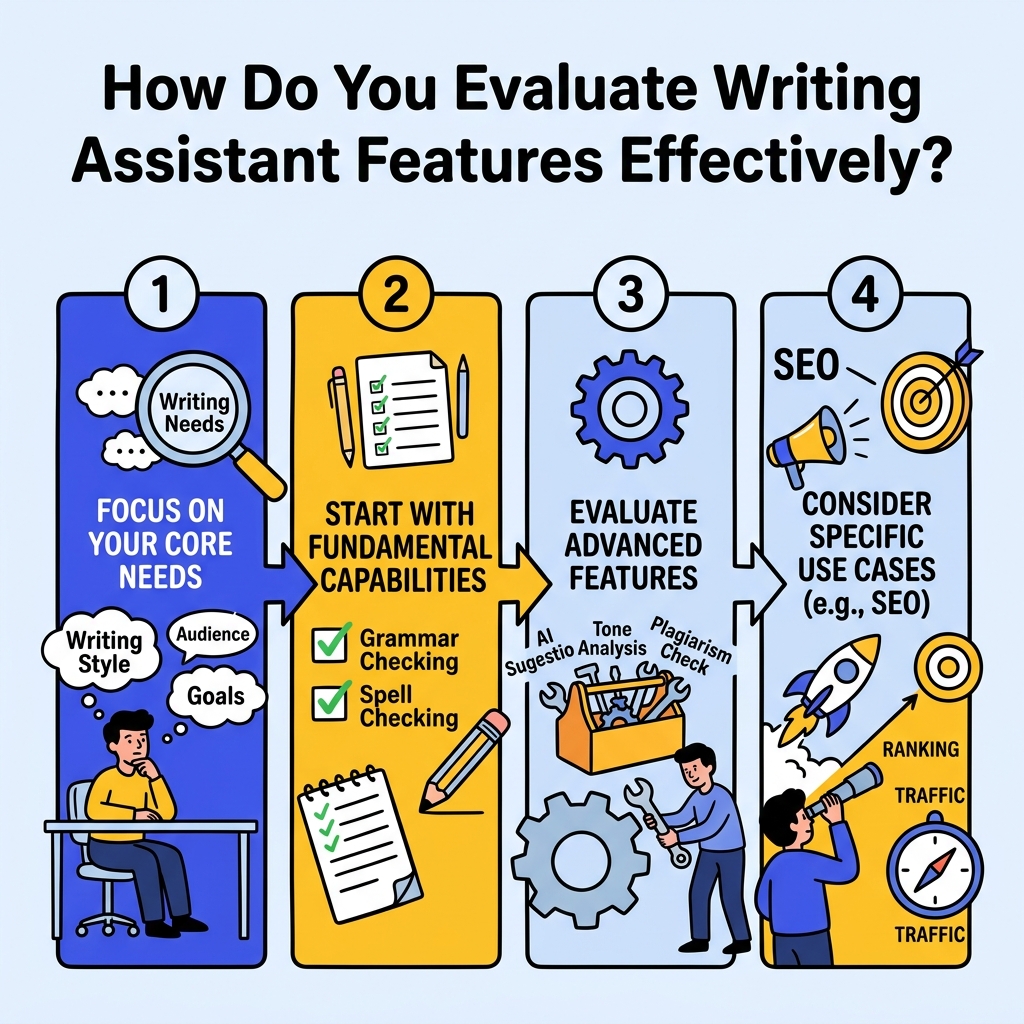
The feature set of modern writing assistants can be overwhelming, but focusing on your core needs helps prioritize what matters most. Start with fundamental capabilities like grammar and spell checking, then evaluate advanced features based on your specific use cases.
SEO integration has become increasingly important for content creators. Look for writing assistants that provide keyword research and content optimization suggestions, helping you create content that performs well in search results. These features should feel natural within your writing process, not disruptive or overly complex.
Collaboration features deserve special attention if you work with editors, clients, or team members. The ability to share documents, track changes, and manage feedback efficiently can significantly impact your productivity and content quality.
Which Integration Options Matter Most?
Modern writing assistants should seamlessly integrate with your existing tools and platforms. WordPress integration allows direct publishing and editing within your content management system. Google Docs compatibility ensures smooth collaboration with team members who prefer familiar interfaces.
Consider how the writing assistant handles different file formats and whether it supports bulk editing or batch processing for larger content projects. These capabilities become crucial as your content volume grows and workflow efficiency becomes paramount.
How Can You Test Writing Assistants Before Committing?
Most reputable writing assistant providers offer free trials or freemium versions that allow hands-on evaluation. Take advantage of these opportunities to test the tool with your actual content and workflow, not just sample text.
During your trial period, focus on how the assistant handles your specific writing style and content requirements. Pay attention to the accuracy of suggestions, the relevance of SEO recommendations, and how well the tool adapts to your preferred tone and voice.
Test the assistant's performance across different content types you regularly create. A tool that excels at blog post optimization might struggle with technical documentation or creative writing, so comprehensive testing ensures you understand its strengths and limitations.
According to Content Marketing Institute's latest research, 73% of content creators report improved productivity when using AI-powered writing assistants, but only when the tools align well with their specific workflows and content goals.
What Are the Most Important Pricing Considerations?
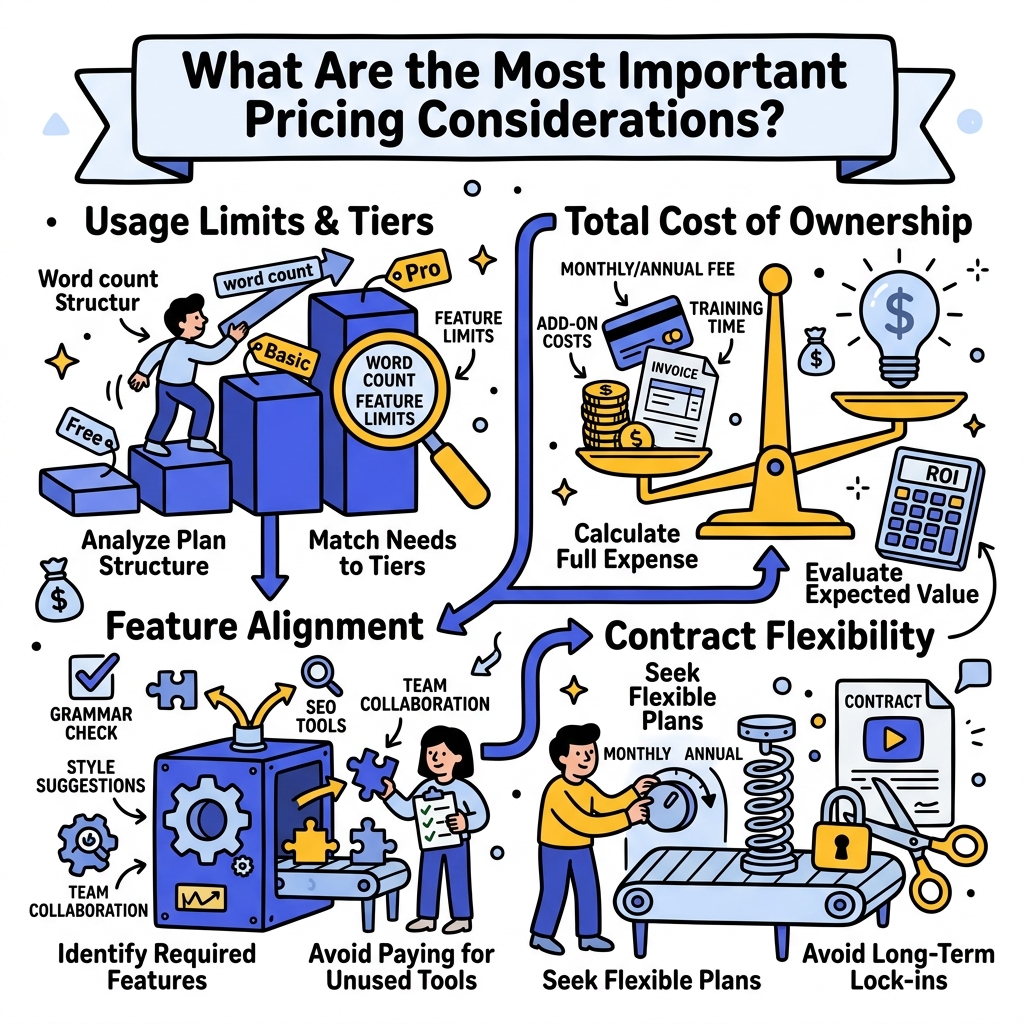
Writing assistant pricing varies significantly based on features, usage limits, and target markets. Understanding the total cost of ownership helps you make informed decisions that align with your budget and expected return on investment.
Many writing assistants use subscription models with different tiers based on word counts, features, or team size. Calculate your monthly content volume to avoid unexpected overage charges or restrictions that could disrupt your workflow.
Consider the long-term value proposition beyond the monthly fee. A more expensive tool that significantly improves your content quality and SEO performance might provide better ROI than a cheaper option that requires additional tools or manual work to achieve similar results.
How Do You Calculate ROI for Writing Assistant Tools?
Factor in time savings, improved content quality, and potential SEO benefits when evaluating costs. If a writing assistant helps you create content 30% faster while improving search rankings, the productivity gains often justify premium pricing.
For businesses developing comprehensive SEO content strategies, consider how the writing assistant contributes to overall marketing goals. Tools that help create content that ranks better and converts more effectively provide value beyond simple writing assistance.
Which Advanced Features Will Future-Proof Your Investment?
The writing assistant landscape continues evolving rapidly, with new AI capabilities and integrations emerging regularly. Choosing tools with strong development roadmaps and frequent updates helps ensure your investment remains valuable as technology advances.
Look for writing assistants that offer API access or webhook capabilities, allowing integration with custom workflows or proprietary systems. This flexibility becomes increasingly important as businesses develop more sophisticated content operations.
Consider how well the assistant adapts to changing SEO requirements and search engine algorithm updates. Tools that automatically adjust their recommendations based on current best practices provide ongoing value without requiring constant manual updates to your processes.
How Do You Implement a Writing Assistant Successfully?
Successful implementation requires more than simply purchasing a subscription. Plan a gradual rollout that allows you and your team to adapt to new workflows without disrupting ongoing content production.
Start by using the writing assistant for less critical content while you learn its capabilities and limitations. This approach helps you develop best practices and identify potential issues before applying the tool to high-stakes projects.
Establish clear guidelines for how team members should use the writing assistant, especially regarding brand voice, style preferences, and quality standards. Effective content creation processes require consistent application of tools and standards across all team members.
Training and onboarding play crucial roles in maximizing your writing assistant investment. Ensure all users understand not just how to use the tool, but when to rely on its suggestions and when to trust their own judgment.
Conclusion
Selecting the right writing assistant requires careful consideration of your specific needs, workflow requirements, and long-term content goals. The most effective approach involves thoroughly testing potential solutions, calculating true ROI beyond subscription costs, and planning for successful implementation across your team.
The investment in a quality writing assistant pays dividends through improved content quality, enhanced SEO performance, and increased productivity. As content demands continue growing in 2026 and beyond, having the right tools becomes essential for maintaining competitive advantage in digital marketing.
Ready to transform your content creation process? Start by evaluating your current writing challenges and testing the writing assistants that best address your specific needs. The perfect tool is waiting to help you create better content faster than ever before.

Stefan Winter
Founder & SEO Expert
Founder of Fast SEO Fix and SEO automation expert. Stefan built Fast SEO Fix to solve the tedious problem of manual SEO work. He specializes in SEO optimized content generation, keyword research, and automated SEO strategies.
