What Does SEO Automated Really Mean in 2024?
Posted by
 Stefan Winter
Related reading
What Makes DuckDuckGo Search Engine Different from Google?
How to Optimize Your Website for DuckDuckGo Search Engine: A Complete SEO Guide Most website owners focus exclusively on Google optimization, but they're missin...
The Complete Guide to Building a Successful Blog Post Website in 2026
The Complete Guide to Building a Successful Blog Post Website in 2026 Creating a blog post website has become one of the most powerful ways to establish an onli...
What Exactly Is Keyword Research in SEO?
What Makes Keyword Research in SEO Different from General Keyword Research? When most people think about keyword research, they picture brainstorming popular se...
How to Implement SEO Automated Solutions That Actually Drive Results
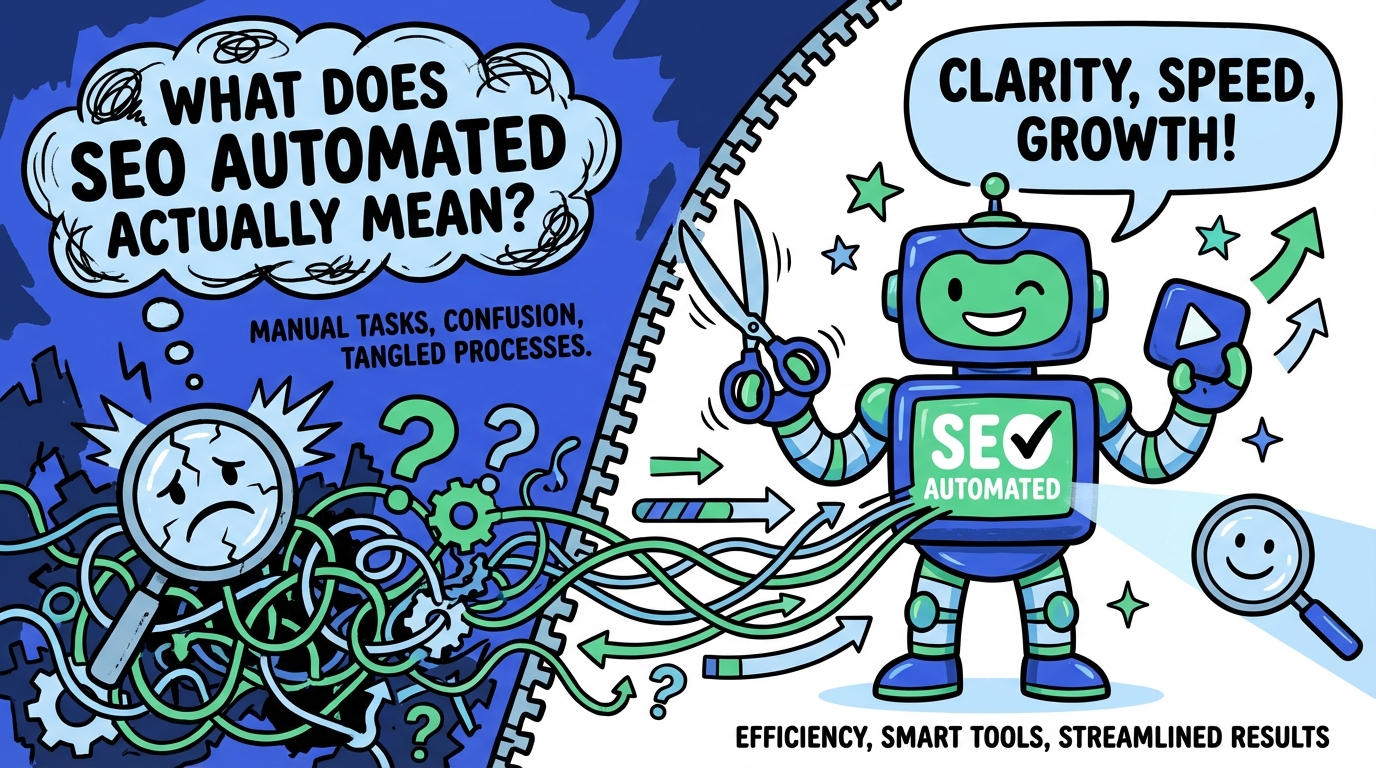
Search engine optimization has evolved dramatically over the past decade, and manual SEO processes that once took weeks can now be completed in hours through automation. If you're still manually tracking keywords, analyzing competitors, and optimizing content piece by piece, you're falling behind competitors who have embraced SEO automated workflows. This comprehensive guide will show you exactly how to implement automated SEO solutions that deliver measurable results while freeing up your time for strategic decision-making.
What Does SEO Automated Really Mean in 2024?
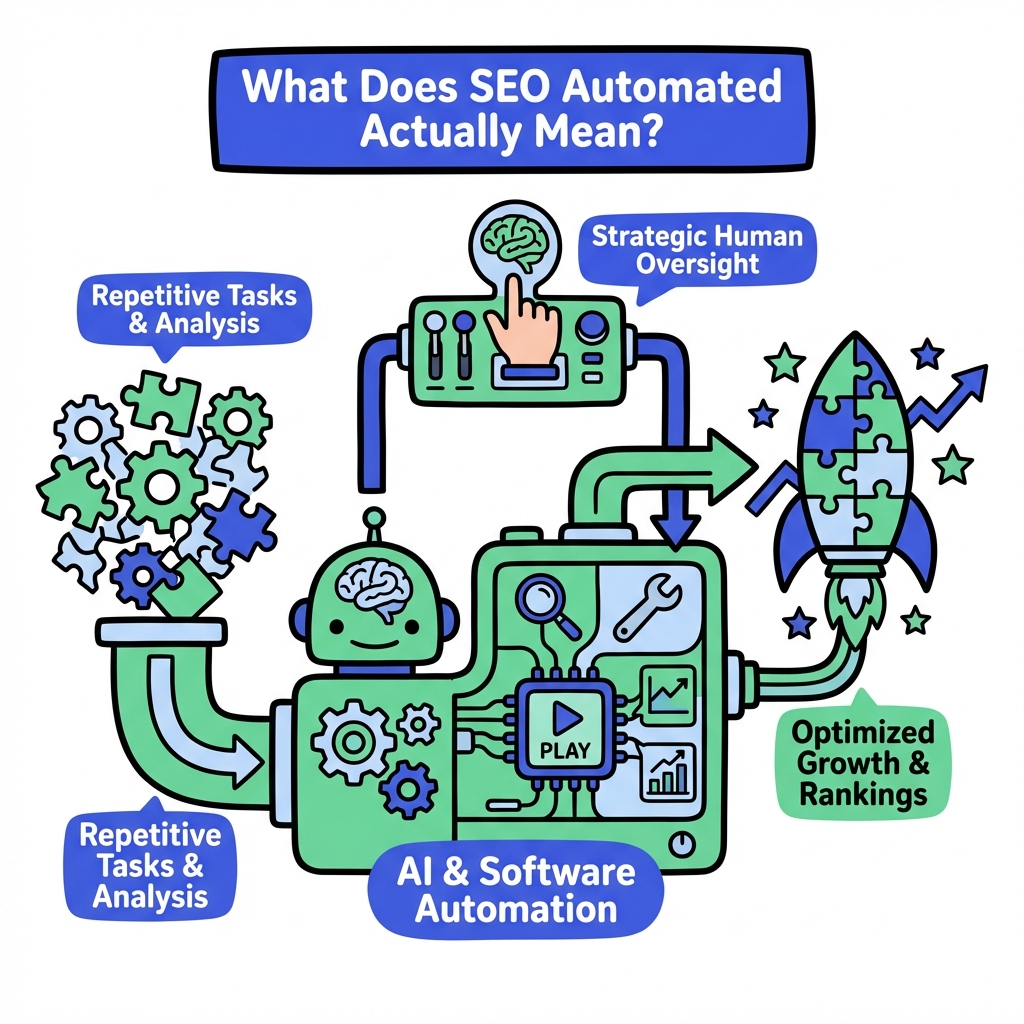
SEO automated refers to the systematic use of tools, software, and processes that handle repetitive SEO tasks without constant manual intervention. Unlike basic SEO tools that simply provide data, automated SEO solutions actively monitor, analyze, and sometimes even implement optimizations across your digital presence.
Modern SEO automation encompasses everything from automated keyword tracking and competitor analysis to content optimization suggestions and technical SEO audits. The key difference lies in the "set it and forget it" approach that allows these systems to continuously work in the background while providing actionable insights.
However, SEO automated doesn't mean completely hands-off. The most successful implementations combine automated data collection and analysis with human strategic oversight. This hybrid approach ensures you maintain control over your SEO direction while leveraging technology to handle time-consuming tasks.
How to Choose the Right SEO Automated Tools for Your Business
Step 1: Assess Your Current SEO Workload
Before diving into automation, document exactly what SEO tasks consume most of your time. Common candidates for automation include:
- Daily keyword ranking checks
- Competitor content analysis
- Technical SEO audits
- Backlink monitoring
- Content performance tracking
- Local SEO citation management
Step 2: Match Tools to Your Specific Needs
Different businesses require different automation approaches. E-commerce sites might prioritize product page optimization and inventory-based keyword tracking, while service businesses focus on local SEO automation and lead generation optimization.
| Business Type | Priority Automation Areas | Recommended Tool Features |
|---|---|---|
| E-commerce | Product optimization, inventory tracking | Bulk page analysis, automated schema markup |
| Local Business | Citation management, review monitoring | Local rank tracking, Google My Business automation |
| Content Publishers | Content performance, keyword opportunities | Content gap analysis, automated internal linking |
| SaaS Companies | Feature-based keywords, competitor tracking | SERP monitoring, automated reporting |
What Are the Essential Components of an SEO Automated System?
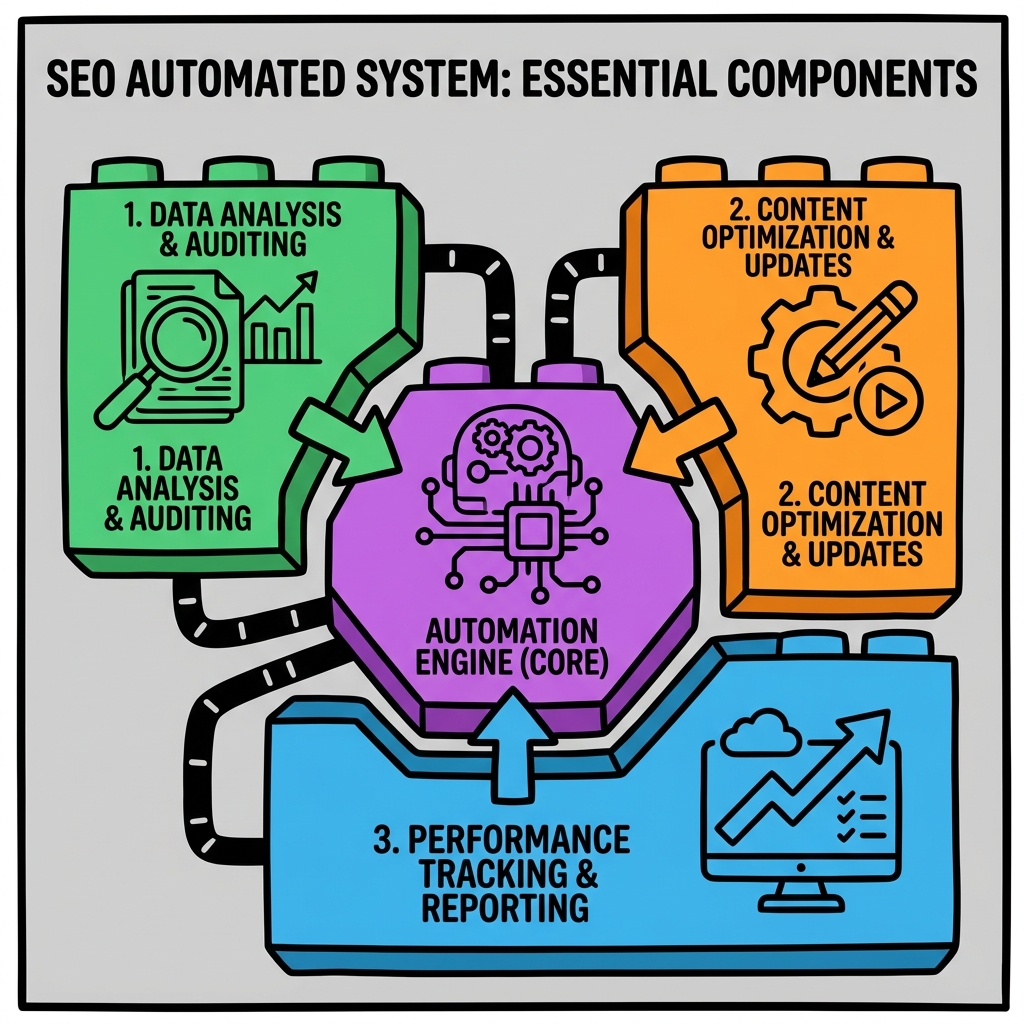
Automated Keyword Research and Tracking
Effective SEO automated systems start with comprehensive keyword intelligence. Modern tools can automatically discover new keyword opportunities based on your existing content, competitor analysis, and search trend data.
Set up automated keyword tracking that monitors not just your primary keywords, but also semantic variations and long-tail opportunities. The system should alert you when rankings drop significantly or when new opportunities emerge in your industry.
For comprehensive keyword strategies, understanding what makes Google Keyword Planner different from other keyword tools can help you choose the right automation approach for your business.
Automated Content Optimization
Content optimization automation goes beyond basic keyword density checks. Advanced systems analyze your content against top-performing competitors, suggest semantic keyword additions, and identify content gaps that could improve your search visibility.
These tools can automatically scan your existing content library, identify optimization opportunities, and even suggest internal linking strategies. Some platforms integrate directly with content management systems to streamline the implementation process.
Technical SEO Automation
Technical SEO issues can devastate your search performance, but manually checking every page regularly isn't feasible for most businesses. Automated technical SEO monitoring continuously scans your site for:
- Page speed issues
- Broken links and 404 errors
- Missing or duplicate meta tags
- Schema markup opportunities
- Mobile usability problems
How to Set Up Your First SEO Automated Workflow
Step 1: Start with Automated Reporting
Begin your SEO automation journey with comprehensive reporting that consolidates data from multiple sources. Set up automated reports that combine Google Analytics, Search Console, and your chosen SEO tools into weekly or monthly summaries.
These reports should automatically highlight significant changes in organic traffic, keyword rankings, and technical issues. Configure alerts for critical metrics so you can respond quickly to major changes.
Step 2: Implement Automated Competitor Monitoring
Competitor analysis is time-intensive but crucial for staying competitive. Automated competitor monitoring tracks your rivals' keyword rankings, content publishing frequency, backlink acquisition, and technical changes.
Set up alerts when competitors start ranking for keywords you're targeting or when they publish content in your topic areas. This intelligence helps you respond quickly to competitive threats and identify new opportunities.
According to Moz's SEO research, businesses that actively monitor competitors through automated systems are 60% more likely to identify profitable keyword opportunities before their competition.
Step 3: Automate Your Content Pipeline
Content creation and optimization can be partially automated through intelligent workflows. Set up systems that automatically suggest content topics based on keyword opportunities, competitor gaps, and seasonal trends.
For businesses looking to scale their content efforts, understanding how content marketing and SEO must work together provides the foundation for creating automated workflows that support both goals simultaneously.
What Metrics Should You Track with SEO Automated Systems?
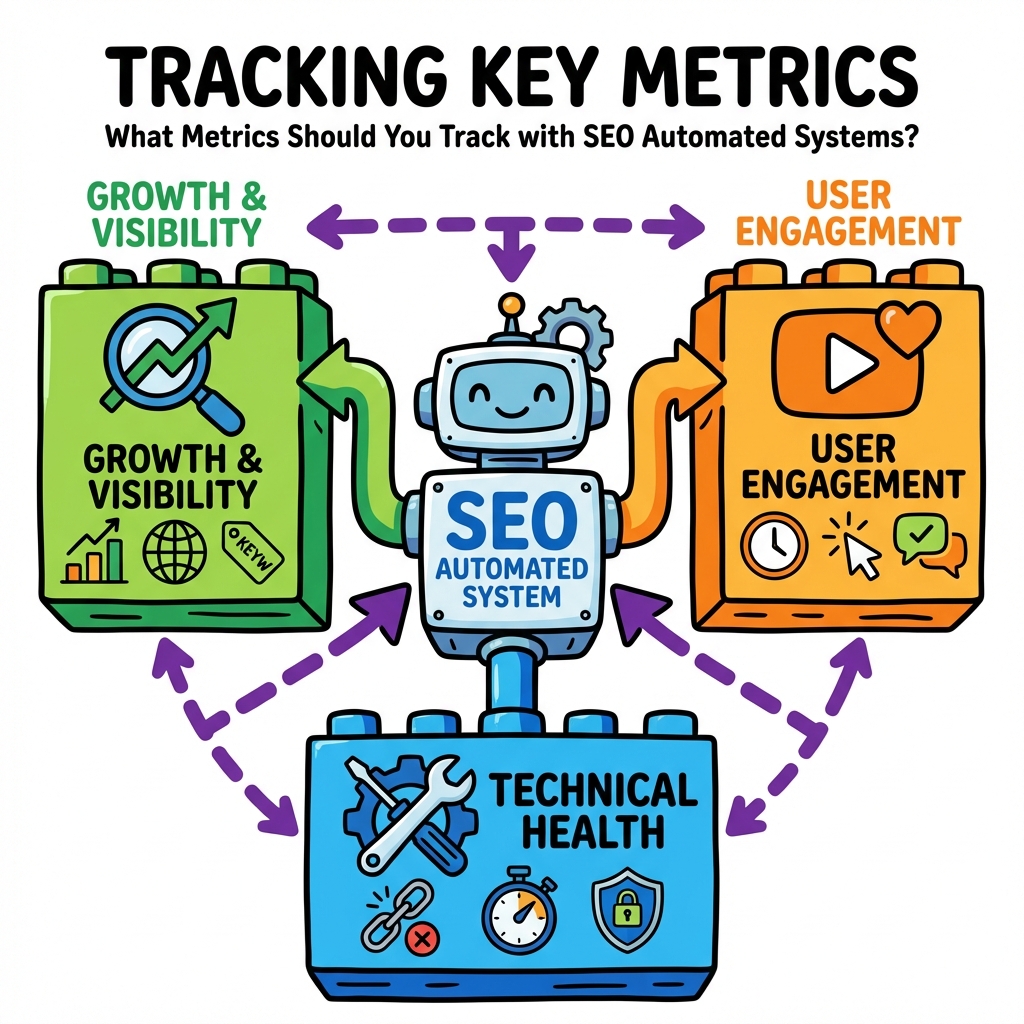
Primary Performance Indicators
Your automated SEO system should track metrics that directly correlate with business outcomes, not just vanity metrics. Focus on:
- Organic traffic growth from target keywords
- Conversion rates from organic search traffic
- Average position improvements for money keywords
- Click-through rates from search results
- Revenue attributed to organic search
Leading Indicators for Early Warning
Automated systems excel at identifying problems before they impact your bottom line. Monitor leading indicators such as:
- Technical errors increasing across your site
- Keyword ranking volatility in your industry
- Competitor content publishing acceleration
- Backlink profile changes (yours and competitors')
- Core Web Vitals score fluctuations
How to Avoid Common SEO Automated Pitfalls
Don't Automate Strategic Decisions
While SEO automated tools excel at data collection and analysis, they shouldn't make strategic decisions without human oversight. Automated systems might suggest targeting high-volume keywords that don't align with your business goals or recommend content topics that don't serve your audience.
Always maintain human oversight for decisions about keyword targeting, content strategy, and major technical changes. Use automation for intelligence gathering and implementation support, not strategic direction.
Maintain Quality Control
Automated processes can sometimes generate false positives or miss nuanced issues that require human judgment. Implement regular quality checks to ensure your automated systems are providing accurate data and appropriate recommendations.
Set up monthly reviews of your automated reports and recommendations to verify accuracy and relevance. This practice helps you refine your automation rules and maintain confidence in your system's output.
Balance Automation with Personalization
Search engines increasingly reward content that demonstrates expertise, authoritativeness, and trustworthiness. While automated tools can help with optimization and distribution, the core content strategy should reflect your unique brand voice and industry expertise.
When working with marketing agencies that specialize in SEO automation, ensure they understand this balance and don't rely solely on automated solutions for your content strategy.
What Results Can You Expect from SEO Automated Implementation?
Timeline for SEO Automated Success
Most businesses see initial benefits from SEO automation within 30-60 days of implementation. Early wins typically include:
- More comprehensive keyword tracking and reporting
- Faster identification of technical issues
- Improved content optimization consistency
- Better competitor intelligence
Measuring ROI of SEO Automated Systems
Calculate the return on investment for your SEO automation by comparing the cost of tools and setup against the value of time saved and results achieved. Track metrics such as:
- Hours saved on manual SEO tasks weekly
- Increase in organic traffic and conversions
- Faster time-to-market for content optimization
- Reduced cost per acquisition from organic search
Conclusion
SEO automated solutions represent the future of efficient search engine optimization, allowing businesses to scale their SEO efforts without proportionally increasing their workload. By implementing the systematic approach outlined in this guide, you can build automated workflows that continuously improve your search visibility while freeing up time for strategic growth initiatives.
Remember that successful SEO automation balances technological efficiency with human strategic oversight. Start with automated reporting and monitoring, gradually expand to content and technical optimization, and always maintain quality control over your automated processes.
Ready to transform your SEO workflow with automation? Fast SEO Fix specializes in implementing custom SEO automated solutions that deliver measurable results for businesses of all sizes. Contact us today to discover how automated SEO can accelerate your search engine success while reducing your manual workload.

Stefan Winter
Founder & SEO Expert
Founder of Fast SEO Fix and SEO automation expert. Stefan built Fast SEO Fix to solve the tedious problem of manual SEO work. He specializes in SEO optimized content generation, keyword research, and automated SEO strategies.