What Should You Look for in a Marketing Agency?
Posted by
 Stefan Winter
How to Choose the Right Marketing Agency for Your Business Growth
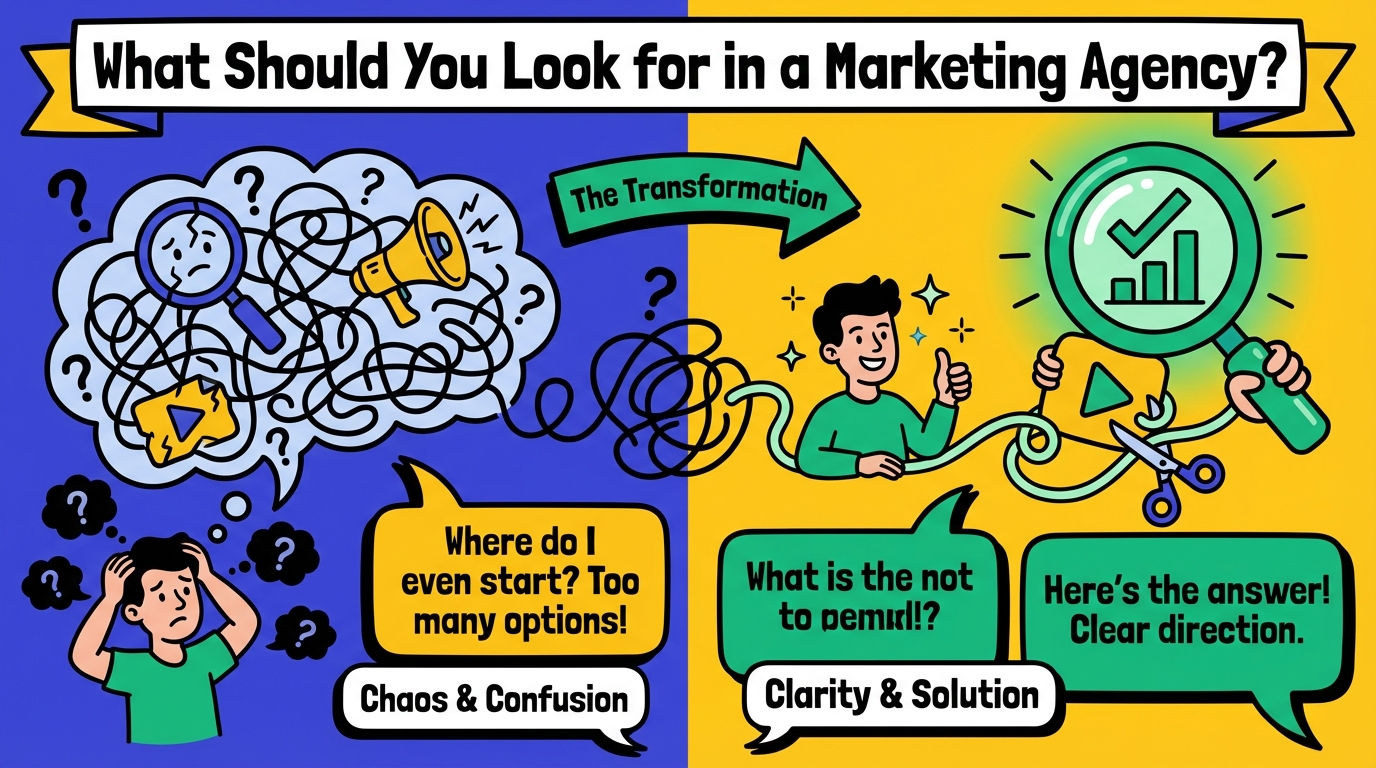
Selecting the perfect marketing agency can make or break your business's digital presence and growth trajectory. With thousands of agencies promising exceptional results, the challenge lies in identifying which one truly understands your industry, goals, and budget constraints. This comprehensive guide will walk you through the essential steps to evaluate, compare, and ultimately choose a marketing agency that delivers measurable results for your specific business needs.
What Should You Look for in a Marketing Agency?
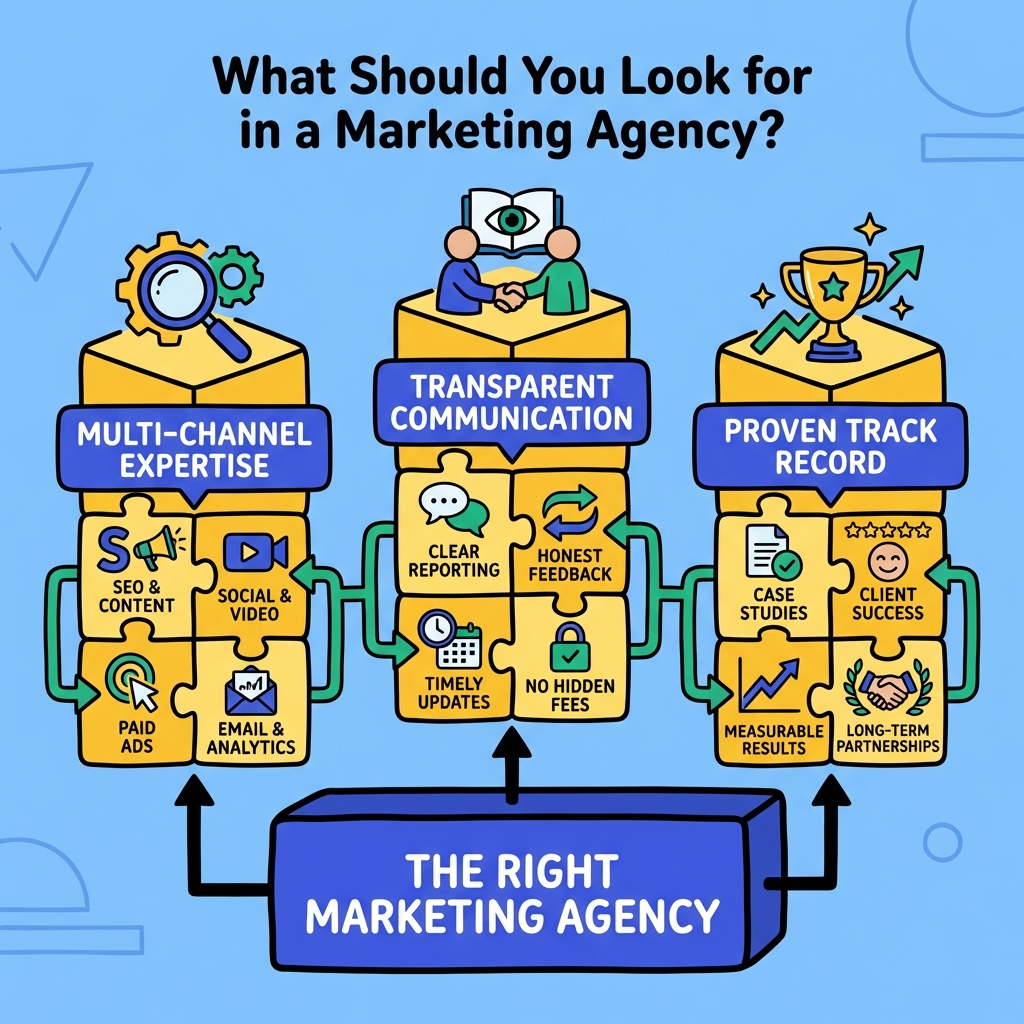
The foundation of choosing the right marketing agency starts with understanding what separates exceptional agencies from mediocre ones. A quality marketing agency should demonstrate expertise across multiple digital channels, maintain transparent communication practices, and show a proven track record of delivering results for businesses similar to yours.
Start by examining their core service offerings. The best agencies typically provide integrated services including search engine optimization, content marketing, social media management, and paid advertising. However, breadth of services means nothing without depth of expertise. Look for agencies that can explain complex strategies in simple terms and show how each service contributes to your overall business objectives.
Portfolio quality serves as another critical indicator of agency capability. Review their case studies carefully, paying attention to the challenges they've solved, strategies they've implemented, and most importantly, the measurable outcomes they've achieved. Agencies that showcase specific metrics like organic traffic growth, conversion rate improvements, or revenue increases demonstrate accountability and results-driven thinking.
How Do You Evaluate an Agency's Track Record and Expertise?
Thorough due diligence separates smart business decisions from costly mistakes when selecting a marketing agency. Begin by requesting detailed case studies from their work with companies in your industry or similar business models. Pay close attention to the timeline of results, as legitimate SEO and marketing improvements typically require several months to materialize.
Client testimonials and references provide invaluable insights into the agency's working style, communication quality, and ability to meet deadlines. Don't hesitate to contact previous clients directly to ask about their experience, challenges encountered, and overall satisfaction with the partnership. Former clients often provide the most honest assessment of what you can expect.
| Evaluation Criteria | What to Look For | Red Flags |
|---|---|---|
| Case Studies | Specific metrics, detailed strategies, industry relevance | Vague results, no data, generic examples |
| Client References | Willing to provide contacts, positive long-term relationships | Reluctant to share references, high turnover |
| Team Expertise | Certified professionals, continuous education, specializations | Unclear qualifications, generalist approach |
| Communication Style | Regular updates, clear reporting, responsive support | Poor response times, confusing reports |
What Questions Should You Ask Potential Marketing Agencies?
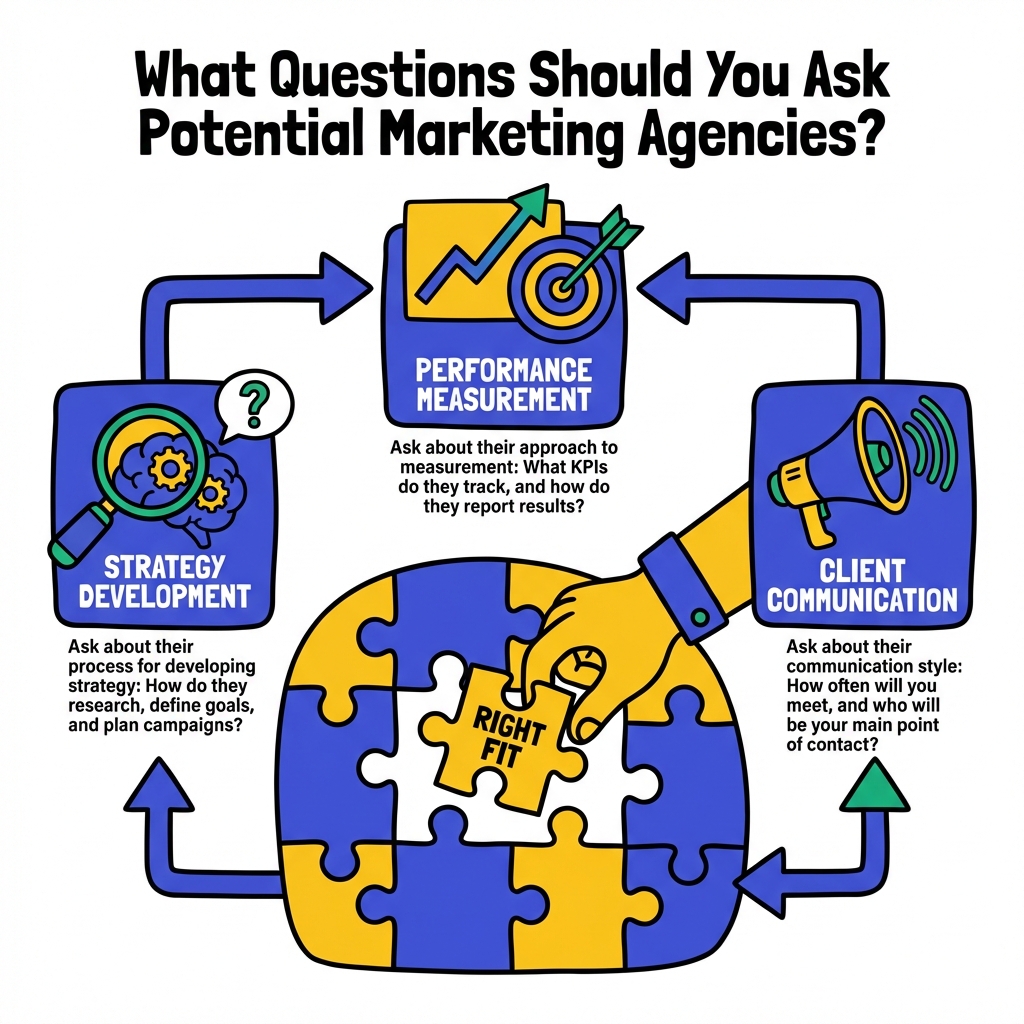
The interview process reveals crucial information about how an agency operates and whether they're the right fit for your business. Prepare specific questions that uncover their approach to strategy development, performance measurement, and client communication.
Ask about their process for developing comprehensive digital marketing strategies and how they differentiate between strategic initiatives and tactical activities. A quality agency should be able to explain how they'll align marketing efforts with your business goals and what metrics they'll use to measure success.
Inquire about their reporting practices and communication frequency. Understanding how often you'll receive updates, what metrics they'll track, and how they'll present performance data helps set proper expectations for the partnership. Agencies that provide detailed, easy-to-understand reports typically deliver better results because they're focused on accountability.
Key Questions to Ask During Agency Interviews
- How do you approach developing customized strategies for different industries?
- What tools and platforms do you use for campaign management and reporting?
- How do you handle underperforming campaigns or unexpected challenges?
- What is your typical timeline for seeing initial results?
- How do you stay current with algorithm changes and industry updates?
How Do You Compare Pricing and Contract Terms?
Marketing agency pricing structures vary significantly, making direct comparisons challenging without understanding what each proposal includes. Some agencies charge flat monthly retainers, others use performance-based pricing, and many combine both approaches depending on the services provided.
Request detailed proposals that break down costs by service area, estimated time allocation, and expected deliverables. This transparency allows you to evaluate whether the pricing aligns with the scope of work and your budget constraints. Be wary of agencies that provide vague estimates or refuse to explain their pricing methodology.
Contract terms deserve careful attention, particularly regarding commitment periods, termination clauses, and ownership of created assets. Reputable agencies typically offer reasonable contract terms that protect both parties while allowing flexibility for changing business needs. According to the Content Marketing Institute's research, successful marketing partnerships often require 6-12 months to show significant results, so consider this timeline when evaluating contract length requirements.
What Red Flags Should You Avoid When Selecting an Agency?
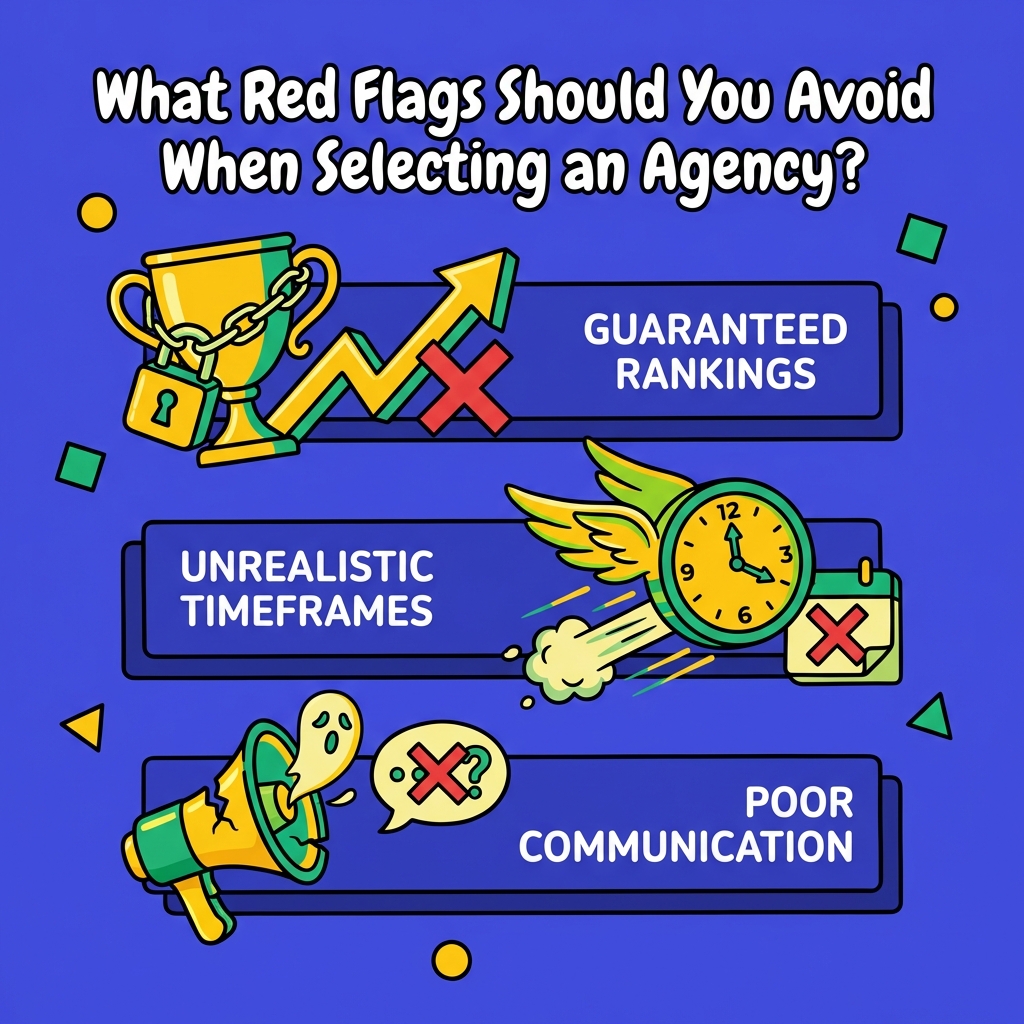
Recognizing warning signs early in the selection process can save you time, money, and frustration. Agencies that guarantee specific rankings or promise unrealistic results within short timeframes often use questionable tactics that could harm your online presence long-term.
Poor communication during the sales process typically indicates ongoing communication problems once you become a client. If an agency takes days to respond to your inquiries, provides vague answers to direct questions, or seems disorganized during presentations, these issues will likely persist throughout your partnership.
Be cautious of agencies that focus heavily on vanity metrics like social media followers or website traffic without connecting these numbers to business outcomes. Quality agencies understand that meaningful metrics tie directly to revenue, lead generation, or other key performance indicators that impact your bottom line.
Warning Signs to Watch For
- Guaranteeing first-page search rankings or specific traffic numbers
- Reluctance to explain their strategies or methodologies
- No clear reporting structure or performance measurement system
- Extremely low pricing compared to industry standards
- High client turnover or inability to provide recent references
- Pressure to sign long-term contracts immediately
How Do You Make the Final Decision and Start the Partnership?
After completing your evaluation process, create a comparison matrix that weighs each agency against your most important criteria. Consider factors like expertise level, communication quality, pricing structure, and cultural fit with your organization.
The onboarding process provides additional insights into how the agency operates. Professional agencies typically conduct thorough discovery sessions, audit your current marketing efforts, and develop detailed strategic plans before launching any campaigns. This methodical approach indicates they prioritize understanding your business before taking action.
Establish clear expectations and communication protocols from the beginning of your partnership. Define success metrics, reporting schedules, and escalation procedures for addressing concerns. Understanding how they'll integrate with your existing marketing efforts and whether they can work effectively with your internal team ensures smooth collaboration.
Consider starting with a shorter-term engagement or specific project to evaluate the agency's performance before committing to a long-term partnership. This approach allows you to assess their capabilities, communication style, and results quality with lower risk.
Conclusion
Choosing the right marketing agency requires careful evaluation of expertise, track record, communication practices, and alignment with your business objectives. By following this systematic approach to agency selection, you'll increase your chances of finding a partner that drives meaningful growth for your business.
Remember that the best marketing agency for your business combines technical expertise with clear communication, proven results, and a genuine understanding of your industry challenges. Take time to thoroughly evaluate your options, ask detailed questions, and verify claims through references and case studies.
Ready to accelerate your business growth with professional marketing support? Start implementing these evaluation criteria today to identify the marketing agency that will help you achieve your digital marketing goals and drive sustainable business growth.

Stefan Winter
Founder & SEO Expert
Founder of Fast SEO Fix and SEO automation expert. Stefan built Fast SEO Fix to solve the tedious problem of manual SEO work. He specializes in SEO optimized content generation, keyword research, and automated SEO strategies.
