What Makes Google Keyword Planner Different from Other Keyword Tools?
Posted by
 Stefan Winter
How to Master Google Keyword Planner for Maximum SEO Impact
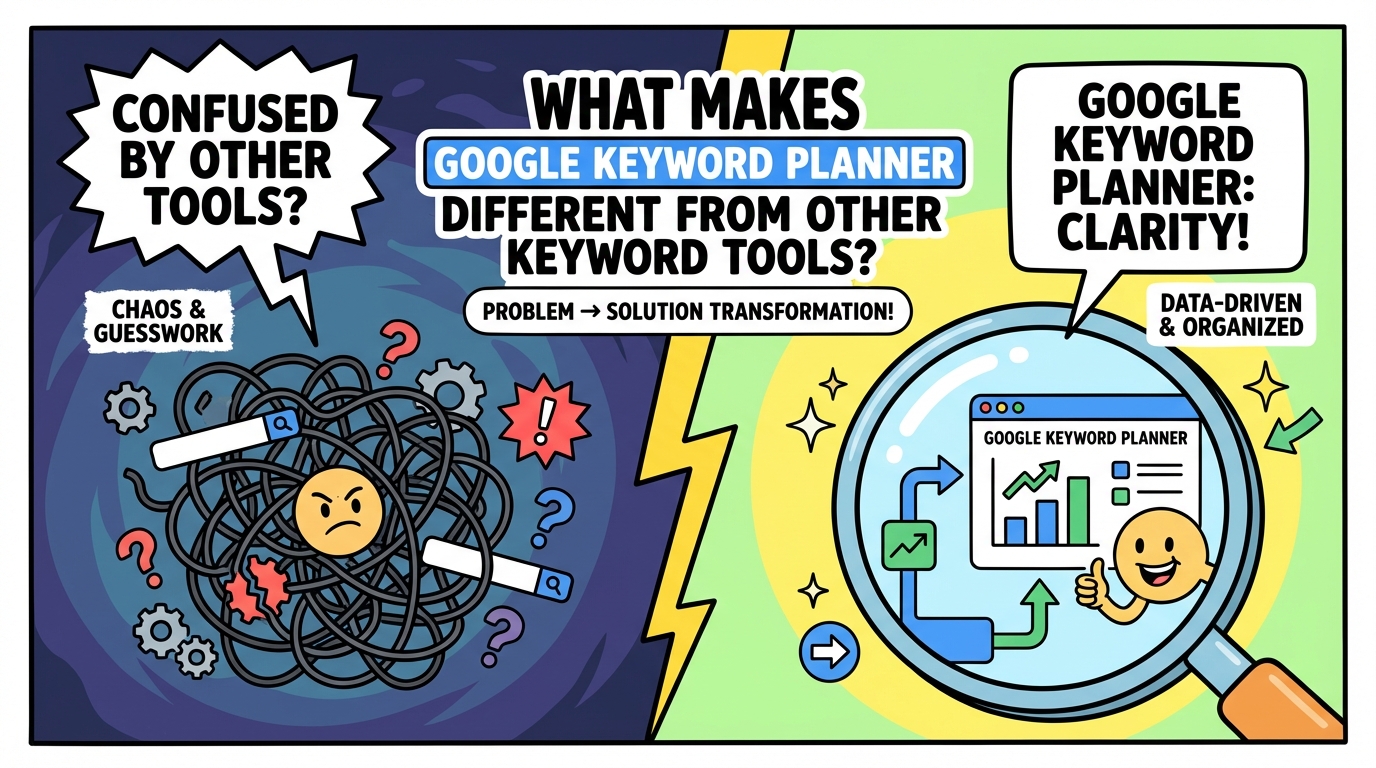
Are you struggling to find the right keywords for your website? Google Keyword Planner remains one of the most powerful (and free) tools available for discovering high-value search terms that can drive organic traffic to your site. While many marketers know it exists, few understand how to leverage its full potential to uncover profitable keyword opportunities and build comprehensive SEO strategies.
In this comprehensive guide, you'll learn how to navigate Google Keyword Planner like a pro, extract valuable keyword data, and transform those insights into content that ranks. Whether you're building your first website or optimizing an established business, mastering this tool is essential for sustainable organic growth.
What Makes Google Keyword Planner Different from Other Keyword Tools?
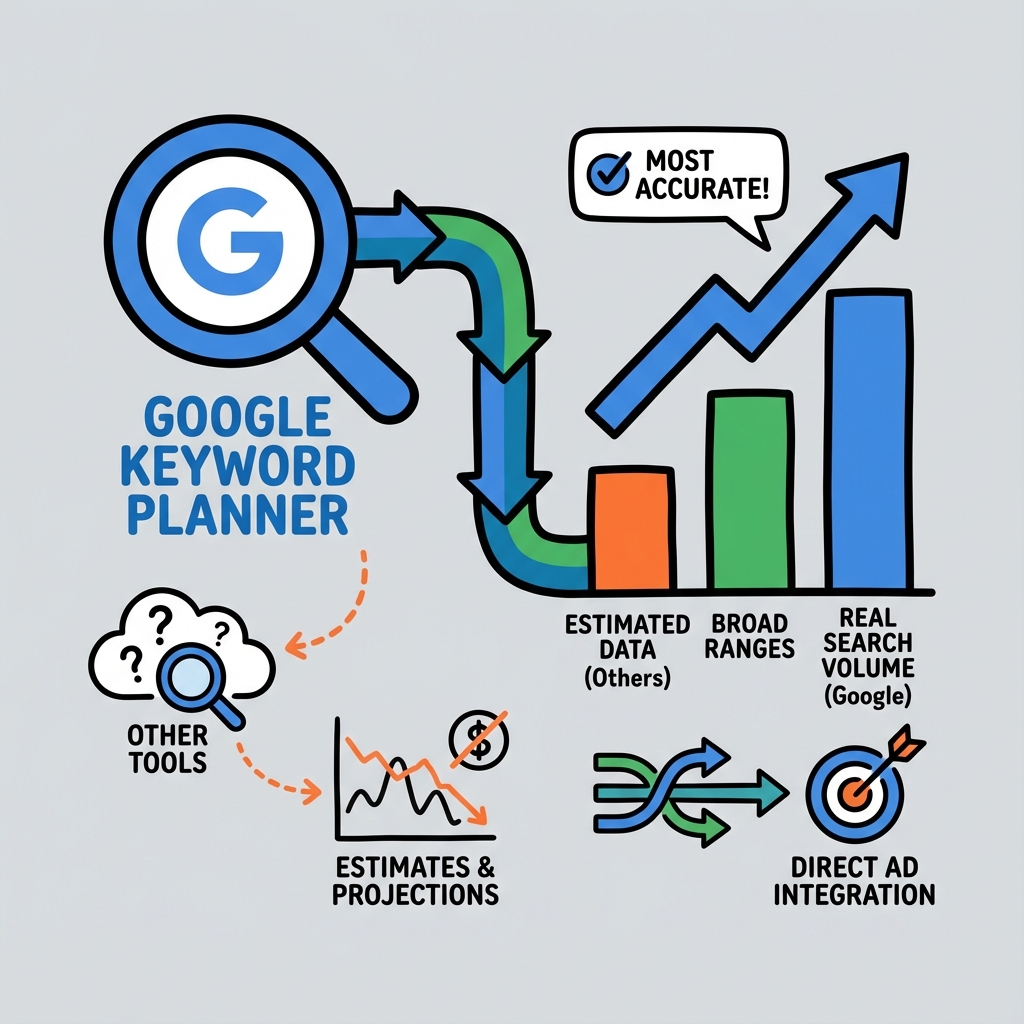
Google Keyword Planner stands apart because it pulls data directly from Google's search engine, giving you the most accurate picture of what people are actually searching for. Unlike third-party tools that estimate search volumes, this platform provides real data from the world's largest search engine.
The tool was originally designed for Google Ads advertisers, which means it offers unique insights into commercial intent and competition levels. This dual purpose makes it incredibly valuable for SEO professionals who want to understand both search demand and advertiser interest in specific keywords.
What sets it apart further is its integration with Google's ecosystem. The keyword suggestions come from actual search queries, auto-complete data, and related searches that users perform daily. This gives you access to long-tail variations and semantic keywords that might not appear in other tools.
How Do You Access and Set Up Google Keyword Planner?
Getting started with Google Keyword Planner requires a Google Ads account, but you don't need to run active campaigns or spend money to use the keyword research features. Here's how to set it up properly:
First, visit ads.google.com and create a Google Ads account using your existing Google credentials. During the setup process, you'll be prompted to create a campaign, but you can pause this immediately after setup without any charges. The key is having an active account, not active campaigns.
Once your account is established, navigate to the "Tools & Settings" menu in the top right corner and select "Keyword Planner" under the Planning section. You'll see two main options: "Discover new keywords" and "Get search volume and forecasts." Both serve different purposes in your keyword research strategy.
What's the Best Strategy for Discovering New Keywords?
The "Discover new keywords" feature is where most of your keyword research magic happens. This tool allows you to input seed keywords, competitor websites, or even your own website to generate comprehensive keyword lists.
Start by entering 3-5 broad seed keywords related to your niche. For example, if you run a fitness website, you might enter "workout routines," "fitness tips," and "home exercises." The tool will generate hundreds of related keywords, complete with search volume ranges, competition levels, and suggested bid prices.
The real power comes from analyzing the keyword suggestions systematically. Look for patterns in the results and identify clusters of related terms. These clusters often represent different user intents and can guide your content marketing strategy development.
How to Filter and Refine Your Keyword Lists
Google Keyword Planner offers several filtering options that help you narrow down keyword lists to the most valuable opportunities. The competition filter shows you whether advertisers are bidding heavily on specific terms, which often indicates commercial value.
Use the search volume filters to focus on keywords within your target range. New websites might target keywords with 100-1,000 monthly searches, while established sites can compete for higher-volume terms. The key is finding the sweet spot between search volume and competition level.
Geographic and language filters ensure your keyword research aligns with your target audience. If you're targeting specific regions or countries, these filters prevent you from optimizing for keywords that won't drive relevant traffic to your business.
How Can You Analyze Search Volume and Competition Data?

Understanding the data Google Keyword Planner provides is crucial for making informed SEO decisions. The search volume ranges give you an idea of monthly search demand, but remember that these numbers represent advertiser-focused data and may not perfectly align with organic search volumes.
Competition levels (Low, Medium, High) refer to how many advertisers are bidding on these keywords in Google Ads. While this doesn't directly correlate to organic competition, it often indicates commercial intent and potential value. High competition keywords might be worth targeting if they align with your business goals.
The suggested bid prices provide another layer of insight into keyword value. Keywords with higher suggested bids typically have stronger commercial intent, meaning users searching these terms are more likely to make purchases or take desired actions.
| Metric | What It Means | How to Use It |
|---|---|---|
| Search Volume | Monthly search estimates | Gauge demand and traffic potential |
| Competition | Advertiser competition level | Assess commercial value and intent |
| Suggested Bid | Average cost-per-click in ads | Identify high-value commercial keywords |
| Keyword Ideas | Related search terms | Discover content opportunities |
What Are the Advanced Features Most People Miss?
Beyond basic keyword discovery, Google Keyword Planner offers several advanced features that can supercharge your SEO strategy. The historical metrics feature shows how search volumes change over time, helping you identify seasonal trends and plan content calendars accordingly.
The forecasting tool, while designed for ads, provides valuable insights into keyword trends and projected search growth. This information helps you prioritize keywords that are gaining momentum rather than declining in popularity.
Another underutilized feature is the ability to upload keyword lists for bulk analysis. If you've compiled keywords from other sources or brainstorming sessions, you can upload them to get Google's data on search volumes and competition levels all at once.
How to Use Competitor Analysis Effectively
Google Keyword Planner allows you to enter competitor websites to see what keywords they might be targeting. While this feature doesn't show you their exact keyword strategy, it provides valuable insights into related terms and market opportunities you might have missed.
Enter your top 3-5 competitors' URLs and analyze the keyword suggestions that emerge. Look for gaps in your current keyword research strategy and identify opportunities where competitors might be overlooking valuable search terms.
Cross-reference these insights with your own keyword lists to build a comprehensive understanding of your market landscape. This competitive intelligence often reveals untapped niches and content opportunities that can give you an edge in search rankings.
How Do You Turn Keyword Data into Actionable SEO Strategy?
The real value of Google Keyword Planner comes from translating keyword data into concrete SEO actions. Start by categorizing your keywords based on search intent: informational, navigational, commercial, and transactional. Each category requires different content approaches and optimization strategies.
Create keyword clusters around related topics and themes. These clusters should form the foundation of your content strategy, with each cluster representing a potential piece of content or a section of your website. This approach ensures comprehensive topic coverage and helps establish topical authority.
According to Google's official SEO documentation, understanding user intent behind keywords is crucial for creating content that satisfies search queries and ranks well in search results.
Priority should be given to keywords that balance search volume, competition level, and relevance to your business goals. Low-competition keywords with decent search volume often provide the best opportunities for quick wins and traffic growth.
What's the Best Way to Track and Measure Results?
Implementing keywords is only half the battle. You need systems in place to track how your keyword-optimized content performs in search results. Google Search Console provides free insights into which keywords are driving traffic to your site and how your rankings change over time.
Create a keyword tracking spreadsheet that includes target keywords, assigned content pieces, current rankings, and traffic metrics. Regular monitoring helps you identify which strategies are working and where adjustments are needed.
Remember that SEO is a long-term game. Keywords may take weeks or months to show ranking improvements, so patience and consistent optimization efforts are essential for success. Focus on creating high-quality content that genuinely addresses user search intent rather than just targeting keywords.
What Common Mistakes Should You Avoid?
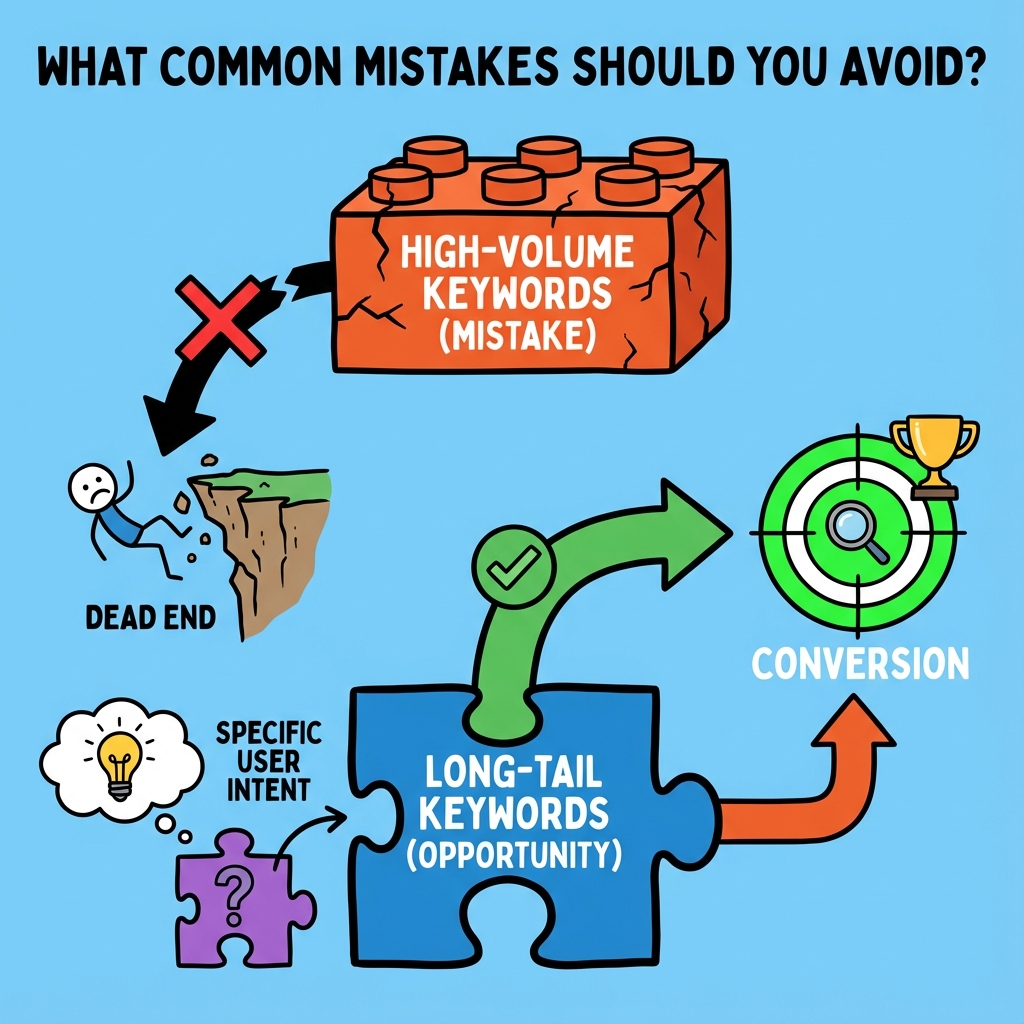
One of the biggest mistakes marketers make with Google Keyword Planner is focusing solely on high-volume keywords while ignoring long-tail opportunities. Long-tail keywords often have higher conversion rates because they represent more specific user intent.
Another common error is misunderstanding the competition metric. Remember that this shows advertiser competition, not organic search competition. A keyword with "High" competition in Google Keyword Planner might actually be relatively easy to rank for organically.
Don't ignore seasonal trends and search patterns. Keywords related to holidays, events, or seasonal activities require strategic timing for maximum impact. Use the historical data to plan your content calendar around these trends.
Research from Search Engine Journal shows that successful SEO campaigns typically target a mix of head terms and long-tail keywords, rather than focusing exclusively on high-volume competitive terms.
How Does Google Keyword Planner Fit into Your Overall SEO Strategy?
Google Keyword Planner should be one tool in a comprehensive SEO toolkit, not your only source of keyword intelligence. Combine its insights with data from Google Search Console, competitor analysis tools, and your own website analytics for a complete picture.
The keywords you discover should directly influence your content creation, on-page optimization, and technical SEO efforts. Each piece of content should target a primary keyword cluster while naturally incorporating related terms and semantic variations.
Integration with your broader marketing strategy is crucial. Keywords that align with your business goals and search rankings will deliver better ROI than those chosen purely based on search volume metrics.
Regular keyword research sessions should be scheduled monthly or quarterly, depending on your industry's pace of change. Markets evolve, new competitors emerge, and search behaviors shift, making ongoing keyword research essential for maintaining SEO momentum.
Conclusion
Mastering Google Keyword Planner is essential for any serious SEO strategy, but success comes from understanding how to interpret its data and transform insights into actionable content strategies. The tool provides unparalleled access to Google's search data, but its true value emerges when you combine systematic keyword research with strategic content creation and ongoing optimization efforts.
Remember that keyword research is just the beginning. The real SEO success comes from creating valuable content that satisfies user intent while strategically incorporating your target keywords. Start implementing these Google Keyword Planner strategies today, and you'll begin seeing improved search visibility and organic traffic growth in the coming months.
Ready to take your SEO strategy to the next level? Fast SEO Fix specializes in helping businesses grow their organic traffic through strategic keyword research and automated content systems. Contact us to learn how we can accelerate your search engine success.

Stefan Winter
Founder & SEO Expert
Founder of Fast SEO Fix and SEO automation expert. Stefan built Fast SEO Fix to solve the tedious problem of manual SEO work. He specializes in SEO optimized content generation, keyword research, and automated SEO strategies.
