What Exactly Is Content Marketing and Why Does It Matter?
Posted by
 Stefan Winter
How to Build a Content Marketing Strategy That Actually Drives Organic Traffic
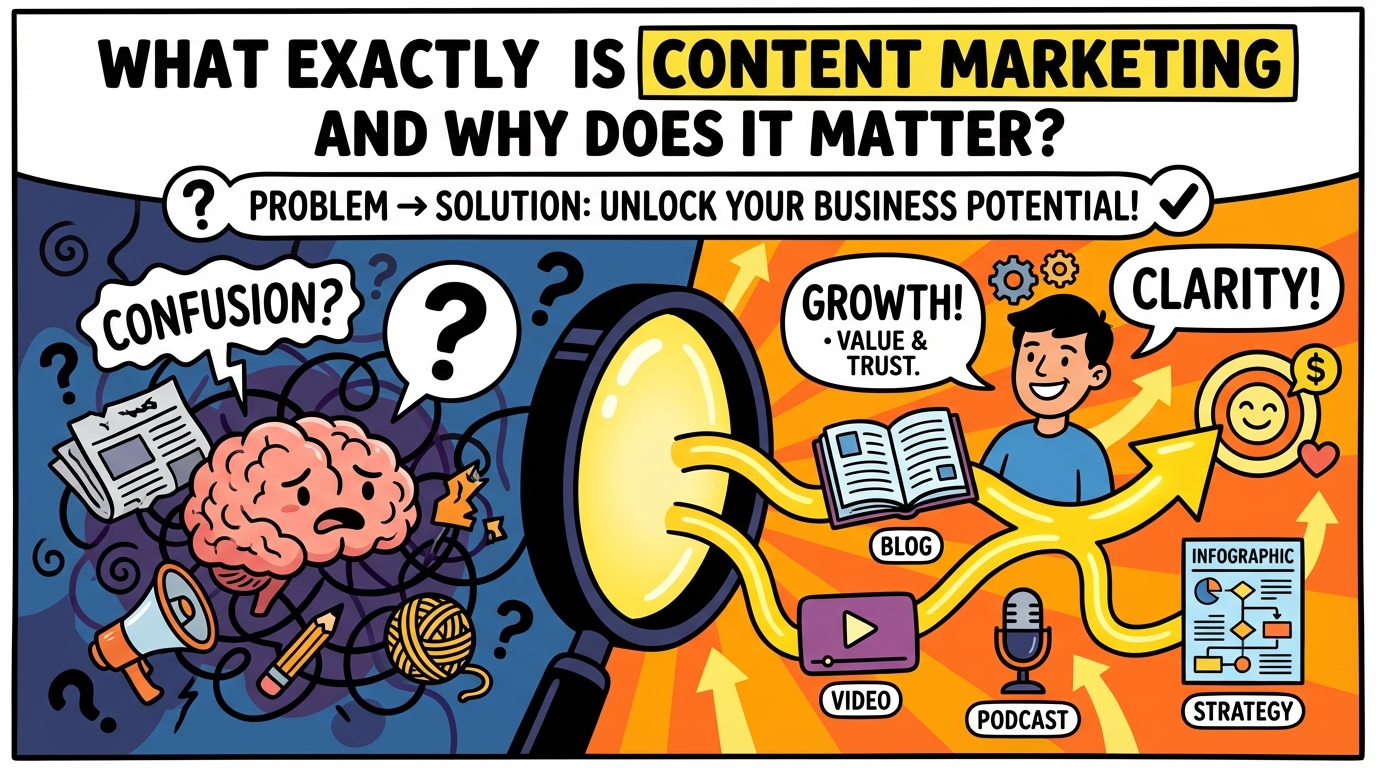
Content marketing has become the backbone of successful digital marketing strategies, yet many businesses struggle to create content that truly resonates with their audience and drives measurable results. If you're tired of publishing blog posts that disappear into the void or social media content that generates zero engagement, you're not alone. This comprehensive guide will walk you through the essential steps to build a content marketing strategy that not only attracts your target audience but converts them into loyal customers and drives sustainable organic traffic growth.
What Exactly Is Content Marketing and Why Does It Matter?
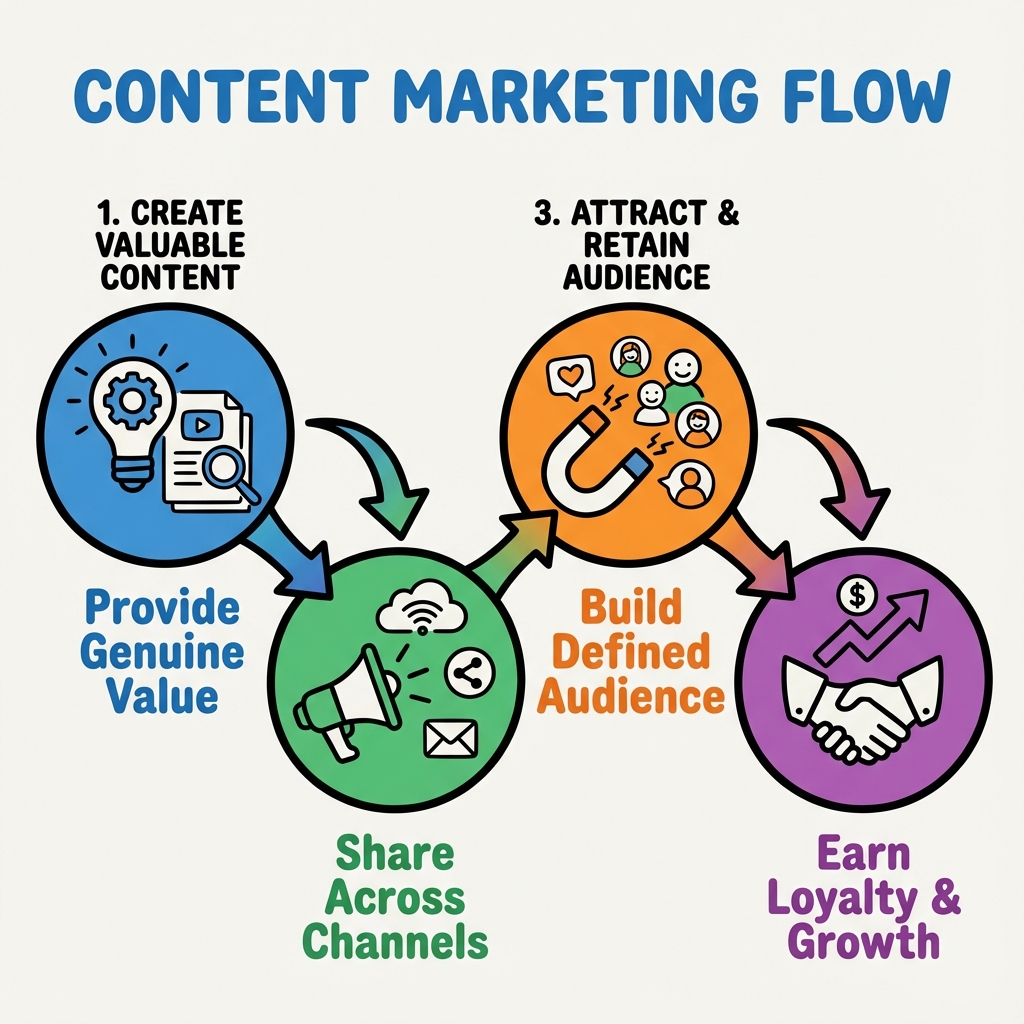
Content marketing is the strategic approach of creating and distributing valuable, relevant, and consistent content to attract and retain a clearly defined audience. Unlike traditional advertising that interrupts potential customers, content marketing provides genuine value first, building trust and authority over time.
The power of content marketing lies in its ability to solve problems before selling solutions. When you consistently deliver helpful information, your audience begins to view your brand as a trusted resource. This trust translates into higher conversion rates, increased customer lifetime value, and improved organic search rankings.
According to the Content Marketing Institute's latest research, 91% of B2B marketers use content marketing to reach customers, and companies that prioritize content marketing see conversion rates six times higher than those that don't. These statistics underscore why content marketing has become indispensable for businesses seeking sustainable growth.
How Do You Define Your Content Marketing Goals?
Before creating a single piece of content, you must establish clear, measurable objectives that align with your overall business goals. Vague aspirations like "increase brand awareness" won't provide the direction needed for strategic content creation.
Start by identifying specific metrics that matter to your business. Are you looking to generate more qualified leads, increase website traffic from organic search, or establish thought leadership in your industry? Each goal requires different content types and distribution strategies. For instance, lead generation might focus on gated content like ebooks and webinars, while thought leadership could emphasize industry insights and expert commentary.
Your content marketing goals should follow the SMART framework: Specific, Measurable, Achievable, Relevant, and Time-bound. Instead of "improve SEO," aim for "increase organic traffic by 40% within six months through targeted blog content and strategic content structure optimization."
Setting Up Your Success Metrics
Different content marketing objectives require different key performance indicators (KPIs). Here's how to match your goals with the right metrics:
| Goal | Primary Metrics | Secondary Metrics |
|---|---|---|
| Brand Awareness | Impressions, Reach, Share of Voice | Social Shares, Mention Volume |
| Lead Generation | Conversion Rate, Cost Per Lead | Email Signups, Download Rates |
| Customer Retention | Engagement Rate, Return Visitors | Time on Page, Pages Per Session |
| Organic Traffic Growth | Organic Sessions, Keyword Rankings | Click-Through Rate, Search Visibility |
Who Is Your Target Audience and What Do They Really Want?
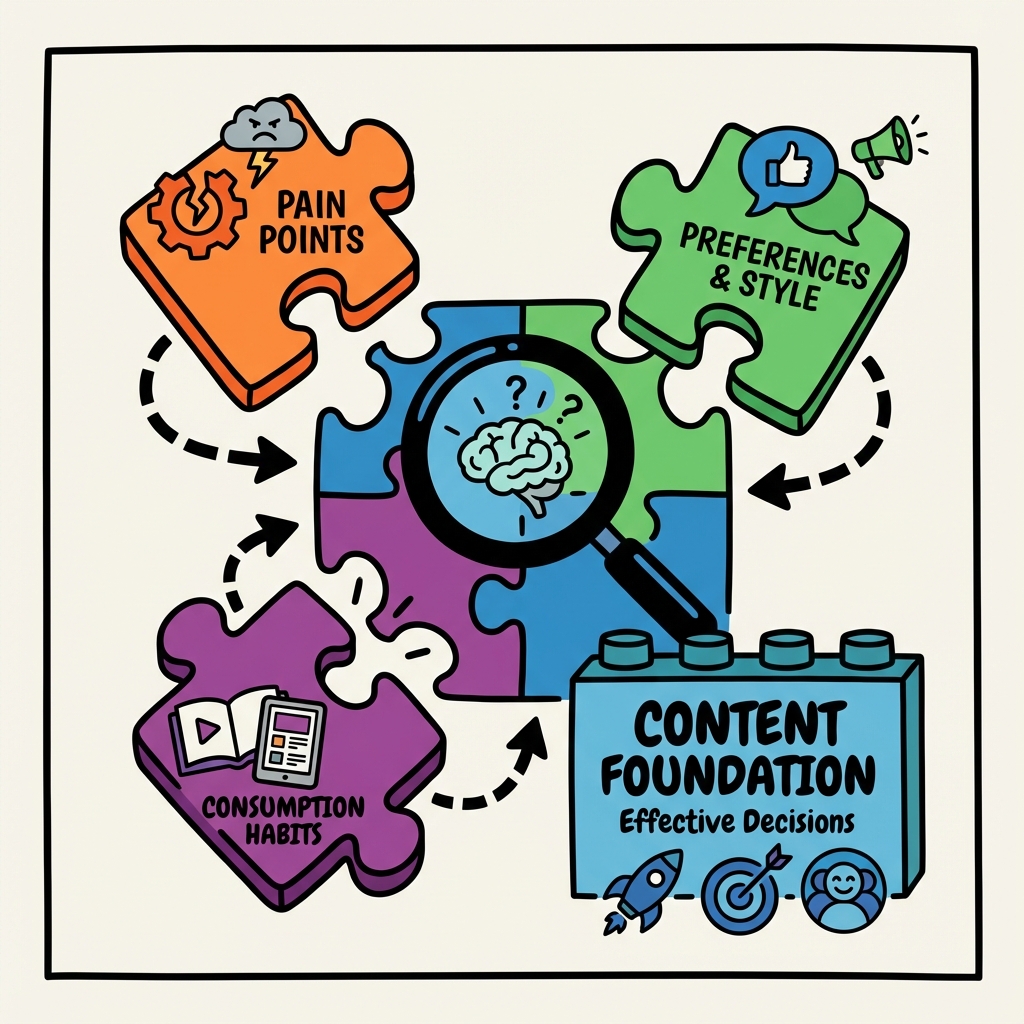
Understanding your audience goes far beyond basic demographics. Effective content marketing requires deep insights into your audience's pain points, preferences, communication styles, and content consumption habits. This understanding forms the foundation of every content decision you'll make.
Create detailed buyer personas that include not just age and location, but also challenges, goals, preferred content formats, and the platforms where they spend time. Interview existing customers, analyze support tickets, and review social media conversations to uncover the language your audience uses and the problems they're actively trying to solve.
Consider the buyer's journey when mapping content to audience needs. Someone just becoming aware of a problem requires different content than someone ready to make a purchase decision. Early-stage content might focus on education and problem identification, while late-stage content should address specific solution comparisons and implementation details.
What Types of Content Should You Create?
Content diversity keeps your audience engaged and allows you to reach people with different learning preferences and consumption habits. However, not every content type will be right for your audience or resources.
Blog posts remain the cornerstone of most content marketing strategies because they're cost-effective, SEO-friendly, and versatile. They can educate, entertain, and establish expertise while supporting your organic search visibility. When developing strategic content ideas, consider how each post can serve multiple purposes within your broader marketing goals.
Video content continues to grow in importance, with platforms like YouTube serving as the second-largest search engine. Videos can repurpose blog content, showcase products in action, or provide behind-the-scenes glimpses that humanize your brand. Even simple screen recordings or talking-head videos can be highly effective when they deliver genuine value.
Choosing the Right Content Mix
Your content portfolio should balance different formats, topics, and stages of the buyer's journey. Consider these content types and their primary benefits:
- Educational blog posts: Build authority and capture organic search traffic
- Case studies: Demonstrate real-world results and build credibility
- Video tutorials: Engage visual learners and increase time spent with your content
- Infographics: Make complex information digestible and shareable
- Podcasts: Build deeper relationships through longer-form conversations
- Interactive tools: Provide immediate value while capturing lead information
How Do You Create Content That Ranks and Converts?
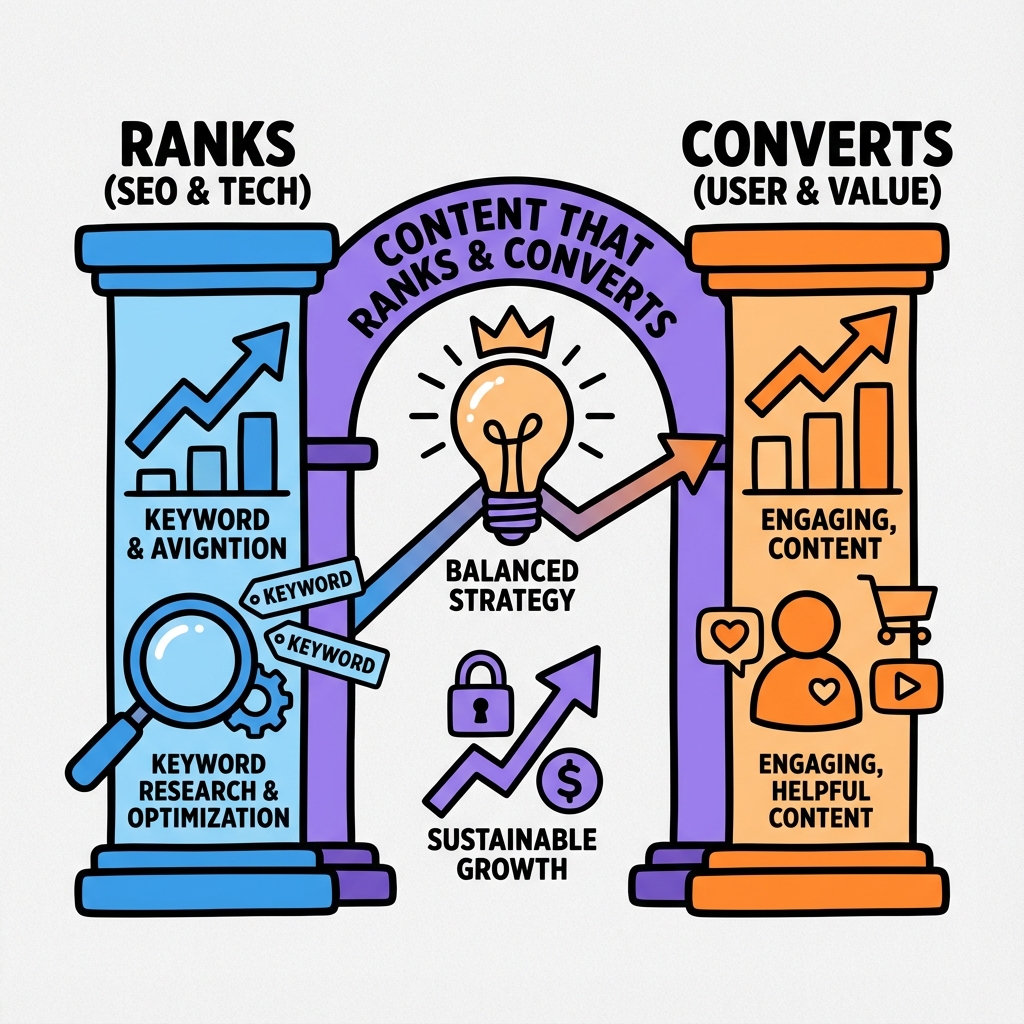
Creating content that performs well in search engines while engaging human readers requires balancing technical optimization with genuine value delivery. Start with thorough keyword research to understand what your audience is searching for, but don't let keyword density override natural, helpful writing.
Focus on search intent rather than just search volume. Someone searching for "content marketing tips" has different needs than someone searching for "content marketing agency pricing." Align your content format and depth with what searchers actually want to find. Understanding how search rankings impact business success can help prioritize your optimization efforts.
Structure your content for both readers and search engines. Use clear headings, bullet points, and short paragraphs to improve readability. Include relevant internal links to keep visitors on your site longer and help search engines understand your content relationships. External links to authoritative sources can boost credibility and provide additional value to readers.
Where Should You Distribute Your Content?
Creating great content is only half the battle. Strategic distribution ensures your content reaches the right people at the right time through their preferred channels. Your distribution strategy should be as planned and intentional as your content creation process.
Start with owned media channels like your website, blog, and email list. These platforms give you complete control over the user experience and allow you to build direct relationships with your audience. Your blog serves as the central hub where all content lives permanently and contributes to your site's SEO authority.
Social media platforms extend your content's reach, but each platform has unique characteristics and audience expectations. LinkedIn favors professional insights and industry commentary, while Instagram emphasizes visual storytelling. Tailor your content format and messaging to match platform norms while maintaining your brand voice.
Maximizing Content Distribution Impact
Consider these distribution channels and their strengths:
- Email newsletters: Direct access to engaged subscribers with high conversion potential
- Social media: Broad reach and community building opportunities
- Guest posting: Access to new audiences and backlink opportunities
- Industry forums: Direct engagement with highly targeted communities
- Partnerships: Collaborative content that leverages mutual audiences
How Do You Measure Content Marketing Success?
Measuring content marketing effectiveness requires looking beyond vanity metrics like page views or social media likes. While these numbers can indicate reach, they don't necessarily correlate with business impact. Focus on metrics that directly tie to your established goals and provide actionable insights for improvement.
Track the complete customer journey from initial content interaction to final conversion. Use tools like Google Analytics to set up goal tracking and attribution modeling that shows how content contributes to revenue generation. This data helps justify content marketing investments and guides future strategy decisions.
Regular performance analysis should inform content optimization and strategy refinement. Identify your top-performing content pieces and analyze what made them successful. Was it the topic, format, distribution channel, or timing? Apply these insights to future content planning while testing new approaches to continuously improve results.
According to HubSpot's State of Marketing Report, companies that measure content marketing ROI are 13 times more likely to see positive returns on their efforts. This statistic emphasizes the importance of establishing measurement frameworks from the beginning of your content marketing journey.
Conclusion
Building a successful content marketing strategy requires careful planning, consistent execution, and continuous optimization based on performance data. By defining clear goals, understanding your audience deeply, creating valuable content, and distributing it strategically, you can develop a content marketing engine that drives sustainable organic traffic growth and business results.
Remember that content marketing is a long-term strategy that builds momentum over time. Start with a solid foundation, focus on quality over quantity, and remain patient as your efforts compound. The businesses that succeed with content marketing are those that view it as an investment in building lasting relationships with their audience rather than a quick fix for immediate traffic needs.
Ready to transform your content marketing approach? Consider implementing an automated blog system to maintain consistency while scaling your content production, or explore how Fast SEO Fix can help streamline your content marketing efforts for maximum organic traffic growth.

Stefan Winter
Founder & SEO Expert
Founder of Fast SEO Fix and SEO automation expert. Stefan built Fast SEO Fix to solve the tedious problem of manual SEO work. He specializes in SEO optimized content generation, keyword research, and automated SEO strategies.
