What Exactly Is an Automated Blog System?
Posted by
 Stefan Winter
How to Set Up Your First Automated Blog System in 2024
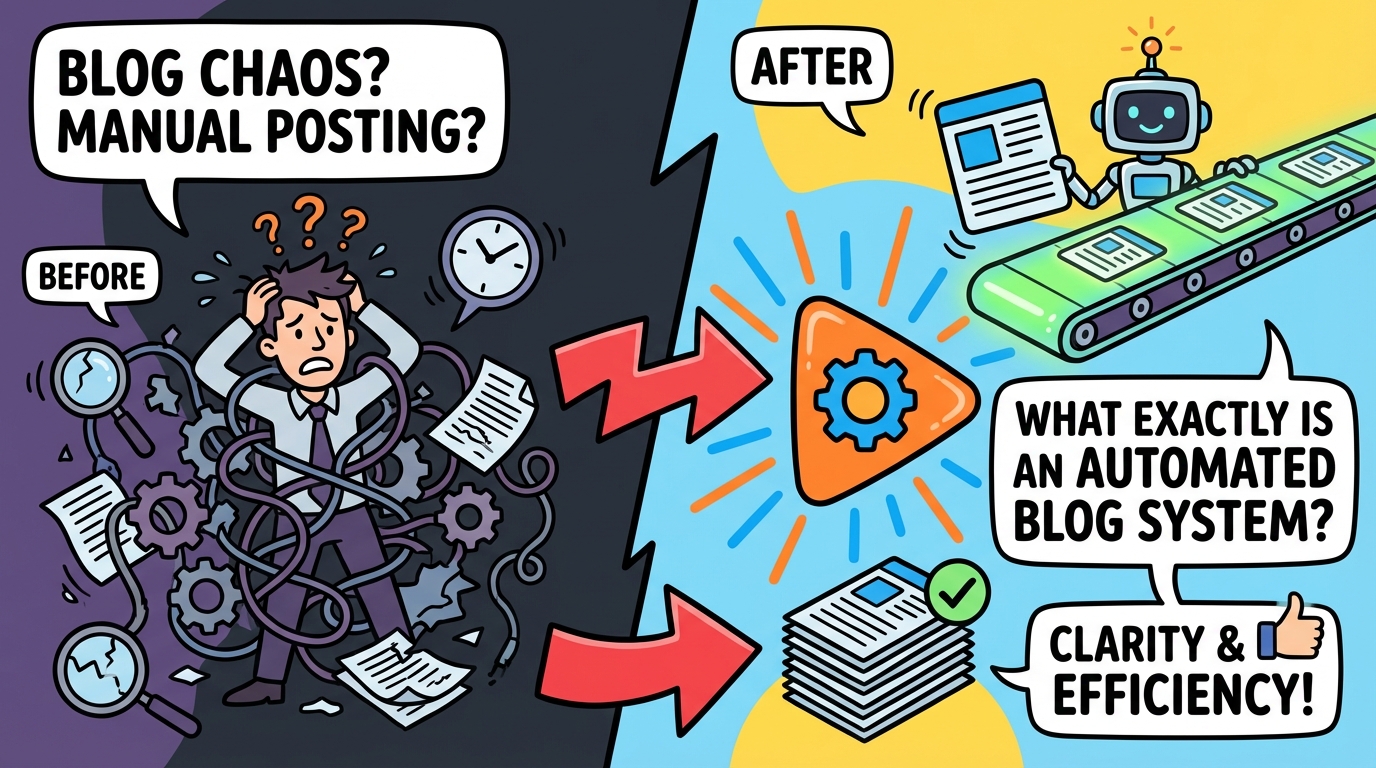
Creating consistent, high-quality content for your website can feel like an uphill battle. Between researching topics, writing posts, and optimizing for search engines, many business owners find themselves overwhelmed by the demands of regular blogging. That's where an automated blog system comes in. By implementing the right automated blog strategy, you can maintain a steady flow of content while freeing up time to focus on other aspects of your business. This guide will walk you through the complete process of setting up your first automated blog system, from choosing the right tools to maintaining quality standards.
What Exactly Is an Automated Blog System?
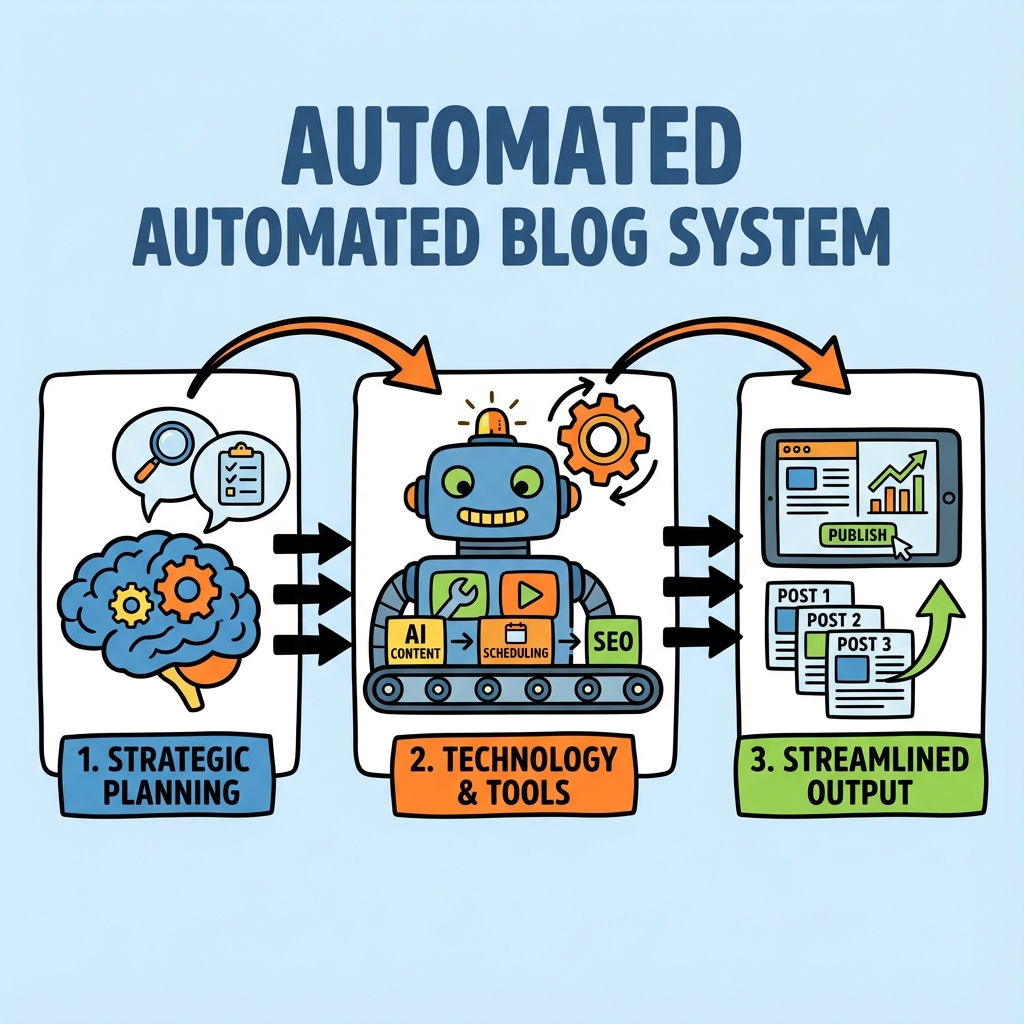
An automated blog system combines technology and strategic planning to streamline your content creation process. Unlike fully manual blogging, where you write every post from scratch, automated blogging uses tools and workflows to handle repetitive tasks, generate content ideas, and even create initial drafts.
The key difference lies in efficiency without sacrificing quality. Your automated blog system can handle research, topic generation, content structuring, and publishing schedules, while you focus on adding your unique voice and expertise. This approach allows businesses to maintain consistent publishing schedules without the constant time investment traditional blogging requires.
Modern automated blog systems integrate with SEO tools, social media platforms, and analytics software to create a comprehensive content marketing machine. When properly configured, these systems can identify trending topics in your industry, suggest content angles, and even optimize posts for search engines automatically.
Why Should You Consider Automated Blogging?
The benefits of implementing an automated blog system extend far beyond time savings. Consistency becomes your biggest advantage, as automated systems eliminate the feast-or-famine publishing cycles that plague many websites. Search engines favor websites that publish regular, quality content, and automation helps you meet this requirement reliably.
Cost efficiency represents another major benefit. Hiring full-time content creators or agencies can strain budgets, especially for small businesses. An automated blog system requires an initial setup investment but operates at a fraction of ongoing content creation costs. You're essentially building a content creation employee that works around the clock.
Scalability becomes possible with automation. Manual content creation hits natural limits based on available time and resources. Automated systems can generate multiple content pieces simultaneously, allowing you to expand your content output as your business grows. This scalability proves especially valuable when entering new markets or launching additional product lines.
How Do You Choose the Right Automated Blog Tools?
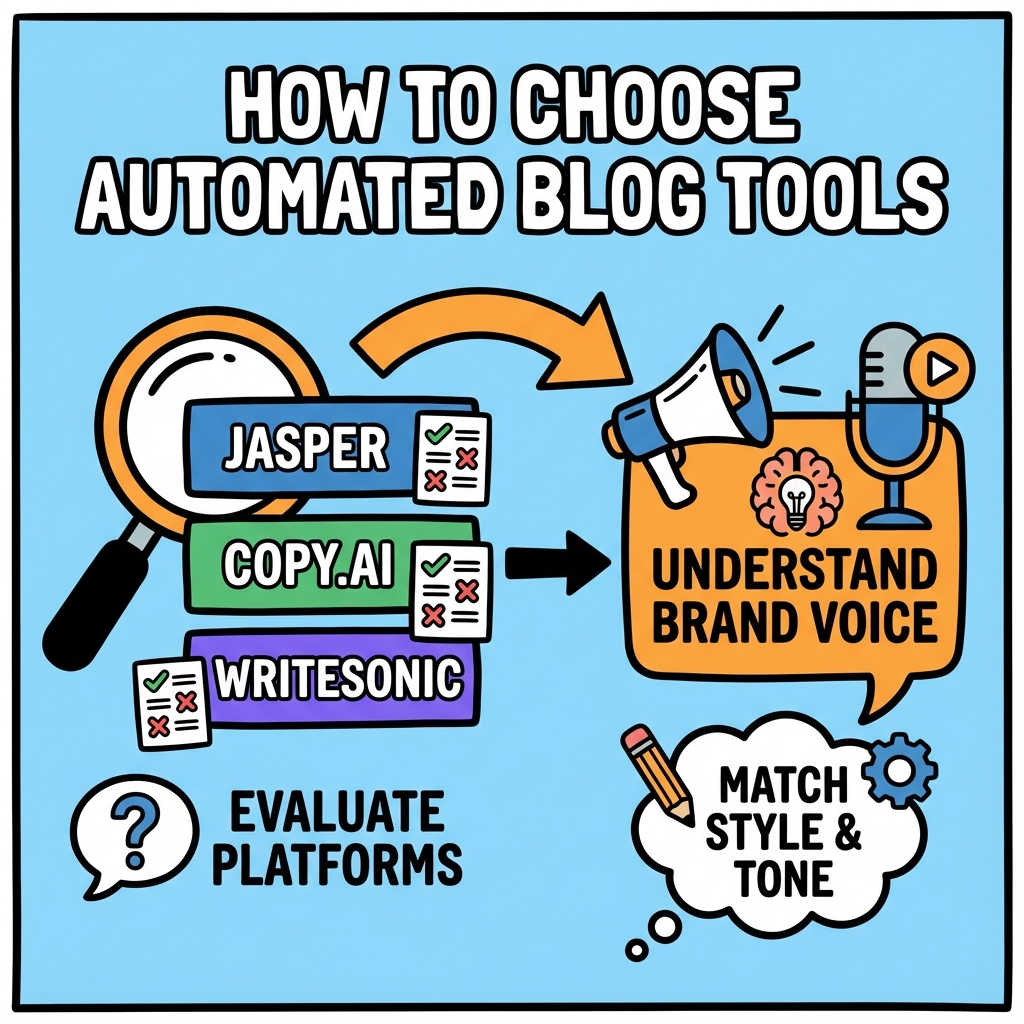
Selecting the appropriate tools forms the foundation of your automated blog success. Content generation platforms like Jasper, Copy.ai, and WriteSonic offer different strengths depending on your industry and content style. Evaluate these platforms based on their ability to understand your brand voice, integrate with your existing systems, and produce content that aligns with your quality standards.
Publishing and scheduling tools streamline your content distribution. WordPress plugins like CoSchedule or standalone platforms like Buffer allow you to plan content calendars weeks or months in advance. Look for tools that support multiple content formats, social media integration, and analytics tracking.
Research and topic generation tools help maintain content relevance. Platforms like BuzzSumo, AnswerThePublic, and SEMrush can automatically identify trending topics in your industry and suggest content angles your audience wants to read. Understanding how to create content strategically becomes easier when you have data-driven insights guiding your decisions.
| Tool Category | Primary Function | Best For | Price Range |
|---|---|---|---|
| Content Generation | AI writing assistance | Creating drafts quickly | $20-100/month |
| Publishing Automation | Scheduling and distribution | Consistent posting | $10-50/month |
| Research Tools | Topic and keyword research | Content planning | $30-200/month |
| Analytics Platforms | Performance tracking | Optimization | $50-300/month |
What Steps Should You Follow to Set Up Your System?
Step 1: Define Your Content Strategy
Before implementing any automated blog tools, establish clear content goals and guidelines. Identify your target audience, preferred content types, publishing frequency, and brand voice standards. This foundation ensures your automated system produces content that aligns with your business objectives.
Create detailed buyer personas and content themes that resonate with your audience. Document your brand voice, including tone, style preferences, and topics to avoid. These guidelines will inform every automated tool configuration and help maintain consistency across all generated content.
Step 2: Configure Your Content Generation Workflow
Set up your chosen content generation tools with your brand guidelines and target keywords. Most platforms allow you to create templates and presets that reflect your preferred writing style and format. Spend time training these tools with examples of your best-performing content.
Establish content approval workflows that balance automation with quality control. While the goal is efficiency, maintaining quality standards remains crucial for long-term success. Determining what makes a content idea worth pursuing helps ensure your automated system focuses on valuable topics.
Step 3: Integrate SEO Automation
Connect your automated blog system with SEO tools to optimize content automatically. Platforms like Yoast SEO, RankMath, or Surfer SEO can analyze your content and suggest improvements for better search engine visibility. Configure these tools to check keyword density, meta descriptions, and readability scores automatically.
Learning what makes automated SEO different from traditional SEO helps you understand how to balance automation with strategic optimization decisions that require human insight.How Can You Maintain Quality in Automated Blog Content?
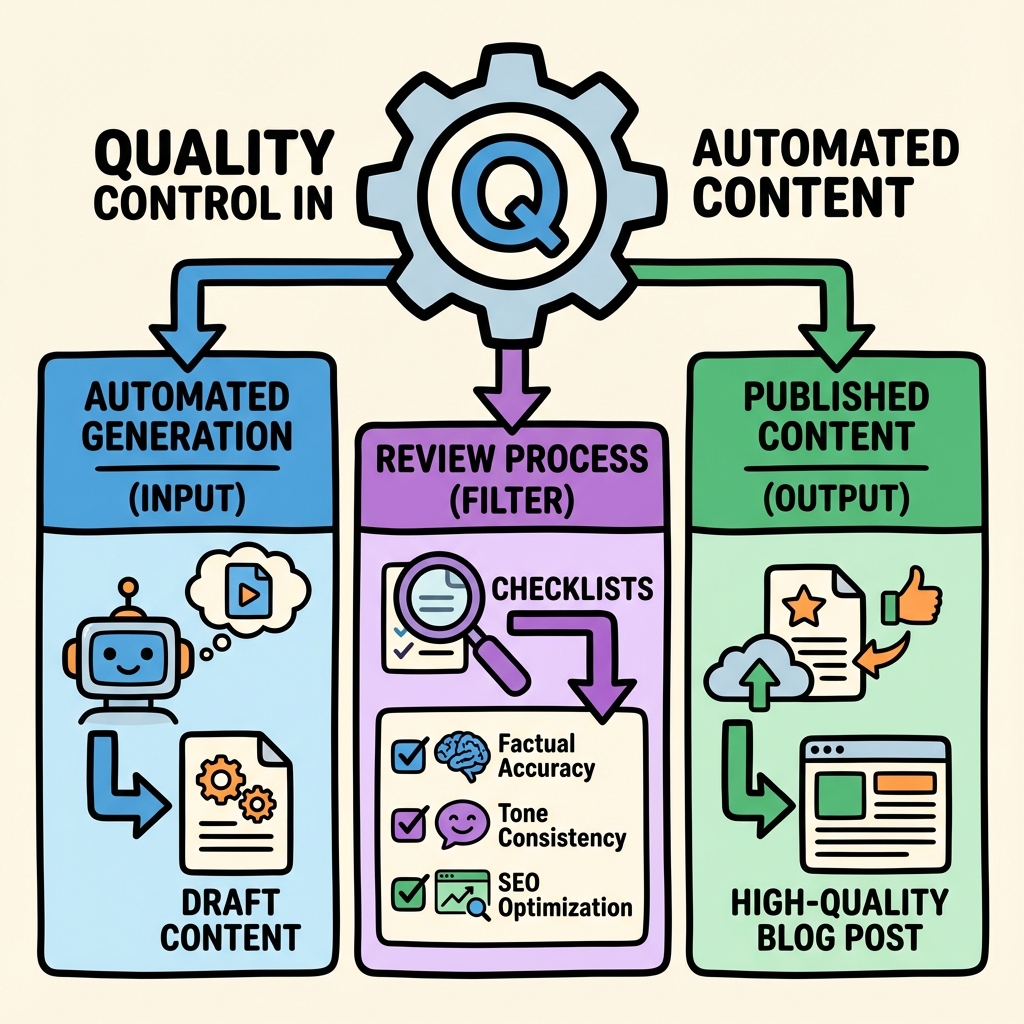
Quality control represents the biggest challenge in automated blogging. Establish review processes that catch errors, ensure accuracy, and maintain your brand voice. Create checklists that cover factual accuracy, tone consistency, and SEO optimization before publishing any automated content.
Implement feedback loops that improve your system over time. Track which automated posts perform best and identify patterns in successful content. Use these insights to refine your tool settings and content templates. Regular monitoring helps you spot issues before they impact your audience or search rankings.
Consider hybrid approaches that combine automation with human expertise. Use automated tools for research, outline creation, and first drafts, then have human editors add unique insights, verify facts, and polish the final product. This approach maximizes efficiency while maintaining the personal touch that distinguishes great content.
What Common Mistakes Should You Avoid?
Over-reliance on automation without human oversight leads to generic, low-value content that fails to engage readers or rank well in search results. According to Google's helpful content guidelines, search engines prioritize content created primarily for people, not search engines.
Neglecting to customize automated tools for your specific industry and audience results in content that lacks relevance and authority. Generic automated content fails to establish thought leadership or build trust with your audience. Invest time in training your tools and creating detailed prompts that reflect your expertise.
Failing to monitor performance metrics means missing opportunities to optimize your automated blog system. Track key performance indicators like organic traffic, engagement rates, and conversion metrics to identify which automated content strategies work best for your business.
How Do You Measure Success in Automated Blogging?
Establish clear metrics that align with your business goals before launching your automated blog system. Organic traffic growth, search engine rankings, and lead generation provide concrete measures of success. Use tools like Google Analytics and Search Console to track these metrics consistently.
Content engagement metrics reveal how well your automated posts resonate with readers. Monitor average time on page, bounce rates, and social shares to gauge content quality. High-performing automated content often shares characteristics you can replicate in future posts.
Conversion tracking helps determine the business impact of your automated blog efforts. Set up goal tracking for newsletter signups, demo requests, or product purchases that originate from blog content. This data helps justify the investment in automated blogging tools and guides future content strategy decisions.
Research from the Content Marketing Institute shows that businesses using documented content strategies are significantly more likely to consider themselves effective at content marketing.
Conclusion
Setting up an automated blog system requires careful planning and the right combination of tools, but the long-term benefits make the initial investment worthwhile. By following these steps and maintaining focus on quality, you can create a content system that consistently produces valuable posts while freeing up time for other business priorities. Remember that successful automated blogging balances efficiency with authenticity, using technology to enhance rather than replace human creativity and expertise.
Start with one or two automated tools and gradually expand your system as you become more comfortable with the technology. Monitor your results closely and adjust your approach based on what works best for your audience and business goals. With patience and consistent optimization, your automated blog system will become a powerful driver of organic traffic and business growth.

Stefan Winter
Founder & SEO Expert
Founder of Fast SEO Fix and SEO automation expert. Stefan built Fast SEO Fix to solve the tedious problem of manual SEO work. He specializes in SEO optimized content generation, keyword research, and automated SEO strategies.
