What Makes Automated SEO Different from Traditional SEO?
Posted by
 Stefan Winter
12 Pro Tips to Master Automated SEO and Scale Your Rankings
Scaling your SEO efforts manually can feel like trying to fill an ocean with a teaspoon. Every day brings new content to optimize, keywords to track, and technical issues to fix. The solution? Automated SEO strategies that work around the clock to boost your rankings while you focus on growing your business. In this guide, you'll discover 12 proven techniques to implement automated SEO systems that deliver consistent results without constant manual intervention.
What Makes Automated SEO Different from Traditional SEO?
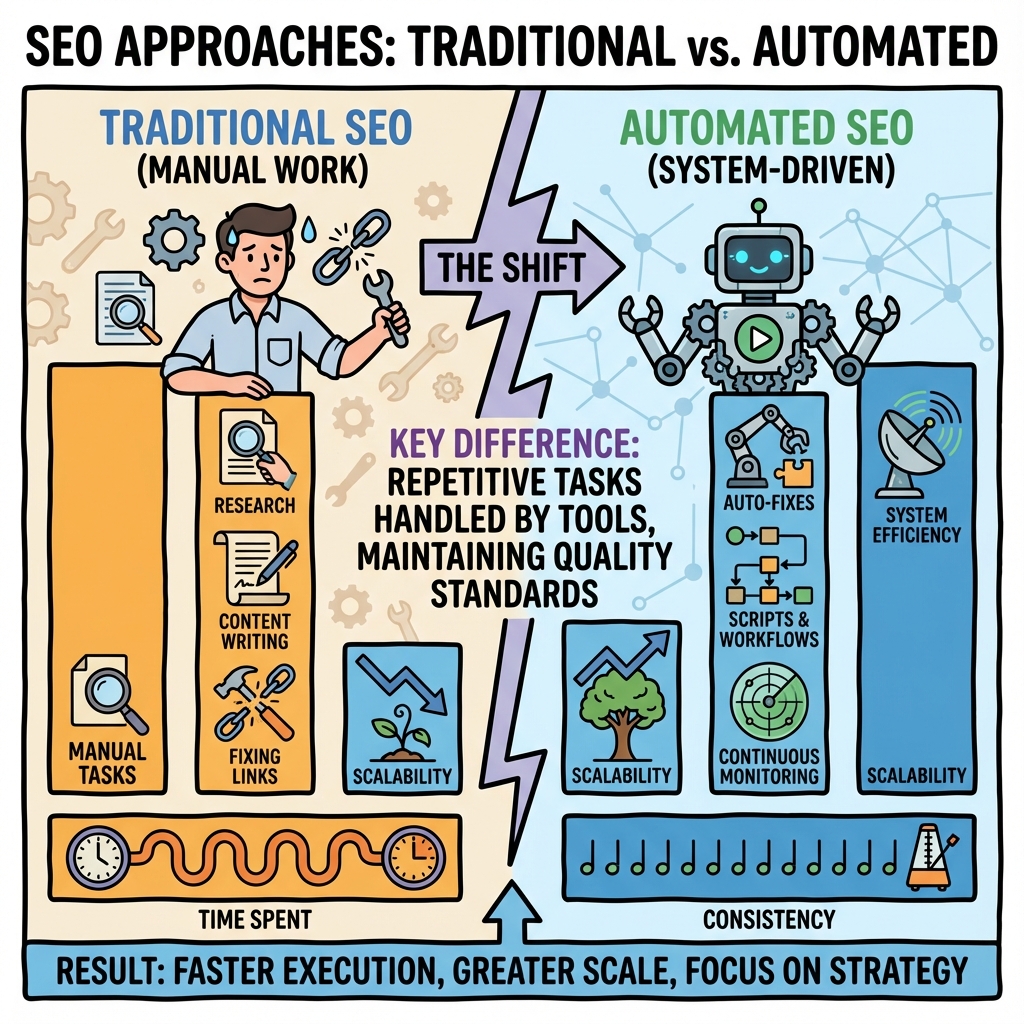
Traditional SEO requires constant hands-on work. You manually research keywords, write meta descriptions, fix broken links, and monitor rankings. Automated SEO flips this approach by using tools, scripts, and systems to handle repetitive tasks while maintaining quality standards.
The key difference lies in scalability. While manual SEO limits you to optimizing a handful of pages per day, automated systems can process hundreds or thousands of pages simultaneously. This doesn't mean sacrificing quality for quantity. Smart automation focuses on tasks that follow predictable patterns, like generating schema markup or updating internal links based on content changes.
According to Moz's State of SEO report, businesses using automated SEO tools see 40% faster implementation of optimization changes compared to manual processes. The trick is knowing which tasks to automate and which require human expertise.
How Can You Automate Technical SEO Audits?
Technical SEO forms the foundation of your search visibility, but manually auditing large sites takes weeks. Automated technical audits can identify issues within hours and even fix some problems automatically.
Start by setting up automated crawling schedules using tools like Screaming Frog or DeepCrawl. Configure these tools to run weekly scans and generate reports highlighting critical issues like broken links, missing meta descriptions, or duplicate content. Many platforms offer API integrations that can automatically create tickets in your project management system when issues are detected.
For immediate fixes, implement automated solutions for common technical problems. Set up 301 redirects through your CMS when URLs change, automatically generate XML sitemaps when new content is published, and use plugins or scripts to add structured data markup to your pages based on content type.
| Technical SEO Task | Manual Time | Automated Time | Frequency |
|---|---|---|---|
| Site Crawl (1000 pages) | 4-6 hours | 30 minutes | Weekly |
| Broken Link Check | 2-3 hours | 10 minutes | Daily |
| Schema Markup Addition | 15 min/page | 2 min/page | Per publish |
| Sitemap Generation | 1-2 hours | Instant | Per update |
Which Content Optimization Tasks Should You Automate First?
Content optimization offers the biggest wins for automated SEO, but you need to prioritize the right tasks. Start with elements that follow clear rules and patterns rather than creative decisions.
Meta title and description generation tops the priority list. Create templates based on your content types and use dynamic variables to populate them automatically. For blog posts, a template might be "Topic + Year + Brand Name" for titles and "Learn about Topic with our expert guide. Includes X tips and actionable strategies" for descriptions.
Internal linking presents another excellent automation opportunity. Tools like Link Whisper or custom scripts can automatically suggest and add internal links based on keyword relevance and content topics. This ensures every new piece of content gets properly connected to your existing content ecosystem without manual intervention.
Content updates and refreshes also benefit from automation. Set up systems to automatically update publication dates, add "last updated" timestamps, and flag content that needs human review based on age or performance metrics.
How Do You Set Up Automated Keyword Tracking and Reporting?
Keyword tracking consumes hours each week when done manually, but automated systems can monitor thousands of keywords and deliver insights instantly. The key is setting up comprehensive tracking that goes beyond simple ranking positions.
Configure rank tracking tools like SEMrush or Ahrefs to automatically monitor your target keywords across different locations and devices. Set up automated alerts for significant ranking changes, both positive and negative. This allows you to quickly capitalize on gains or address sudden drops before they impact traffic.
Create automated reporting dashboards that combine keyword data with traffic and conversion metrics. Tools like Google Data Studio can automatically pull data from multiple sources and generate weekly or monthly reports. Include trending keywords, content gaps, and competitor movements to get a complete picture of your SEO landscape.
The most successful blog content strategies integrate automated keyword research into their content planning process. Set up systems that identify trending topics in your niche and automatically add them to your content calendar.
What Automated Link Building Strategies Actually Work?
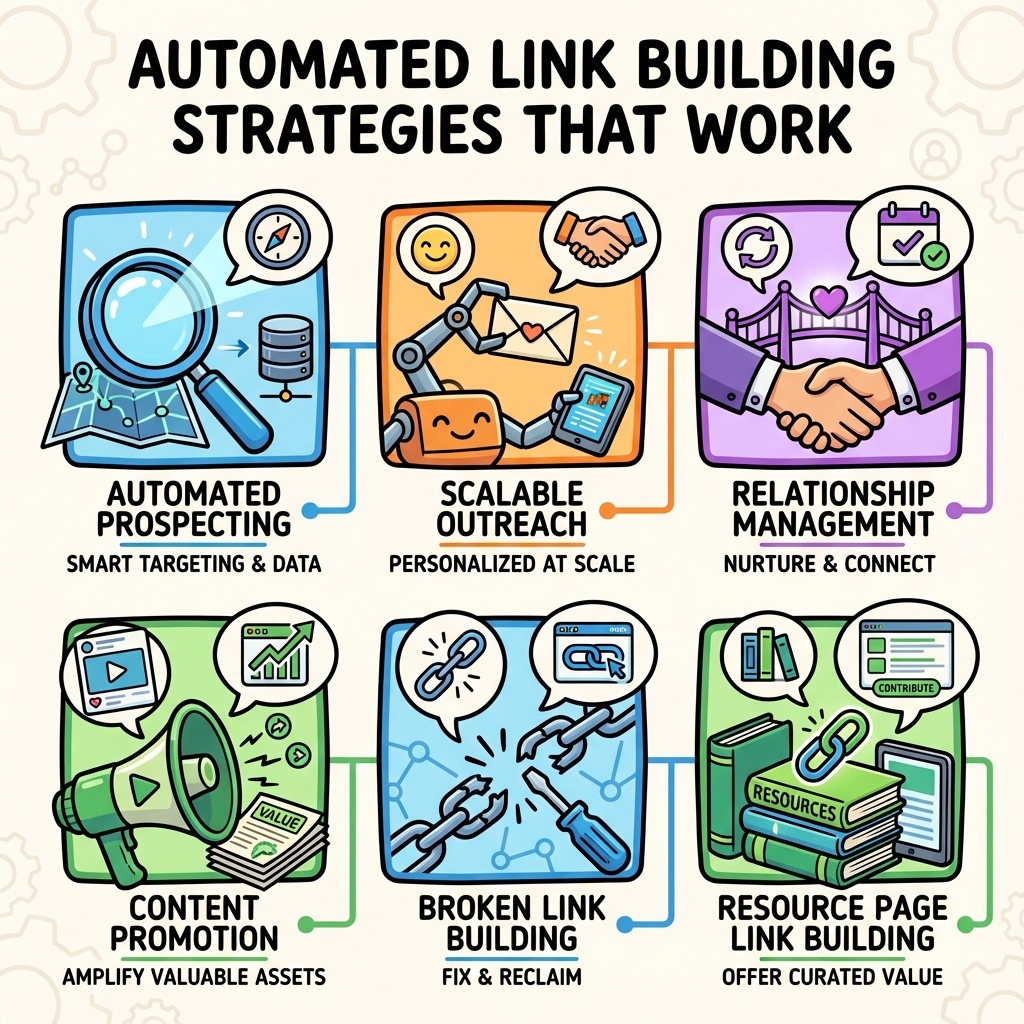
Automated link building requires careful balance between efficiency and relationship building. Focus on scalable outreach and relationship management rather than mass email blasts that damage your reputation.
Implement automated prospecting to identify high-quality link opportunities. Use tools like Ahrefs or Majestic to find sites linking to your competitors, then set up automated systems to verify contact information and track outreach status. This eliminates hours of manual research while maintaining targeting precision.
Create automated follow-up sequences for your outreach campaigns. Most successful link building requires 3-5 touchpoints, but manually tracking and scheduling follow-ups becomes overwhelming at scale. Email automation platforms can handle the sequencing while you focus on crafting compelling initial pitches.
Resource page link building benefits significantly from automation. Set up Google Alerts and monitoring tools to automatically identify new resource pages in your industry, then use automated outreach templates to suggest your content for inclusion.
How Can You Automate Local SEO Management?
Local SEO involves managing consistent information across hundreds of directories and review platforms. Manual updates take forever and often contain inconsistencies that hurt your rankings.
Start with automated citation management using services like Moz Local or BrightLocal. These platforms automatically update your business information across major directories when you make changes in their central dashboard. This ensures consistency across Google My Business, Yelp, Facebook, and other critical platforms.
Review monitoring and response automation helps maintain your online reputation without constant manual oversight. Set up automated alerts for new reviews across all platforms, and create template responses for common review types. While personalized responses work best, automated acknowledgments ensure no review goes unnoticed.
Location page creation becomes manageable with automation when you operate multiple locations. Develop templates that automatically populate location-specific information like addresses, phone numbers, local keywords, and nearby landmarks. This approach maintains quality while scaling to hundreds of locations.
Which SEO Monitoring Tasks Benefit Most from Automation?
SEO monitoring involves tracking dozens of metrics across multiple platforms. Automated monitoring systems catch issues faster than manual checks and free up time for strategic improvements.
Website performance monitoring should run continuously rather than periodic manual checks. Set up automated alerts for page speed issues, server downtime, or Core Web Vitals problems. Tools like Google PageSpeed Insights API can automatically test your pages and flag performance degradation before it impacts rankings.
Competitor monitoring provides valuable insights when automated properly. Track competitor content publication, keyword movements, and backlink acquisition automatically. This intelligence helps you identify opportunities and threats without spending hours on manual research.
Search console data offers goldmine insights when processed automatically. Set up systems to automatically identify pages with declining impressions, new keyword opportunities, or technical errors. Many businesses miss critical SEO issues because they don't check Search Console frequently enough.
How Do You Maintain Quality While Scaling Automated SEO?
Quality control becomes crucial as you scale automated SEO processes. The goal is maintaining human-level quality while achieving machine-level efficiency.
Implement approval workflows for automated content changes. Set up systems where automation handles the heavy lifting but human reviewers approve changes before they go live. This works particularly well for meta descriptions, internal links, and content updates where automation provides suggestions rather than making direct changes.
Quality scoring helps identify when automated processes need human intervention. Develop scoring systems that flag content or optimizations falling below quality thresholds. For example, automatically generated meta descriptions with low readability scores or internal links with poor relevance matches should trigger manual review.
Regular auditing of automated processes ensures they continue delivering quality results. Schedule monthly reviews of automated outputs, measuring both efficiency gains and quality metrics. This helps you refine your automation rules and catch issues before they scale across your entire site.
Understanding effective webmaster tools becomes essential for monitoring automated SEO performance across different search engines and catching issues early.
What Tools and Platforms Enable Effective SEO Automation?
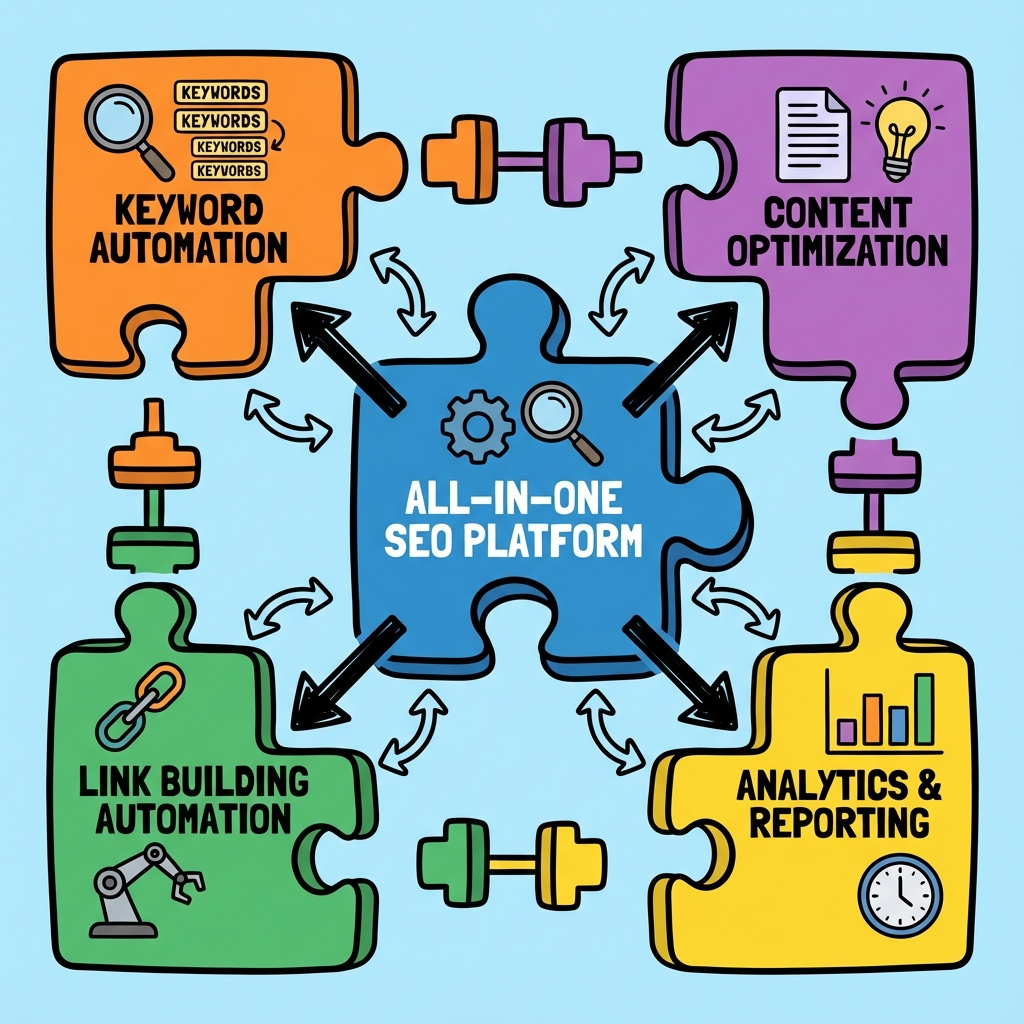
Choosing the right automation tools determines your success with scaled SEO efforts. Focus on platforms that integrate well together and match your technical capabilities.
All-in-one SEO platforms like SEMrush, Ahrefs, or Moz offer automation features across multiple SEO disciplines. These platforms excel at keyword tracking, competitor monitoring, and automated reporting. Their APIs enable custom automation workflows for businesses with specific needs.
Specialized automation tools handle specific tasks more effectively than general platforms. Screaming Frog excels at technical audits, Link Whisper automates internal linking, and Zapier connects different tools for custom workflows. The key is building a stack that covers your priority automation areas without overwhelming complexity.
Custom solutions using Python scripts or Google Apps Script provide maximum flexibility for unique automation needs. While requiring technical skills, custom automation can handle tasks that no existing tool addresses. Common applications include content analysis, automated schema markup generation, and custom reporting dashboards.
How Do You Measure ROI from Automated SEO Efforts?
Measuring automation ROI requires tracking both efficiency gains and result improvements. Focus on metrics that demonstrate clear business value rather than just time savings.
Time savings provide the most obvious ROI measurement. Track hours saved per week across different automated tasks and multiply by your team's hourly rates. Most businesses save 15-20 hours per week after implementing comprehensive SEO automation, representing significant cost savings.
Performance improvements matter more than time savings for long-term ROI. Track organic traffic growth, keyword ranking improvements, and conversion rate changes after implementing automation. According to Search Engine Land's automation study, businesses using automated SEO see 25% faster ranking improvements compared to manual-only approaches.
Error reduction contributes substantial value that's often overlooked. Automated systems catch technical issues, maintain consistency, and prevent human errors that could damage rankings. Track metrics like broken link reduction, consistency improvements, and issue detection speed to quantify this value.
What Common Automated SEO Mistakes Should You Avoid?
Automation mistakes can damage your SEO performance faster than manual errors because they scale across your entire site. Learning from common pitfalls helps you implement automation safely.
Over-automation represents the biggest risk for most businesses. Automating creative tasks like content writing or link outreach messaging often produces generic, low-quality results that hurt more than help. Focus automation on data processing, monitoring, and repetitive optimization tasks while keeping human creativity in strategic areas.
Insufficient quality controls lead to scaled problems when automation goes wrong. Always implement approval workflows, quality scoring, and regular audits for your automated processes. A single automation error can impact thousands of pages if not caught quickly.
Ignoring algorithm updates can make automated processes counterproductive when search engine guidelines change. Regularly review and update your automation rules to align with current best practices. What worked for automated SEO last year might violate today's quality guidelines.
Advanced Automation Strategies for Enterprise SEO
Enterprise websites require sophisticated automation strategies that go beyond basic task automation. These advanced techniques handle the complexity of large-scale SEO operations.
Dynamic content optimization automatically adjusts SEO elements based on user behavior and performance data. Implement systems that modify meta descriptions, internal linking, or content recommendations based on click-through rates, bounce rates, and conversion data. This creates self-improving SEO that gets better over time.
Multi-site automation becomes essential for businesses managing multiple domains or international sites. Develop centralized systems that can deploy SEO changes across your entire web property portfolio while accounting for local requirements and brand differences.
Predictive SEO automation uses machine learning to identify opportunities before they become obvious. These systems analyze historical data to predict which keywords will trend, which content needs updates, and where technical issues are likely to occur. While complex to implement, predictive automation provides significant competitive advantages.
Conclusion
Automated SEO transforms overwhelming manual tasks into efficient, scalable systems that work around the clock to improve your search rankings. By focusing on technical audits, content optimization, keyword tracking, and quality monitoring, you can achieve better results while freeing up time for strategic initiatives.
Start with one or two automation areas that offer the biggest impact for your specific situation. Technical SEO automation and keyword tracking typically provide the fastest wins, while content optimization and link building automation require more careful implementation but offer substantial long-term benefits.
Remember that successful automation enhances human expertise rather than replacing it. Use automation to handle repetitive tasks and data processing while focusing your creative energy on strategy, relationship building, and high-level optimization decisions.
Ready to implement automated SEO for your website? Start by auditing your current manual processes and identifying the tasks that consume the most time. Then gradually implement automation solutions, always prioritizing quality controls and regular monitoring to ensure your automated systems deliver the results your business needs.

Stefan Winter
Founder & SEO Expert
Founder of Fast SEO Fix and SEO automation expert. Stefan built Fast SEO Fix to solve the tedious problem of manual SEO work. He specializes in SEO optimized content generation, keyword research, and automated SEO strategies.
