What Does It Really Mean to Create Content Strategically?
Posted by
 Stefan Winter
How to Create Content That Drives Organic Traffic and Converts
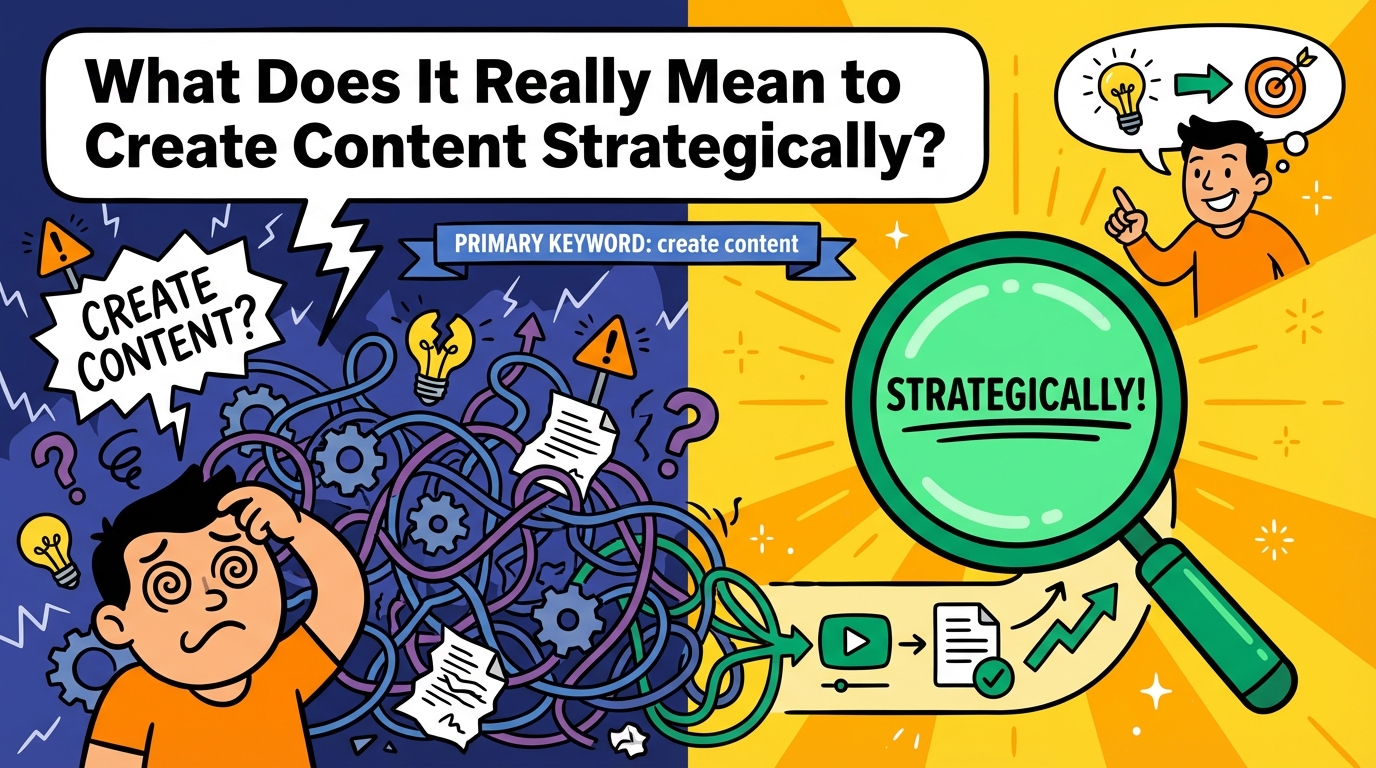
Creating compelling content isn't just about putting words on a page. It's about crafting strategic pieces that attract your target audience, satisfy search engines, and ultimately drive meaningful results for your business. Whether you're a seasoned marketer or just starting your content journey, this comprehensive guide will walk you through the essential steps to create content that stands out in today's competitive digital landscape.
What Does It Really Mean to Create Content Strategically?
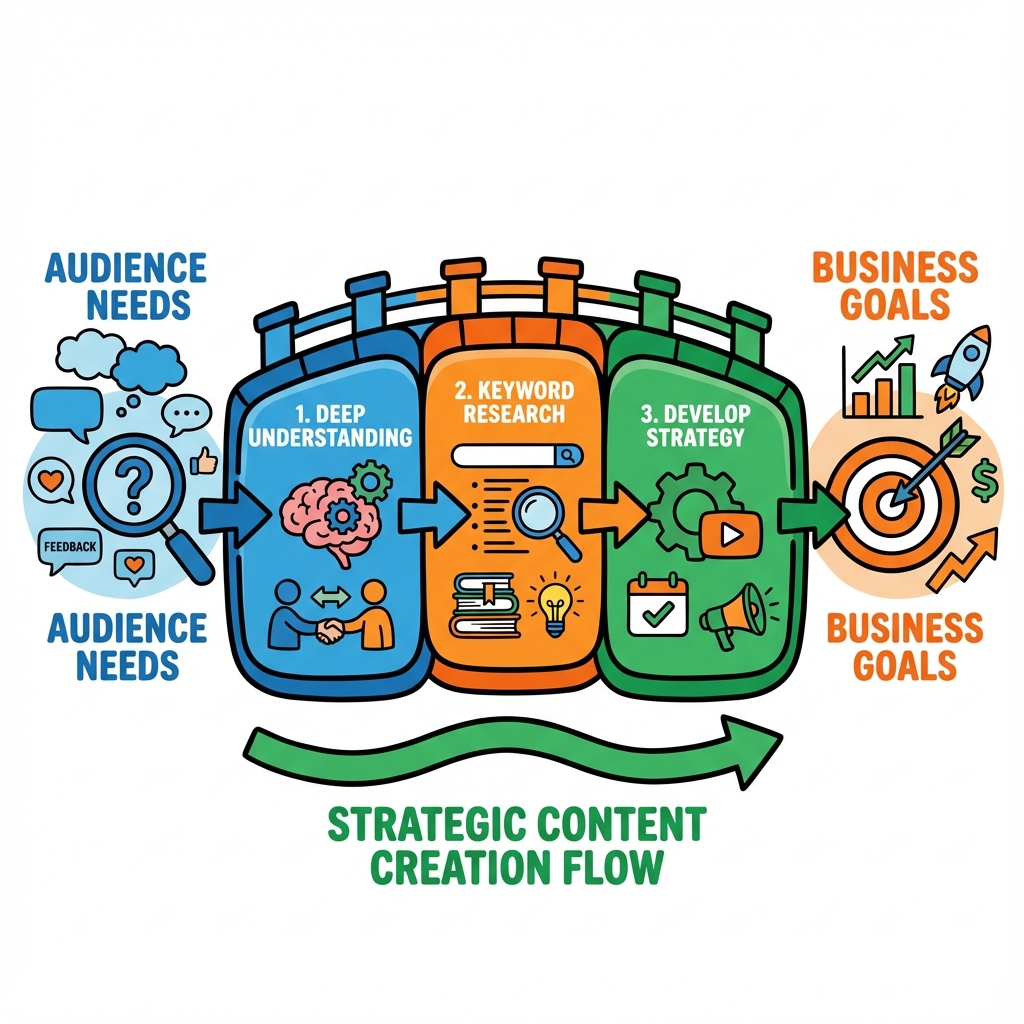
When you create content with purpose, you're building a bridge between your audience's needs and your business goals. Strategic content creation goes beyond random blog posts or social media updates. It involves understanding your audience deeply, researching keywords that matter, and developing pieces that provide genuine value while supporting your SEO objectives.
The most successful content creators understand that every piece they produce should serve multiple purposes. Your content needs to answer user questions, establish your expertise, and guide readers toward taking meaningful action. This approach ensures that your efforts contribute to growing organic traffic rather than just adding to the noise online.
Modern content creation also requires balancing human appeal with search engine optimization. You're writing for people first, but you can't ignore how search algorithms evaluate and rank your content. This dual focus shapes every decision from topic selection to final editing.
How Do You Research and Plan Content That Resonates?
Effective content starts with thorough research. Begin by identifying the questions your target audience asks most frequently. Use tools like Google's "People Also Ask" feature, social media comments, and customer support inquiries to uncover real pain points and interests.
Keyword research forms the foundation of strategic content planning. Look for terms with decent search volume but manageable competition. Long-tail keywords often provide the best opportunities for newer websites to gain traction. These specific phrases typically indicate higher user intent and face less competition from established sites.
Create a content calendar that balances different types of content. Mix educational pieces with industry insights, how-to guides with case studies, and evergreen content with timely topics. This variety keeps your audience engaged while covering different stages of the customer journey.
What Tools Help Streamline Content Research?
Several tools can accelerate your research process and improve content quality. Google Trends shows you what topics are gaining momentum, while platforms like AnswerThePublic reveal common questions around your keywords. Social listening tools help you understand how your audience discusses relevant topics.
For competitive analysis, examine what content performs well for similar businesses in your space. Look at their most shared articles, highest-ranking pages, and engagement patterns. This research reveals content gaps you can fill and successful formats you can adapt for your audience.
How to Structure Content for Maximum Impact?
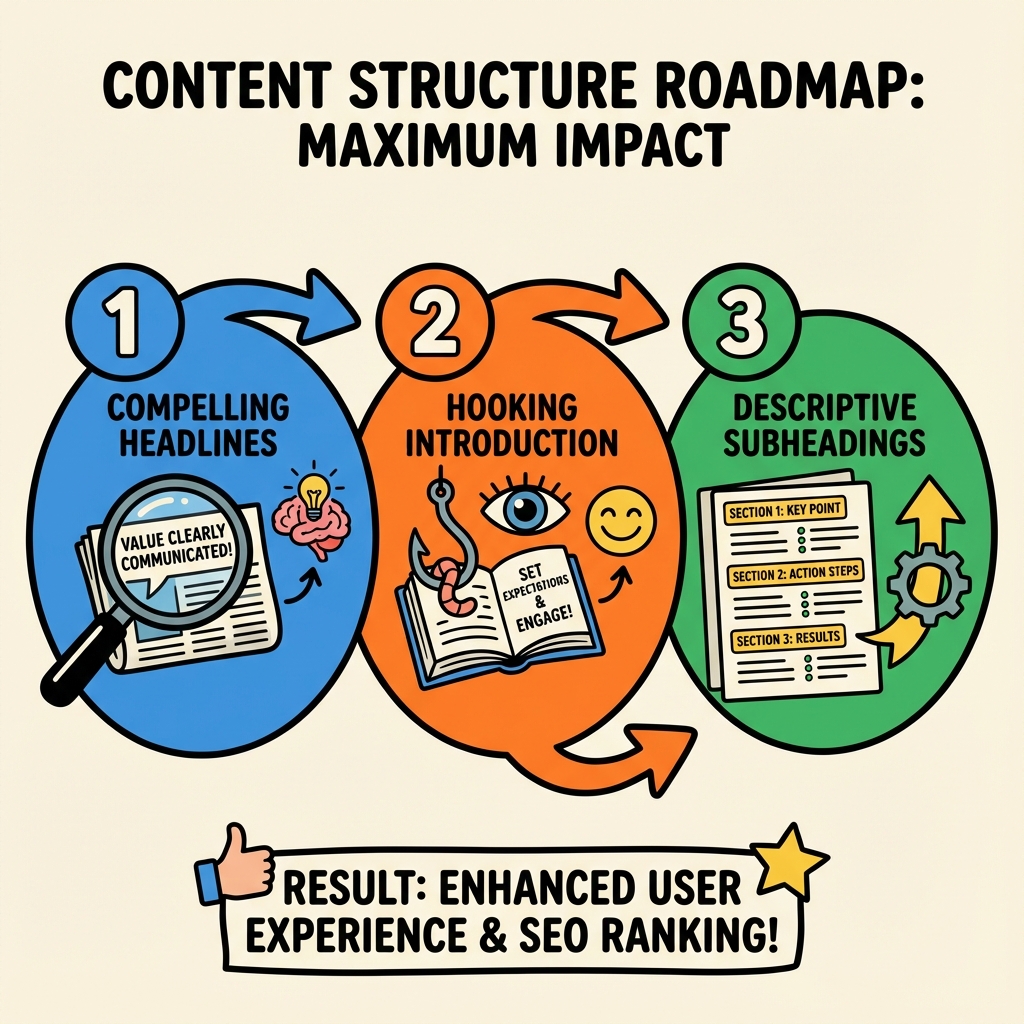
Content structure significantly impacts both user experience and search engine rankings. Start with compelling headlines that clearly communicate the value readers will receive. Your introduction should hook readers immediately while setting clear expectations for what follows.
Use descriptive subheadings that break up your content into digestible sections. These headings should incorporate relevant keywords naturally while accurately describing the section content. This approach helps both readers and search engines understand your content organization.
The body of your content should flow logically from one point to the next. Use transition sentences to connect ideas and maintain reader engagement. Include specific examples, data points, and actionable advice that readers can implement immediately.
| Content Element | Purpose | Best Practice |
|---|---|---|
| Headline | Attract clicks and set expectations | Include primary keyword, keep under 60 characters |
| Introduction | Hook readers and preview value | Address reader pain point, promise specific solution |
| Subheadings | Organize content and improve scannability | Use H2/H3 tags, include secondary keywords |
| Body Paragraphs | Deliver promised value | Keep paragraphs short, use examples and data |
| Conclusion | Reinforce value and drive action | Summarize key points, include clear call-to-action |
What Makes Content Engaging and Shareable?
Engaging content connects with readers on both intellectual and emotional levels. Tell stories that illustrate your points, use analogies that make complex concepts accessible, and include personal insights that humanize your brand. These elements transform dry information into memorable experiences.
Visual elements significantly boost engagement rates. Include relevant images, infographics, or videos that support your written content. These additions break up text walls while providing alternative ways for people to consume your information. Remember to optimize all visual elements for fast loading and mobile viewing.
Interactive elements like polls, quizzes, or calculators can dramatically increase time spent on your pages. These features encourage active participation rather than passive consumption, leading to better engagement metrics and improved search rankings.
How Do You Optimize Content for Different Platforms?
Each platform where you share content has unique characteristics and audience expectations. Blog posts allow for comprehensive coverage of topics, while social media posts need to capture attention quickly with concise messaging. Email newsletters should feel personal and provide exclusive value to subscribers.
When adapting content across platforms, maintain your core message while adjusting format and tone appropriately. A detailed blog post might become several social media posts, an email series, or a video script. This approach maximizes your content investment while reaching audiences where they prefer to consume information.
How to Create Content That Supports SEO Goals?
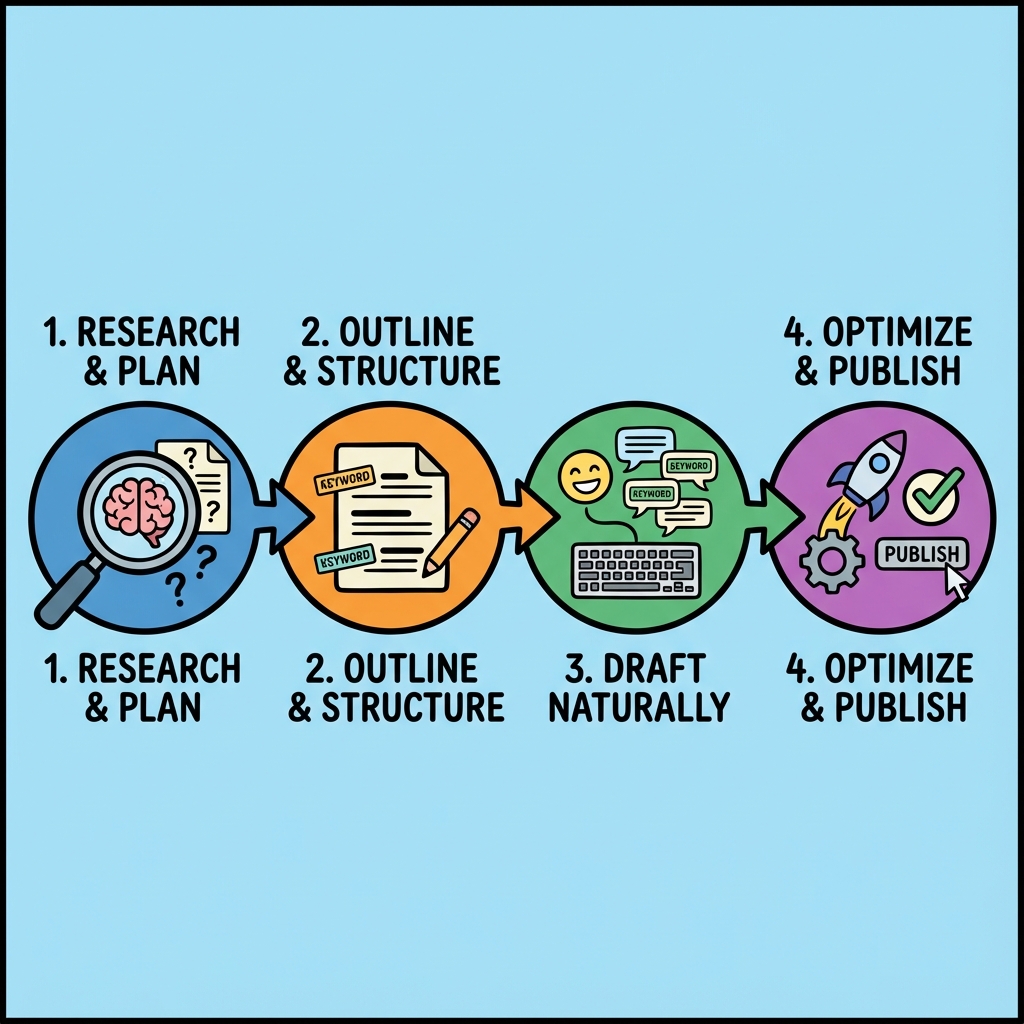
Creating SEO-friendly content requires balancing optimization techniques with natural, valuable writing. Include your primary keyword in strategic locations like the title, first paragraph, and a few subheadings, but avoid keyword stuffing that makes content feel artificial or difficult to read.
Internal linking plays a crucial role in SEO success. Connect your new content to relevant existing pages on your site, helping search engines understand your site structure while keeping readers engaged longer. For example, when discussing content strategy, you might reference insights about what makes automated SEO different from traditional approaches.
Meta descriptions and title tags deserve careful attention since they often determine whether people click through to your content from search results. Write compelling descriptions that accurately represent your content while encouraging clicks. According to Google's SEO documentation, well-crafted meta descriptions can significantly impact click-through rates.
External links to authoritative sources boost your content's credibility while providing additional value to readers. Reference industry research, official guidelines, or expert opinions that support your points. The Content Marketing Institute regularly publishes research that can strengthen your content marketing arguments.
What Role Does Content Promotion Play in Success?
Creating great content is only half the battle. Effective promotion ensures your content reaches its intended audience and achieves its goals. Start promoting before you publish by building anticipation on social media and reaching out to industry contacts who might be interested in your topic.
Email marketing remains one of the most effective promotion channels. Share your new content with subscribers who have already expressed interest in your expertise. Segment your email list to ensure people receive content most relevant to their interests and needs.
Social media promotion should be strategic rather than random. Share your content multiple times across different platforms, varying your messaging and focus each time. Some followers might be interested in the practical tips you provide, while others care more about the industry insights or data you present.
How Do You Measure Content Success?
Tracking the right metrics helps you understand what content resonates with your audience and drives business results. Basic metrics like page views and time on page provide insights into content appeal, while conversion rates and lead generation show business impact.
Social shares and comments indicate how well your content connects with readers emotionally. High engagement rates often correlate with improved search rankings since these signals suggest valuable, relevant content. Monitor which topics and formats generate the most engagement to guide future content decisions.
Long-term success requires analyzing trends rather than individual post performance. Look for patterns in your most successful content to identify winning formulas you can replicate and scale. This analysis should inform both your content strategy and overall approach to building organic growth.
How to Scale Content Creation Efficiently?
As your content marketing efforts grow, you'll need systems and processes that maintain quality while increasing output. Develop templates for different content types to streamline creation while ensuring consistency. These templates should include sections for SEO optimization, visual elements, and promotion planning.
Content repurposing multiplies your efforts by transforming single pieces into multiple formats. A comprehensive blog post might become several social media posts, a podcast episode, an email newsletter, and presentation slides. This approach maximizes your content investment while reaching different audience segments.
Building a content team or working with freelancers requires clear guidelines and quality standards. Create style guides that cover tone, formatting, SEO requirements, and brand voice. Regular training and feedback sessions help maintain consistency as you scale your content production.
Conclusion
Learning to create content that drives results requires combining strategic thinking with consistent execution. Focus on understanding your audience deeply, researching topics that matter to them, and delivering genuine value in every piece you publish. Remember that successful content creation is a long-term investment that builds authority and trust over time.
The key to sustainable content success lies in developing systems that support quality and efficiency. Whether you're creating your first blog post or your hundredth, approach each piece with the same commitment to value and optimization. Your audience will notice the difference, and search engines will reward your efforts with improved visibility and traffic.
Ready to transform your content strategy? Start by implementing these techniques in your next piece, and watch how strategic content creation can drive meaningful growth for your business.

Stefan Winter
Founder & SEO Expert
Founder of Fast SEO Fix and SEO automation expert. Stefan built Fast SEO Fix to solve the tedious problem of manual SEO work. He specializes in SEO optimized content generation, keyword research, and automated SEO strategies.
