What Does Growing Organic Really Mean for Your Website?
Posted by
 Stefan Winter
How to Master Growing Organic Traffic: A Step-by-Step Strategy Guide
Growing organic traffic isn't just about creating content and hoping for the best. It's a strategic process that requires understanding search intent, optimizing for both users and search engines, and implementing sustainable practices that compound over time. In this comprehensive guide, you'll discover the exact steps to build a growing organic presence that delivers consistent, long-term results for your website.
What Does Growing Organic Really Mean for Your Website?
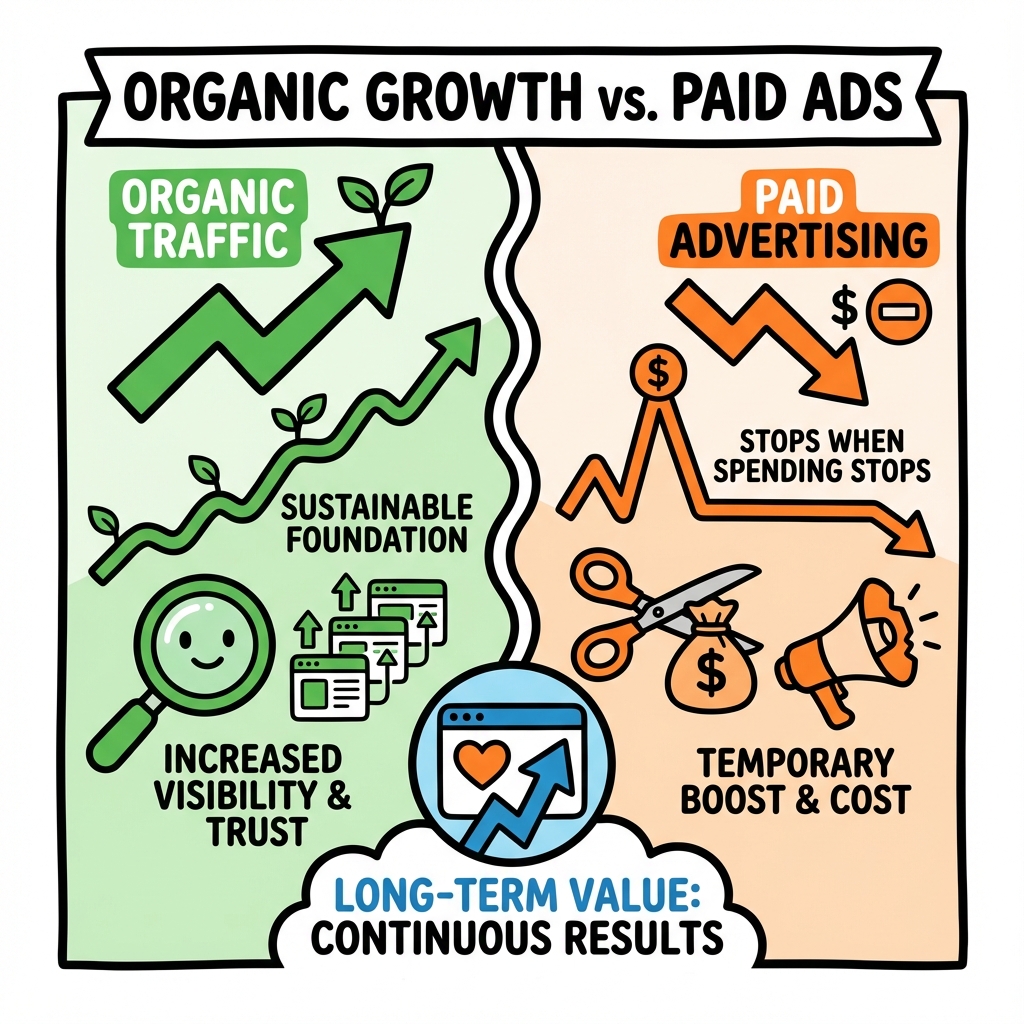
Growing organic refers to the systematic process of increasing your website's visibility in search engine results through non-paid methods. Unlike paid advertising that stops delivering results the moment you stop spending, growing organic traffic creates a sustainable foundation that continues generating visitors months and years after your initial efforts.
The key difference lies in the compound effect. When you focus on growing organic reach, each piece of optimized content, every improved page speed metric, and all technical SEO enhancements work together to strengthen your overall search presence. This creates a snowball effect where your website becomes increasingly authoritative and visible over time.
According to BrightEdge's research on organic search, organic search drives 53% of all website traffic, making it the largest source of trackable website traffic. This statistic underscores why mastering the art of growing organic visibility should be every website owner's top priority.
Step 1: Conduct Strategic Keyword Research for Organic Growth
The foundation of growing organic traffic starts with understanding exactly what your target audience searches for. This goes beyond basic keyword research to include search intent analysis and competitive gap identification.
Begin by using tools like Google Keyword Planner, Ahrefs, or SEMrush to identify primary keywords related to your business. However, don't stop at search volume numbers. Analyze the search intent behind each keyword by examining the current top-ranking pages. Are users looking for information, trying to make a purchase, or seeking specific solutions?
Create a keyword matrix that categorizes your target terms by search intent, difficulty level, and business relevance. Focus on long-tail keywords that indicate strong commercial intent, as these often convert better and face less competition. For example, instead of targeting "SEO," you might focus on "automated SEO tools for small businesses."
| Keyword Type | Search Volume | Competition | Conversion Potential |
|---|---|---|---|
| Short-tail | High | Very High | Low |
| Long-tail | Medium | Low-Medium | High |
| Question-based | Low-Medium | Low | Medium-High |
| Commercial | Medium | Medium-High | Very High |
Step 2: Create Content That Aligns with Search Intent
Once you've identified your target keywords, the next crucial step in growing organic traffic involves creating content that perfectly matches what searchers actually want. This means going beyond keyword stuffing to deliver genuine value that satisfies user queries.
Start each piece of content by clearly defining the primary search intent. If someone searches for your target keyword, what specific problem are they trying to solve? What information do they need? Your content should provide a complete answer that eliminates the need for users to return to search results.
Structure your content using the inverted pyramid method, placing the most important information first. This approach helps both users and search engines quickly understand your content's value. Include relevant subheadings, bullet points, and visual elements that make your content easy to scan and digest.
When developing your content strategy, consider how creating high-converting blog posts can significantly impact your organic growth efforts. Quality content that engages readers and encourages longer site visits sends positive signals to search engines about your website's value.
How Do You Optimize Technical Elements for Growing Organic Reach?
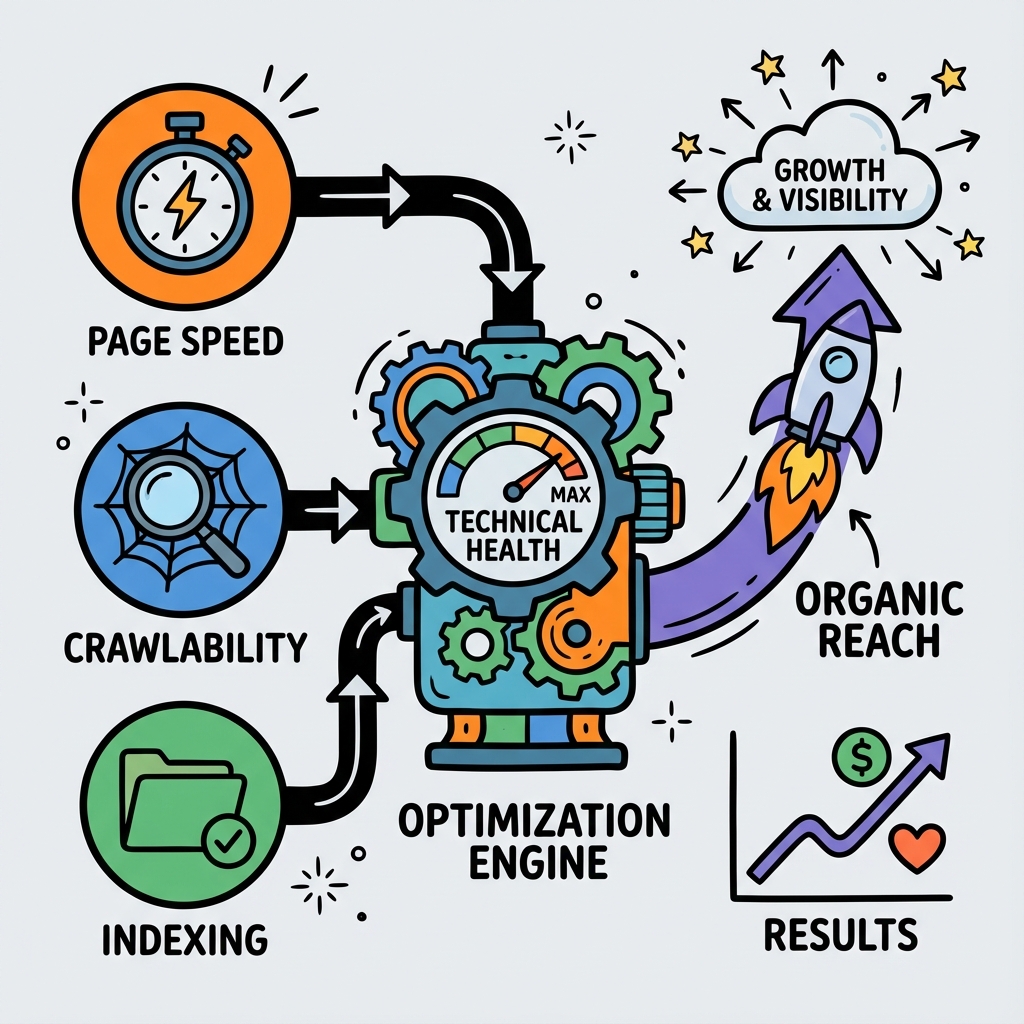
Technical optimization forms the backbone of any successful organic growth strategy. Search engines need to easily crawl, understand, and index your content before it can appear in search results.
Start with page speed optimization, as site speed directly impacts both user experience and search rankings. Use tools like Google PageSpeed Insights to identify specific improvements. Compress images, minimize CSS and JavaScript files, and consider implementing a content delivery network (CDN) to reduce loading times globally.
Ensure your website follows proper URL structure conventions. Clean, descriptive URLs that include target keywords help search engines understand your content hierarchy. For example, "/blog/growing-organic-traffic-guide" is much more effective than "/blog/post123."
Mobile Optimization and Core Web Vitals
Mobile-first indexing means Google primarily uses your mobile site version for ranking and indexing. Ensure your website provides an excellent mobile experience with responsive design, fast loading times, and easy navigation.
Pay special attention to Core Web Vitals metrics: Largest Contentful Paint (LCP), First Input Delay (FID), and Cumulative Layout Shift (CLS). These metrics directly impact your search rankings and user experience. According to Google's Web Vitals documentation, websites that meet Core Web Vitals thresholds have 24% lower abandonment rates.
Step 3: Build Authority Through Strategic Link Building
Growing organic visibility requires establishing your website as a trusted authority in your niche. This involves both earning high-quality backlinks from reputable sources and creating internal link structures that distribute authority throughout your site.
Focus on earning links through valuable content creation, industry relationships, and strategic outreach. Guest posting on relevant industry blogs, creating shareable research studies, and participating in industry discussions can naturally attract quality backlinks that boost your organic growth efforts.
Internal linking plays an equally important role in growing organic traffic. Create a logical site structure where related pages link to each other using descriptive anchor text. This helps search engines understand your content relationships while keeping visitors engaged longer on your site.
Consider how automated SEO processes can streamline your link building efforts while maintaining quality and relevance. Automation tools can help identify link opportunities and track your progress more efficiently.
How Can You Measure and Track Your Organic Growth Success?
Measuring your growing organic traffic requires tracking multiple metrics that provide a complete picture of your SEO performance. Don't rely solely on total organic traffic numbers, as they don't tell the whole story about user engagement and conversion quality.
Set up comprehensive tracking in Google Analytics 4 and Google Search Console. Monitor organic click-through rates, average session duration, pages per session, and conversion rates from organic traffic. These metrics help you understand whether your organic growth efforts attract the right audience and drive meaningful business results.
Track keyword ranking improvements over time, but focus on rankings for terms that actually drive business value. A first-page ranking for a keyword that doesn't convert is less valuable than a third-page ranking for a high-intent commercial term.
Create monthly reports that combine traffic metrics with business outcomes. Include metrics like organic-driven leads, sales, or other conversion goals that matter to your business. This approach helps you demonstrate the real value of your growing organic traffic efforts.
Step 4: Leverage Local SEO for Geographic Organic Growth
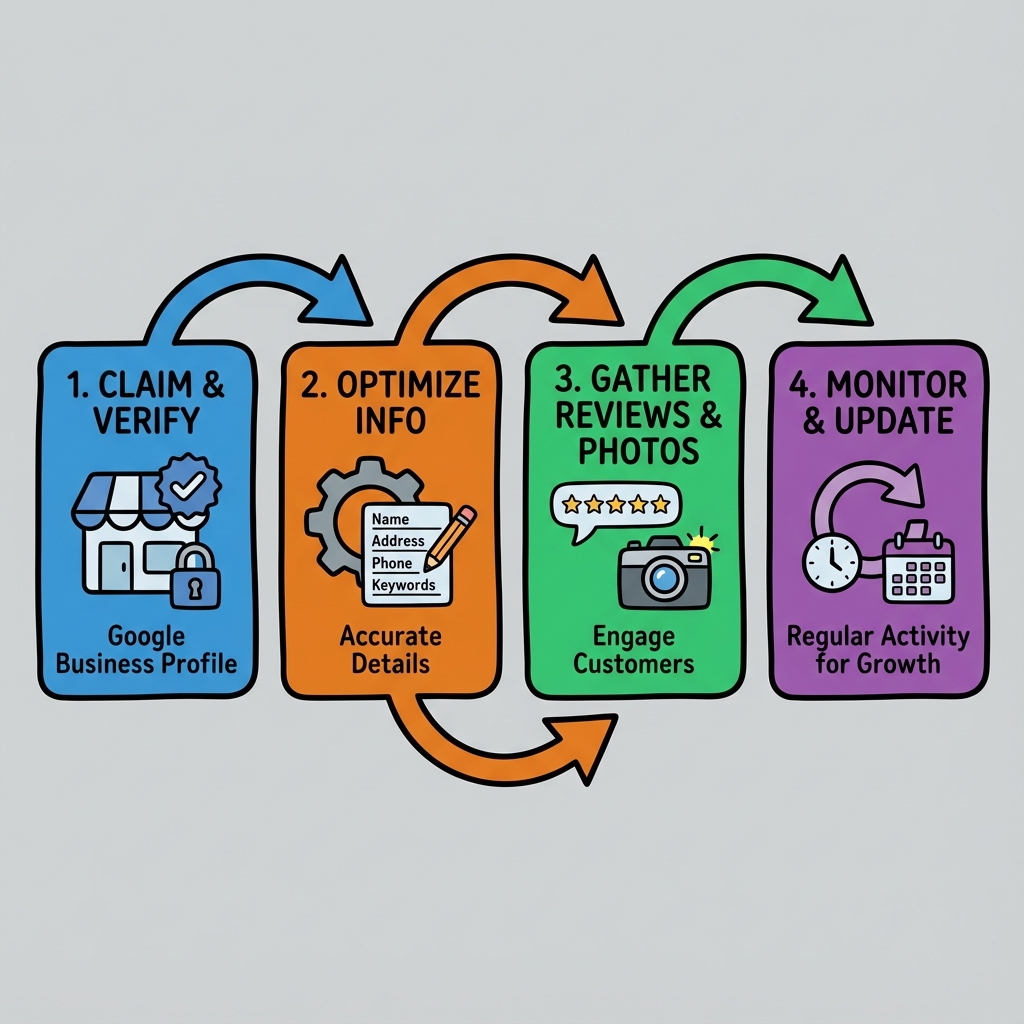
If your business serves specific geographic areas, local SEO becomes a crucial component of your growing organic strategy. Local search results often appear above traditional organic results, making them prime real estate for visibility.
Optimize your Google Business Profile with accurate business information, regular posts, and customer review management. Ensure your name, address, and phone number (NAP) information remains consistent across all online directories and citations.
Create location-specific content that addresses local search queries. This might include city-specific service pages, local industry insights, or community event coverage. Local content helps you capture organic traffic from users searching for services in your specific area.
Understanding what makes a blog truly successful can help you create local content that resonates with your community while supporting your broader organic growth objectives.
What Role Does Content Freshness Play in Organic Growth?
Search engines favor websites that regularly publish fresh, relevant content. However, content freshness goes beyond simply publishing new blog posts. It includes updating existing content, refreshing outdated information, and expanding on topics that perform well.
Implement a content audit process that identifies your best-performing organic content and looks for update opportunities. Add new sections, update statistics, include recent case studies, or expand on points that readers find most valuable. This approach can significantly boost your existing content's organic performance.
Create a content calendar that balances new content creation with existing content optimization. Many successful websites see better results from improving their top 20 pages than from creating 20 new pages. This strategy maximizes your return on content investment while supporting sustained organic growth.
Advanced Strategies for Accelerating Your Organic Growth
Once you've mastered the fundamentals, advanced techniques can accelerate your growing organic traffic results. These strategies require more sophisticated implementation but often deliver disproportionate returns.
Implement topic clustering, where you create comprehensive content hubs around specific themes. This approach establishes topical authority and helps search engines understand your expertise depth. Create pillar pages that cover broad topics comprehensively, then support them with cluster pages that dive deep into specific subtopics.
Optimize for featured snippets by structuring your content to directly answer common questions in your niche. Use clear headings, numbered lists, and concise paragraphs that search engines can easily extract for position zero results.
Consider implementing schema markup to help search engines better understand your content context. Rich snippets can improve your click-through rates and make your organic listings more attractive in search results.
Conclusion
Growing organic traffic requires a systematic approach that combines strategic keyword research, high-quality content creation, technical optimization, and consistent measurement. The key to success lies in understanding that organic growth is a long-term investment that compounds over time.
Start by implementing the foundational steps outlined in this guide: conduct thorough keyword research, create intent-focused content, optimize your technical elements, and build authority through strategic linking. Then gradually incorporate advanced techniques as your organic presence strengthens.
Remember that growing organic traffic isn't about quick wins or shortcuts. It's about building a sustainable system that continues delivering results long after your initial efforts. Focus on providing genuine value to your audience, and the organic growth will follow naturally.
Ready to accelerate your organic growth journey? Fast SEO Fix specializes in helping businesses implement these strategies effectively and efficiently. Contact us today to discover how our automated SEO solutions can streamline your path to growing organic success.

Stefan Winter
Founder & SEO Expert
Founder of Fast SEO Fix and SEO automation expert. Stefan built Fast SEO Fix to solve the tedious problem of manual SEO work. He specializes in SEO optimized content generation, keyword research, and automated SEO strategies.
