What Does It Mean to Automate SEO?
Posted by
 Stefan Winter
The Complete Guide to Automate SEO: Transform Your Optimization Strategy in 2024

Search engine optimization can feel like an endless cycle of keyword research, content updates, technical fixes, and performance monitoring. What if you could streamline these repetitive tasks while maintaining the quality and effectiveness your website deserves? Automating your SEO processes isn't just about saving time. It's about creating a systematic approach that delivers consistent results, scales with your growth, and frees you to focus on strategic decisions that truly move the needle.
What Does It Mean to Automate SEO?

SEO automation involves using tools, software, and systematic processes to handle routine optimization tasks without constant manual intervention. This doesn't mean replacing human strategy and creativity. Instead, it means leveraging technology to execute repetitive tasks more efficiently while maintaining quality control.
Modern SEO automation covers everything from technical audits and keyword tracking to content optimization and link building outreach. The key lies in identifying which tasks can be systematically handled and which require human insight and decision-making.
According to Search Engine Land's automation research, businesses that implement strategic automation see up to 80% improvement in task efficiency while maintaining quality standards.
Why Should You Automate Your SEO Processes?
Time Efficiency and Resource Optimization
Manual SEO tasks consume enormous amounts of time. Checking keyword rankings across hundreds of terms, monitoring backlink profiles, and auditing technical issues can take days each month. Automation handles these monitoring tasks continuously, providing real-time insights without the manual labor.
Consider the typical SEO workflow: keyword research, competitor analysis, content optimization, technical audits, and performance reporting. Each step involves repetitive actions that automation can streamline. This efficiency allows your team to focus on strategy, content creation, and relationship building.
Consistency and Accuracy
Human error is inevitable in repetitive tasks. Automation ensures consistent application of SEO best practices across your entire website. Whether you're optimizing meta descriptions, checking for broken links, or monitoring page load speeds, automated systems apply the same standards every time.
This consistency becomes crucial as your website grows. Managing SEO for hundreds or thousands of pages manually becomes nearly impossible while maintaining quality standards.
What SEO Tasks Can You Automate Effectively?
Technical SEO Monitoring
Technical SEO forms the foundation of search performance, and many technical issues can be automatically detected and even resolved. Automated crawling tools can identify broken links, missing meta tags, duplicate content, and page speed issues across your entire site.
| SEO Task | Automation Level | Tools Required | Time Saved |
|---|---|---|---|
| Site Crawling | Full | Screaming Frog, Sitebulb | 90% |
| Broken Link Detection | Full | Ahrefs, SEMrush | 95% |
| Page Speed Monitoring | Full | GTmetrix, PageSpeed Insights API | 85% |
| Schema Markup Validation | Partial | Google's Structured Data Tool | 70% |
| XML Sitemap Updates | Full | Yoast, RankMath | 100% |
Keyword Tracking and Reporting
Rank tracking represents one of the most time-consuming SEO tasks when done manually. Automated rank tracking tools monitor your keyword positions daily, track competitor movements, and generate comprehensive reports without any manual input.
These systems can alert you to significant ranking changes, new keyword opportunities, and potential issues before they impact your traffic significantly. The continuous monitoring provides insights that weekly or monthly manual checks would miss.
Content Optimization Workflows
While content creation requires human creativity, many optimization aspects can be automated. Tools can analyze your content for keyword density, readability scores, internal linking opportunities, and technical optimization factors.
Automated content audits can identify pages that need updates, suggest internal linking opportunities, and flag content that's underperforming. This systematic approach ensures no pages get overlooked in your optimization efforts.
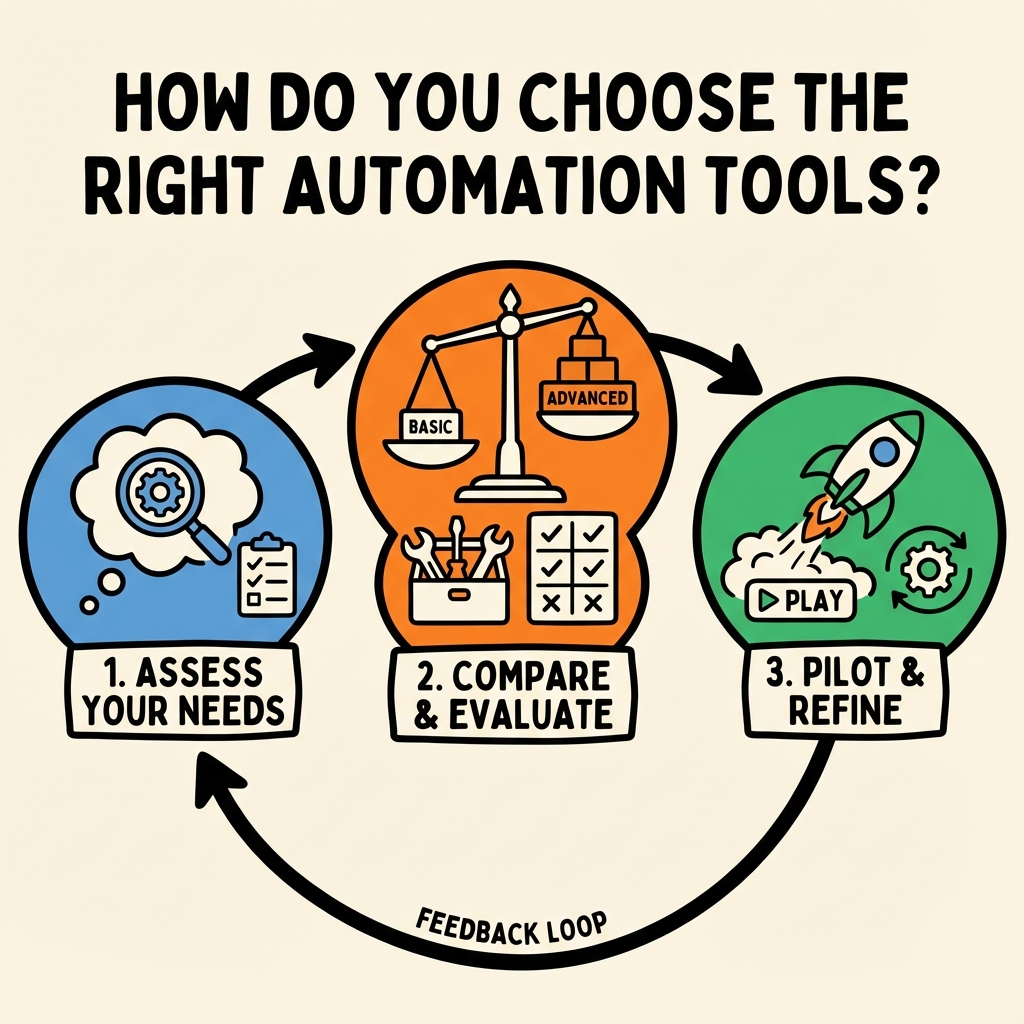
How Do You Choose the Right Automation Tools?
Assessing Your Current SEO Workflow
Before implementing automation, map out your current SEO processes. Identify tasks that consume the most time, require frequent repetition, and follow predictable patterns. These represent your best automation candidates.
Document how much time each task currently takes and the level of expertise required. Tasks that require significant manual time but minimal decision-making are perfect for automation. Complex strategic decisions should remain human-driven.
Integration and Scalability Considerations
Choose automation tools that integrate with your existing systems. Your automated SEO tools should work with your content management system, analytics platforms, and marketing tools. This integration prevents data silos and ensures smooth workflows.
Consider your growth trajectory. Tools that work for a 100-page website might not scale effectively to 10,000 pages. Invest in solutions that can grow with your needs rather than requiring complete system changes as you expand.
What Are the Best Practices for SEO Automation?
Maintaining Quality Control
Automation doesn't mean "set it and forget it." Establish regular review processes to ensure automated systems produce quality results. Create checkpoints where human oversight verifies automated outputs and makes necessary adjustments.
For example, automated content optimization suggestions should be reviewed before implementation. While tools can identify optimization opportunities, human judgment determines which suggestions align with your brand voice and user experience goals.
Balancing Automation with Human Strategy
The most effective SEO strategies combine automated efficiency with human creativity and strategic thinking. Use automation to handle data collection, monitoring, and routine optimizations. Reserve human effort for strategy development, content creation, and relationship building.
This balance becomes particularly important when creating content that truly resonates with your audience. Understanding what makes a blog truly successful requires human insight into audience needs, industry trends, and creative presentation that automation cannot replicate.
How Do You Implement SEO Automation Gradually?
Starting with Low-Risk Tasks
Begin your automation journey with tasks that have minimal risk if something goes wrong. Rank tracking, site monitoring, and reporting are excellent starting points. These tasks provide valuable data without directly impacting your website's performance.
As you become comfortable with these automated processes, gradually expand to more complex tasks like technical optimizations and content suggestions. This progressive approach allows you to build confidence and refine your processes.
Building Automated Reporting Systems
Automated reporting saves significant time while ensuring stakeholders stay informed about SEO performance. Set up dashboards that automatically compile ranking data, traffic metrics, and technical health scores into regular reports.
According to Moz's automation guide, automated reporting systems can reduce reporting time by up to 75% while providing more comprehensive and timely insights than manual reports.
Creating Alert Systems
Implement automated alerts for critical SEO issues. These might include sudden ranking drops, significant traffic changes, technical errors, or new backlink acquisitions. Early alerts allow for quick responses to both problems and opportunities.
Configure alert thresholds carefully to avoid notification fatigue. Focus on changes that require immediate attention rather than minor fluctuations that are part of normal SEO variance.
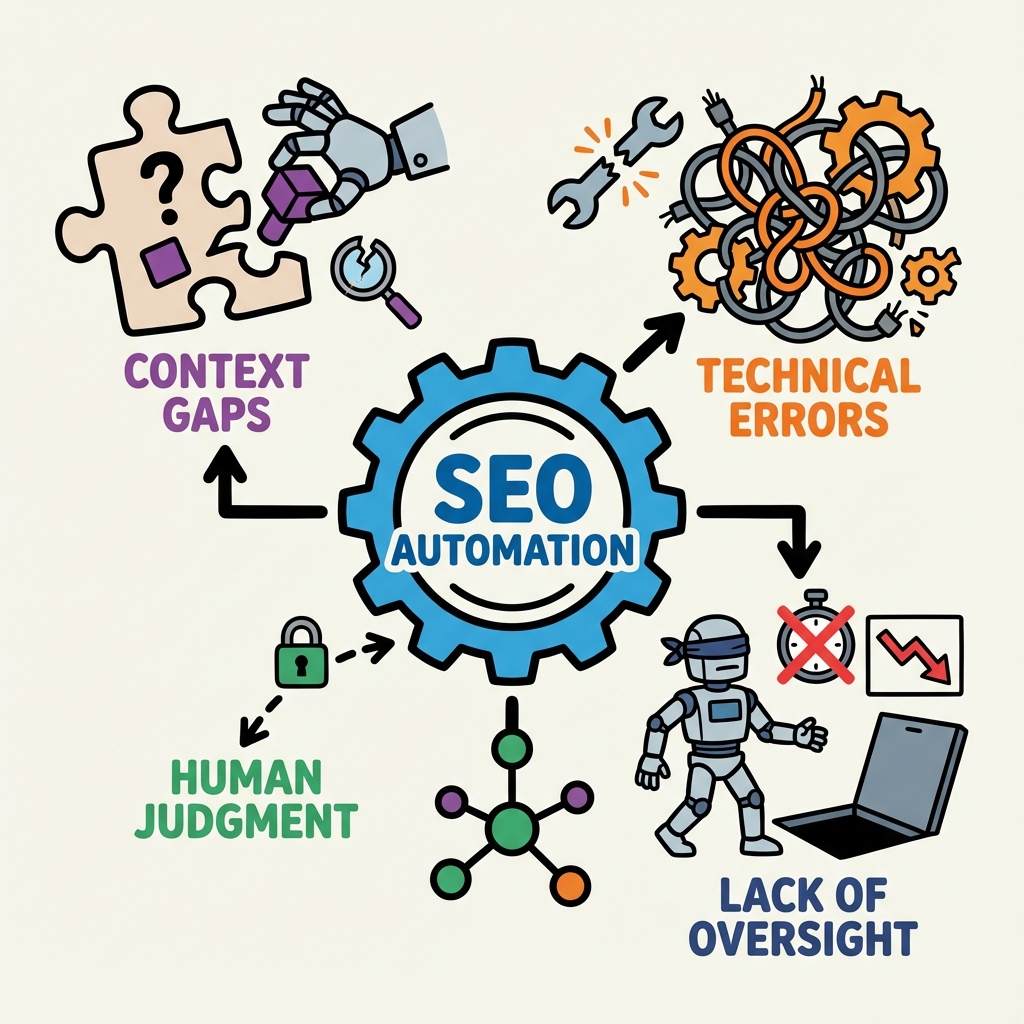
What Challenges Should You Expect with SEO Automation?
Over-Reliance on Automated Solutions
The biggest risk in SEO automation is becoming too dependent on tools without understanding the underlying principles. Automated tools provide data and suggestions, but successful SEO requires strategic interpretation of that information.
Maintain your SEO knowledge and stay current with algorithm changes and best practices. Automation should enhance your expertise, not replace it. Regular training and industry education ensure you can make informed decisions about automated recommendations.
Data Accuracy and Tool Limitations
No automated tool provides 100% accurate data all the time. Search engines don't provide direct access to all ranking factors, so tools make educated estimates based on available data. Understanding these limitations helps you interpret automated reports correctly.
Cross-reference important data across multiple tools when possible. If automated systems suggest significant changes, verify the underlying data before implementation. This verification process prevents costly mistakes based on inaccurate automated insights.
How Do You Measure Automation Success?
Defining Success Metrics
Establish clear metrics for measuring your automation success. These might include time saved on routine tasks, improvement in response time to SEO issues, consistency of optimization across your site, and overall organic traffic growth.
Track both efficiency gains and performance improvements. Automation should not only save time but also improve your SEO results through more consistent and comprehensive optimization efforts.
ROI Calculation for SEO Automation
Calculate the return on investment for your automation tools by comparing the cost of tools and setup time against the value of time saved and performance improvements. Include both direct costs and the opportunity cost of time spent on manual tasks.
Consider long-term benefits as well. Automation tools often become more valuable over time as your website grows and the volume of tasks increases. A tool that saves 5 hours monthly on a small site might save 50 hours monthly as your site expands.
Conclusion
Automating your SEO processes represents a strategic investment in your website's long-term success. By systematically implementing automation for routine tasks, you create more time for strategic thinking, creative content development, and relationship building that drive meaningful results.
The key to successful SEO automation lies in thoughtful implementation, maintaining quality control, and balancing automated efficiency with human expertise. Start with low-risk tasks, gradually expand your automation capabilities, and always maintain oversight of automated processes.
Ready to transform your SEO workflow? Begin by auditing your current processes and identifying the most time-consuming routine tasks. These represent your best opportunities for immediate automation benefits that will compound over time.

Stefan Winter
Founder & SEO Expert
Founder of Fast SEO Fix and SEO automation expert. Stefan built Fast SEO Fix to solve the tedious problem of manual SEO work. He specializes in SEO optimized content generation, keyword research, and automated SEO strategies.
