What Does SEO Organic Really Mean for Your Business?
Posted by
 Stefan Winter
How to Build SEO Organic Traffic That Actually Converts in 2024
Building SEO organic traffic isn't just about getting more visitors to your website. It's about attracting the right people who are genuinely interested in what you offer and ready to take action. In this comprehensive guide, you'll learn the proven strategies that successful businesses use to build sustainable organic traffic that converts into real results. Whether you're starting from scratch or looking to optimize your existing efforts, these actionable steps will help you create an SEO organic strategy that drives meaningful growth.
What Does SEO Organic Really Mean for Your Business?
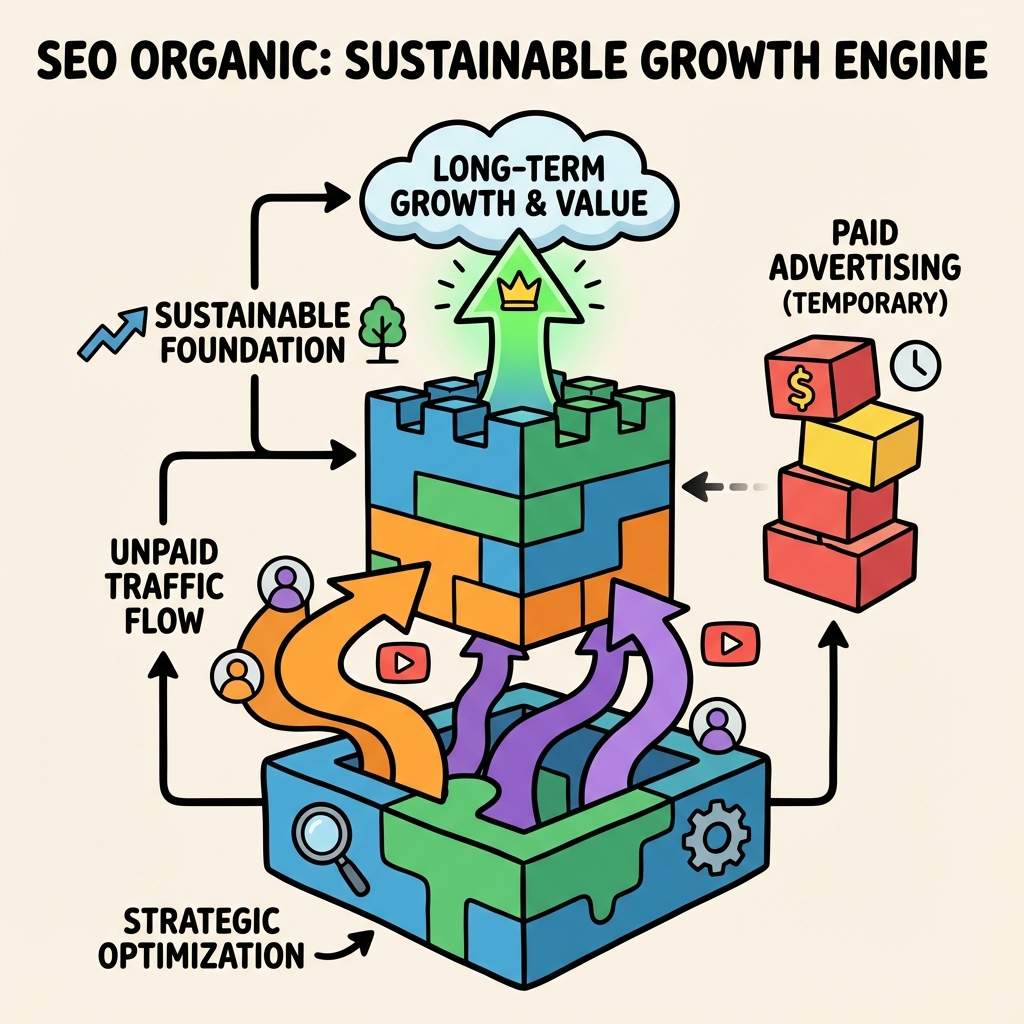
SEO organic refers to the unpaid search engine traffic you earn through strategic optimization efforts. Unlike paid advertising, organic traffic builds momentum over time and creates a sustainable foundation for long-term growth. When you master SEO organic techniques, you're essentially creating a 24/7 marketing machine that continues working even while you sleep.
The beauty of organic SEO lies in its compound effect. Each piece of optimized content, every improved page, and all technical enhancements work together to strengthen your overall online presence. This creates what experts call "domain authority" - the search engines' measure of how trustworthy and valuable your website is to users.
According to Google's Search Quality Evaluator Guidelines, the search engine prioritizes websites that demonstrate expertise, authoritativeness, and trustworthiness. This means your SEO organic strategy must focus on creating genuine value for your audience, not just gaming the system.
How to Research Keywords That Drive Organic Growth?
Effective keyword research forms the backbone of any successful SEO organic campaign. Start by identifying the specific problems your target audience faces and the exact words they use when searching for solutions. This goes beyond simple keyword tools and requires understanding user intent at a deeper level.
Begin with seed keywords related to your core business offerings. Use tools like Google's Keyword Planner or SEMrush to expand these into longer, more specific phrases. Long-tail keywords often convert better because they capture users who know exactly what they want. For example, instead of targeting "SEO," you might focus on "SEO organic traffic strategies for small businesses."
Pay special attention to question-based keywords and conversational phrases. With the rise of voice search and AI-powered search engines, people are asking more natural questions like "how to improve organic search rankings" or "what makes organic traffic convert better." These queries often indicate higher purchase intent and face less competition than generic terms.
Understanding Search Intent Behind Organic Keywords
Search intent determines whether your organic traffic will convert. Classify your target keywords into four categories: informational (learning), navigational (finding specific sites), transactional (ready to buy), and commercial investigation (comparing options). Each type requires different content approaches and optimization strategies.
Create content clusters around your primary keywords, with supporting pages that address related questions and concerns. This topic-based approach helps search engines understand your expertise while providing comprehensive value to visitors. Creating high-converting blog posts becomes much easier when you understand the complete customer journey.
What Technical Foundation Do You Need for SEO Organic Success?
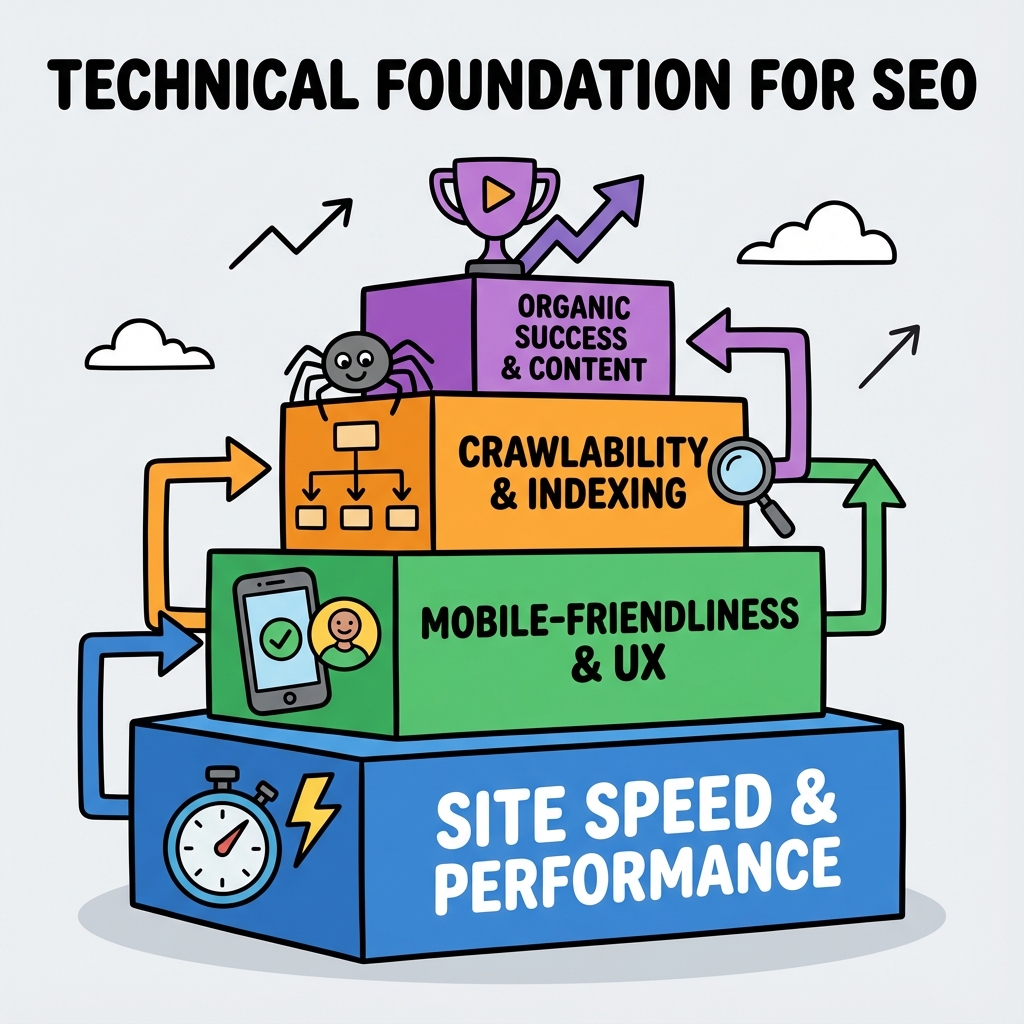
Technical SEO creates the foundation that allows your content to perform in organic search results. Without proper technical optimization, even the best content struggles to rank and convert effectively. Start with site speed optimization, as page loading time directly impacts both search rankings and user experience.
Implement proper URL structure using descriptive, keyword-rich slugs that clearly indicate page content. Ensure your website uses HTTPS encryption and has a clean, crawlable architecture that search engines can easily navigate. Create and submit XML sitemaps to help search engines discover and index your content more efficiently.
Mobile optimization isn't optional in today's SEO organic landscape. With mobile-first indexing, Google primarily uses the mobile version of your site for ranking purposes. Test your website across different devices and screen sizes to ensure consistent performance and user experience.
| Technical SEO Element | Impact on Organic Traffic | Implementation Priority |
|---|---|---|
| Page Speed | High - affects rankings and conversions | Critical |
| Mobile Responsiveness | High - required for mobile-first indexing | Critical |
| SSL Certificate | Medium - ranking factor and trust signal | High |
| XML Sitemap | Medium - helps with crawling and indexing | High |
| Schema Markup | Medium - enhances search result appearance | Medium |
| Clean URL Structure | Low-Medium - improves user experience | Medium |
How to Create Content That Ranks and Converts?
Content creation for SEO organic success requires balancing search engine optimization with genuine user value. Start each piece by clearly defining the primary keyword and user intent you're targeting. Then, create comprehensive content that thoroughly addresses the topic while naturally incorporating your target keywords.
Structure your content using clear headings and subheadings that break information into digestible sections. Use bullet points, numbered lists, and short paragraphs to improve readability across all devices. Include relevant images, videos, or infographics that support your written content and provide additional value to visitors.
Focus on creating "10x content" that's significantly better than anything else ranking for your target keywords. This means providing more comprehensive information, better examples, clearer explanations, or unique insights that competitors don't offer. Quality content naturally attracts backlinks and social shares, which strengthen your overall SEO organic performance.
Optimizing Content for Featured Snippets and Voice Search
Featured snippets represent position zero in search results and can dramatically increase your organic click-through rates. Structure content to answer specific questions clearly and concisely. Use numbered lists for process-based queries, bullet points for feature lists, and clear definitions for "what is" questions.
Voice search optimization requires focusing on conversational keywords and natural language patterns. People speak differently than they type, often using complete questions and longer phrases. Optimize for these patterns while maintaining natural, engaging writing that serves your human readers first.
What Role Does Link Building Play in Organic SEO?
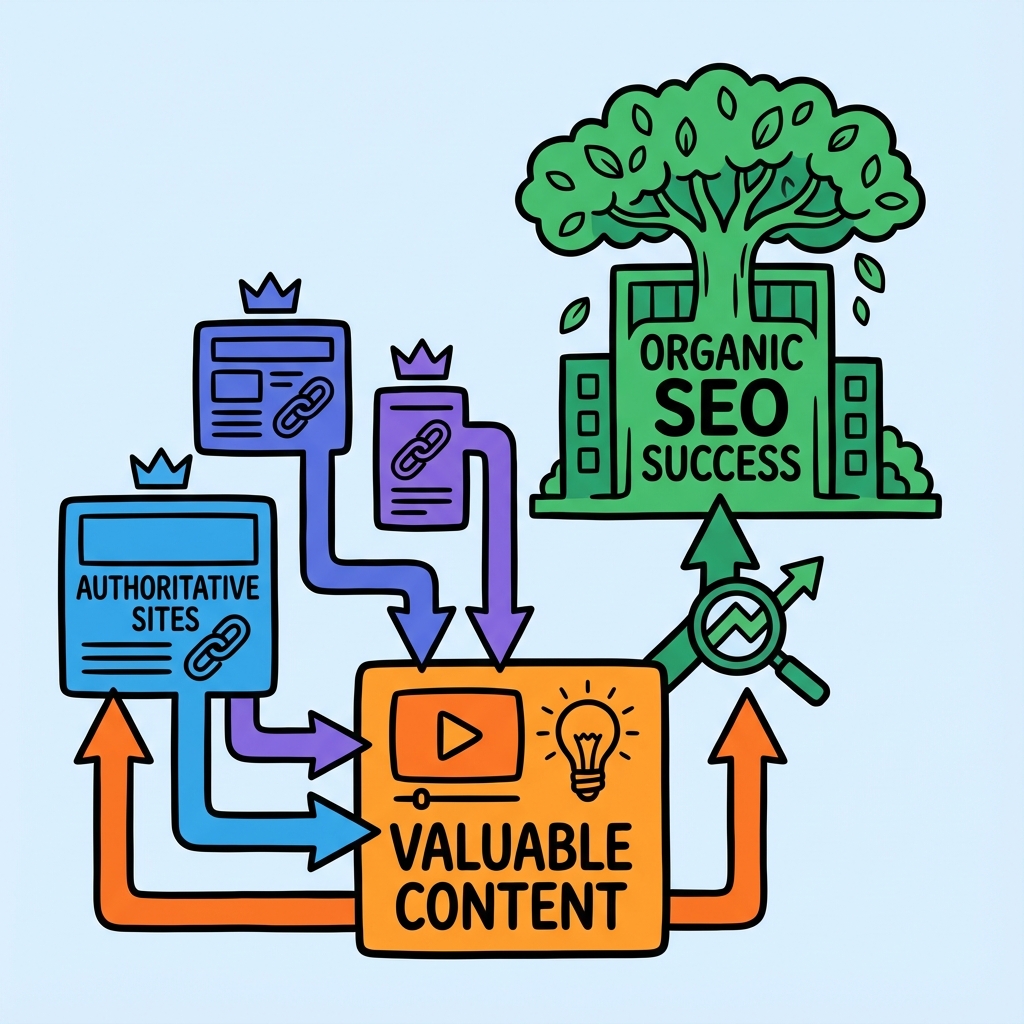
Link building remains a crucial component of SEO organic success, but the approach has evolved significantly. Focus on earning high-quality backlinks from relevant, authoritative websites in your industry. This requires creating content so valuable that other websites naturally want to reference and link to it.
Develop relationships with industry publications, complementary businesses, and thought leaders who might find your content useful for their audiences. Guest posting on reputable websites can provide valuable exposure and backlinks, but ensure you're contributing genuine value rather than just seeking links.
Internal linking deserves equal attention in your SEO organic strategy. Link related pages and posts together using descriptive anchor text that helps both users and search engines understand content relationships. For businesses looking to scale their efforts, understanding how automated SEO differs from traditional approaches can help optimize your link-building processes.
How to Measure and Improve Your Organic SEO Performance?
Tracking the right metrics helps you understand what's working in your SEO organic strategy and where improvements are needed. Focus on organic traffic growth, keyword ranking improvements, and most importantly, conversion rates from organic visitors. Use Google Analytics and Search Console to monitor these metrics consistently.
Set up goal tracking to measure how well your organic traffic converts into desired actions like email signups, product purchases, or service inquiries. This data helps you identify which keywords and content types drive the most valuable visitors to your website.
Regular performance audits help identify optimization opportunities and potential issues before they impact your rankings. Monitor for technical problems, content gaps, and competitor activities that might affect your organic search performance. According to BrightEdge research, organic search drives 53% of all website traffic, making consistent monitoring essential for business growth.
Setting Up Conversion Tracking for Organic Traffic
Implement conversion tracking that specifically measures organic traffic performance. Set up separate goals for different types of conversions and analyze which organic keywords and pages drive the highest-value actions. This information guides future content creation and optimization efforts.
Use UTM parameters and custom segments in Google Analytics to track organic traffic behavior more precisely. Understanding how organic visitors navigate your site, which pages they visit, and where they drop off helps optimize the entire user experience for better conversions.
Why Does SEO Organic Traffic Convert Better Than Paid Traffic?
Organic search traffic often converts at higher rates than paid advertising because it captures users with genuine interest and intent. When someone finds your website through organic search results, they've actively sought information or solutions related to your offerings. This creates a natural alignment between user needs and your content.
The trust factor plays a significant role in organic traffic conversion rates. Many users skip paid advertisements and trust organic search results more, viewing them as unbiased recommendations from the search engine. This inherent trust translates into higher engagement rates and better conversion performance.
Building a sustainable SEO organic strategy takes time and consistent effort, but the long-term benefits far exceed the initial investment. Unlike paid advertising that stops generating traffic when you stop paying, organic rankings continue driving qualified visitors for months or years after content publication. Understanding what makes blogs truly successful can help you build this sustainable organic traffic foundation.
Conclusion
Building effective SEO organic traffic requires a comprehensive approach that combines technical optimization, strategic content creation, and consistent performance monitoring. By focusing on user intent, creating valuable content, and maintaining technical excellence, you can build a sustainable organic traffic foundation that drives real business results.
The key to SEO organic success lies in thinking long-term and consistently providing value to your target audience. Start implementing these strategies systematically, measure your results, and continuously refine your approach based on performance data.
Ready to accelerate your organic SEO results? Fast SEO Fix specializes in helping businesses build sustainable organic traffic that converts. Contact us today to learn how our proven strategies can help you achieve your organic growth goals faster and more effectively.

Stefan Winter
Founder & SEO Expert
Founder of Fast SEO Fix and SEO automation expert. Stefan built Fast SEO Fix to solve the tedious problem of manual SEO work. He specializes in SEO optimized content generation, keyword research, and automated SEO strategies.
