What Makes Google Search Rankings So Important for Your Business?
Posted by
 Stefan Winter
How to Dominate Google Search Rankings and Drive Organic Traffic to Your Website
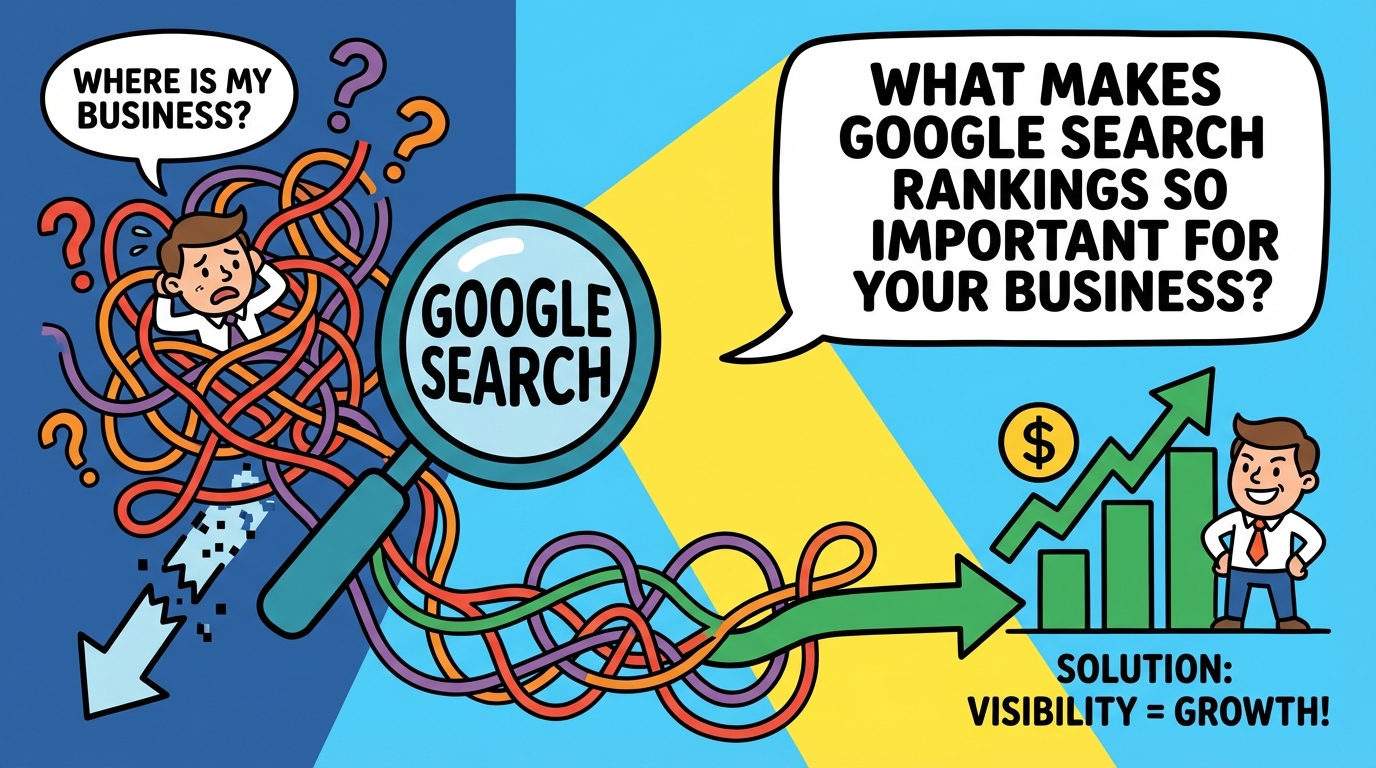
Getting your website to rank higher in Google search results isn't just about luck or hoping for the best. It's a strategic process that requires understanding how Google's algorithm works and implementing proven techniques that consistently deliver results. Whether you're a business owner looking to increase visibility or a marketer aiming to drive more organic traffic, mastering Google search optimization is essential for online success.
In this comprehensive guide, you'll discover the exact steps to improve your Google search rankings, from conducting keyword research to optimizing your content structure and building authority. By the end, you'll have a clear roadmap to implement strategies that help your website climb the search results and attract more qualified visitors.
What Makes Google Search Rankings So Important for Your Business?
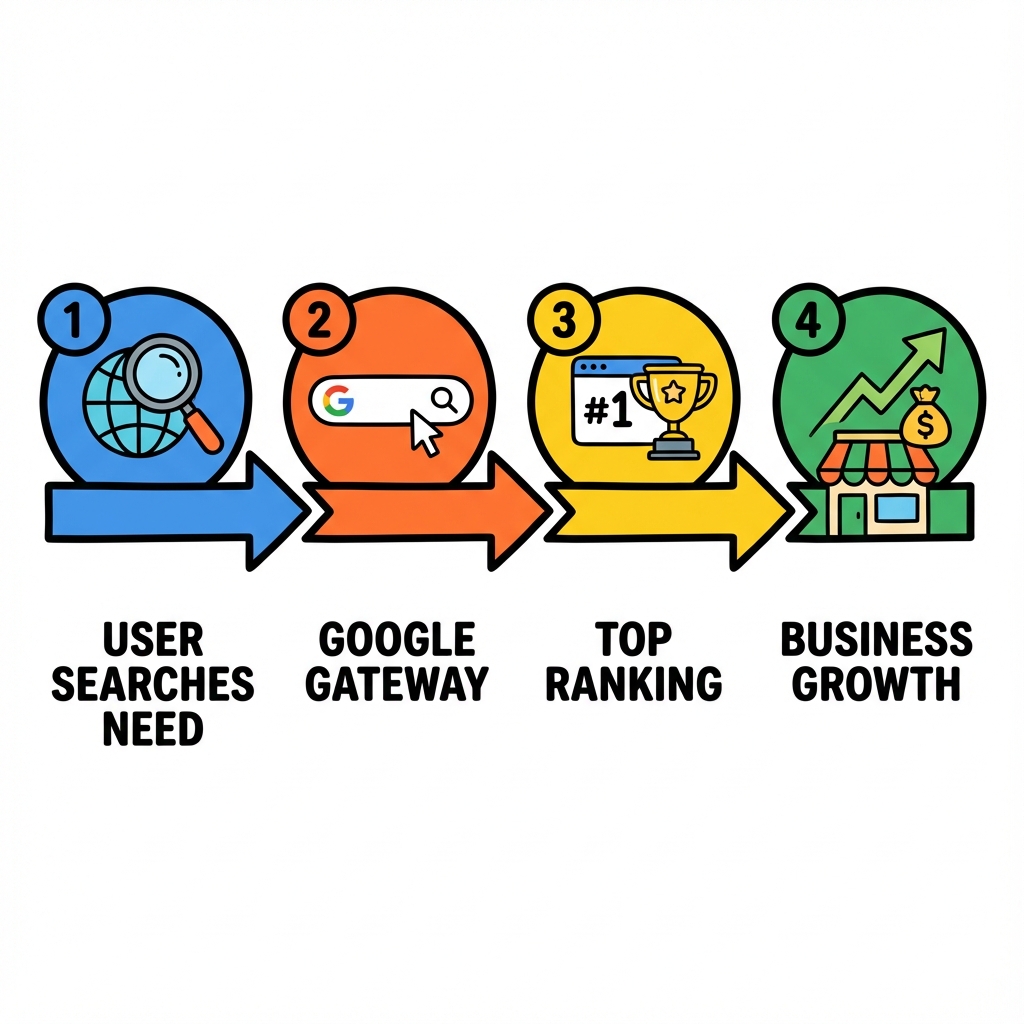
Google processes over 8.5 billion searches every single day, making it the primary gateway between your potential customers and your business. When someone searches for products or services you offer, appearing on the first page of Google search results dramatically increases your chances of getting clicked.
Research shows that the first five organic results on Google receive 67.6% of all clicks, while results on the second page get less than 6% of total clicks. This massive difference in visibility translates directly into website traffic, leads, and revenue for businesses that rank well.
The beauty of Google search optimization lies in its long-term impact. Unlike paid advertising that stops working the moment you stop paying, organic search rankings continue driving traffic 24/7 once established. This makes Google search optimization one of the most cost-effective marketing strategies available.
How to Conduct Keyword Research That Actually Drives Results
Successful Google search optimization starts with understanding what your target audience is actually searching for. Many businesses make the mistake of targeting keywords they think are important rather than keywords their customers actually use.
Start by brainstorming seed keywords related to your business, products, or services. Then use tools like Google Keyword Planner, Ahrefs, or SEMrush to expand this list and discover related terms your audience searches for. Pay attention to search volume, competition level, and keyword difficulty scores.
Focus on finding the sweet spot between search volume and competition. High-volume keywords with intense competition might be difficult to rank for initially, while low-competition keywords with decent search volume can provide quicker wins. Long-tail keywords (phrases with three or more words) often convert better because they indicate more specific search intent.
What Types of Keywords Should You Target First?
When starting your Google search optimization efforts, prioritize three types of keywords:
Branded keywords include your company name, product names, or variations of your brand. These typically have lower competition and higher conversion rates since people searching for your brand are already familiar with your business. Commercial intent keywords include terms like "buy," "best," "review," or "comparison." These indicate that searchers are closer to making a purchasing decision, making them valuable for driving qualified traffic. Informational keywords help you capture users earlier in their buyer's journey. While these might not convert immediately, they help build brand awareness and establish your expertise in your field.How to Optimize Your Content Structure for Google Search Success
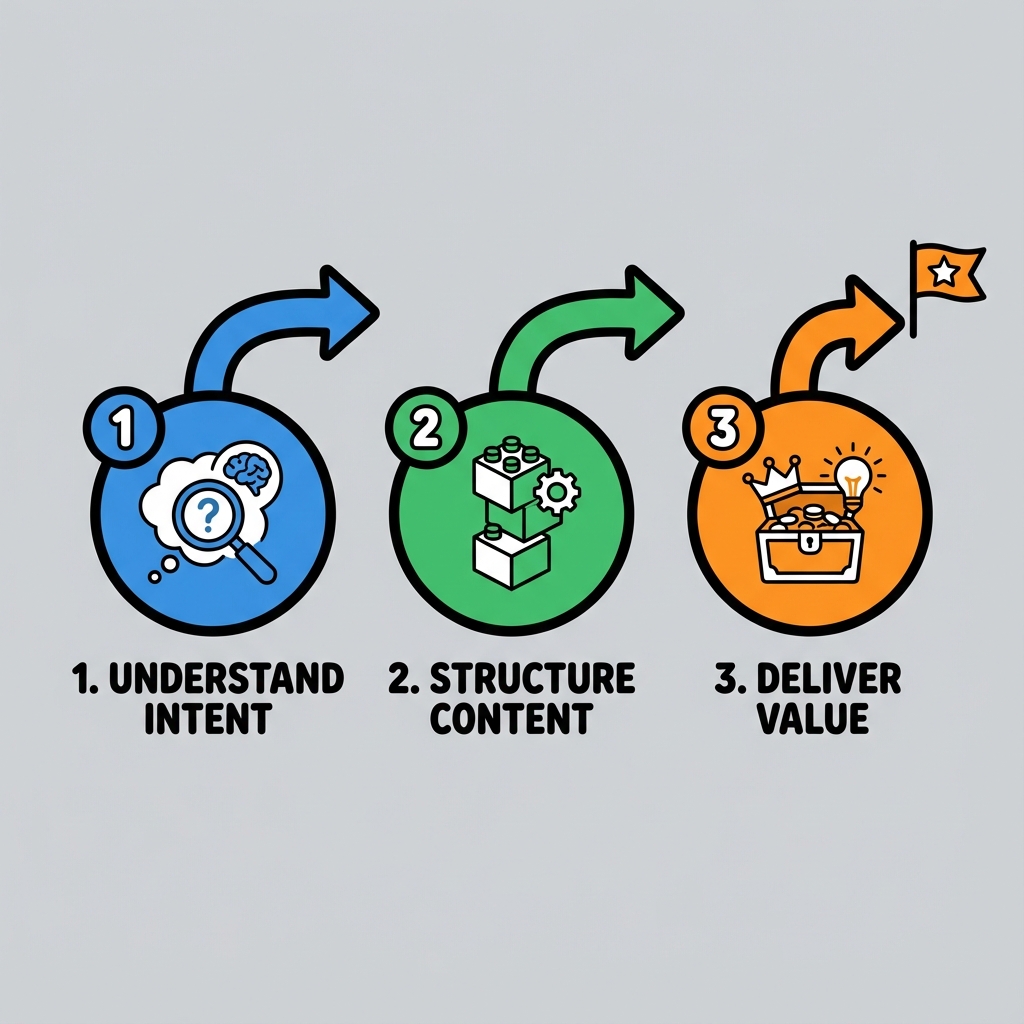
Google's algorithm has become increasingly sophisticated at understanding content quality and user intent. Simply stuffing keywords into your content no longer works and can actually hurt your rankings. Instead, focus on creating comprehensive, well-structured content that genuinely helps your audience.
Content structure plays a crucial role in SEO success, affecting both how Google crawls your pages and how users engage with your content. Use clear heading hierarchies (H1, H2, H3) to organize your content logically and make it easy to scan.Include your target keywords naturally throughout your content, focusing on the title, first paragraph, headings, and conclusion. However, prioritize readability and user value over keyword density. Google's algorithm can understand synonyms and related terms, so use variations of your keywords to create more natural-sounding content.
How Should You Structure Individual Pages for Maximum Google Search Visibility?
Each page on your website should target a specific primary keyword while supporting it with related secondary keywords. Create detailed, comprehensive content that thoroughly covers the topic rather than thin pages with minimal information.
Use bullet points, numbered lists, and tables to break up text and make information easier to digest. Include relevant images with descriptive alt text, and ensure your pages load quickly on both desktop and mobile devices.
Internal linking is crucial for Google search success. Link to related pages on your website using descriptive anchor text to help Google understand your site's structure and distribute page authority throughout your site.
What Technical SEO Elements Impact Google Search Rankings?
Technical SEO forms the foundation of your Google search optimization efforts. Even the best content won't rank well if Google can't properly crawl and index your website. Start with the basics: ensure your site has a clean URL structure, loads quickly, and works perfectly on mobile devices.
Page speed significantly impacts Google search rankings, especially after Google's Core Web Vitals update. Use tools like Google's PageSpeed Insights to identify and fix speed issues. Compress images, minimize code, and consider using a content delivery network (CDN) to improve loading times.
Mobile optimization is no longer optional. Google uses mobile-first indexing, meaning it primarily uses the mobile version of your site for ranking and indexing. Ensure your website provides an excellent user experience across all devices.
| Technical SEO Factor | Impact Level | Quick Fix Available |
|---|---|---|
| Page Speed | High | Yes |
| Mobile Responsiveness | Critical | Moderate |
| SSL Certificate | High | Yes |
| XML Sitemap | Medium | Yes |
| Schema Markup | Medium | Moderate |
| URL Structure | Medium | Difficult |
How Do You Fix Common Technical SEO Issues?
Start by conducting a technical audit of your website. Check for broken links, duplicate content, missing meta descriptions, and crawl errors in Google Search Console. Fix these issues systematically, starting with the most critical problems that directly impact user experience.
Implement structured data markup to help Google better understand your content. This can lead to rich snippets in search results, which often improve click-through rates and visibility in Google search results.
How to Build Authority and Trust for Better Google Search Rankings
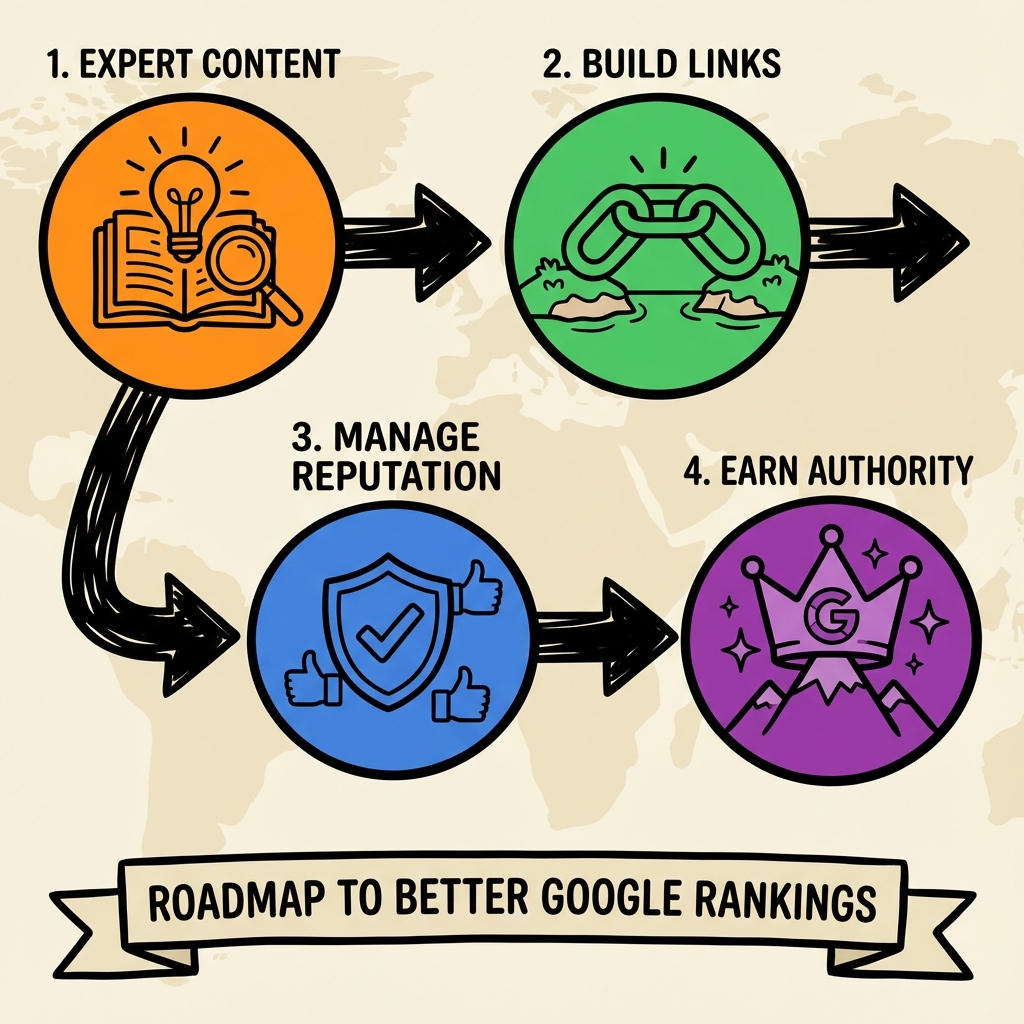
Google evaluates websites based on expertise, authoritativeness, and trustworthiness (E-A-T). Building these qualities requires a long-term approach that combines high-quality content creation with strategic link building and reputation management.
Create content that demonstrates your expertise in your field. This means going beyond surface-level information to provide insights, analysis, and practical advice that your audience can't find elsewhere. Understanding what makes automated SEO different can help you scale content creation while maintaining quality.
Earn high-quality backlinks from reputable websites in your industry. Focus on creating link-worthy content like original research, comprehensive guides, or valuable tools that other websites want to reference. Guest posting on authoritative sites can also help build your backlink profile.
What Role Does Content Consistency Play in Google Search Success?
Regularly publishing fresh, valuable content signals to Google that your website is active and relevant. This doesn't mean you need to publish daily, but maintaining a consistent content schedule helps improve your Google search visibility over time.
Automated blog systems can help maintain consistency while ensuring quality remains high. The key is balancing automation with human oversight to create content that serves your audience's needs.How to Monitor and Improve Your Google Search Performance
Tracking your Google search performance is essential for understanding what's working and what needs improvement. Set up Google Search Console and Google Analytics to monitor key metrics like organic traffic, keyword rankings, click-through rates, and user engagement.
Pay attention to which pages perform well in Google search results and analyze what makes them successful. Look for patterns in your top-performing content and replicate those elements in future pieces. According to Google's Search Quality Evaluator Guidelines, content quality and user satisfaction are primary ranking factors.
Monitor your competitors' Google search performance to identify opportunities and gaps in your own strategy. Tools like SEMrush or Ahrefs can show you which keywords your competitors rank for and what content performs well in your industry.
How Often Should You Review and Update Your Google Search Strategy?
Google's algorithm updates regularly, and search trends evolve constantly. Review your Google search performance monthly and conduct quarterly strategy assessments to ensure you're staying ahead of changes.
Update older content to keep it fresh and relevant. Google favors recently updated content, especially for topics where information changes frequently. Add new sections, update statistics, and improve the overall quality of your existing pages.
Conclusion
Mastering Google search optimization requires a comprehensive approach that combines keyword research, content optimization, technical SEO, and ongoing performance monitoring. Success doesn't happen overnight, but implementing these strategies consistently will improve your search rankings and drive more organic traffic to your website.
Start by focusing on the fundamentals: conduct thorough keyword research, create high-quality content that serves your audience's needs, and ensure your website's technical foundation is solid. As you build momentum, expand into more advanced tactics like link building and content automation.
Ready to accelerate your Google search success? Fast SEO Fix specializes in helping businesses implement automated SEO strategies that drive consistent organic growth. Contact us today to discover how our proven system can help your website climb the Google search rankings and attract more qualified traffic.

Stefan Winter
Founder & SEO Expert
Founder of Fast SEO Fix and SEO automation expert. Stefan built Fast SEO Fix to solve the tedious problem of manual SEO work. He specializes in SEO optimized content generation, keyword research, and automated SEO strategies.
