What Makes an SEO Content Strategy Template Essential for Your Business?
Posted by
 Stefan Winter
How to Build an SEO Content Strategy Template That Actually Drives Results
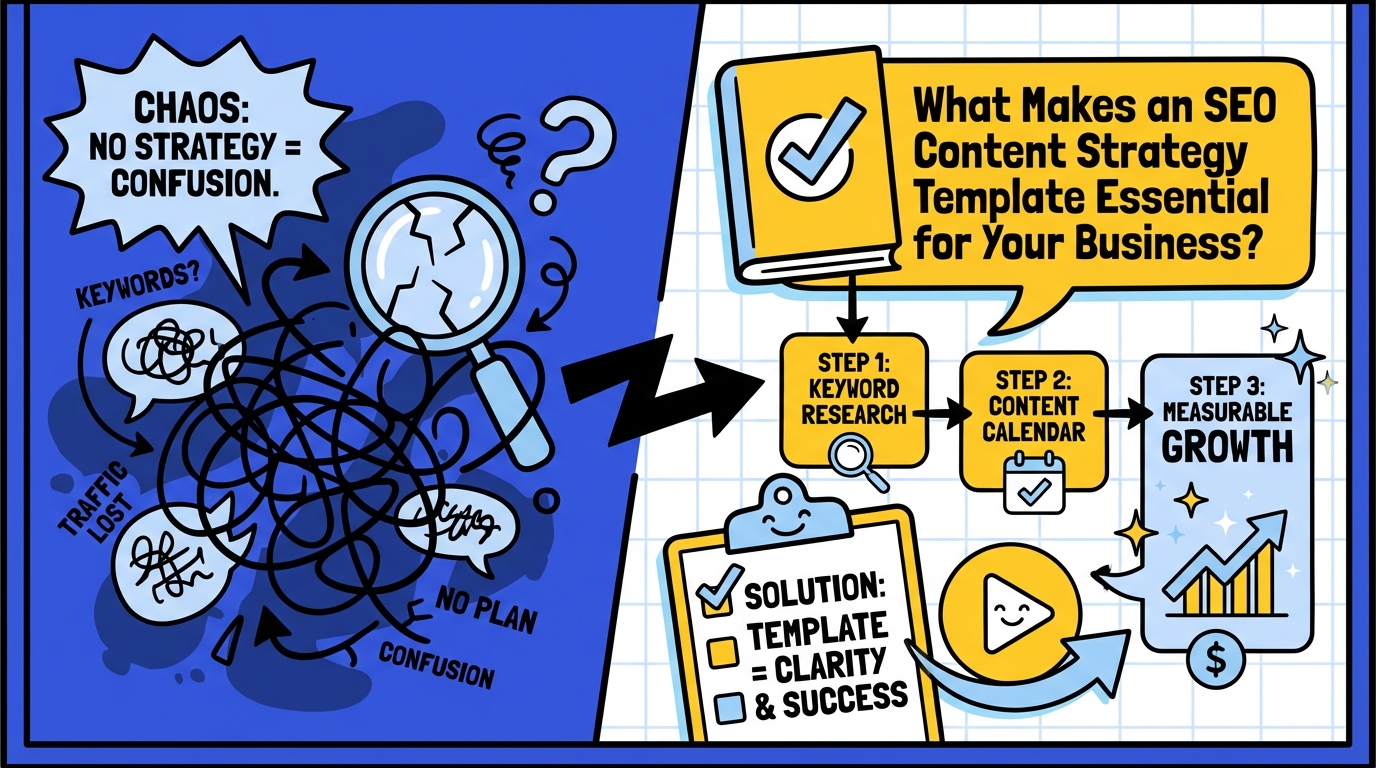
Creating content without a strategic framework is like navigating without a map. You might eventually reach your destination, but you'll waste time, resources, and opportunities along the way. An SEO content strategy template serves as your roadmap, ensuring every piece of content you create serves a specific purpose in your overall digital marketing goals. In this comprehensive guide, you'll learn how to build a robust template that streamlines your content creation process while maximizing search engine visibility and audience engagement.
What Makes an SEO Content Strategy Template Essential for Your Business?
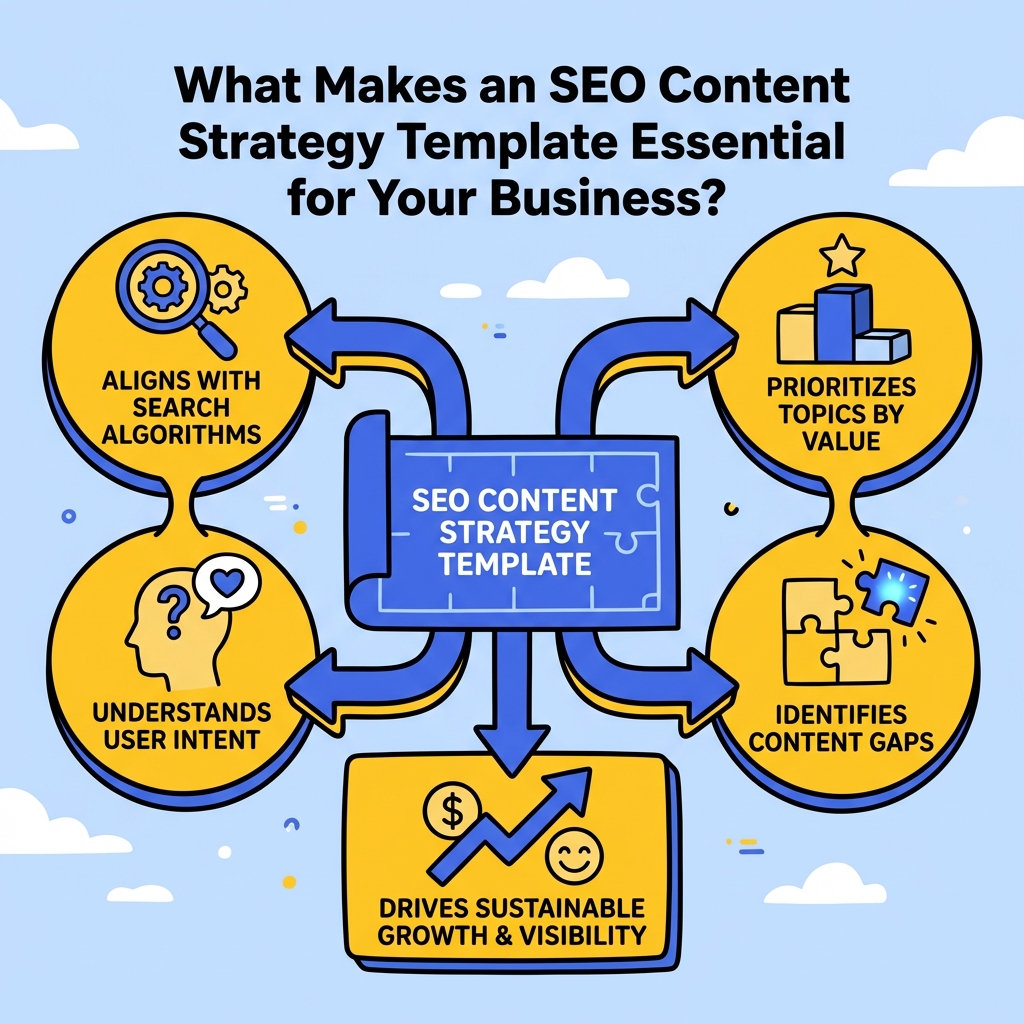
An SEO content strategy template is more than just a planning document. It's a systematic approach that aligns your content creation efforts with search engine algorithms and user intent. This structured framework helps you identify content gaps, prioritize topics based on business value, and maintain consistency across all your digital touchpoints.
The template acts as a central hub where keyword research meets content planning, ensuring every blog post, landing page, and resource contributes to your broader SEO objectives. Without this strategic foundation, even the most well-written content can fail to attract organic traffic or convert visitors into customers.
Modern businesses that leverage AI-powered SEO analysis and automation tools often see 3x better results when they start with a solid content strategy template rather than jumping straight into content creation.
How to Conduct Strategic Keyword Research for Your Template
Your SEO content strategy template begins with comprehensive keyword research that goes beyond basic search volume metrics. Start by identifying your primary business objectives and mapping them to specific search intents. This approach ensures your content strategy supports revenue-generating activities rather than just driving traffic.
Use a combination of keyword research tools to uncover opportunities across different search intent categories. Focus on informational keywords for top-of-funnel content, navigational keywords for brand awareness, and transactional keywords for conversion-focused pages. Document these findings in your template with corresponding content types and priority levels.
The most effective templates include seasonal keyword trends and competitive analysis. According to Google's Search Quality Evaluator Guidelines, content that demonstrates expertise, authoritativeness, and trustworthiness performs better in search results. Your keyword research should identify topics where your business can establish thought leadership.
What Content Categories Should Your Template Include?
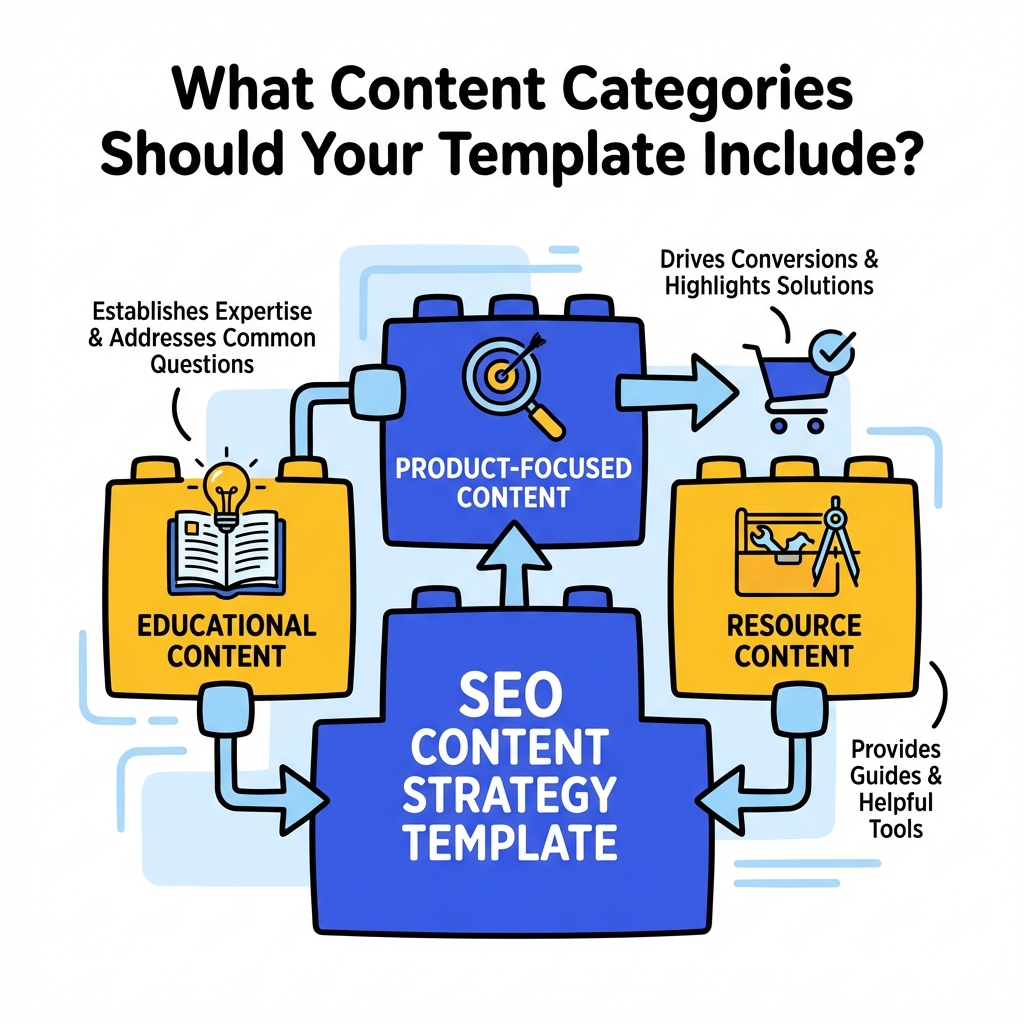
A comprehensive SEO content strategy template organizes content into distinct categories that serve different purposes in the customer journey. Educational content addresses common questions and establishes your expertise, while product-focused content drives conversions. Resource content, such as guides and templates, generates backlinks and positions your brand as an industry authority.
Your template should also account for different content formats beyond traditional blog posts. Video content, infographics, case studies, and interactive tools each serve unique SEO purposes and appeal to different audience preferences. When planning your content creation software implementation, consider how various formats can support your overall strategy.
| Content Category | Primary Purpose | SEO Benefit | Frequency |
|---|---|---|---|
| Educational Blog Posts | Build Authority | Long-tail Keywords | Weekly |
| Product Pages | Drive Conversions | Commercial Keywords | As Needed |
| Resource Guides | Generate Backlinks | High-value Keywords | Monthly |
| Case Studies | Build Trust | Branded Keywords | Quarterly |
| FAQ Pages | Answer Questions | Featured Snippets | Ongoing |
How to Map Content to the Customer Journey?
Your SEO content strategy template must align content creation with different stages of the customer journey. Awareness-stage content should target broad, informational keywords and focus on educating your audience about industry challenges. Consideration-stage content compares solutions and addresses specific pain points, while decision-stage content highlights your unique value proposition.
Map each content piece to specific buyer personas and journey stages within your template. This approach ensures you create content that resonates with your target audience's current needs and search behavior. Include conversion goals for each stage, whether that's email signups, demo requests, or direct purchases.
The most successful templates also account for post-purchase content that supports customer retention and advocacy. This often-overlooked category can drive significant organic traffic through branded searches and customer success stories.
What Technical SEO Elements Belong in Your Template?
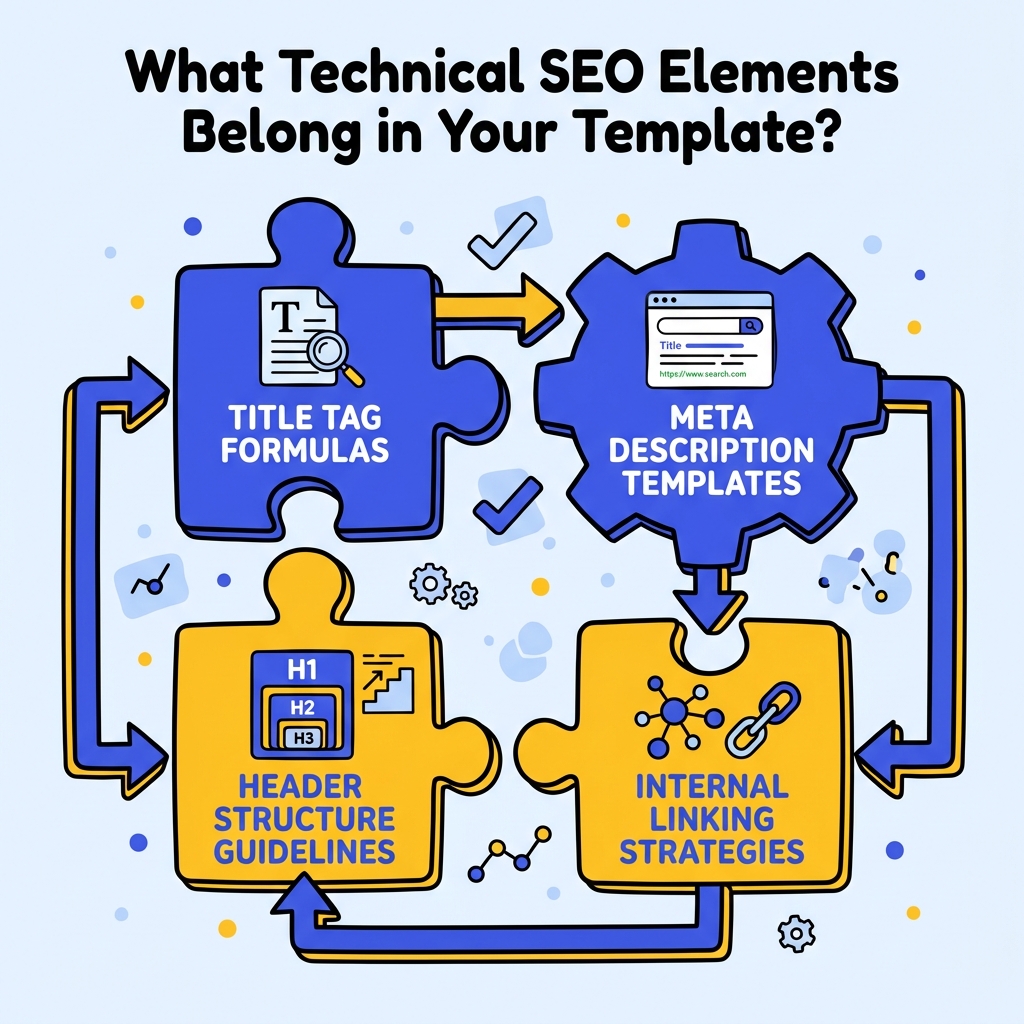
Your SEO content strategy template should include technical specifications that ensure every piece of content is optimized for search engines. Standard elements include title tag formulas, meta description templates, header structure guidelines, and internal linking strategies. These technical components should be clearly defined so anyone on your team can create SEO-friendly content.
Include image optimization guidelines, schema markup requirements, and mobile-first design considerations. With search engines prioritizing user experience signals, your template should emphasize page speed, core web vitals, and accessibility standards. Understanding when to publish content for maximum SEO impact can also significantly improve your results.
Document your internal linking strategy within the template, specifying how new content should connect to existing pages. This systematic approach to internal linking helps distribute page authority throughout your site and improves overall search visibility.
How to Measure and Optimize Your Content Strategy Template?
A robust SEO content strategy template includes clear metrics and optimization processes. Define key performance indicators for different content types, such as organic traffic growth, keyword ranking improvements, and conversion rates. Establish regular review cycles to assess content performance and identify optimization opportunities.
Your template should specify tools for tracking performance, from Google Analytics and Search Console to specialized SEO platforms. Include benchmarks for different content categories so you can quickly identify underperforming pieces that need attention. Measuring the ROI of your SEO automation efforts becomes much easier when you have these systems in place from the start.
Create a feedback loop within your template that incorporates performance data into future content planning. This iterative approach ensures your strategy evolves with changing search algorithms and user behavior patterns.
How to Scale Your Content Strategy Template Across Teams?
As your content operations grow, your SEO content strategy template must accommodate multiple contributors while maintaining quality and consistency. Develop clear workflows that specify roles, responsibilities, and approval processes. Include style guides, brand voice guidelines, and quality checklists that ensure every piece of content meets your standards.
Your template should also address content distribution and promotion strategies. Specify how content should be shared across social media, email marketing, and other channels to maximize reach and engagement. Consider how scaling content creation with AI tools can help you maintain quality while increasing output.
Include training resources and onboarding materials within your template so new team members can quickly understand and implement your content strategy. This systematic approach reduces the learning curve and ensures consistent execution across your organization.
Conclusion
Building an effective SEO content strategy template requires careful planning, systematic organization, and ongoing optimization. By following the framework outlined in this guide, you'll create a comprehensive template that streamlines your content creation process while maximizing search engine visibility and business results.
Remember that your template should evolve with your business needs and search engine algorithm updates. Regular reviews and optimizations ensure your content strategy remains effective and competitive in 2026 and beyond.
Ready to transform your content marketing results? Contact Fast SEO Fix today to learn how our automated SEO solutions can help you implement and scale your content strategy template for maximum impact.

Stefan Winter
Founder & SEO Expert
Founder of Fast SEO Fix and SEO automation expert. Stefan built Fast SEO Fix to solve the tedious problem of manual SEO work. He specializes in SEO optimized content generation, keyword research, and automated SEO strategies.
