What Is ROI of SEO Automation and Why Should You Measure It?
Posted by
 Stefan Winter
How to Calculate and Maximize the ROI of SEO Automation for Your Business
SEO automation has transformed how businesses approach search engine optimization, but the burning question remains: what's the actual return on investment? Understanding the ROI of SEO automation isn't just about measuring cost savings. It's about quantifying time efficiency, scalability benefits, and long-term revenue growth that automated SEO tools deliver to your marketing strategy.
In this comprehensive guide, you'll learn how to calculate your SEO automation ROI accurately, identify key metrics that matter most, and implement strategies to maximize your returns. Whether you're considering automation tools or already using them, this step-by-step approach will help you measure and optimize your investment effectively.
What Is ROI of SEO Automation and Why Should You Measure It?
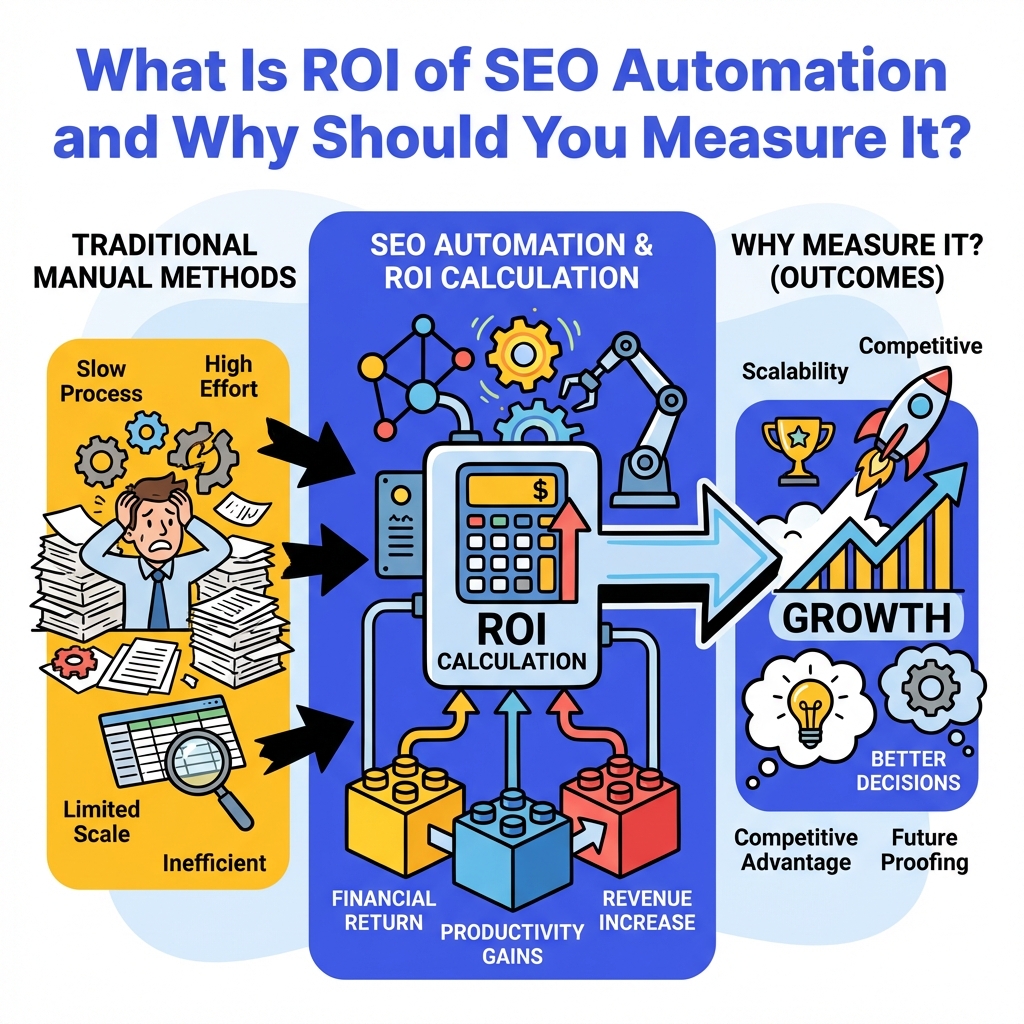
The ROI of SEO automation represents the financial return you generate from investing in automated SEO tools and processes compared to traditional manual methods. This calculation goes beyond simple cost comparison to include productivity gains, scalability improvements, and revenue increases from enhanced search performance.
Measuring SEO automation ROI helps justify technology investments to stakeholders and guides future budget decisions. According to BrightEdge's research on enterprise SEO, companies using automated SEO processes see 3x faster implementation of optimization strategies compared to manual approaches.
Most businesses struggle with ROI measurement because they focus solely on tool costs without considering the full spectrum of benefits. The true value emerges when you factor in time savings, improved accuracy, enhanced scalability, and the compound effect of consistent optimization across larger content volumes.
How to Set Up Your ROI Calculation Framework
Step 1: Identify Your Baseline Costs
Start by documenting your current SEO expenses before automation. Include staff salaries for SEO tasks, freelancer costs, manual tool subscriptions, and time spent on repetitive optimization activities. Create a monthly breakdown that captures both direct costs and opportunity costs of manual processes.
Calculate the hourly cost of your team members performing SEO tasks. For example, if a marketing specialist earning $60,000 annually spends 20 hours monthly on keyword research, that represents $577 in labor costs ($60,000 ÷ 2080 hours × 20 hours).
Step 2: Document Automation Investment Costs
List all expenses related to your SEO automation implementation. Include software subscriptions, setup fees, training costs, and integration expenses. Don't forget ongoing costs like maintenance, updates, and additional user licenses as your team grows.
Consider both immediate costs and projected expenses over your measurement period. This comprehensive view ensures your ROI calculation reflects the true investment required for successful automation.
Which Metrics Actually Matter for SEO Automation ROI?
Time Savings and Efficiency Gains
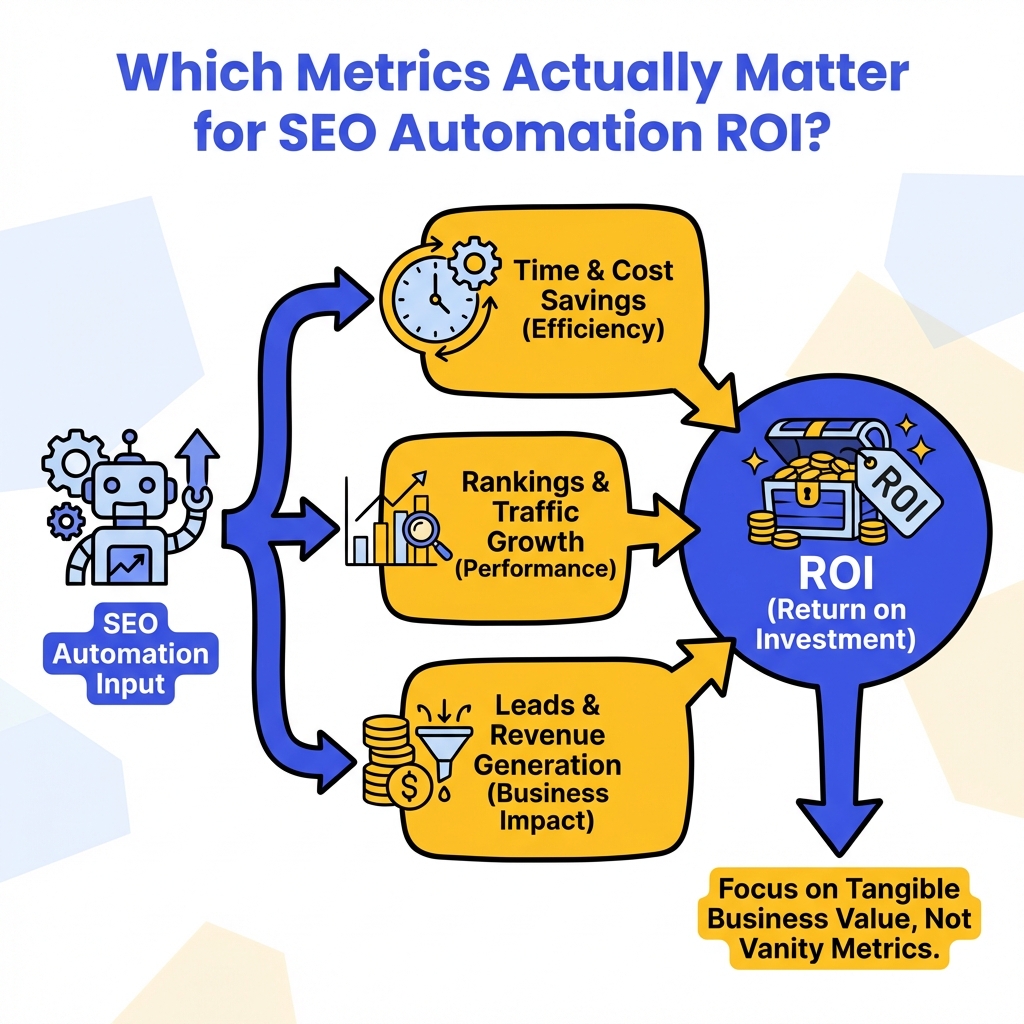
Time savings represent the most immediate and measurable benefit of SEO automation. Track how automation reduces time spent on keyword research, content optimization, technical audits, and reporting. Document these savings in hours per month and multiply by your team's hourly rates.
For instance, if automation reduces keyword research time from 40 hours to 10 hours monthly, that's a 30-hour savings worth $865 monthly for a $60,000 annual salary position. Over a year, this single efficiency gain delivers $10,380 in value.
Scalability and Volume Improvements
Automation enables SEO optimization at scale impossible with manual processes. Measure how many more pages you can optimize, keywords you can target, and content pieces you can analyze with automated tools. This scalability directly impacts your potential organic traffic and revenue growth.
Understanding what SEO automation actually means helps you identify scalability opportunities that manual processes simply cannot match.
Revenue Attribution and Organic Growth
Connect your automation investment to actual revenue increases through improved organic search performance. Track organic traffic growth, conversion rate improvements, and revenue attribution to SEO efforts. While this requires longer measurement periods, it provides the most compelling ROI justification.
| Metric Category | Manual Process | Automated Process | Monthly Savings |
|---|---|---|---|
| Keyword Research | 40 hours | 10 hours | $865 |
| Content Optimization | 60 hours | 20 hours | $1,154 |
| Technical Audits | 30 hours | 8 hours | $635 |
| Reporting | 20 hours | 5 hours | $433 |
| Total Monthly Savings | 150 hours | 43 hours | $3,087 |
How to Calculate Your Actual ROI Numbers
The Basic ROI Formula for SEO Automation
Use this formula to calculate your SEO automation ROI:
ROI = (Total Benefits - Total Investment Costs) ÷ Total Investment Costs × 100
Total benefits include time savings value, productivity gains, revenue increases, and cost avoidances. Total investment costs encompass software fees, implementation costs, training expenses, and ongoing maintenance.
Step-by-Step Calculation Process
First, calculate your monthly time savings value using documented hour reductions multiplied by team hourly rates. Add productivity gains from improved accuracy and reduced errors. Include revenue increases attributed to better SEO performance through automation.
Next, sum all automation-related expenses including software costs, setup fees, and ongoing maintenance. Divide total annual benefits by total annual costs, subtract 1, and multiply by 100 for your ROI percentage.
For example, if automation delivers $50,000 in annual benefits against $15,000 in costs: ($50,000 - $15,000) ÷ $15,000 × 100 = 233% ROI.
What Are the Hidden Benefits That Boost Your ROI?
Improved Accuracy and Consistency
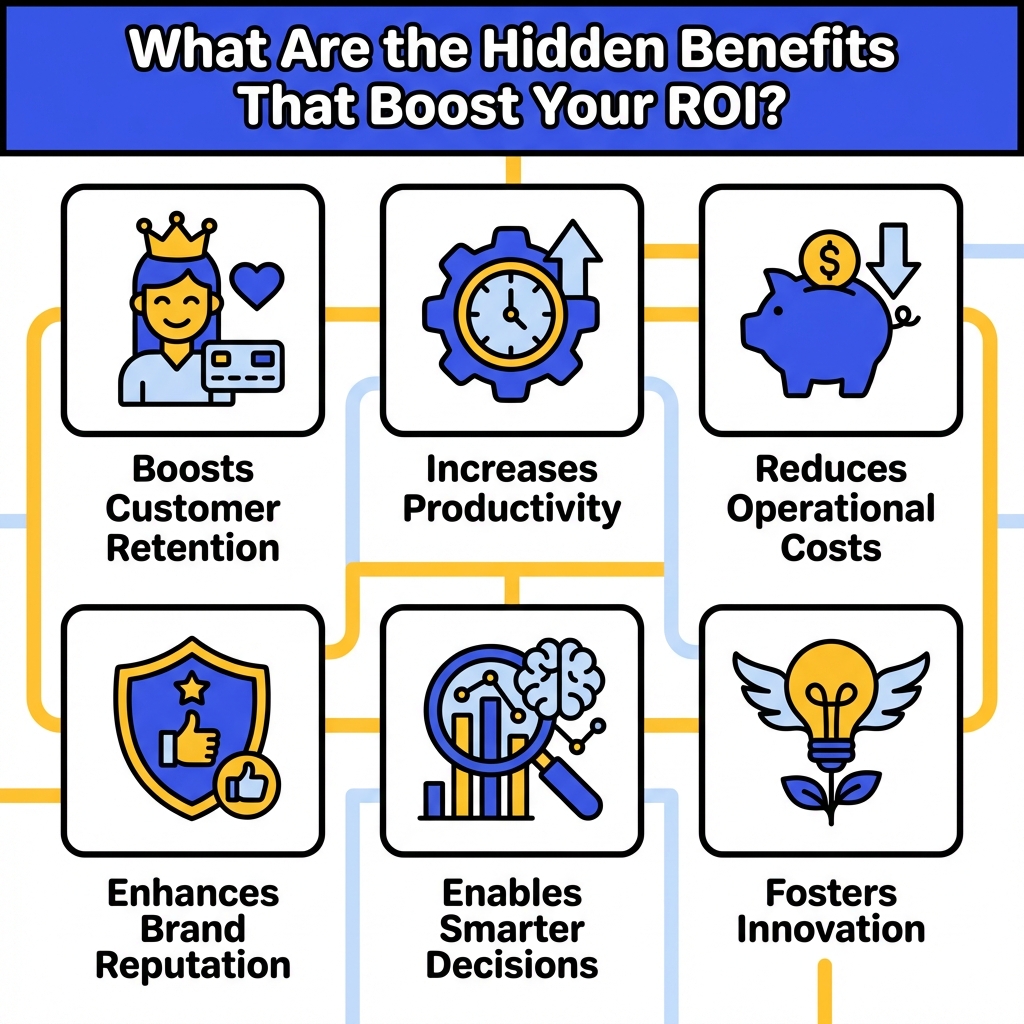
Automated SEO processes reduce human error and ensure consistent optimization across all content. This accuracy improvement prevents costly mistakes like keyword cannibalization or technical SEO oversights that could harm search rankings.
Document instances where automation caught errors that manual processes missed. Calculate the potential revenue impact of these prevented mistakes to include in your ROI calculation.
Enhanced Competitive Intelligence
SEO automation tools often provide competitive analysis capabilities that would require significant manual effort to replicate. This intelligence helps you identify opportunities faster and respond to competitive threats more effectively.
Learning about AI-powered SEO analysis capabilities can help you understand how automation enhances competitive intelligence gathering.
Better Resource Allocation
Automation frees your team to focus on strategic activities rather than repetitive tasks. Calculate the value of redirecting skilled professionals toward high-impact initiatives like content strategy development or technical optimization projects.
How to Maximize Your SEO Automation ROI Going Forward
Continuous Process Optimization
Regularly review and refine your automated processes to maximize efficiency gains. Identify bottlenecks where manual intervention still occurs and seek automation solutions for these remaining gaps.
Track performance metrics monthly and adjust automation settings to improve results. The compound effect of these optimizations significantly impacts long-term ROI.
Integration and Workflow Enhancement
Maximize ROI by integrating SEO automation with other marketing tools and workflows. Connected systems reduce data silos and create synergies that multiply the value of your automation investment.
Consider how scaling content creation with AI can complement your SEO automation efforts for greater overall efficiency.
Team Training and Adoption
Invest in comprehensive team training to ensure maximum utilization of automation capabilities. Under-utilized features represent missed ROI opportunities that proper training can unlock.
Create documentation and best practices guides that help team members leverage automation tools effectively. Higher adoption rates directly correlate with better ROI outcomes.
How Long Should You Measure ROI Results?
Short-Term vs. Long-Term ROI Tracking
Measure immediate benefits like time savings and cost reductions within the first 90 days of implementation. These quick wins help justify the investment while longer-term benefits develop.
Long-term ROI measurement should extend 12-18 months to capture the full impact of improved search rankings and organic traffic growth. SEO results compound over time, making extended measurement periods essential for accurate ROI assessment.
Establishing Measurement Milestones
Set quarterly milestones for ROI evaluation and adjustment. This schedule allows enough time for meaningful data collection while enabling course corrections if results fall short of expectations.
Document both quantitative metrics and qualitative improvements like team satisfaction and strategic capability enhancements. These qualitative factors often predict long-term success even when immediate financial returns are still developing.
Conclusion
Calculating the ROI of SEO automation requires a comprehensive approach that goes beyond simple cost comparisons. By measuring time savings, scalability benefits, accuracy improvements, and revenue attribution, you can build a compelling case for automation investment and optimize your returns over time.
The key to maximizing SEO automation ROI lies in thorough measurement, continuous optimization, and strategic integration with your broader marketing efforts. Start with clear baseline measurements, implement robust tracking systems, and regularly evaluate your results to ensure your automation investment delivers maximum value.
Ready to optimize your SEO automation ROI? Contact Fast SEO Fix today to learn how our automated SEO solutions can deliver measurable returns for your business while freeing your team to focus on strategic growth initiatives.

Stefan Winter
Founder & SEO Expert
Founder of Fast SEO Fix and SEO automation expert. Stefan built Fast SEO Fix to solve the tedious problem of manual SEO work. He specializes in SEO optimized content generation, keyword research, and automated SEO strategies.
