What Is SEO Content Automation and Why Should Beginners Care?
Posted by
 Stefan Winter
How to Start SEO Content Automation: A Complete Beginner's Roadmap
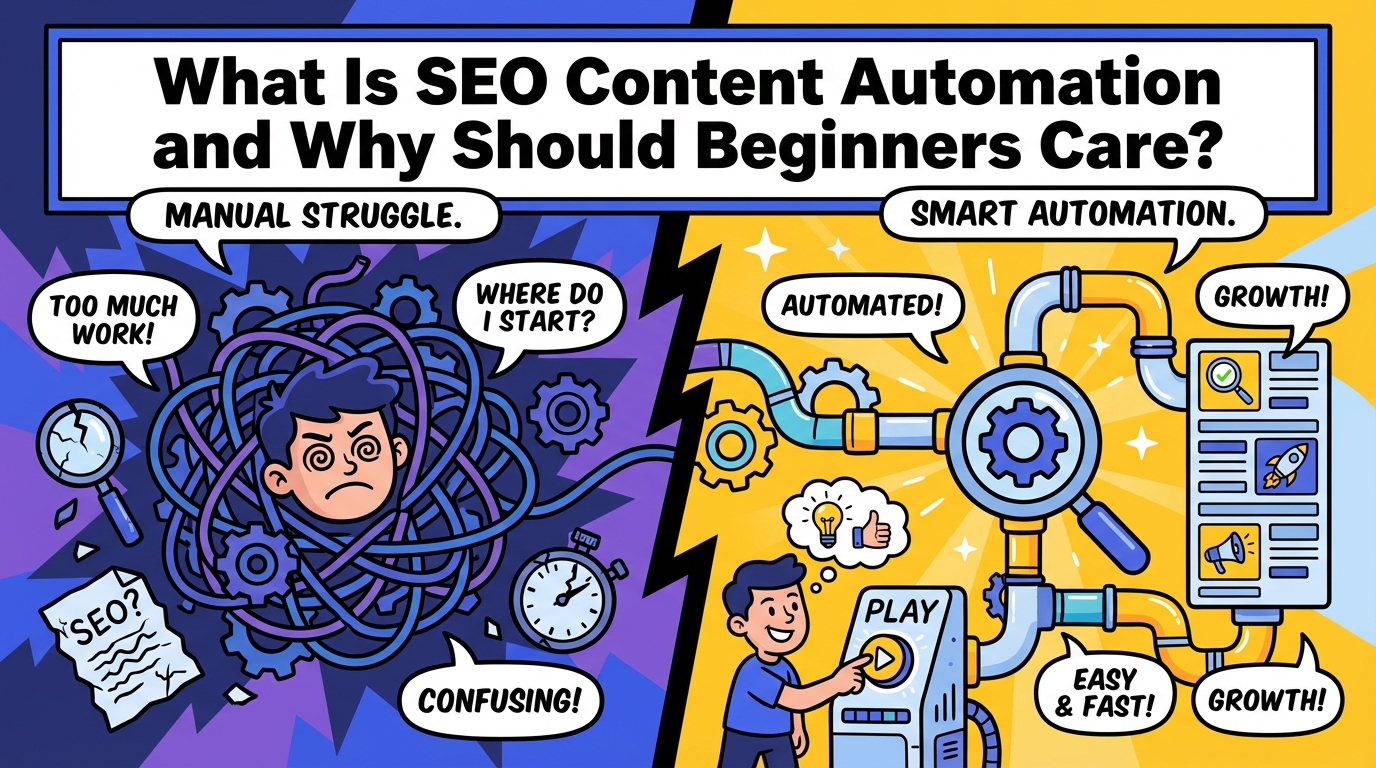
Creating consistent, high-quality content for your website can feel overwhelming, especially when you're managing multiple campaigns and tight deadlines. SEO content automation for beginners offers a practical solution that streamlines your content production while maintaining the quality standards search engines demand. This comprehensive guide will walk you through everything you need to know to implement automated content strategies that drive organic traffic and save valuable time.
What Is SEO Content Automation and Why Should Beginners Care?
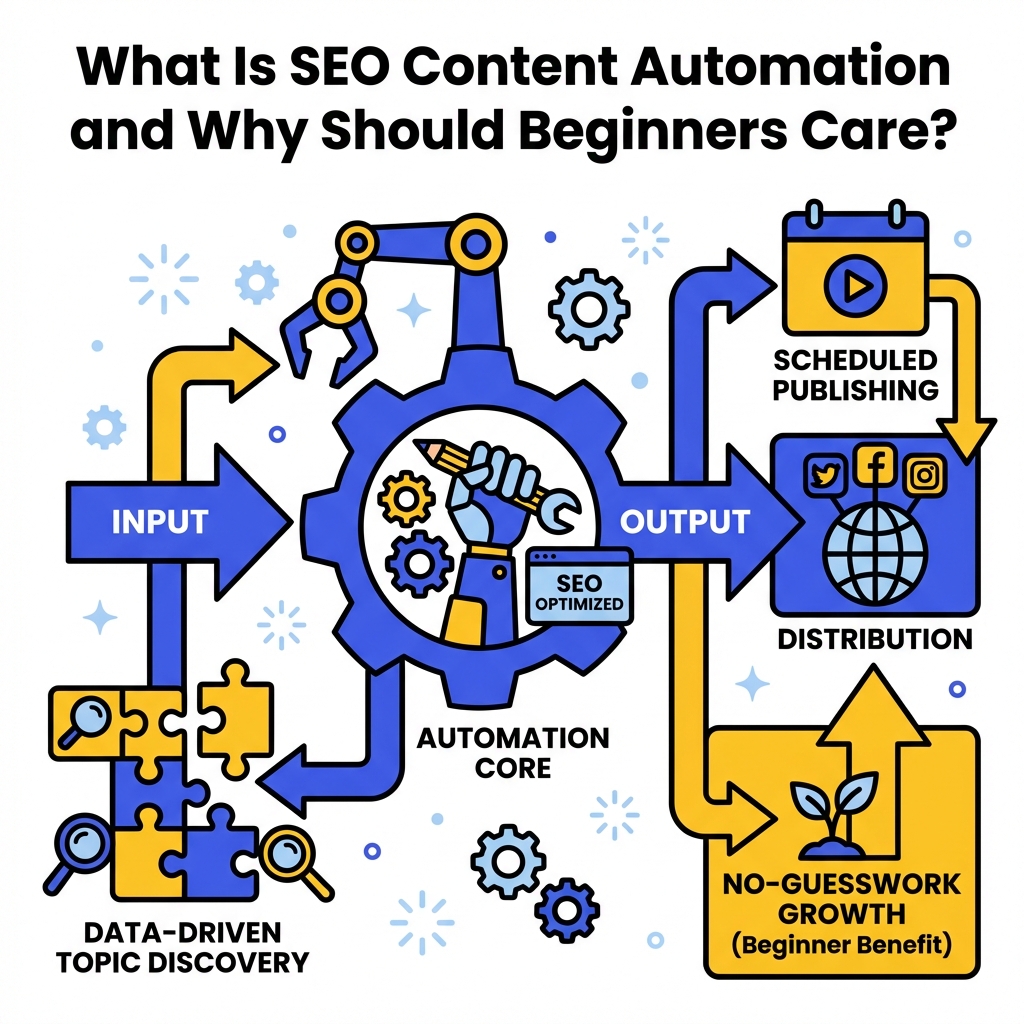
SEO content automation involves using software tools and systematic processes to create, optimize, and publish content with minimal manual intervention. For beginners, this approach eliminates the guesswork from content creation while ensuring every piece meets SEO best practices from day one.
The beauty of automation lies in its consistency. While experienced marketers might rely on intuition and years of trial and error, automated systems follow proven formulas that deliver predictable results. According to HubSpot's State of Marketing Report, companies using marketing automation see a 451% increase in qualified leads, with content automation playing a crucial role in this success.
Modern automation tools handle everything from keyword research and content outlining to meta tag generation and publishing schedules. This systematic approach means beginners can produce professional-grade content without spending months learning complex SEO strategies.
How Does Content Automation Actually Work for SEO?
Content automation operates through interconnected workflows that mirror the manual processes experienced SEO professionals use. The system starts by analyzing your target keywords, competitor content, and search intent to create detailed content briefs.
These automated workflows then generate content outlines, suggest relevant topics, and even draft sections based on top-performing content in your niche. The key difference is speed and consistency. What might take a human writer several hours of research and planning happens in minutes through automation.
The most effective automated systems also incorporate real-time SEO analysis. They check keyword density, readability scores, and meta tag optimization as content is created, making adjustments to ensure search engine compatibility. This immediate feedback loop helps beginners avoid common SEO mistakes that could hurt their rankings.
Step 1: Choose the Right Automation Platform for Your Needs
Selecting your first automation platform requires balancing functionality with ease of use. Beginners should prioritize platforms that offer intuitive interfaces and comprehensive tutorials over complex enterprise solutions.
Start by evaluating platforms based on these essential features: keyword research integration, content template libraries, SEO scoring systems, and publishing automation. Popular beginner-friendly options include tools that combine content creation with built-in SEO analysis, eliminating the need for multiple subscriptions.
Consider your budget and content volume requirements. Many platforms offer tiered pricing that grows with your needs, allowing you to start small and scale up as you become more comfortable with automation processes.
Key Features to Look for in Automation Tools
| Feature | Importance | Why It Matters |
|---|---|---|
| Keyword Integration | High | Automatically incorporates target keywords naturally |
| Content Templates | High | Provides proven structures for different content types |
| SEO Scoring | Medium | Real-time feedback on content optimization |
| Publishing Automation | Medium | Schedules and publishes content across platforms |
| Analytics Integration | Low | Tracks performance but not essential for beginners |
Step 2: Set Up Your Content Automation Workflow

Creating an effective workflow starts with defining your content goals and target audience. Automation works best when it follows clear parameters, so spend time establishing your brand voice, preferred topics, and publishing frequency before configuring any tools.
Begin with a simple workflow that covers content ideation, creation, and optimization. Most platforms allow you to create templates that automatically format your content according to SEO best practices. These templates should include proper heading structures, meta descriptions, and internal linking opportunities.
Configure your automation to pull from reliable data sources. Connect your keyword research tools, analytics platforms, and competitor monitoring systems to ensure your automated content stays relevant and competitive. Understanding how AI-powered SEO analysis works can help you make better configuration decisions during setup.
Step 3: Create Content Templates That Actually Convert
Effective content templates serve as the foundation of successful automation. These templates should reflect proven content structures while leaving room for customization based on specific topics and keywords.
Start by analyzing your highest-performing manual content to identify common elements and structures. Look for patterns in your most successful blog posts, including heading hierarchies, content length, and internal linking strategies. These insights become the blueprint for your automated templates.
Build templates for different content types such as how-to guides, comparison articles, and industry news updates. Each template should include placeholder sections for automated keyword insertion, suggested internal links, and optimized meta tags. Remember that scaling content creation with AI requires maintaining quality standards even as volume increases.
Essential Elements for Beginner Templates
Your templates should include automated sections for compelling introductions that hook readers immediately, keyword-optimized headings that improve search visibility, strategic internal linking opportunities, and clear calls-to-action that guide reader behavior.
Consider creating modular templates where different sections can be mixed and matched based on content type and target keywords. This flexibility allows your automation system to create varied content while maintaining consistency in quality and SEO optimization.
How to Maintain Quality While Automating Content Creation
Quality control represents the biggest challenge for beginners implementing content automation. The key is establishing review processes that catch issues before content goes live while not slowing down your production pipeline.
Implement automated quality checks that flag content for human review when certain criteria aren't met. These might include unusually low readability scores, keyword stuffing indicators, or missing essential elements like meta descriptions or internal links.
Create a hybrid approach where automation handles the heavy lifting of research and initial drafting, while human editors focus on refining voice, adding unique insights, and ensuring factual accuracy. This combination maximizes efficiency while maintaining the authenticity that readers and search engines value.
Step 4: Optimize Your Automated Content for Search Engines
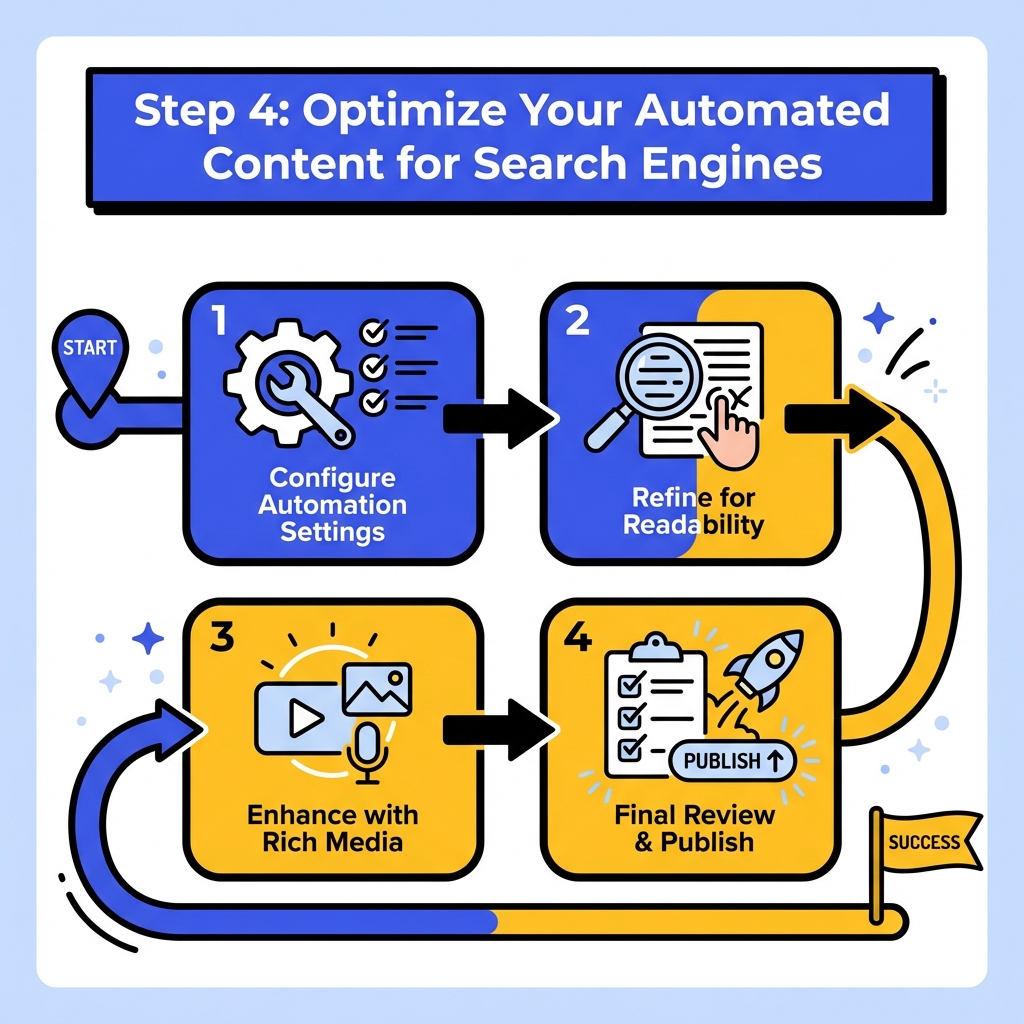
Search engine optimization in automated content requires balancing algorithmic requirements with natural readability. Modern automation tools excel at technical optimization but may struggle with the nuanced aspects that make content truly engaging.
Configure your automation to follow current SEO best practices, including proper keyword placement, meta tag optimization, and image alt text generation. However, avoid over-optimization that makes content feel robotic or keyword-stuffed. Search engines in 2026 are sophisticated enough to recognize and penalize obviously automated content that lacks genuine value.
Focus on creating content that answers real user questions and provides actionable solutions. Automation should enhance your ability to address search intent, not replace the strategic thinking that makes content valuable. Understanding why publishing time matters for SEO rankings can help you optimize your automated publishing schedules for maximum impact.
What Common Mistakes Should Beginners Avoid?
The most frequent beginner mistake is automating everything immediately without understanding the underlying processes. Start by automating simple, repetitive tasks like meta tag generation and keyword research integration before moving to full content creation.
Avoid the temptation to publish automated content without any human oversight. Even the most sophisticated automation tools can produce factual errors, awkward phrasing, or content that misses the mark on user intent. Always maintain editorial control over your final output.
Don't neglect the importance of measuring and adjusting your automation workflows. What works for one type of content or audience may not work for another. Regularly review performance metrics and refine your templates and processes based on real results rather than assumptions.
How to Measure the Success of Your Automation Efforts
Tracking the right metrics helps you understand whether your automation investment is paying off. Focus on metrics that reflect both efficiency gains and content quality improvements rather than just volume-based measurements.
Monitor organic traffic growth, average time on page, and conversion rates for automated versus manual content. These metrics reveal whether automation is maintaining or improving your content's effectiveness with your audience.
Track operational metrics like content production time, publishing consistency, and resource allocation. Successful automation should free up time for strategic activities while maintaining or improving content performance. Learning about measuring ROI of SEO automation provides deeper insights into tracking your automation success.
Conclusion
SEO content automation for beginners doesn't have to be overwhelming when approached systematically. By starting with simple workflows, choosing user-friendly tools, and maintaining quality standards, you can harness automation's power to create consistent, optimized content that drives organic growth.
Remember that successful automation enhances human creativity rather than replacing it. Use these tools to handle repetitive tasks and technical optimization while focusing your energy on strategy, unique insights, and building genuine connections with your audience.
Ready to transform your content creation process? Start by implementing one automated workflow this week and gradually expand your system as you gain confidence and see results. Your future self will thank you for taking this crucial step toward scalable, effective SEO content creation.

Stefan Winter
Founder & SEO Expert
Founder of Fast SEO Fix and SEO automation expert. Stefan built Fast SEO Fix to solve the tedious problem of manual SEO work. He specializes in SEO optimized content generation, keyword research, and automated SEO strategies.
