What Is Blogger Automation and Why Does It Matter?
Posted by
 Stefan Winter
How to Master Blogger Automation in 2026: The Complete Step-by-Step Guide
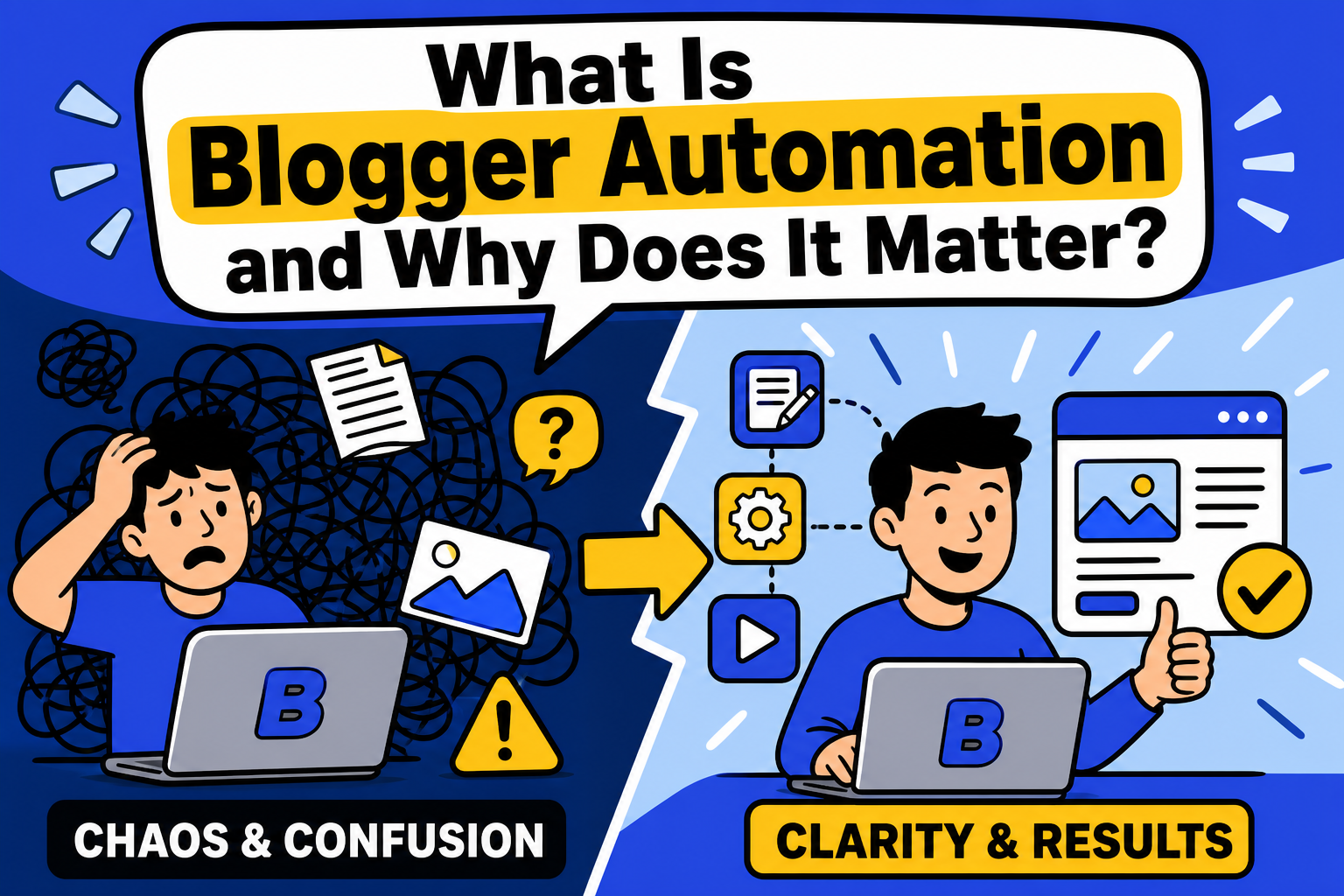
Running a successful blog in 2026 requires more than just great content. With increasing competition and audience expectations, bloggers need to streamline their processes while maintaining quality. Blogger automation has become the secret weapon for content creators who want to scale their operations without burning out. This comprehensive guide will walk you through everything you need to know about implementing automation in your blogging workflow, from content planning to social media distribution.
What Is Blogger Automation and Why Does It Matter?
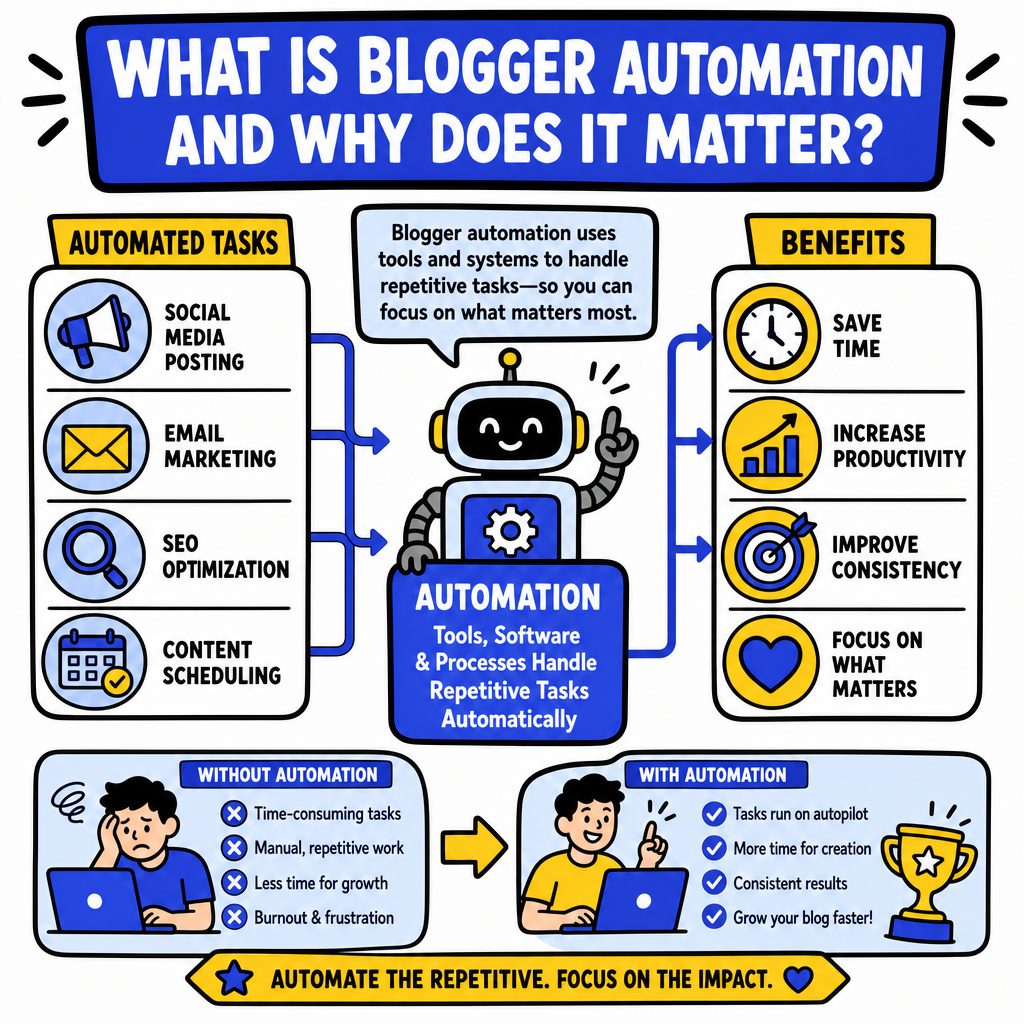
Blogger automation refers to the systematic use of tools, software, and processes to handle repetitive blogging tasks without manual intervention. Instead of spending hours on routine activities like social media posting, email marketing, or SEO optimization, automation allows you to focus on what matters most: creating valuable content for your audience.
The benefits extend far beyond time savings. Automation ensures consistency in your publishing schedule, reduces human error, and enables you to maintain a professional online presence even when you're away from your computer. For bloggers managing multiple platforms or content streams, automation becomes essential for sustainable growth.
Modern blogger automation encompasses everything from content creation assistance to analytics tracking. The key is understanding which processes can be automated without sacrificing the personal touch that makes your blog unique.
How to Set Up Your Content Planning Automation
Content planning forms the foundation of successful blogger automation. Start by implementing a content calendar system that automatically generates publishing schedules based on your predetermined frequency and topics.
Choose a project management tool like Notion, Airtable, or Trello that supports automation features. Set up templates for different content types, including blog posts, social media updates, and email newsletters. Configure automatic reminders for content deadlines, research phases, and publication dates.
Creating Automated Content Workflows
Design workflows that trigger specific actions based on your content status. For example, when you mark a blog post as "draft complete," the system can automatically notify your editor, schedule social media posts, and add the content to your email newsletter queue.
Use tools like Zapier or Make.com to connect different platforms in your content ecosystem. These integrations ensure that updating one system automatically updates all related platforms, eliminating the need for manual data entry across multiple tools.
Which Tasks Should You Automate First?
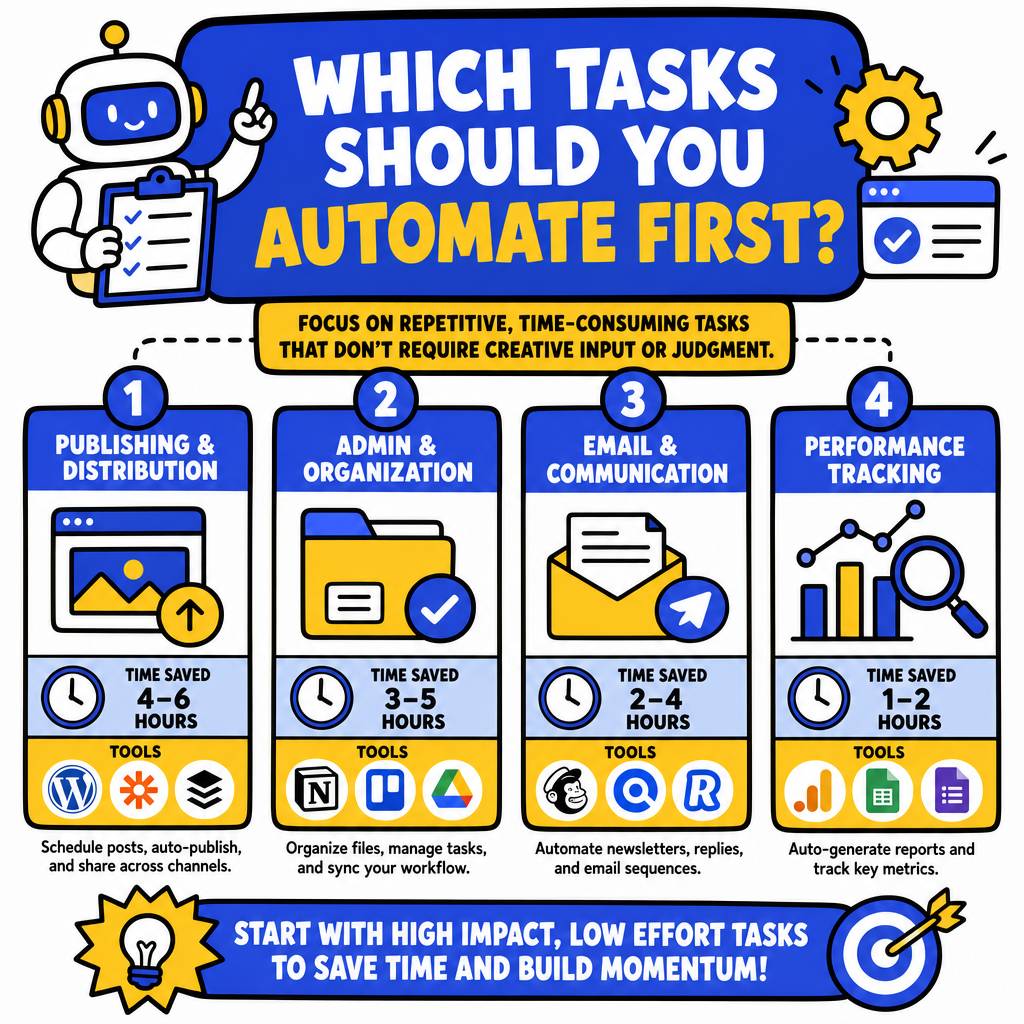
Not all blogging tasks are suitable for automation. Focus on repetitive, time-consuming activities that don't require creative input or personal judgment. Here's a prioritized list of automation opportunities:
| Task Category | Automation Priority | Time Saved Per Week | Tools Required |
|---|---|---|---|
| Social Media Posting | High | 3-5 hours | Buffer, Hootsuite |
| Email Newsletter | High | 2-4 hours | ConvertKit, Mailchimp |
| SEO Optimization | Medium | 1-3 hours | SEMrush, Yoast |
| Analytics Reporting | Medium | 1-2 hours | Google Analytics, Zapier |
| Image Optimization | Low | 1-2 hours | TinyPNG, Canva |
Automating Your Social Media Distribution
Social media automation requires careful balance between efficiency and authenticity. Set up automated posting schedules for your evergreen content, but reserve real-time engagement and trending topics for manual handling.
Configure your automation tools to share new blog posts across all relevant platforms with customized messaging for each audience. Content optimization tools can help ensure your automated posts maintain high engagement rates across different platforms.
How to Implement Email Marketing Automation
Email marketing automation transforms one-time readers into loyal subscribers. Create automated email sequences that nurture new subscribers, promote your latest content, and re-engage inactive readers.
Design welcome sequences that automatically send when someone joins your mailing list. Include your best content, personal story, and clear value propositions. Set up triggers based on subscriber behavior, such as downloading a lead magnet or clicking specific links.
Automate your newsletter distribution by connecting your blog's RSS feed to your email platform. This ensures subscribers receive notifications about new posts without manual intervention. However, always review automated emails before they send to maintain quality control.
Setting Up Behavioral Triggers
Advanced email automation responds to subscriber actions. Create automated sequences for different subscriber segments based on their interests, engagement levels, or purchase history. For example, subscribers who frequently read SEO content might receive automated emails about your latest SEO strategy services.
What About Content Creation Automation?
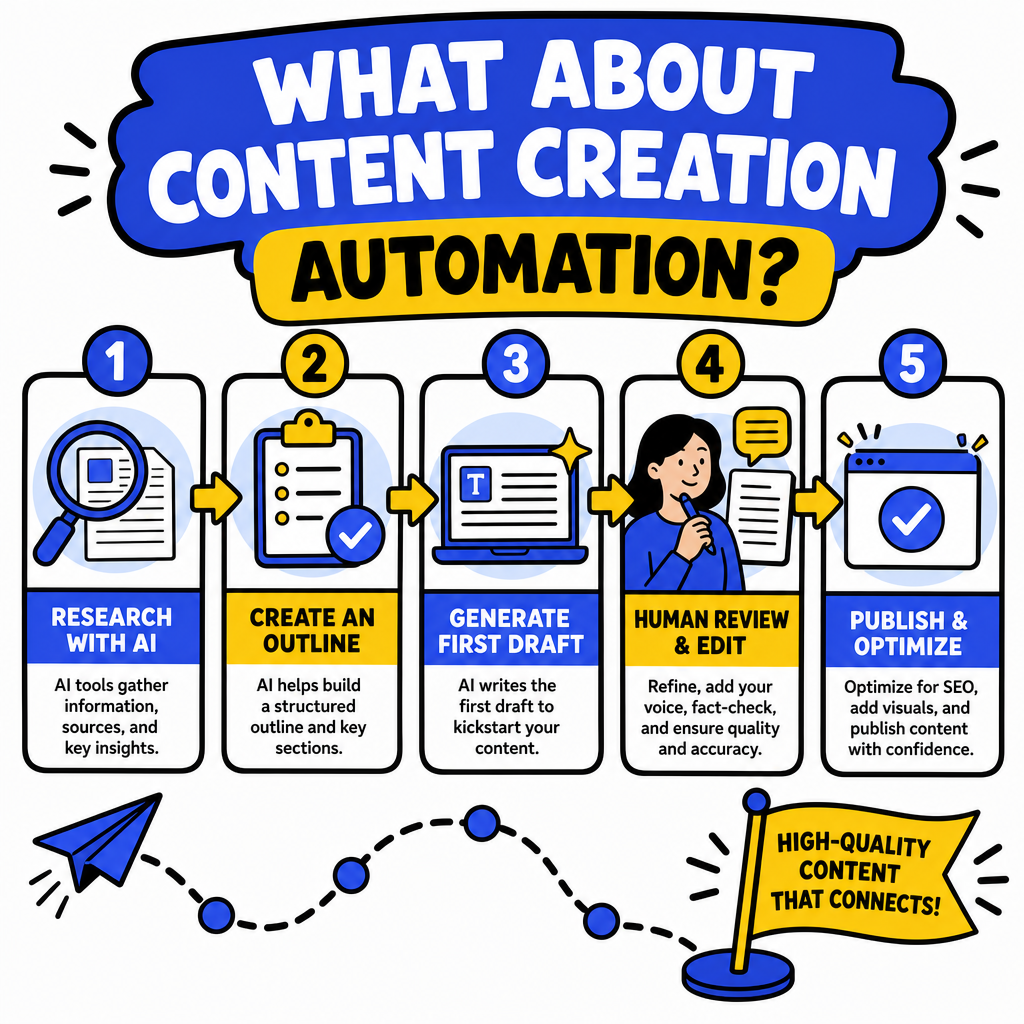
Content creation automation focuses on supporting your writing process rather than replacing your creativity. AI blog writers can help with research, outline creation, and first drafts, but human oversight remains crucial for maintaining your unique voice and ensuring accuracy.
Implement automation for content research by setting up Google Alerts, social media monitoring, and competitor tracking. These tools automatically deliver relevant information to help inspire and inform your content creation process.
Use grammar and style checking tools that integrate with your writing platform. Tools like Grammarly or Hemingway Editor can automatically flag issues as you write, streamlining the editing process.
Automating SEO Optimization
SEO automation helps ensure every piece of content follows best practices without manual checklist reviews. Install SEO plugins that automatically generate meta descriptions, optimize images, and suggest internal linking opportunities.
Set up automated keyword research alerts to identify trending topics in your niche. Tools like SEMrush can automatically notify you when new keyword opportunities arise or when your rankings change significantly.
How to Maintain Quality While Automating
The biggest risk in blogger automation is losing the personal touch that connects with your audience. Establish quality control checkpoints throughout your automated processes to ensure consistency with your brand voice and values.
Create approval workflows for automated content before it goes live. Even automated social media posts should go through a brief review process to ensure they're appropriate and timely. Set up monitoring systems that alert you to any automation failures or unusual activity.
Schedule regular audits of your automated systems. Review analytics to ensure automated content performs as well as manually created content. Adjust automation rules based on performance data and audience feedback.
Building Flexibility Into Your Systems
Design automation systems that can adapt to changing circumstances. Include manual override options for breaking news, special announcements, or time-sensitive content. Your automation should support your blogging goals, not restrict your ability to respond to opportunities.
What Metrics Should You Track?
Measuring the success of your blogger automation requires tracking both efficiency gains and content performance. Monitor time saved through automation, but also ensure that automated content maintains engagement rates comparable to manual content.
Track key performance indicators including publishing consistency, social media engagement rates, email open rates, and overall blog traffic. Compare these metrics before and after implementing automation to quantify the impact on your blog's success.
Set up automated reporting dashboards that compile data from all your platforms. This provides a comprehensive view of your blog's performance without manual data collection from multiple sources.
Conclusion
Blogger automation in 2026 offers unprecedented opportunities to scale your content creation while maintaining quality and personal connection with your audience. By strategically implementing automation for repetitive tasks like social media posting, email marketing, and SEO optimization, you can focus more time on creating valuable content that resonates with readers.
Remember that successful automation enhances rather than replaces human creativity and judgment. Start with high-impact areas like social media and email marketing, then gradually expand your automation as you become comfortable with the tools and processes.
Ready to transform your blogging workflow? Begin by choosing one automation area from this guide and implementing it over the next week. Your future self will thank you for the time saved and the consistent professional presence you'll maintain across all platforms.

Stefan Winter
Founder & SEO Expert
Founder of Fast SEO Fix and SEO automation expert. Stefan built Fast SEO Fix to solve the tedious problem of manual SEO work. He specializes in SEO optimized content generation, keyword research, and automated SEO strategies.
