What Makes Semrush SEO Tools Essential for Modern Digital Marketing?
Posted by
 Stefan Winter
How to Master Semrush SEO Tools for Maximum Website Growth in 2026
Struggling to unlock the full potential of Semrush for your SEO strategy? You're not alone. While Semrush offers an impressive suite of SEO tools, many users barely scratch the surface of what's possible. This comprehensive guide will walk you through the essential Semrush SEO tools and show you exactly how to leverage them for measurable results. Whether you're a beginner or looking to optimize your current workflow, you'll discover actionable strategies that can transform your search engine performance.
What Makes Semrush SEO Tools Essential for Modern Digital Marketing?
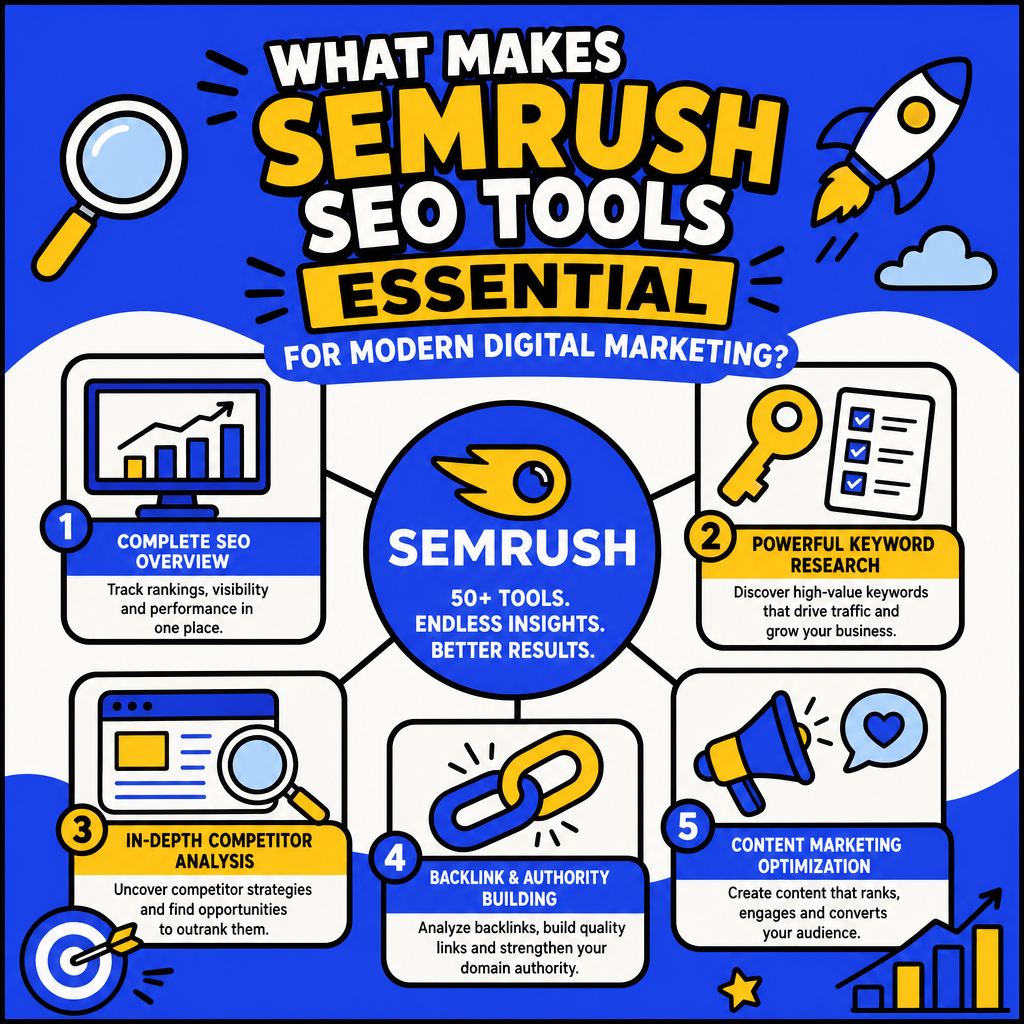
Semrush has evolved into one of the most comprehensive SEO platforms available, offering over 50 tools designed to tackle every aspect of search engine optimization. What sets Semrush apart isn't just the breadth of features, but the depth of data and actionable insights each tool provides.
The platform's strength lies in its ability to combine competitive intelligence with technical SEO analysis, keyword research, and content optimization. Unlike standalone tools that focus on single aspects of SEO, Semrush creates a unified ecosystem where data flows seamlessly between different functions. This integration allows you to make informed decisions based on comprehensive market analysis rather than isolated metrics.
For businesses serious about SEO in 2026, Semrush provides the competitive edge needed to outrank established players. The platform's database contains information on over 20 billion keywords and 808 million domains, giving you unprecedented visibility into market opportunities and competitor strategies.
How to Set Up Your Semrush Dashboard for Maximum Efficiency?
Your Semrush dashboard serves as mission control for all SEO activities. The key to maximizing efficiency lies in customizing this dashboard to reflect your specific goals and priorities. Start by connecting your Google Analytics, Google Search Console, and Google Ads accounts to create a comprehensive data hub.
Begin with the Projects section, where you'll establish tracking for your primary domains. Set up Position Tracking for your target keywords, ensuring you monitor both branded and non-branded terms. Configure the tool to track your top competitors simultaneously, creating a benchmark for performance comparison.
The My Reports feature allows you to automate data collection and create custom reports tailored to your stakeholders' needs. Set up weekly or monthly reports that combine organic traffic data, keyword rankings, and competitor movements. This automation saves hours of manual reporting while ensuring consistent monitoring of critical metrics.
Customizing Your Workspace for Different SEO Functions
Create separate workspaces within Semrush for different aspects of your SEO strategy. Establish dedicated areas for keyword research, technical audits, content planning, and competitor analysis. This organization prevents data overlap and allows team members to focus on their specific responsibilities without distraction.
Configure alerts for significant ranking changes, new competitor content, or technical issues discovered during site audits. These proactive notifications enable rapid response to both opportunities and threats in your SEO landscape.
Which Semrush Keyword Research Tools Deliver the Best Results?
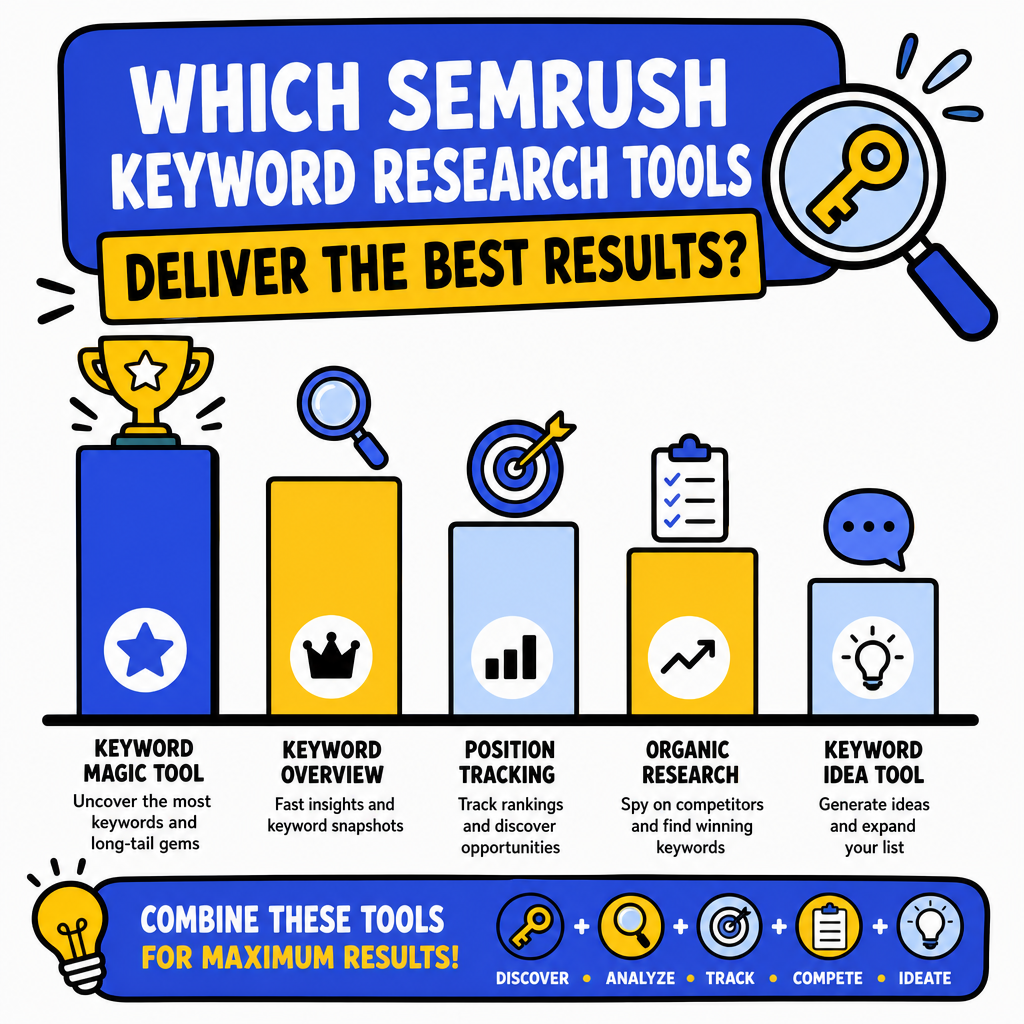
The Keyword Magic Tool stands as Semrush's flagship keyword research feature, offering access to the platform's extensive keyword database. This tool excels at uncovering long-tail opportunities that competitors often overlook. Start by entering your seed keyword and exploring the various match types and filters available.
Use the clustering feature to group related keywords by search intent, making it easier to plan content that targets multiple related terms. The keyword difficulty metric, combined with search volume data, helps prioritize opportunities based on your domain's current authority level. Focus on keywords with moderate difficulty scores that align with your content creation capabilities.
The Organic Research tool provides invaluable insights into your competitors' keyword strategies. Analyze which terms drive the most traffic to competing sites and identify gaps in your own keyword targeting. This competitive intelligence often reveals high-value opportunities that traditional keyword research methods miss.
| Tool Name | Primary Function | Best Use Case | Key Metric |
|---|---|---|---|
| Keyword Magic Tool | Keyword discovery | Finding new opportunities | Search volume + difficulty |
| Organic Research | Competitor analysis | Gap identification | Competitor traffic share |
| Keyword Gap | Comparative analysis | Strategic planning | Missing keyword count |
| Position Tracking | Rank monitoring | Performance measurement | Ranking position changes |
Advanced Keyword Filtering Techniques
Master the advanced filtering options within Semrush keyword tools to uncover highly specific opportunities. Use the "Questions" filter to find FAQ-style content opportunities that align with voice search trends. The "Broad Match" and "Related Keywords" filters help expand your keyword universe beyond obvious variations.
Combine multiple filters to create highly targeted keyword lists. For example, filter for keywords with search volumes between 1,000-10,000, difficulty scores under 60, and specific word counts to find the sweet spot for your content strategy.
How to Conduct Comprehensive Site Audits Using Semrush Tools?
The Site Audit tool provides a thorough technical SEO analysis that identifies issues preventing optimal search performance. Configure your audit to crawl your entire site or focus on specific sections based on your priorities. The tool categorizes issues by severity, helping you prioritize fixes that will have the greatest impact.
Pay special attention to Core Web Vitals metrics, as these directly impact Google's ranking algorithm. The audit identifies specific pages with loading speed issues, layout shift problems, and interactivity delays. Use the detailed recommendations to guide your technical optimization efforts.
The Internal Linking tool within Site Audit reveals opportunities to strengthen your site's link architecture. Identify orphaned pages, optimize anchor text distribution, and discover opportunities to pass authority to important pages through strategic internal linking.
Interpreting and Acting on Audit Results
Transform audit data into actionable improvement plans by categorizing issues into quick wins and long-term projects. Address critical errors first, particularly those affecting crawlability and indexing. Create a systematic approach to resolving warnings and notices based on their potential SEO impact.
Monitor your Site Health score over time to track improvement progress. Regular audits help maintain optimal site performance and catch new issues before they impact rankings. This proactive approach to technical SEO prevents small problems from becoming major obstacles.
What Are the Most Effective Semrush Content Optimization Strategies?
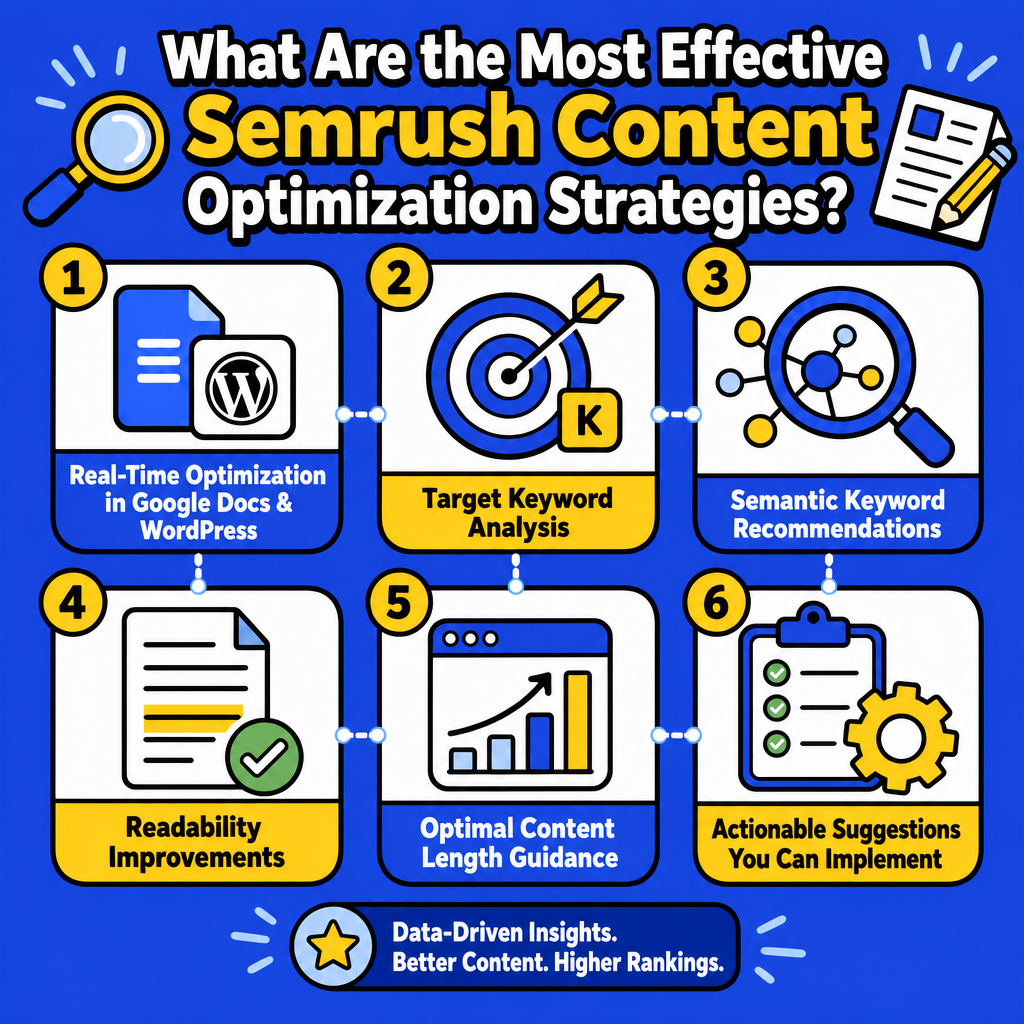
The SEO Writing Assistant integrates directly with Google Docs and WordPress, providing real-time optimization suggestions as you create content. This tool analyzes your target keywords and provides recommendations for semantic keywords, readability improvements, and optimal content length based on top-ranking competitors.
Content Audit functionality helps evaluate your existing content's performance and identify optimization opportunities. The tool analyzes factors like social shares, backlinks, and organic traffic to determine which pieces deserve additional promotion or updating. This data-driven approach to content optimization ensures your efforts focus on content with the highest potential return.
Topic Research provides content ideas based on trending discussions and frequently asked questions in your industry. Use this tool to identify content gaps that your competitors haven't addressed, creating opportunities to capture new organic traffic through unique, valuable content.
Building Content Clusters with Semrush Data
Leverage keyword clustering data to build comprehensive content hubs around core topics. Identify pillar content opportunities that can support multiple related articles, creating a strong topical authority signal for search engines. This strategic approach to SEO writing helps establish your site as a definitive resource in your niche.
Use the Content Gap tool to identify topics where competitors rank but you don't. This analysis reveals specific content opportunities that can help you capture market share in your industry's most valuable search queries.
How to Track Competitor Performance and Identify Opportunities?
The Domain Overview tool provides a comprehensive snapshot of any competitor's SEO performance, including organic traffic trends, top-performing keywords, and backlink profiles. Regular monitoring of key competitors helps you stay ahead of their strategic moves and capitalize on their weaknesses.
Organic Research reveals the specific keywords driving traffic to competitor sites, along with their ranking positions and estimated traffic values. This intelligence helps you understand which terms generate the most value in your industry and prioritize your own optimization efforts accordingly.
The Advertising Research tool shows competitors' paid search strategies, including ad copy variations and keyword bids. Even if you're focused on organic SEO, this data provides insights into which terms competitors consider most valuable for conversions.
Setting Up Competitive Intelligence Workflows
Create systematic competitor monitoring processes using Semrush's alert features. Set up notifications for new competitor content, significant ranking changes, and backlink acquisitions. This proactive monitoring ensures you never miss important competitive developments.
According to Search Engine Land's latest research, businesses that actively monitor competitor SEO strategies are 40% more likely to identify new growth opportunities. Use Semrush's comparative analysis tools to benchmark your performance against industry leaders and identify specific areas for improvement.
What Advanced Semrush Features Can Accelerate Your SEO Success?
The Backlink Analytics tool provides detailed insights into your link profile and identifies opportunities for link building. Analyze the anchor text distribution, referring domain quality, and link acquisition patterns to ensure a natural, diverse backlink profile.
Brand Monitoring helps track mentions of your brand across the web, even when they don't include links. This feature is crucial for reputation management and identifying opportunities to convert brand mentions into valuable backlinks.
The Market Explorer tool analyzes your entire competitive landscape, identifying both direct and indirect competitors you might not have considered. This broader market view helps uncover new keyword opportunities and content strategies that less obvious competitors are successfully implementing.
Integrating Semrush with Your Existing SEO Stack
Maximize the value of Semrush by integrating it with your existing SEO automation software and content management tools. Use the API to pull Semrush data into custom dashboards or combine it with other analytics platforms for more comprehensive reporting.
Connect Semrush data with your content management workflow to ensure every piece of content is optimized based on current keyword research and competitive analysis. This integration streamlines the content creation process while maintaining high SEO standards.
Conclusion
Mastering Semrush SEO tools requires more than just understanding individual features. Success comes from integrating these tools into a cohesive SEO strategy that leverages competitive intelligence, technical optimization, and content excellence. The key is to start with clear goals, systematically implement the tools that align with your priorities, and continuously refine your approach based on performance data.
Remember that Semrush is most powerful when used as part of a comprehensive SEO strategy rather than a collection of isolated tools. Begin with the fundamentals of keyword research and site auditing, then gradually incorporate more advanced features as your expertise grows.
Ready to transform your SEO performance? Start by implementing the keyword research strategies outlined in this guide, and watch as your organic traffic begins to grow. The data and insights are at your fingertips – now it's time to put them to work.

Stefan Winter
Founder & SEO Expert
Founder of Fast SEO Fix and SEO automation expert. Stefan built Fast SEO Fix to solve the tedious problem of manual SEO work. He specializes in SEO optimized content generation, keyword research, and automated SEO strategies.
