What Is Affiliate Marketing and Why Does It Work?
Posted by
 Stefan Winter
How to Build a Profitable Affiliate Marketing Strategy That Drives Real Results
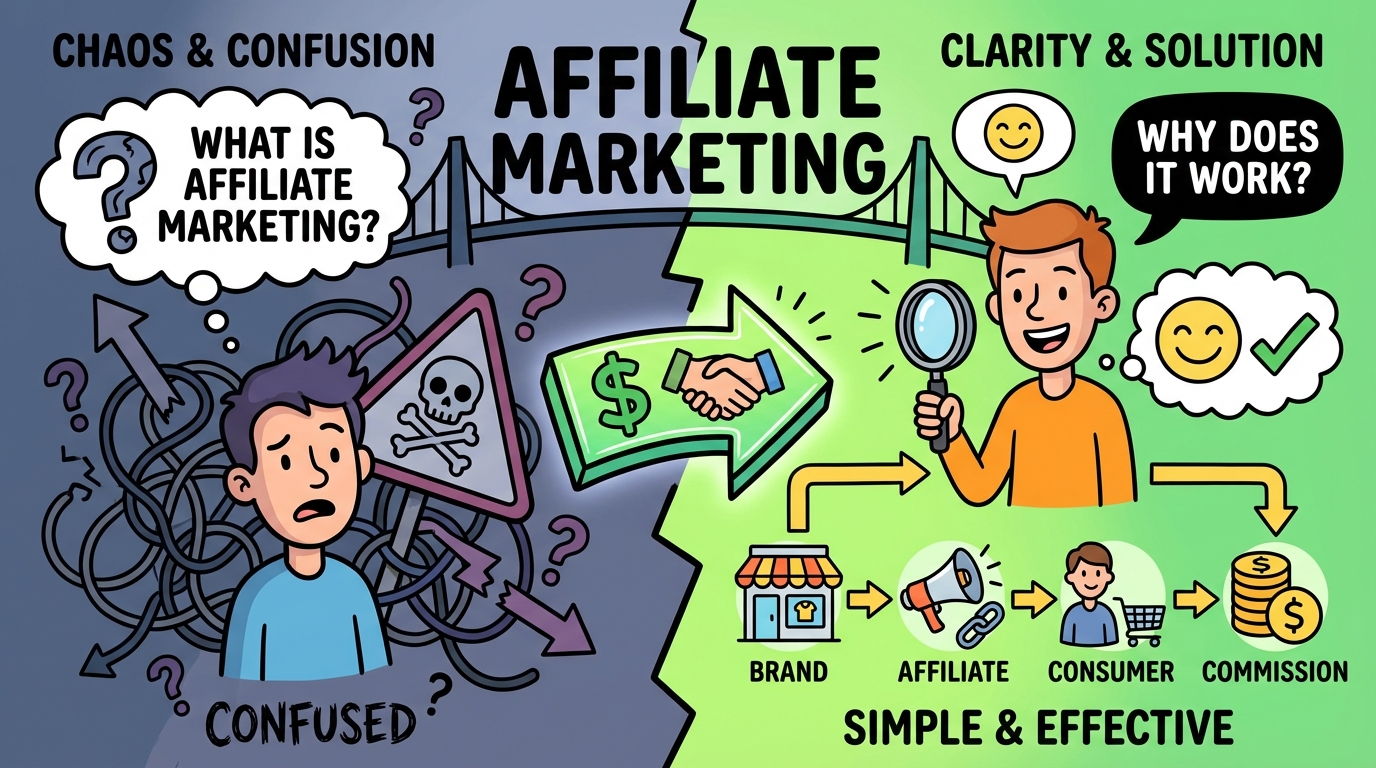
Affiliate marketing represents one of the most accessible paths to generating passive income online, yet most beginners struggle to see meaningful results. The difference between successful affiliate marketers and those who fail isn't luck or timing, it's having a systematic approach that prioritizes audience value over quick commissions. In this comprehensive guide, you'll discover how to build an affiliate marketing strategy that not only generates revenue but creates sustainable, long-term growth for your business.
What Is Affiliate Marketing and Why Does It Work?
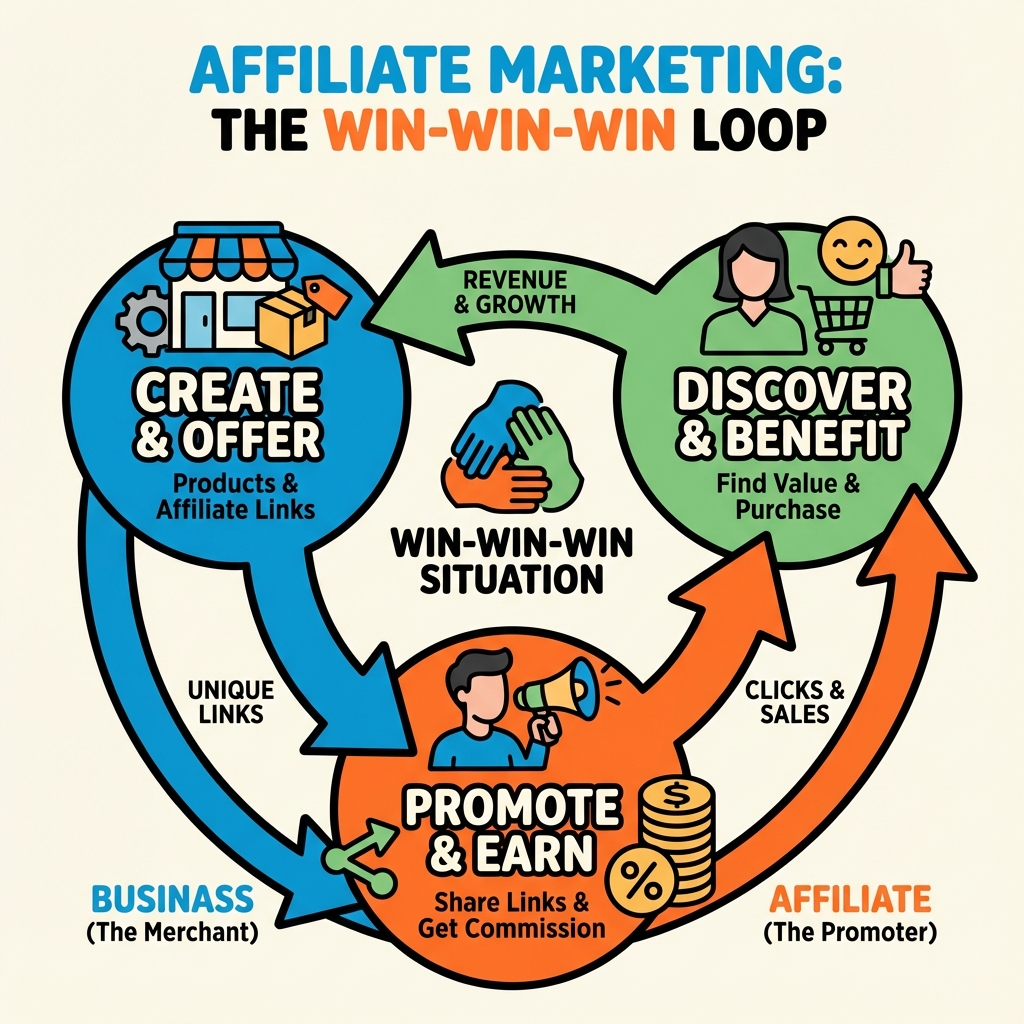
Affiliate marketing is a performance-based business model where you earn commissions by promoting other companies' products or services. When someone purchases through your unique affiliate link, you receive a percentage of the sale. This model works because it creates a win-win-win situation: businesses get new customers, customers discover valuable products, and you earn income for facilitating the connection.
The global affiliate marketing industry is projected to reach $15.7 billion by 2024, according to Statista's affiliate marketing research. This growth demonstrates the model's effectiveness and sustainability when executed properly.
What makes affiliate marketing particularly attractive is its low barrier to entry. You don't need to create products, handle customer service, or manage inventory. However, success requires strategic thinking and consistent execution.
How Do You Choose the Right Affiliate Programs?
Selecting the right affiliate programs forms the foundation of your success. Start by evaluating programs based on commission structure, product quality, and brand reputation. High-ticket items often provide better earnings per sale, but they typically require more trust-building with your audience.
Research the company's payment terms, cookie duration, and support quality. Cookie duration determines how long you'll receive credit for a referral, with 30-60 days being standard for most programs. Some programs offer lifetime commissions, which can be incredibly valuable for software or subscription services.
Consider the alignment between the products and your audience's needs. Promoting products that genuinely solve problems for your audience builds trust and increases conversion rates. This approach also supports your long-term reputation and relationship with your followers.
What Are the Best Affiliate Networks for Beginners?
| Network | Commission Range | Cookie Duration | Best For |
|---|---|---|---|
| Amazon Associates | 1-10% | 24 hours | Physical products, beginners |
| ShareASale | 5-50% | 30-90 days | Diverse merchants, reliable tracking |
| CJ Affiliate | 2-20% | 30-120 days | Established brands, higher volume |
| ClickBank | 10-75% | 60 days | Digital products, high commissions |
How to Create Content That Converts Visitors Into Buyers?
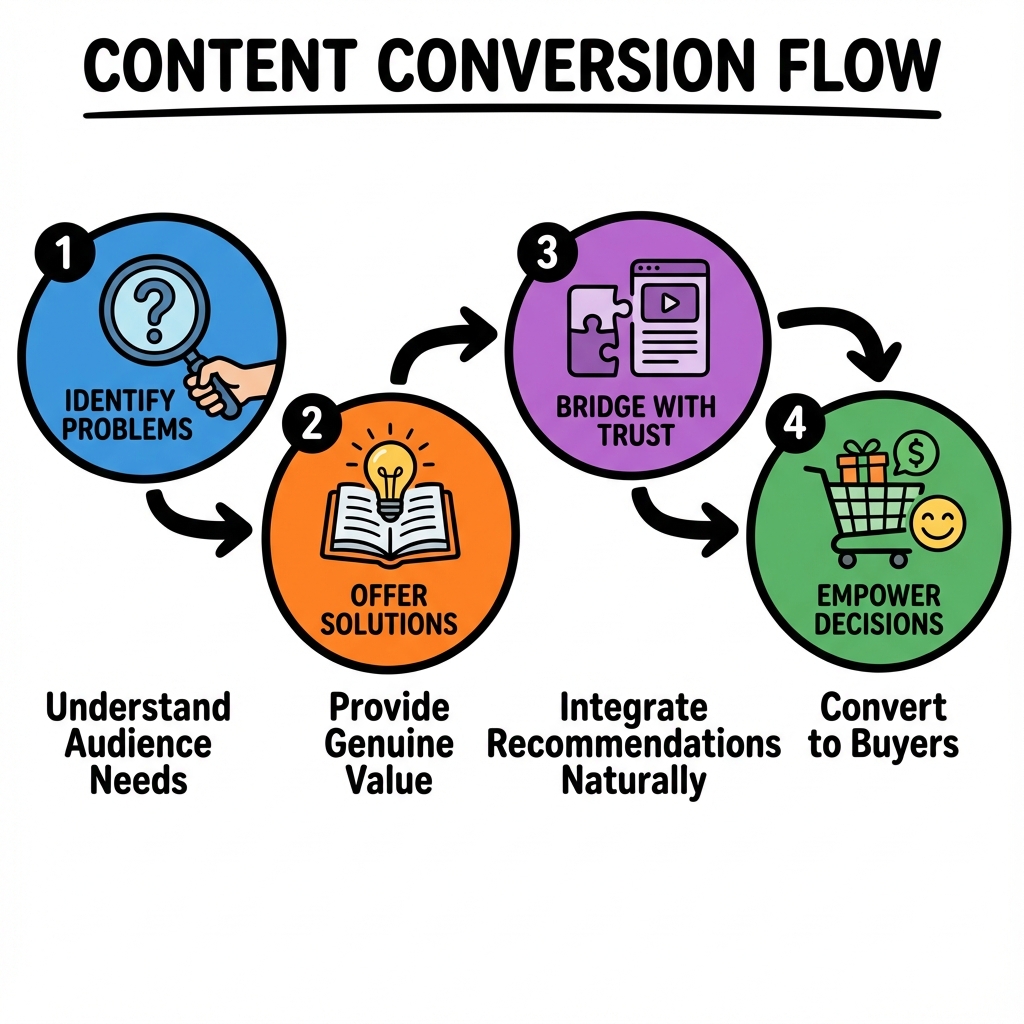
Content creation is where most affiliate marketers either succeed or fail. Your content must provide genuine value while naturally incorporating affiliate recommendations. Focus on solving problems rather than selling products. When you help people make informed decisions, sales become a natural byproduct.
Product reviews, comparison articles, and tutorial content tend to perform well because they address specific search intent. Someone searching for "best email marketing software" is further along in the buying process than someone searching for "what is email marketing." Creating content strategically around buyer intent keywords increases your conversion potential.
Transparency builds trust, which directly impacts your conversion rates. Always disclose your affiliate relationships clearly and honestly. This disclosure isn't just legally required in most jurisdictions, it actually increases credibility with your audience when done properly.
What Content Formats Work Best for Affiliate Marketing?
Different content formats serve different purposes in your affiliate marketing strategy:
- Product reviews: Detailed analysis of individual products with pros, cons, and use cases
- Comparison posts: Side-by-side evaluations of competing products or services
- Tutorial content: Step-by-step guides that incorporate relevant tools or products
- Resource lists: Curated collections of tools, books, or services for specific needs
- Case studies: Real results using the products you're promoting
How Do You Drive Targeted Traffic to Your Affiliate Content?
Traffic generation requires a multi-channel approach for sustainable results. Organic search traffic often converts best because visitors are actively seeking solutions. Growing organic traffic through SEO takes time but provides compound returns over months and years.
Email marketing remains one of the highest-converting channels for affiliate promotions. Build an email list by offering valuable lead magnets related to your niche. This approach allows you to nurture relationships and make multiple offers over time rather than relying on single-visit conversions.
Social media platforms provide opportunities for both organic and paid traffic. Choose platforms where your target audience spends time rather than trying to maintain a presence everywhere. Quality engagement on two platforms outperforms mediocre content across five platforms.
How Can SEO Boost Your Affiliate Marketing Results?
Search engine optimization amplifies your affiliate marketing efforts by connecting you with people actively searching for solutions. When you master SEO fundamentals, your content can generate traffic and commissions for years after publication.
Focus on long-tail keywords that indicate buying intent. Terms like "best [product] for [specific use case]" or "[product] vs [competitor]" attract visitors closer to making purchase decisions. These keywords often have lower competition than broad terms, making them easier to rank for initially.
Proper content structure improves both user experience and search engine rankings. Use clear headings, bullet points, and logical flow to make your content scannable and valuable.How Do You Track and Optimize Your Affiliate Performance?
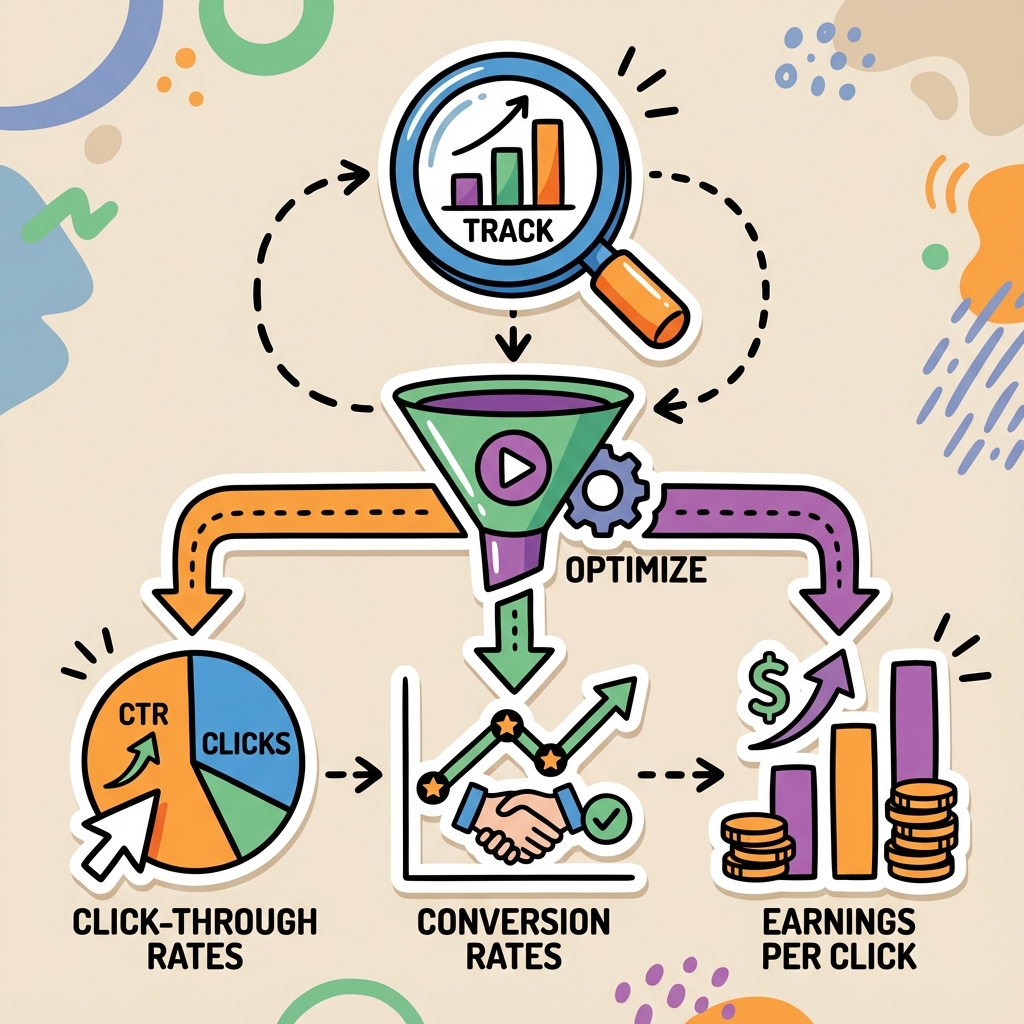
Successful affiliate marketing requires constant measurement and optimization. Track key metrics including click-through rates, conversion rates, and earnings per click. Most affiliate networks provide detailed analytics, but consider using additional tracking tools for deeper insights.
Google Analytics can reveal which content pieces drive the most affiliate clicks and conversions. Set up goal tracking to understand the customer journey from initial visit to purchase. This data helps you identify your most profitable content and replicate those successes.
A/B test different elements of your affiliate content including headlines, call-to-action placement, and product positioning. Small improvements in conversion rates compound significantly over time when applied across multiple pieces of content.
What Metrics Matter Most for Affiliate Success?
Focus on these key performance indicators to guide your optimization efforts:
- Conversion rate: Percentage of clicks that result in sales
- Earnings per click (EPC): Average commission earned per affiliate link click
- Click-through rate: Percentage of content visitors who click affiliate links
- Average order value: Typical purchase amount from your referrals
- Lifetime value: Total commissions earned per referred customer
How to Scale Your Affiliate Marketing Business?
Scaling requires systematizing your successful processes and expanding into complementary areas. Once you've identified your most profitable content types and traffic sources, create more content following those proven patterns. Determining which content ideas are worth pursuing becomes easier when you have performance data to guide decisions.
Consider expanding into related niches that serve similar audiences. If you're successful promoting marketing tools, you might expand into business productivity software or online course platforms. This approach leverages your existing expertise while opening new revenue streams.
Building a team becomes essential as you scale. Virtual assistants can handle content research, writers can create initial drafts, and editors can ensure quality. Focus your time on strategy, relationship building, and high-level optimization as your business grows.
Diversification protects your income from changes in individual affiliate programs or market conditions. Promote products from multiple companies and use various traffic sources to reduce dependency on any single revenue stream.
Conclusion
Building a profitable affiliate marketing strategy requires patience, consistency, and a genuine focus on providing value to your audience. Success comes from understanding your audience's needs, selecting aligned products, creating helpful content, and continuously optimizing based on performance data. The affiliate marketers who generate substantial income treat their efforts as a real business, not a quick money-making scheme.
Start by choosing one affiliate program in a niche you understand well. Create valuable content consistently, track your results, and scale what works while eliminating what doesn't. With dedication and the right approach, affiliate marketing can become a significant revenue stream that grows stronger over time.
Ready to accelerate your affiliate marketing success with better SEO and content strategy? Fast SEO Fix can help you build the organic traffic foundation that makes affiliate marketing profitable and sustainable.

Stefan Winter
Founder & SEO Expert
Founder of Fast SEO Fix and SEO automation expert. Stefan built Fast SEO Fix to solve the tedious problem of manual SEO work. He specializes in SEO optimized content generation, keyword research, and automated SEO strategies.
