What Does It Really Mean to Master SEO?
Posted by
 Stefan Winter
How to Master SEO: The Complete Step-by-Step Guide for Website Success
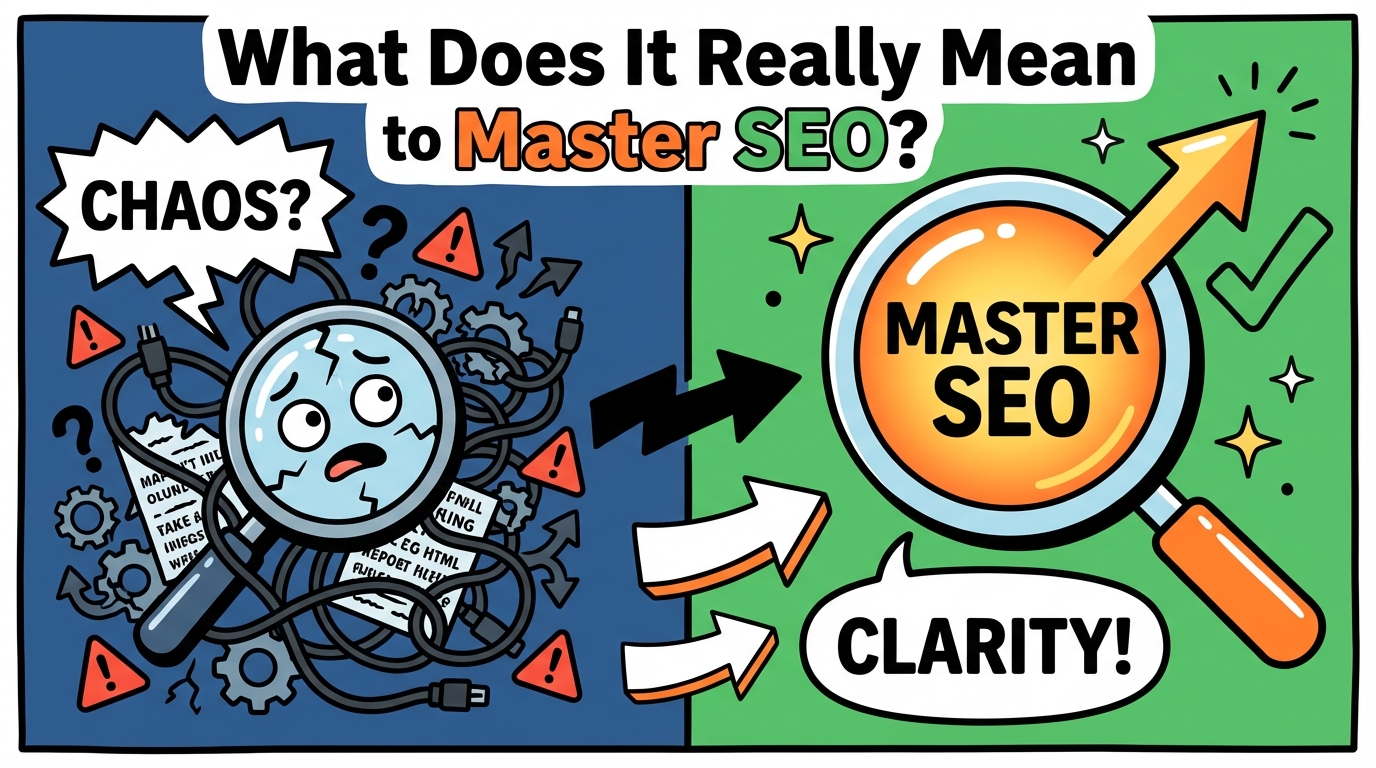
Mastering SEO isn't just about understanding algorithms or keyword density. It's about developing a comprehensive skill set that transforms your website into a traffic-generating powerhouse. Whether you're a business owner, marketing professional, or aspiring SEO specialist, learning to master SEO will dramatically impact your online visibility and revenue potential.
In this comprehensive guide, you'll discover the exact steps to develop true SEO mastery, from foundational concepts to advanced strategies that separate professionals from amateurs. By the end, you'll have a clear roadmap to become an SEO expert who can drive consistent organic growth.
What Does It Really Mean to Master SEO?
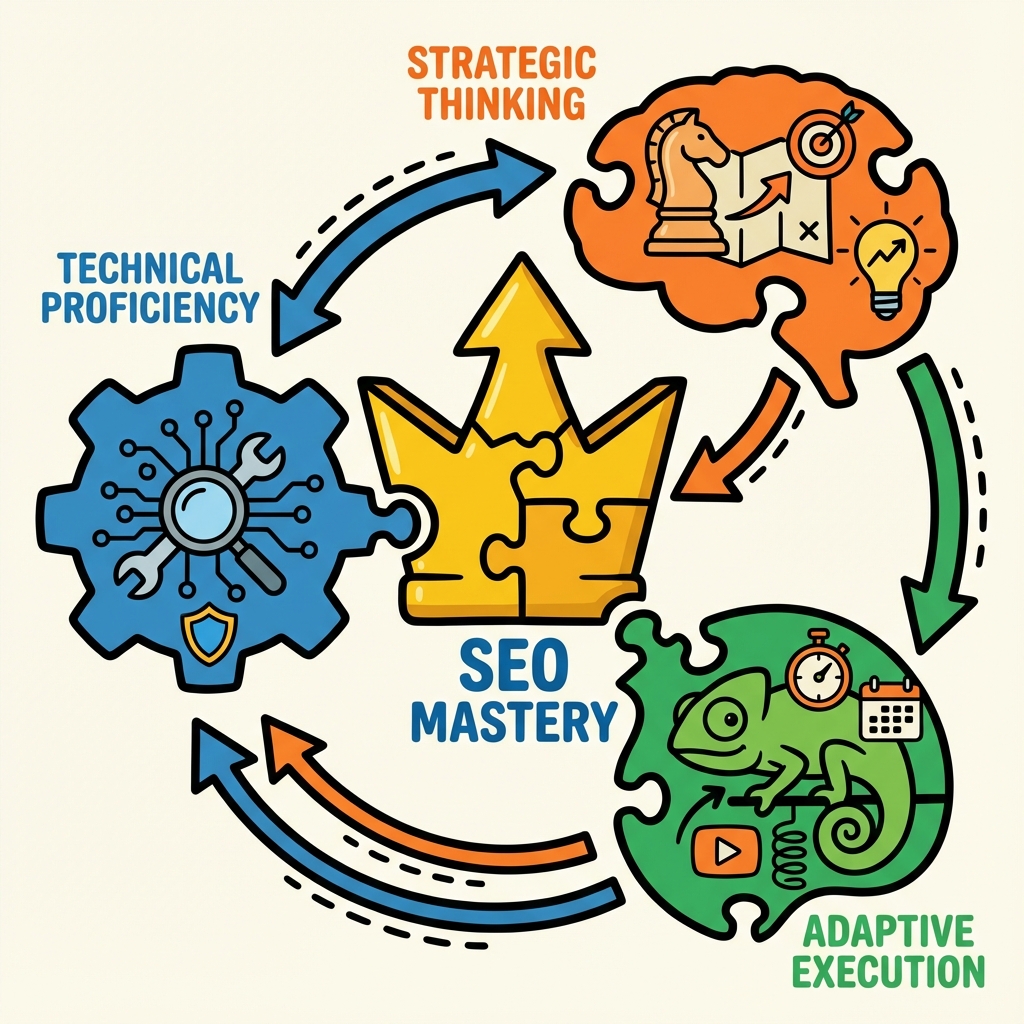
To master SEO means developing expertise across three critical dimensions: technical proficiency, strategic thinking, and adaptive execution. Unlike basic SEO knowledge, mastery requires understanding how search engines evaluate websites, how user behavior influences rankings, and how to create sustainable optimization strategies.
SEO mastery goes beyond following checklists or implementing quick fixes. It involves understanding the interconnected nature of content quality, technical performance, user experience, and authority building. According to Google's Search Quality Evaluator Guidelines, search engines prioritize websites that demonstrate expertise, authoritativeness, and trustworthiness across all these areas.
True SEO masters can diagnose complex ranking issues, predict algorithm changes, and build long-term strategies that withstand market fluctuations. They understand that SEO success comes from aligning technical optimization with genuine value creation for users.
Step 1: Build Your SEO Foundation Knowledge
Master the Core SEO Pillars
Start by developing deep expertise in the four fundamental pillars of SEO: technical optimization, content strategy, on-page optimization, and off-page authority building. Each pillar requires specific skills and tools, but they work synergistically to create ranking success.
Technical SEO mastery involves understanding website architecture, crawlability, indexing, page speed optimization, mobile responsiveness, and structured data implementation. You'll need to become proficient with tools like Google Search Console, Screaming Frog, and various page speed testing platforms.
Content strategy mastery requires understanding search intent, keyword research beyond basic volume metrics, content gap analysis, and editorial calendar development. This connects directly with creating content strategically, which forms the backbone of sustainable SEO success.
Understand Search Engine Behavior
| SEO Mastery Area | Key Skills Required | Time to Proficiency |
|---|---|---|
| Technical SEO | Site auditing, speed optimization, crawl analysis | 3-6 months |
| Content Strategy | Keyword research, intent mapping, content planning | 2-4 months |
| Link Building | Outreach, relationship building, asset creation | 6-12 months |
| Analytics & Reporting | Data analysis, ROI measurement, trend identification | 2-3 months |
Step 2: Develop Advanced Keyword Research Skills
How Do You Research Keywords Like an SEO Master?
Advanced keyword research goes far beyond using basic keyword tools. Master-level keyword research involves understanding search intent psychology, competitive landscape analysis, and identifying content opportunities that others miss.
Start by developing expertise with professional tools like Ahrefs, SEMrush, or Moz Pro. Learn to analyze keyword difficulty not just from tool metrics, but by manually evaluating search results to understand what Google rewards for specific queries. This skill separates SEO masters from beginners who rely solely on automated recommendations.
Focus on developing your ability to identify semantic keyword clusters, long-tail opportunities, and emerging search trends. Master SEO practitioners can spot keyword opportunities in competitor gaps, seasonal trends, and evolving user behavior patterns.
Create Comprehensive Keyword Strategies
Build keyword strategies that align with business objectives and user journey stages. This means understanding how to map keywords to sales funnel stages, create topic clusters that support pillar content, and identify content ideas worth pursuing based on search volume, competition, and business value.
Advanced keyword research also involves understanding local SEO opportunities, voice search optimization, and mobile search behavior differences. These nuances become critical as you develop true SEO mastery.
Step 3: Master Technical SEO Implementation
How Can You Optimize Technical Performance?
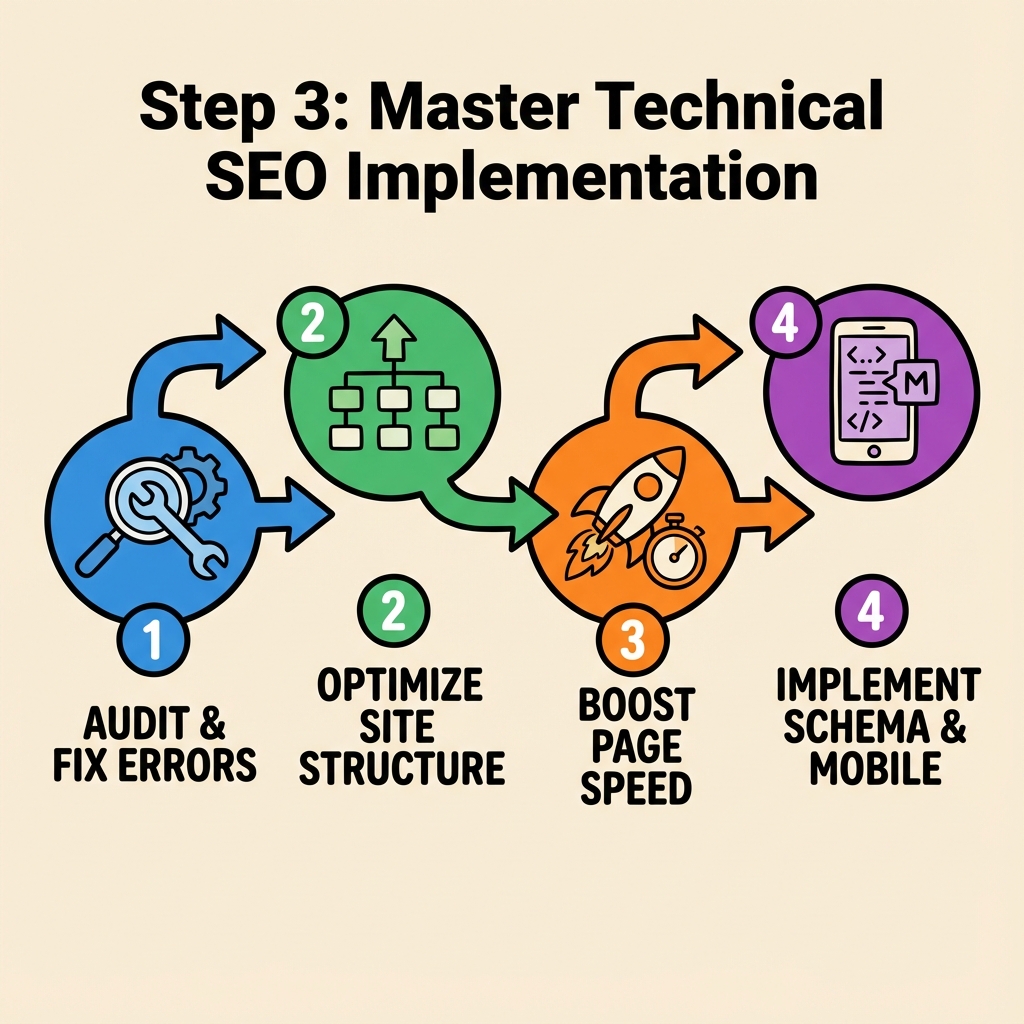
Technical SEO mastery requires hands-on experience with website optimization, server configuration, and performance monitoring. Start by learning to conduct comprehensive technical audits that identify crawl errors, indexing issues, duplicate content problems, and site speed bottlenecks.
Develop proficiency in implementing structured data markup, optimizing XML sitemaps, managing robots.txt files, and configuring proper URL structures. These technical elements directly impact how search engines understand and rank your content.
Master the art of page speed optimization, including image compression, code minification, caching strategies, and Content Delivery Network (CDN) implementation. According to Google's Core Web Vitals, page experience signals significantly impact search rankings.
Implement Advanced Technical Strategies
Advanced technical SEO involves understanding JavaScript SEO, managing large-scale website migrations, implementing hreflang for international SEO, and optimizing for featured snippets and rich results. These skills distinguish SEO masters from practitioners with basic technical knowledge.
Learn to use advanced features in Google Search Console, set up proper analytics tracking, and create automated monitoring systems that alert you to technical issues before they impact rankings.
Step 4: Create Content That Dominates Search Results
What Makes Content Rank at the Master Level?
Content mastery in SEO involves understanding the relationship between user intent, content depth, and search engine evaluation criteria. Master-level content creators can analyze top-ranking pages and identify exactly why they succeed, then create superior alternatives.
This connects with understanding what growing organic really means, as sustainable content strategies focus on long-term value creation rather than quick ranking wins.
Develop skills in content gap analysis, competitive content research, and creating comprehensive resources that become industry references. Master SEO practitioners understand how to balance keyword optimization with natural, engaging writing that genuinely serves user needs.
Build Content Systems That Scale
Create content production systems that maintain quality while scaling output. This includes developing editorial guidelines, content templates, and quality assurance processes that ensure every piece of content meets SEO best practices while providing genuine value.
Learn to optimize content for different search features, including featured snippets, People Also Ask boxes, and image search results. These optimization techniques require understanding how search engines extract and display information from your content.
Step 5: Develop Link Building Mastery
How Do SEO Masters Approach Link Building?
Link building mastery involves understanding the relationship between content quality, relationship building, and earning authoritative backlinks. Master-level link builders focus on creating linkable assets and building genuine relationships within their industry.
Develop skills in identifying high-quality link opportunities, crafting compelling outreach messages, and creating content that naturally attracts links. This includes understanding different link building strategies like resource page outreach, broken link building, and digital PR campaigns.
Advanced link building also involves understanding link quality evaluation, disavowing harmful links, and building diverse link profiles that appear natural to search engines.
Step 6: Master SEO Analytics and Performance Measurement
What Metrics Do SEO Masters Track?
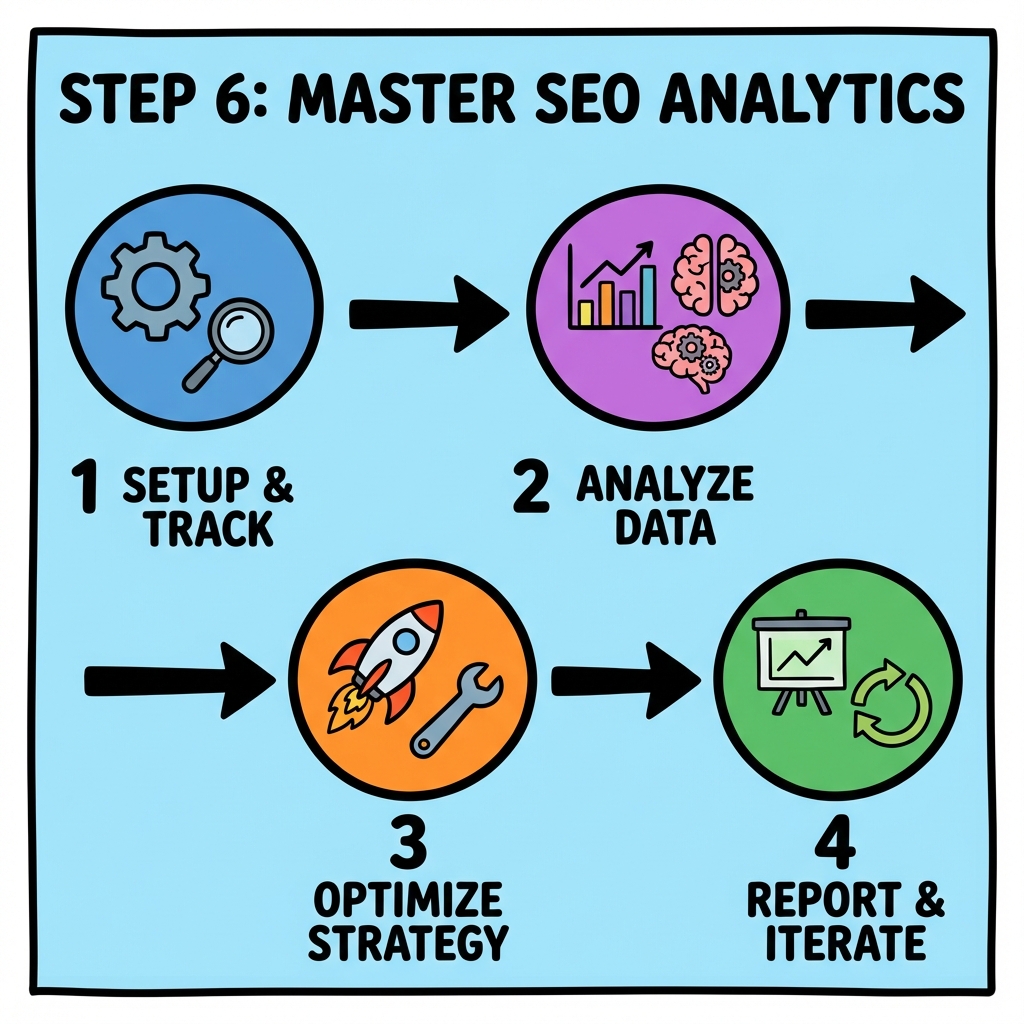
SEO mastery requires developing expertise in analytics interpretation, performance measurement, and ROI calculation. Learn to use Google Analytics 4, Google Search Console, and specialized SEO tools to track meaningful metrics beyond basic traffic numbers.
Focus on understanding organic traffic quality, conversion rate optimization, and the relationship between SEO performance and business objectives. Master SEO practitioners can demonstrate clear connections between optimization efforts and revenue impact.
Develop skills in creating comprehensive SEO reports, identifying performance trends, and making data-driven optimization decisions. This analytical approach separates SEO masters from practitioners who rely on guesswork or vanity metrics.
Step 7: Stay Current with SEO Evolution
How Do You Maintain SEO Mastery Long-Term?
SEO mastery is an ongoing process that requires continuous learning and adaptation. Develop systems for staying current with algorithm updates, industry best practices, and emerging optimization opportunities.
This includes following authoritative SEO resources, participating in professional communities, and regularly testing new strategies on your own projects. Consider exploring automated SEO differences to understand how technology is evolving the field.
Build relationships with other SEO professionals, attend industry conferences, and maintain a testing mindset that allows you to validate new strategies before implementing them at scale.
Conclusion
Mastering SEO requires dedication, continuous learning, and practical application across multiple disciplines. By following this step-by-step guide, you'll develop the comprehensive skill set needed to drive consistent organic growth and establish yourself as an SEO expert.
Remember that SEO mastery isn't achieved overnight. Focus on building strong foundational knowledge, then progressively develop advanced skills in technical optimization, content strategy, and performance analysis. The investment in developing true SEO expertise will pay dividends throughout your career and significantly impact your website's success.
Ready to accelerate your SEO mastery journey? Start implementing these strategies today and track your progress using the metrics and techniques outlined in this guide. Your path to SEO expertise begins with taking the first step.

Stefan Winter
Founder & SEO Expert
Founder of Fast SEO Fix and SEO automation expert. Stefan built Fast SEO Fix to solve the tedious problem of manual SEO work. He specializes in SEO optimized content generation, keyword research, and automated SEO strategies.
