What Is a Backlink Directory and Why Do You Need One?
Posted by
 Stefan Winter
How to Build and Use a Backlink Directory for Maximum SEO Impact
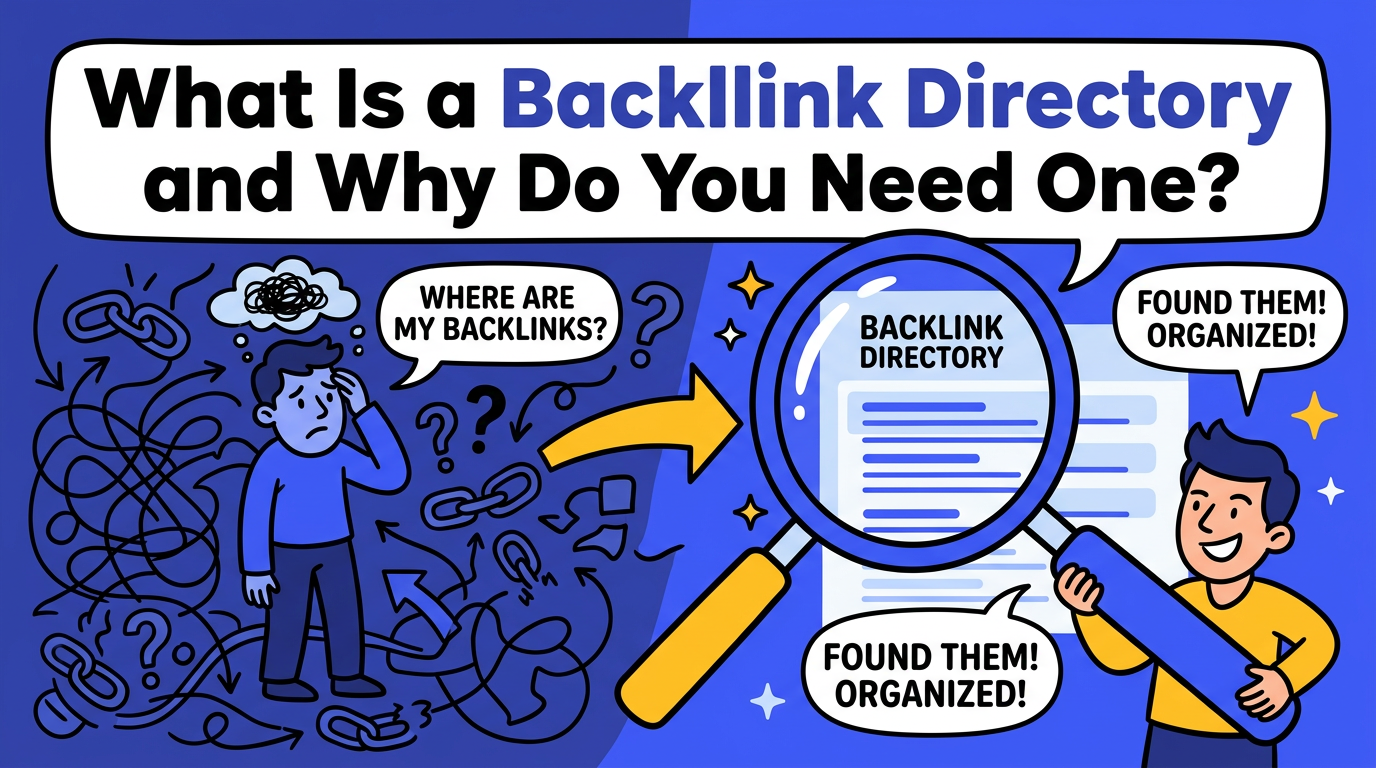
Building a comprehensive backlink directory can transform your SEO strategy from scattered link-building attempts into a systematic powerhouse. Whether you're managing links for a single website or multiple clients, a well-organized backlink directory serves as your command center for tracking, analyzing, and optimizing your link profile. This guide will walk you through creating and leveraging a backlink directory that drives real results.
What Is a Backlink Directory and Why Do You Need One?
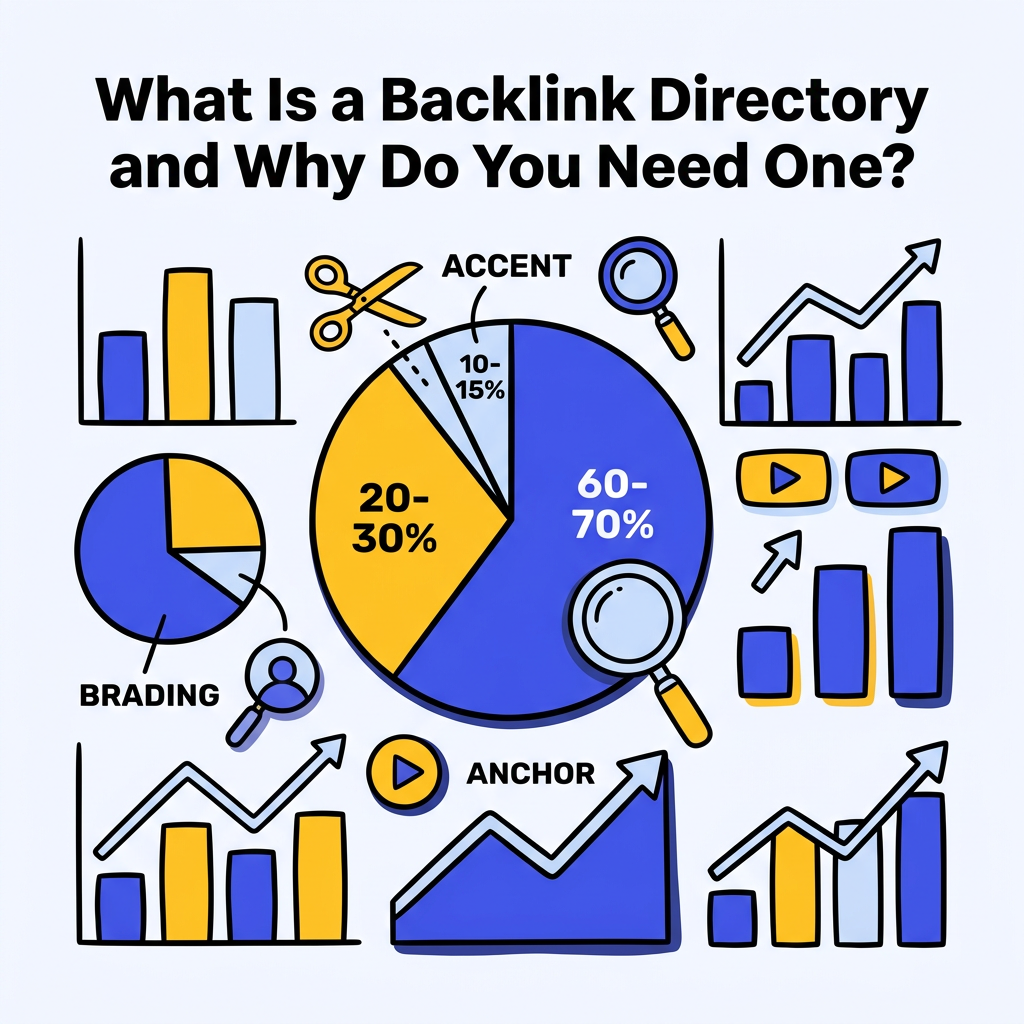
A backlink directory is a structured database that catalogs all incoming links pointing to your website or your clients' websites. Think of it as a comprehensive filing system that tracks every backlink's source, quality, anchor text, and performance metrics. Unlike simple link lists, a proper backlink directory includes detailed analysis, categorization, and actionable insights.
Most website owners make the critical mistake of building links without tracking them systematically. This approach leaves valuable opportunities on the table and makes it nearly impossible to identify which link-building strategies actually work. A backlink directory solves this problem by providing complete visibility into your link profile.
The benefits extend beyond simple organization. A well-maintained directory helps you identify link decay, spot toxic backlinks before they damage your rankings, and discover patterns in your most successful link-building campaigns. This systematic approach is essential for sustainable organic traffic growth.
How to Set Up Your Backlink Directory Structure
Start by choosing the right platform for your directory. Spreadsheet applications like Google Sheets or Microsoft Excel work well for smaller projects, while dedicated SEO tools or custom databases serve larger operations better. The key is selecting a system that allows for easy filtering, sorting, and data analysis.
Create these essential columns in your directory: Source URL, Target Page, Anchor Text, Link Type (dofollow/nofollow), Discovery Date, Domain Authority, Relevance Score, and Status. Additional columns might include Contact Information, Outreach Notes, and Link Value Assessment. This structure ensures you capture all critical information for each backlink.
Establish clear categorization systems from the beginning. Group links by acquisition method (guest posts, resource pages, directory submissions), by industry relevance, or by link quality tiers. Consistent categorization makes pattern recognition easier and helps you replicate successful strategies.
What Tools Should You Use to Populate Your Directory?
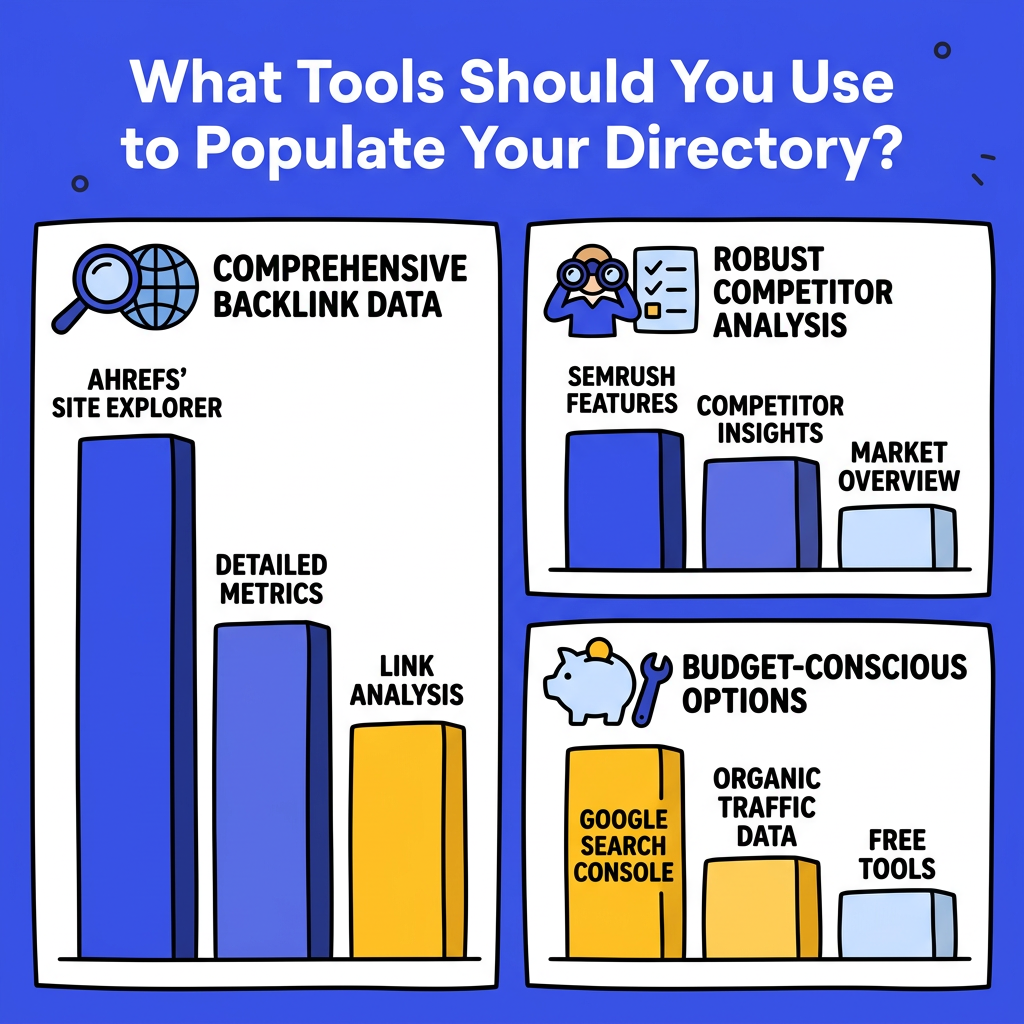
Several professional tools can help you discover and analyze backlinks for your directory. Ahrefs' Site Explorer provides comprehensive backlink data with detailed metrics, while SEMrush offers robust competitor analysis features. For budget-conscious users, Google Search Console provides free backlink data directly from Google's index.
Don't overlook manual discovery methods. Monitor brand mentions using Google Alerts, track social media shares, and review referral traffic in Google Analytics. These sources often reveal valuable backlinks that automated tools might miss, especially newer links that haven't been crawled yet.
Set up automated data collection where possible. Most professional SEO tools offer API access or export features that can feed directly into your directory. This automation reduces manual work and ensures your directory stays current with fresh backlink discoveries.
Building Your Initial Backlink Inventory
Begin by conducting a comprehensive backlink audit of your current link profile. Export data from multiple tools to ensure complete coverage, as different tools often discover unique links. Cross-reference these sources to build the most complete picture possible of your existing backlinks.
Clean and standardize your data before importing it into your directory. Remove duplicate entries, standardize URL formats, and verify that links are still active. This initial cleanup prevents data quality issues that could compromise your analysis later.
How to Analyze and Score Backlinks in Your Directory?
Develop a consistent scoring system for evaluating backlink quality. Consider factors like domain authority, relevance to your niche, traffic potential, and link placement on the source page. Create a weighted scoring formula that reflects your specific SEO goals and industry context.
| Quality Factor | Weight | Score Range | Notes |
|---|---|---|---|
| Domain Authority | 30% | 1-10 | Based on tool metrics |
| Relevance | 25% | 1-10 | Industry/topic alignment |
| Link Placement | 20% | 1-10 | Editorial vs sidebar/footer |
| Traffic Potential | 15% | 1-10 | Estimated referral traffic |
| Anchor Text | 10% | 1-10 | Natural vs optimized |
Regular analysis of your directory data reveals important patterns. Look for correlations between link characteristics and performance outcomes. This analysis informs future link-building strategies and helps you focus resources on the most effective tactics.
What's the Best Way to Maintain Your Backlink Directory?
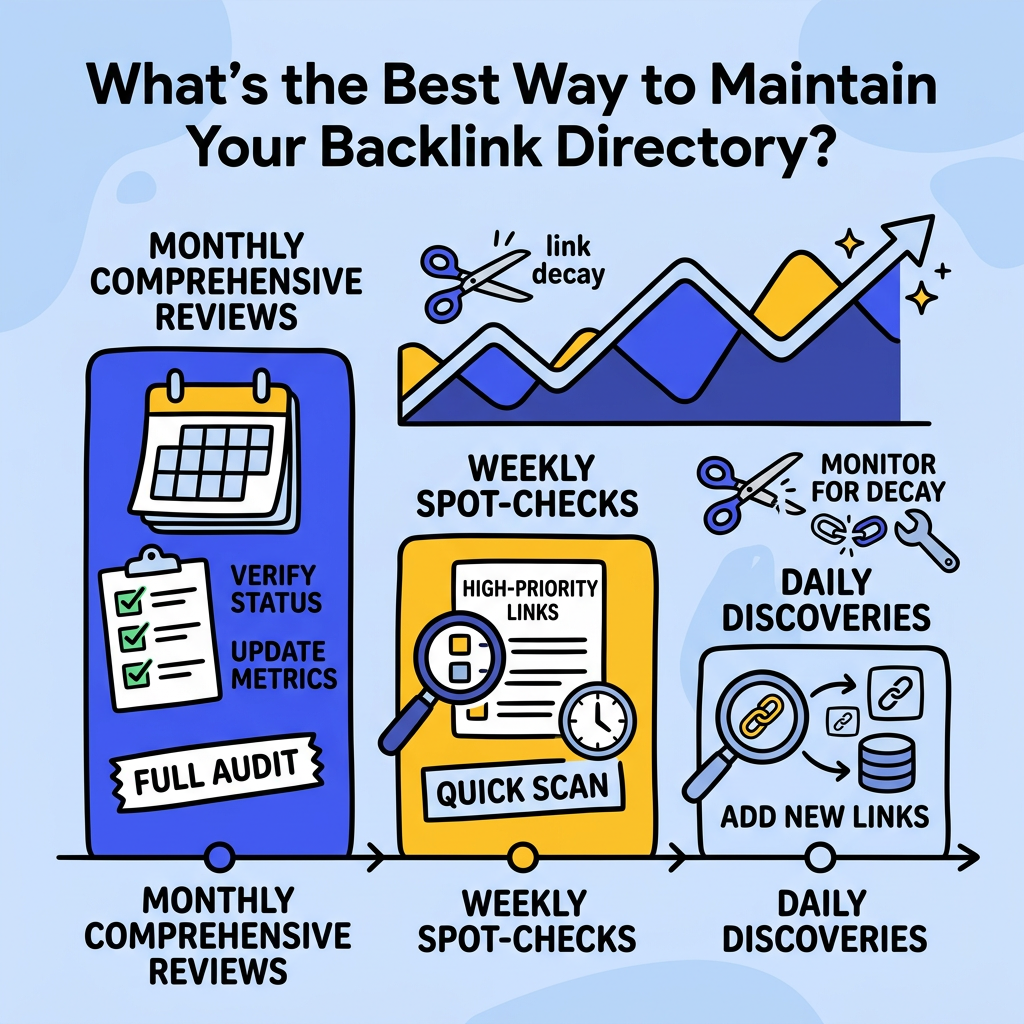
Schedule regular directory updates to keep your data current and actionable. Monthly comprehensive reviews work well for most websites, with weekly spot-checks for high-priority links. During these reviews, verify link status, update metrics, and add newly discovered backlinks.
Monitor for link decay and removal. Backlinks naturally disappear over time as websites change, content gets updated, or relationships shift. Set up alerts for significant changes in your backlink count and investigate drops promptly. Quick action can sometimes recover lost links through direct outreach.
Document your outreach efforts and relationship building within the directory. Track communication with link sources, note successful outreach templates, and maintain contact information for future opportunities. This relationship data becomes increasingly valuable as your network grows.
How to Leverage Your Directory for Strategic Link Building?
Use your directory data to identify successful link-building patterns and replicate them systematically. If guest posts on industry blogs consistently deliver high-quality traffic, prioritize similar opportunities. If certain types of content attract natural links, create more of that content type.
Analyze competitor backlinks and add promising sources to your target list. Your directory should include a prospecting section where you track potential link opportunities, their outreach status, and success probability. This systematic approach to prospecting improves your success rates significantly.
Integrate your backlink directory with your broader SEO workflow and content planning. When developing new content, reference your directory to identify internal linking opportunities and potential external promotion targets. This integration maximizes the value of both your content and link-building efforts.
How Often Should You Review and Update Your Directory?
Establish a regular maintenance schedule that matches your website's link-building activity level. Active link builders should review their directories weekly, while more passive approaches might require only monthly updates. The key is consistency rather than frequency.
Set up automated alerts for significant changes in your backlink profile. Most SEO tools can notify you when you gain or lose important backlinks. These alerts help you respond quickly to both opportunities and threats, maintaining the health of your link profile.
Quarterly deep dives into your directory data provide strategic insights that daily monitoring might miss. Look for seasonal patterns, long-term trends, and opportunities for optimization. These comprehensive reviews should inform your link-building strategy for the following quarter.
Conclusion
A well-organized backlink directory transforms chaotic link-building into strategic asset management. By systematically tracking, analyzing, and optimizing your backlink profile, you create a sustainable foundation for long-term SEO success. The initial setup requires effort, but the ongoing benefits in terms of improved rankings, better link-building ROI, and strategic insights make this investment worthwhile.
Start building your backlink directory today by choosing your platform and setting up the basic structure outlined in this guide. As your directory grows and matures, it will become an indispensable tool for SEO decision-making and competitive advantage. Remember that consistency in maintenance and analysis is key to maximizing the value of your backlink directory over time.

Stefan Winter
Founder & SEO Expert
Founder of Fast SEO Fix and SEO automation expert. Stefan built Fast SEO Fix to solve the tedious problem of manual SEO work. He specializes in SEO optimized content generation, keyword research, and automated SEO strategies.
