What Makes Google Ads Different from Other Advertising Platforms?
Posted by
 Stefan Winter
How to Optimize Google Ads for Better ROI While Building Organic Traffic
Google Ads can be a powerful catalyst for your digital marketing success, but many businesses struggle to balance paid advertising with long-term organic growth. The smartest approach isn't choosing between Google Ads and organic SEO - it's leveraging both strategies to maximize your online visibility and return on investment. In this comprehensive guide, you'll discover how to create a synergistic approach that uses Google Ads data to inform your SEO strategy while building sustainable organic traffic that reduces your dependence on paid advertising over time.
What Makes Google Ads Different from Other Advertising Platforms?
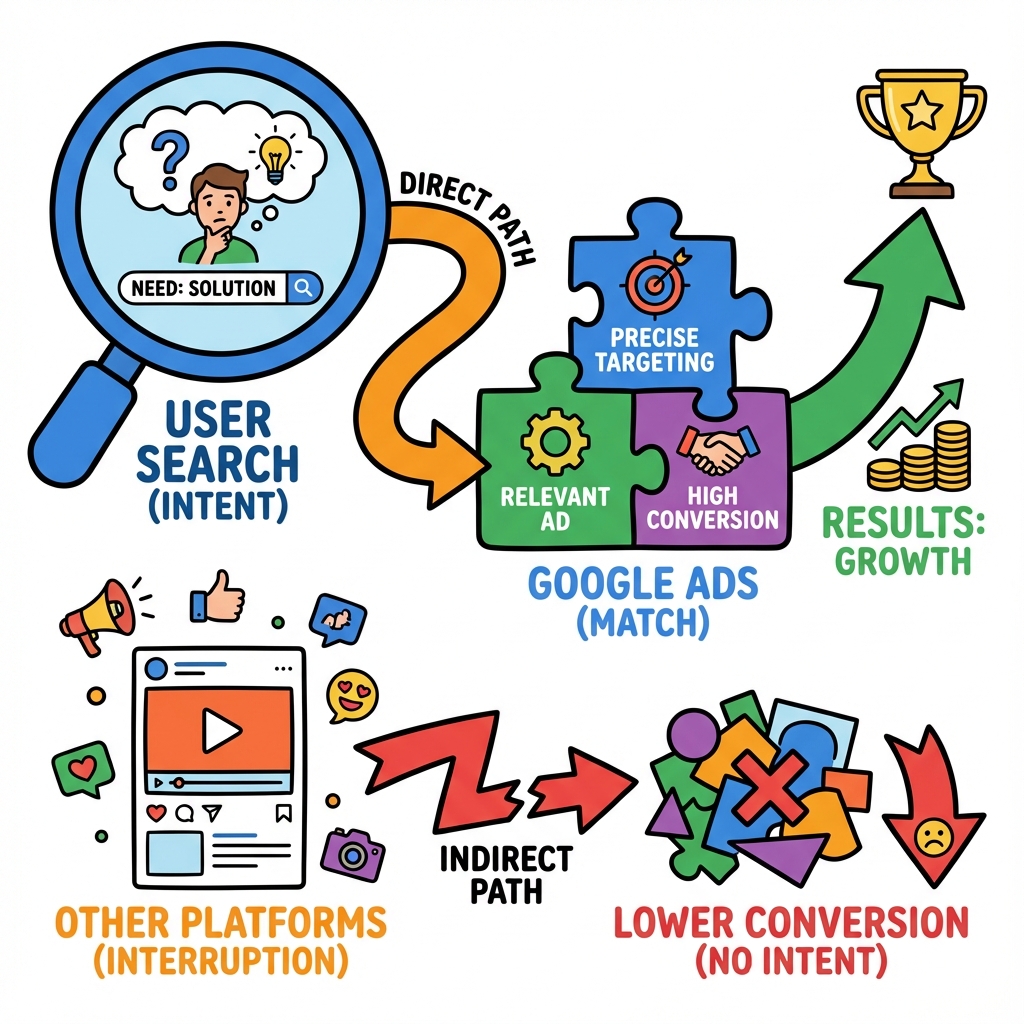
Google Ads operates on intent-based targeting, which sets it apart from social media advertising platforms. When users search on Google, they're actively looking for solutions, products, or information. This high-intent traffic converts at significantly higher rates than interruption-based advertising methods.
The platform offers several campaign types including Search, Display, Shopping, Video, and Performance Max campaigns. Each serves different purposes in your marketing funnel. Search campaigns capture immediate demand, while Display campaigns build awareness. Shopping campaigns showcase products directly in search results, and Video campaigns engage users on YouTube and across Google's network.
Understanding these distinctions helps you allocate budget effectively and choose the right campaign types for your business goals. The key is matching campaign types to user intent and your sales funnel stages.
How to Set Up Google Ads Campaigns That Support Organic Growth?
Start by conducting thorough keyword research that serves both your paid and organic strategies. Use Google's Keyword Planner to identify high-value keywords with commercial intent. Focus on keywords that show strong conversion potential but aren't too competitive for immediate organic ranking.
Create tightly themed ad groups with 5-10 closely related keywords per group. This approach improves Quality Score and provides cleaner data for analyzing which keywords drive the best results. Write compelling ad copy that highlights your unique value proposition and includes clear calls-to-action.
Set up conversion tracking from day one. Install Google Analytics 4 and link it to your Google Ads account. Define what constitutes a valuable conversion for your business, whether that's purchases, lead form submissions, phone calls, or email signups. This data becomes invaluable for optimizing both paid and organic strategies.
Landing Page Optimization for Ads and SEO
Design landing pages that serve both paid traffic and organic visitors effectively. Ensure fast loading speeds, mobile responsiveness, and clear value propositions. The content should match your ad copy while providing comprehensive information that satisfies user intent.
Include relevant internal links to related content on your site. For example, if you're running ads for SEO services, you might link to your guide on what makes automated SEO different from traditional SEO to provide additional value and keep visitors engaged with your site.
What Metrics Should You Track for Google Ads Success?
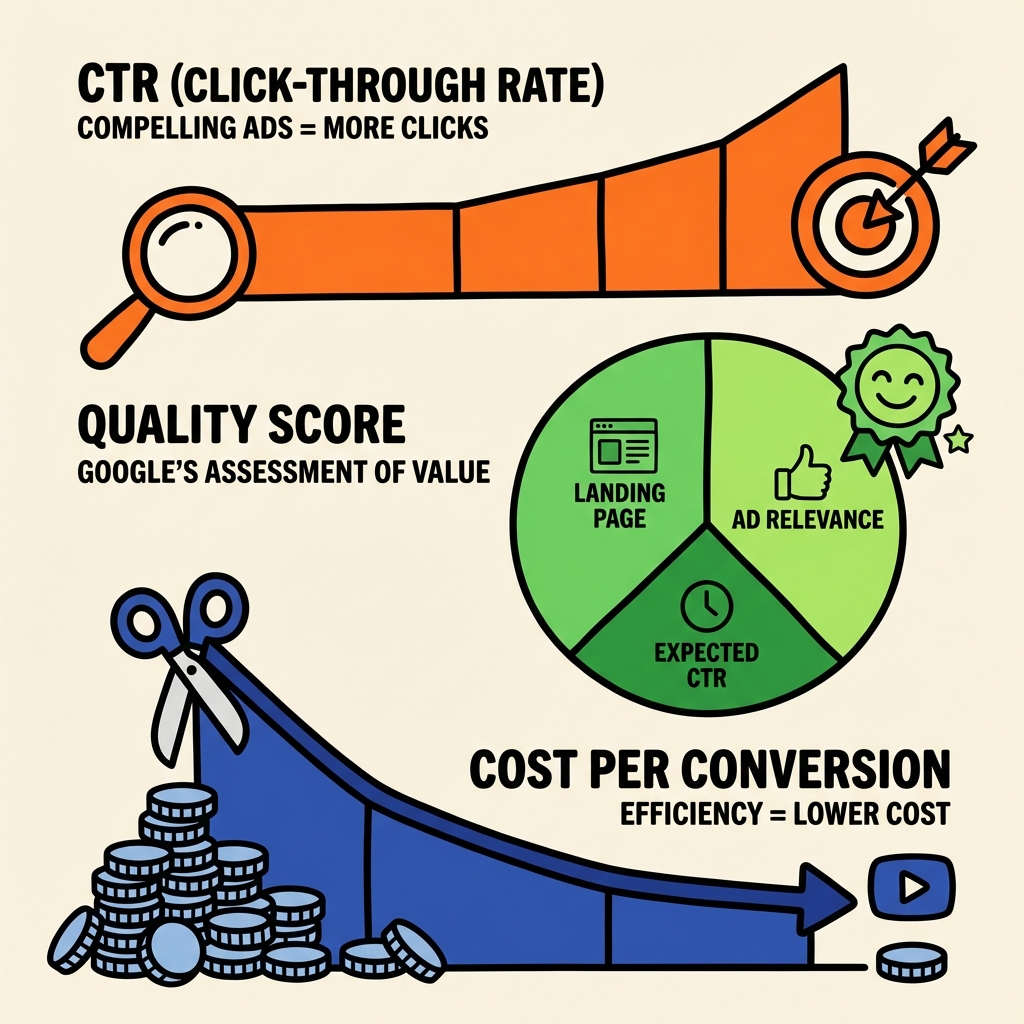
Focus on metrics that indicate both immediate performance and long-term value. Click-through rate (CTR) shows how compelling your ads are to your target audience. Quality Score reflects Google's assessment of your ad relevance and landing page experience. Cost per conversion tells you how efficiently you're acquiring customers.
| Metric | Good Benchmark | What It Measures | Why It Matters |
|---|---|---|---|
| CTR | 2-5% | Ad relevance | Higher CTR improves Quality Score |
| Quality Score | 7-10 | Overall ad quality | Affects ad position and cost |
| Conversion Rate | 2-10% | Landing page effectiveness | Shows user experience quality |
| ROAS | 400%+ | Return on ad spend | Measures profitability |
Monitor impression share to understand how often your ads appear for target keywords. Low impression share might indicate insufficient budget or poor ad quality. Search impression share data also reveals opportunities for organic SEO by showing which keywords have high search volume but limited ad visibility due to competition.
How to Use Google Ads Data to Improve Your SEO Strategy?
Google Ads provides immediate feedback on keyword performance that can take months to gather through organic SEO efforts. Analyze which keywords generate the highest conversion rates and lowest cost per acquisition in your ads campaigns. These high-performing keywords should become priorities for your organic content strategy.
Use the Search Terms report to discover new keyword opportunities. This report shows actual search queries that triggered your ads, often revealing long-tail variations you hadn't considered. Many of these terms have lower competition for organic ranking while maintaining strong commercial intent.
Examine geographic and demographic performance data from your ads to inform your content strategy creation. If certain locations or age groups convert better, create location-specific content or adjust your messaging to resonate with high-converting demographics.
Mining Ads Data for Content Ideas
Review your ads' top-performing headlines and descriptions to identify messaging that resonates with your audience. Transform these insights into blog post topics, FAQ content, and landing page copy. According to Google's Performance Max best practices, successful ad copy often translates well to organic content when expanded with additional detail and context.
Analyze which ad extensions perform best to understand what additional information users find valuable. If location extensions drive engagement, create location-specific landing pages. If sitelink extensions to specific services perform well, develop comprehensive content around those topics.
What Are the Best Practices for Reducing Ad Spend Over Time?
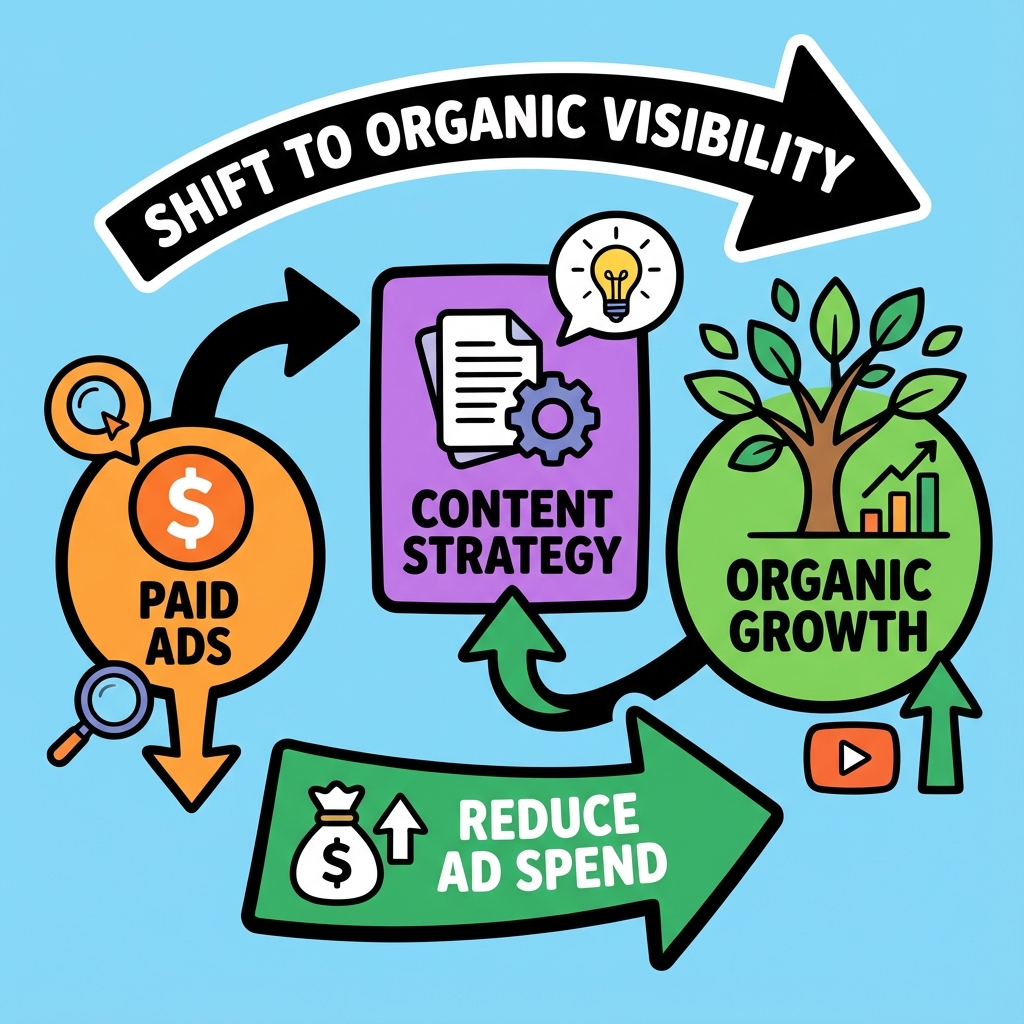
The ultimate goal is building organic visibility that reduces your dependence on paid advertising. Start by identifying your highest-converting keywords from Google Ads and creating comprehensive, high-quality content targeting these terms. Focus on growing organic traffic for keywords where you're paying the most per click.
Implement a systematic approach to content creation based on your ads performance data. Create detailed guides, case studies, and resource pages that target your most expensive keywords. As these pages begin ranking organically, gradually reduce ad spend on those terms while maintaining overall visibility.
Use Google Ads to test new market segments and keywords with minimal risk. Once you identify profitable new areas, develop organic content strategies to capture that traffic without ongoing ad costs. This approach lets you expand into new markets systematically while building long-term assets.
Balancing Paid and Organic Strategies
Never completely eliminate Google Ads for your highest-value keywords, even after achieving strong organic rankings. Competitors can outrank you organically, and algorithm updates can affect rankings. Maintaining some paid presence ensures consistent visibility for your most important terms.
Consider using automated SEO approaches to scale your content creation efforts efficiently. As you identify winning keywords through Google Ads, automated systems can help you create optimized content faster than manual processes alone.
How to Integrate Google Ads with Your Overall Marketing Strategy?
Google Ads works best as part of a comprehensive digital marketing ecosystem. Use ads to drive immediate traffic while building email lists, social media followings, and brand awareness that support long-term growth. Retargeting campaigns can re-engage visitors who didn't convert initially, often at much lower costs than acquiring new traffic.
Coordinate your Google Ads messaging with your organic content themes and seasonal campaigns. If you're running ads for specific promotions, ensure your organic content supports these initiatives with relevant blog posts, landing pages, and resource guides.
Track the customer journey across multiple touchpoints to understand how Google Ads fits into your overall conversion path. Many customers interact with your brand multiple times across different channels before converting. Attribution modeling in Google Analytics helps you understand these complex pathways and allocate budget accordingly.
Conclusion
Successfully optimizing Google Ads while building organic traffic requires a strategic approach that treats both channels as complementary rather than competing investments. By using Google Ads data to inform your SEO strategy, creating high-quality landing pages that serve both paid and organic visitors, and systematically building organic visibility for your highest-value keywords, you can create a sustainable growth engine that reduces advertising costs over time while maintaining strong market visibility.
The key is patience and consistency. While Google Ads provide immediate results, building organic traffic takes time. Start implementing these strategies today by analyzing your current Google Ads performance, identifying your most valuable keywords, and creating a content plan that targets these terms organically. Your future self will thank you for building these long-term assets while your competitors continue paying for the same traffic month after month.

Stefan Winter
Founder & SEO Expert
Founder of Fast SEO Fix and SEO automation expert. Stefan built Fast SEO Fix to solve the tedious problem of manual SEO work. He specializes in SEO optimized content generation, keyword research, and automated SEO strategies.
