What Is Content Marketing Automation and Why Does It Matter?
Posted by
 Stefan Winter
TL;DR
Content marketing automation uses software to streamline content creation, distribution, and performance tracking, enabling businesses to scale their efforts while maintaining personalization and consistency. By implementing the right automation platform with proper workflows, triggers, and templates, companies can increase qualified leads by up to 451% while saving significant time and resources.
How to Transform Your Content Strategy with Marketing Automation in 2026
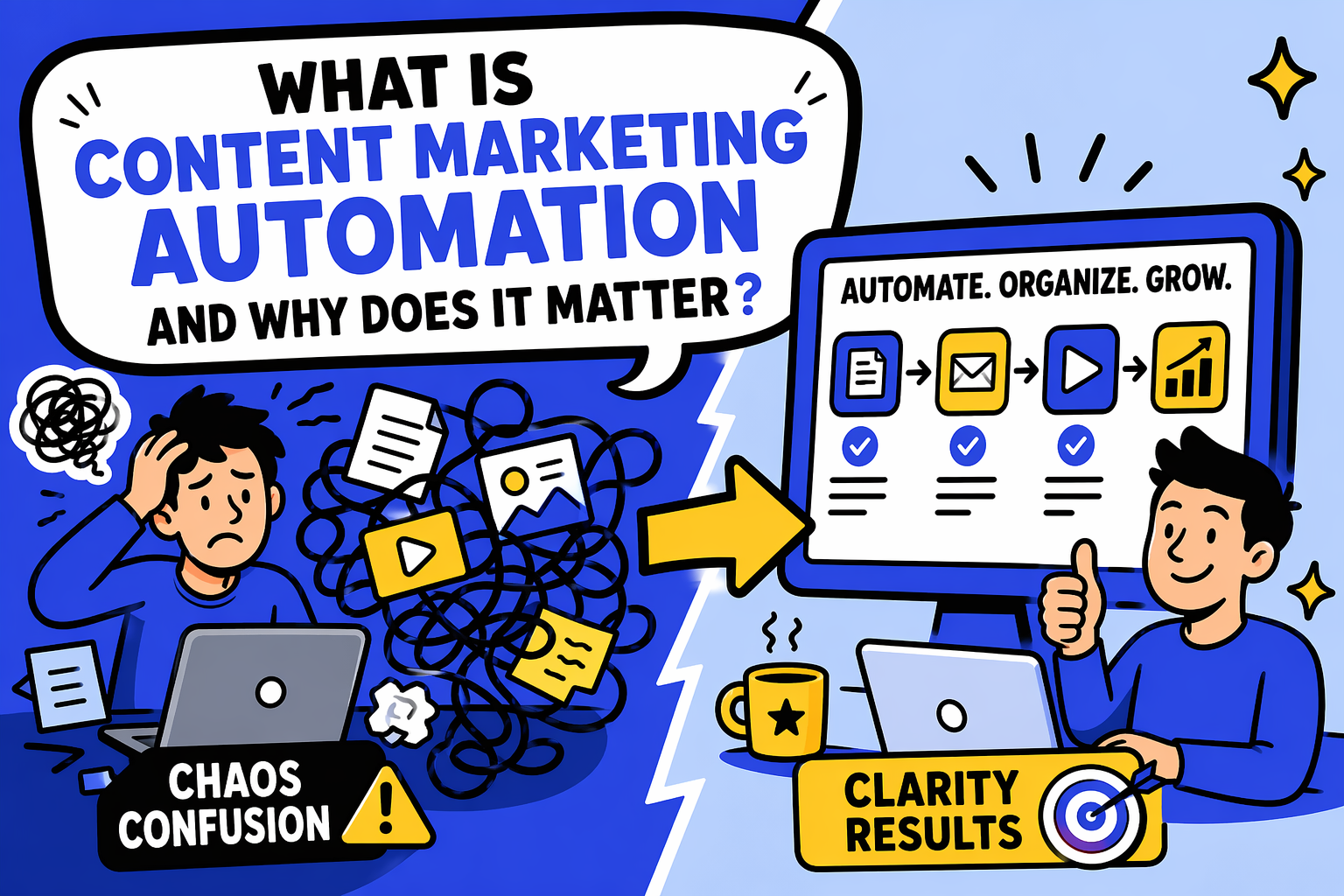
Content marketing automation has become the backbone of successful digital strategies, allowing businesses to scale their content efforts while maintaining quality and personalization. If you're struggling to keep up with content demands or finding it challenging to deliver consistent messaging across multiple channels, automation could be your solution. This comprehensive guide will walk you through implementing content marketing automation systems that drive engagement, save time, and boost your ROI.
What Is Content Marketing Automation and Why Does It Matter?
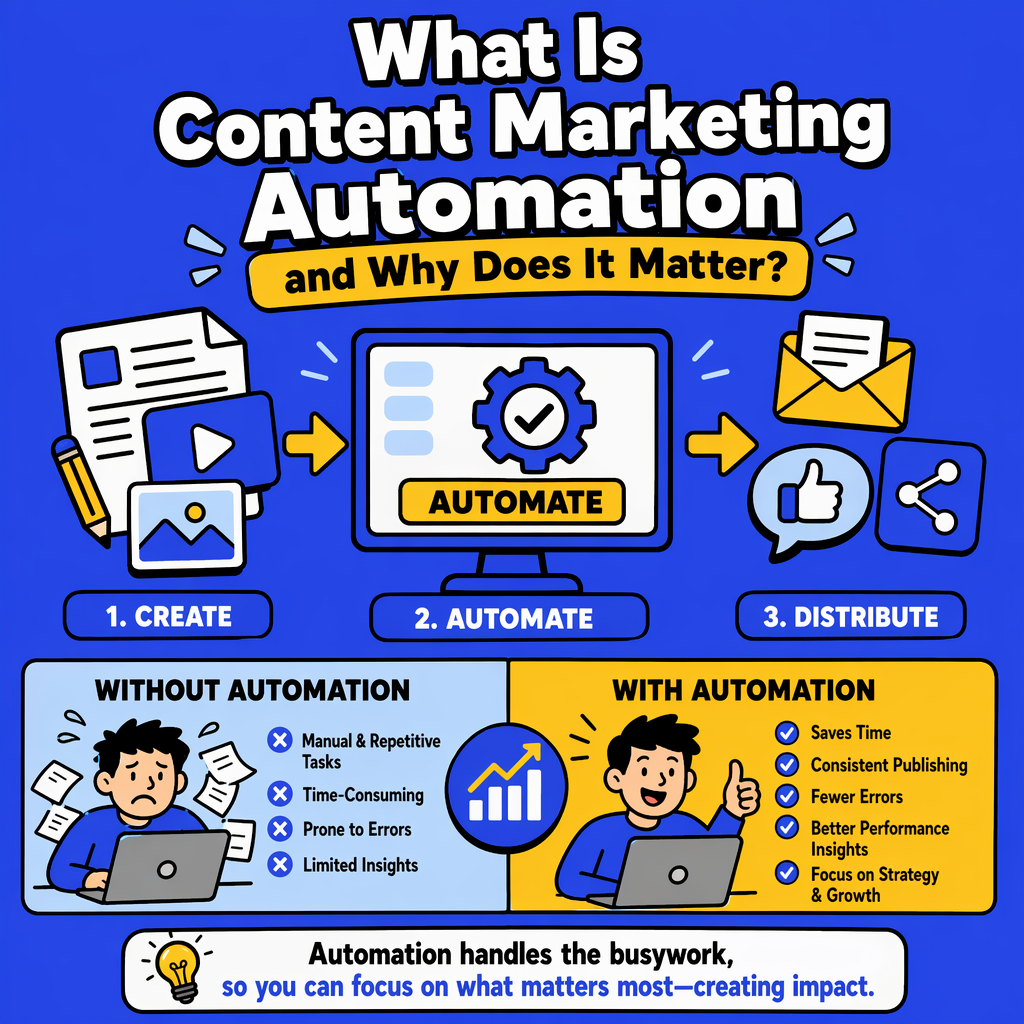
Content marketing automation refers to the use of software and technology to streamline, schedule, and optimize your content creation, distribution, and performance tracking processes. Rather than manually posting content, sending emails, or analyzing metrics, automation handles these repetitive tasks while you focus on strategy and creativity.
The benefits extend far beyond time savings. Automated systems ensure consistent brand messaging, enable personalized content delivery at scale, and provide detailed analytics that inform future content decisions. According to HubSpot's State of Marketing Report, companies using marketing automation see a 451% increase in qualified leads and experience 80% more leads overall.
Modern content marketing automation platforms integrate with your existing tools, creating seamless workflows that connect content creation with distribution, lead nurturing, and customer relationship management. This integration allows for sophisticated targeting and personalization that would be impossible to achieve manually.
How to Choose the Right Content Marketing Automation Platform
Selecting the appropriate automation platform forms the foundation of your entire strategy. Start by evaluating your current content workflow and identifying specific pain points that automation could address. Consider factors like team size, budget, technical expertise, and integration requirements with your existing marketing stack.
Essential features to look for include content calendar management, multi-channel publishing capabilities, audience segmentation tools, and comprehensive analytics dashboards. The platform should also offer template libraries, A/B testing functionality, and workflow automation that can trigger actions based on user behavior or predetermined schedules.
| Platform Type | Best For | Key Features | Price Range |
|---|---|---|---|
| All-in-One | Small to medium businesses | Email, social, CRM, analytics | $50-500/month |
| Social Media Focused | Social-heavy strategies | Multi-platform posting, engagement tracking | $20-200/month |
| Email-Centric | Lead nurturing campaigns | Advanced segmentation, drip campaigns | $30-300/month |
| Enterprise | Large organizations | Custom workflows, advanced integrations | $500-2000+/month |
What Are the Essential Components of Automated Content Workflows?
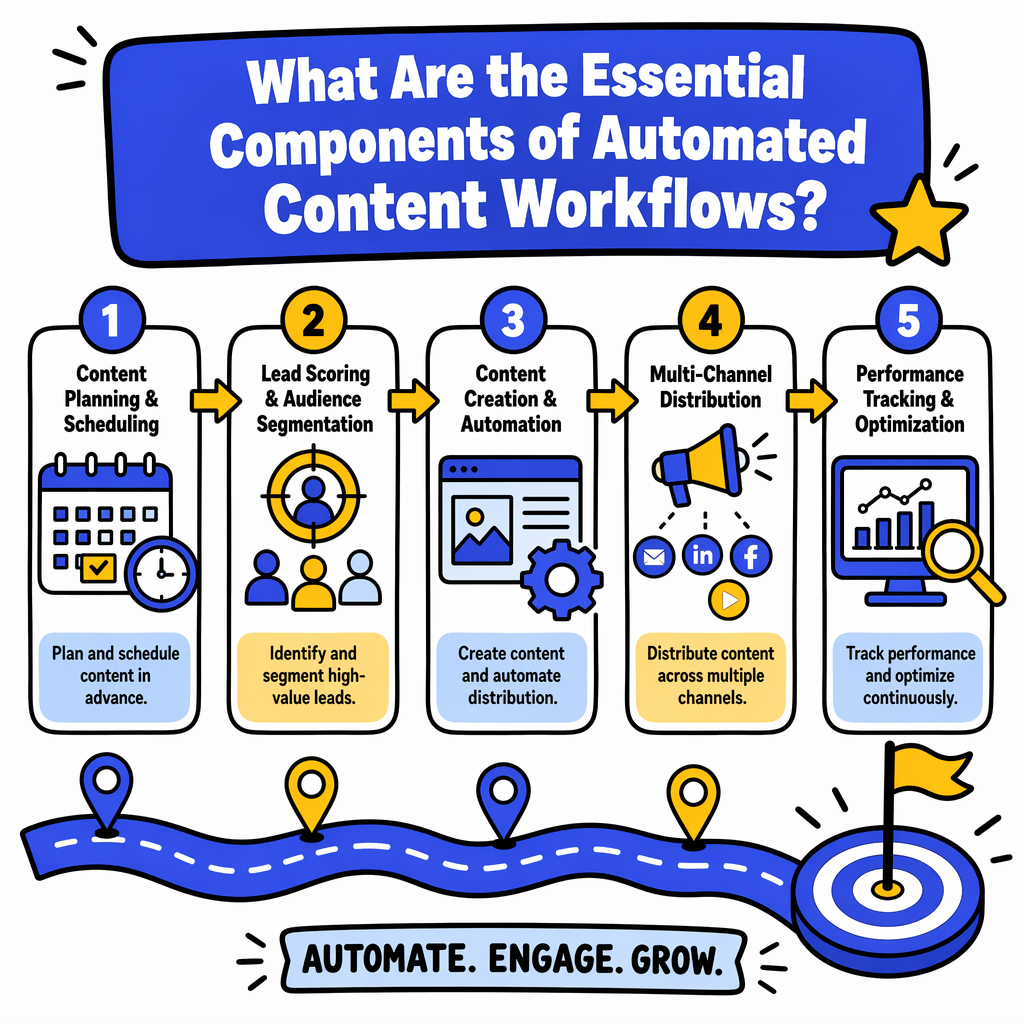
Building effective automated workflows requires understanding the key components that make automation successful. Content planning and scheduling form the first layer, allowing you to map out campaigns weeks or months in advance while maintaining flexibility for real-time adjustments.
Lead scoring and segmentation capabilities enable you to deliver the right content to the right audience at the optimal time. These systems track user interactions, website behavior, and engagement patterns to automatically categorize prospects and customers into relevant groups. Understanding your content planning strategy becomes crucial for setting up these automated segments effectively.
Trigger-based automation represents the most sophisticated level of content marketing automation. These workflows activate based on specific user actions, such as downloading a whitepaper, visiting pricing pages, or abandoning shopping carts. The system then delivers personalized content sequences designed to guide users through your marketing funnel.
Setting Up Content Triggers and Responses
Effective trigger-based automation requires mapping out your customer journey and identifying key decision points where automated content can provide value. Common triggers include email opens, link clicks, form submissions, website visits, and social media engagement.
For each trigger, develop appropriate response sequences that provide relevant information without overwhelming recipients. A prospect who downloads an SEO guide might receive a series of emails about SEO best practices for different business types, while someone browsing pricing pages might get case studies and testimonials instead.
How to Create Content Templates That Scale
Scalable content creation relies heavily on developing templates and frameworks that maintain quality while reducing production time. Start by analyzing your highest-performing content pieces to identify common structures, messaging patterns, and design elements that resonate with your audience.
Create template libraries for different content types, including blog posts, email campaigns, social media posts, and landing pages. These templates should include placeholder text, suggested headlines, call-to-action options, and formatting guidelines that ensure brand consistency across all automated content.
Dynamic content insertion takes templating to the next level by automatically personalizing templates based on recipient data. This might include inserting company names, industry-specific examples, or location-based information to make automated content feel more personal and relevant.
What Metrics Should You Track for Content Marketing Automation?
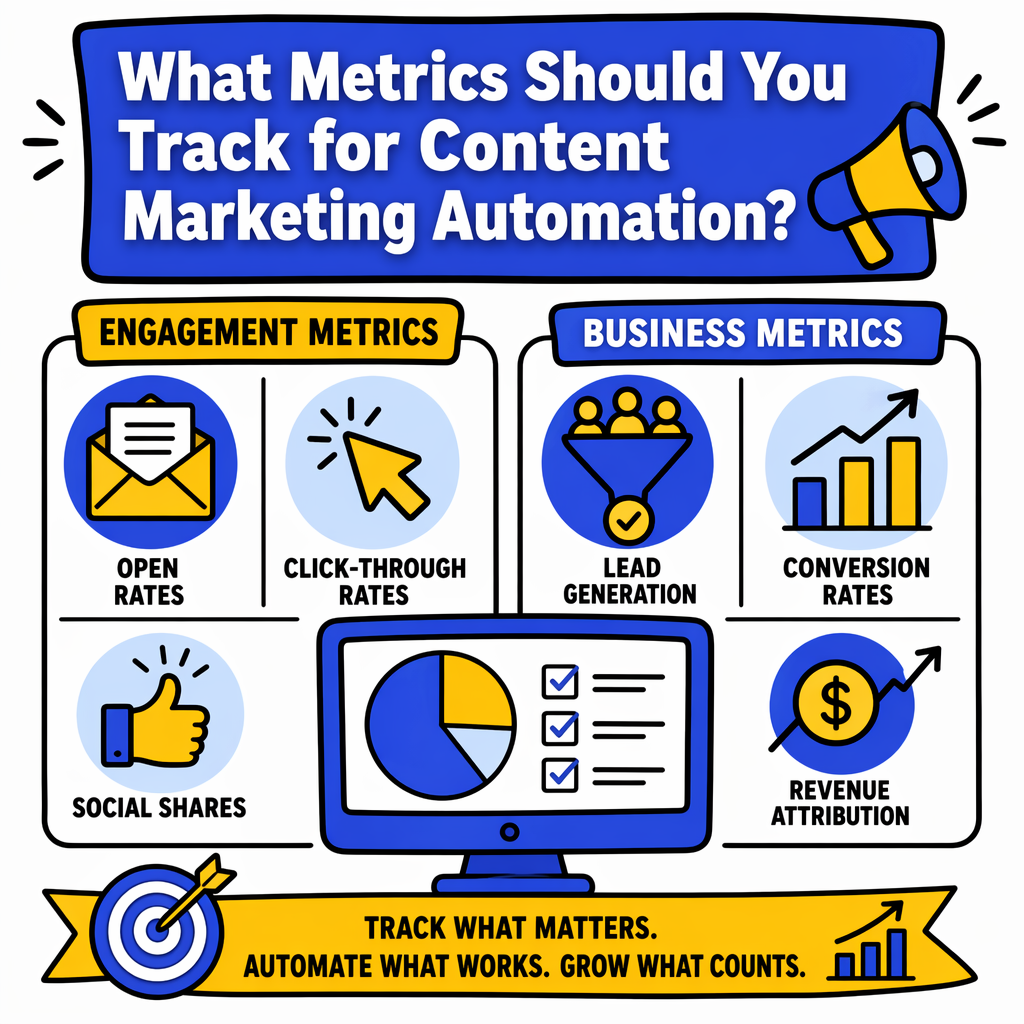
Measuring the success of your content marketing automation requires tracking both engagement metrics and business outcomes. Engagement metrics include open rates, click-through rates, social shares, and time spent on content, while business metrics focus on lead generation, conversion rates, and revenue attribution.
Set up automated reporting dashboards that provide real-time insights into campaign performance. Key performance indicators should align with your overall marketing goals and include metrics like cost per lead, customer acquisition cost, and lifetime value of automated versus manual campaigns.
Advanced analytics platforms can track the entire customer journey, showing how automated content contributes to conversions over time. This attribution modeling helps you understand which automated workflows generate the highest ROI and deserve increased investment.
Optimizing Based on Performance Data
Regular analysis of automation performance data reveals opportunities for improvement and optimization. Look for patterns in high-performing content, optimal sending times, and audience segments that respond best to different types of automated messaging.
A/B testing within your automated workflows helps refine messaging, timing, and content formats. Test subject lines, call-to-action buttons, content length, and personalization elements to continuously improve performance. The questions you ask during analysis often determine how effectively you can optimize your automation systems.
How to Maintain Quality While Scaling Content Production
One of the biggest challenges in content marketing automation is maintaining quality standards while increasing output volume. Establish clear quality guidelines and approval processes that ensure all automated content meets your brand standards before publication.
Implement content review workflows that include both automated quality checks and human oversight. Automated systems can flag content for grammar issues, broken links, or missing elements, while human reviewers focus on strategic alignment and brand voice consistency.
Regular content audits help identify areas where automation might be compromising quality or where manual intervention could improve results. Schedule monthly reviews of automated content performance and gather feedback from your audience to ensure your automated systems continue delivering value.
Conclusion
Content marketing automation represents a powerful opportunity to scale your marketing efforts while improving consistency and personalization. By choosing the right platform, setting up effective workflows, creating scalable templates, and continuously optimizing based on performance data, you can build an automation system that drives real business results.
The key to successful implementation lies in starting small, testing thoroughly, and gradually expanding your automated workflows as you gain confidence and expertise. Remember that automation should enhance human creativity and strategy, not replace it entirely.
Ready to transform your content marketing strategy? Start by auditing your current processes to identify the biggest opportunities for automation, then choose one area to pilot your first automated workflow. The time you invest in setting up these systems will pay dividends in increased efficiency and improved results.
Frequently Asked Questions
Content marketing automation refers to using software and technology to streamline, schedule, and optimize content creation, distribution, and performance tracking processes. It handles repetitive tasks like posting, emailing, and analytics while allowing teams to focus on strategy and creativity.
According to HubSpot's State of Marketing Report, companies using marketing automation see a 451% increase in qualified leads and experience 80% more leads overall. Integrated platforms show 67% better performance compared to standalone tools.
Essential features include content calendar management, multi-channel publishing capabilities, audience segmentation tools, comprehensive analytics dashboards, template libraries, A/B testing functionality, and workflow automation that triggers actions based on user behavior.
Trigger-based automation activates workflows based on specific user actions such as email opens, form submissions, website visits, or social media engagement. The system then automatically delivers personalized content sequences designed to guide users through the marketing funnel.
Templates maintain quality while reducing production time by providing standardized structures, messaging patterns, and design elements. Dynamic content insertion further personalizes templates by automatically inserting relevant information based on user data and behavior.

Stefan Winter
Founder & SEO Expert
Founder of Fast SEO Fix and SEO automation expert. Stefan built Fast SEO Fix to solve the tedious problem of manual SEO work. He specializes in SEO optimized content generation, keyword research, and automated SEO strategies.
