What is Blogger Automation and Why Should You Care?
Posted by
 Stefan Winter
TL;DR
Blogger automation uses software tools to streamline repetitive tasks like content creation, publishing, and social media distribution, saving 15-20 hours per week while improving engagement. By automating workflows across content planning, email marketing, and SEO, bloggers can focus on high-value activities like strategy and relationship building.
How to Transform Your Blog with Blogger Automation in 2026
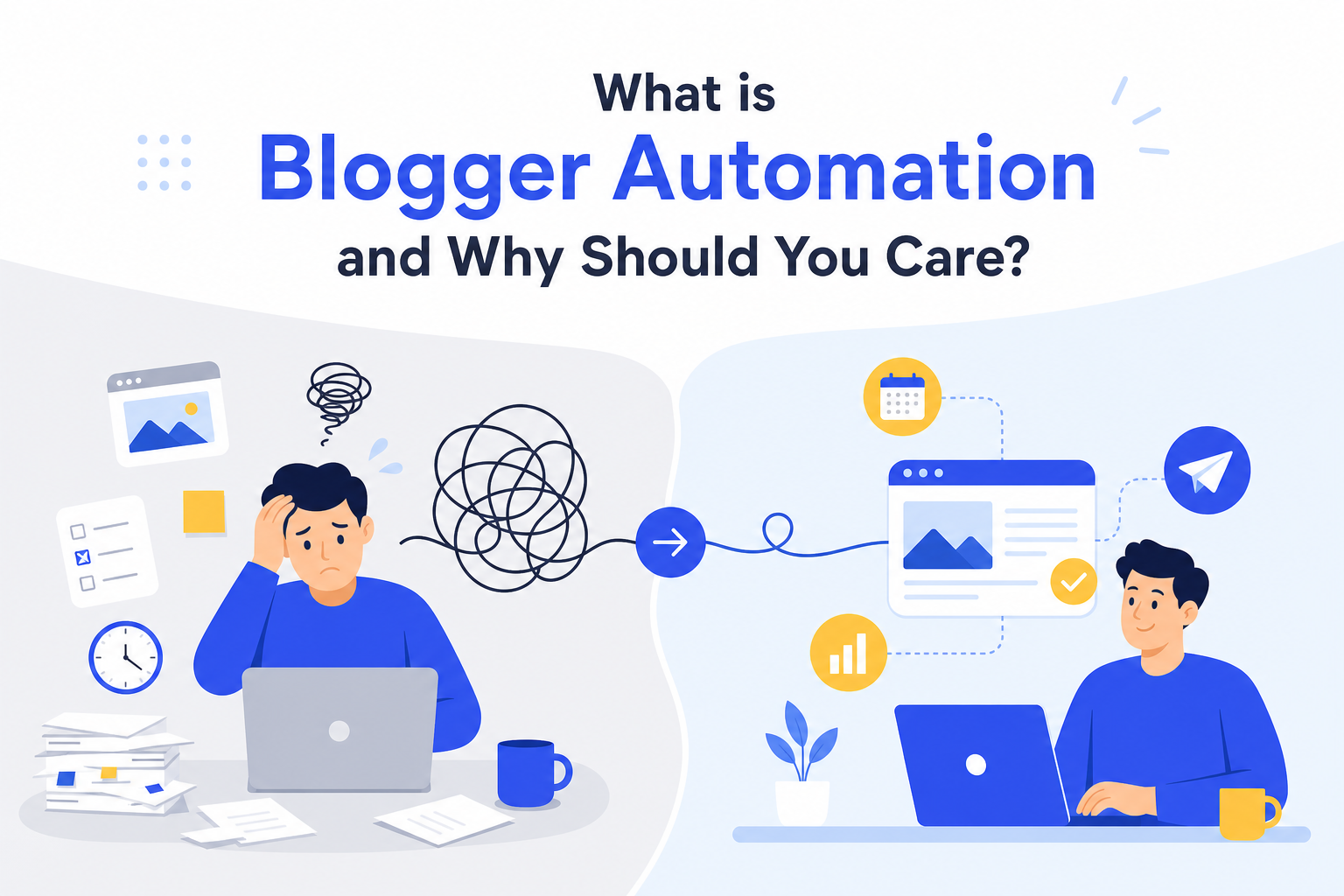
Blogger automation is revolutionizing how content creators manage their digital presence, streamlining everything from content creation to social media distribution. If you're spending countless hours on repetitive blogging tasks, you're missing out on the efficiency gains that modern automation tools can provide. This comprehensive guide will walk you through implementing blogger automation strategies that can save you 15-20 hours per week while improving your content quality and reach.
What is Blogger Automation and Why Should You Care?
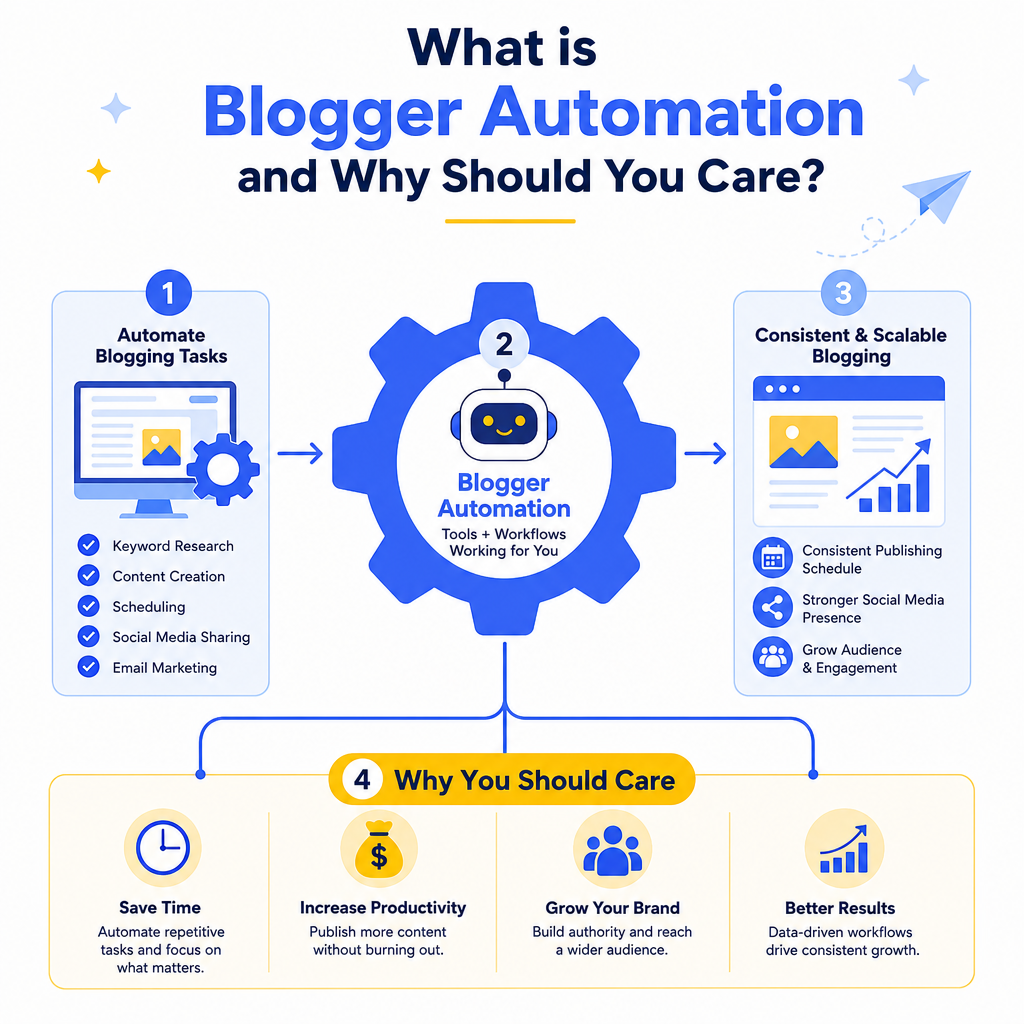
Blogger automation refers to the systematic use of software tools and workflows to handle repetitive blogging tasks without manual intervention. Unlike general content automation, blogger automation specifically targets the unique challenges bloggers face: consistent publishing schedules, social media promotion, email list management, and audience engagement.
The difference between successful bloggers and those who burn out often comes down to efficiency. According to HubSpot's State of Marketing Report, content creators who use automation tools are 67% more likely to maintain consistent publishing schedules and see 3x better engagement rates.
Modern blogger automation encompasses several key areas: content planning and creation, publishing workflows, social media distribution, email marketing, analytics tracking, and audience engagement. The goal isn't to remove the human element from blogging but to free up your time for high-value activities like strategy development and relationship building.
How to Set Up Your Content Creation Automation Workflow
Creating an automated content workflow starts with mapping your current blogging process. Most bloggers follow a similar pattern: idea generation, research, writing, editing, publishing, and promotion. Each stage offers automation opportunities.
Begin by implementing a content calendar system that automatically generates topic ideas based on keyword research and trending topics in your niche. Tools like CoSchedule or ContentCal can pull data from multiple sources to suggest timely content ideas. This eliminates the weekly scramble to figure out what to write about next.
For the actual writing process, AI blog writers and content automation platforms can help generate first drafts, outlines, or specific sections of your posts. The key is using these tools as starting points rather than final products, maintaining your unique voice while accelerating the initial creation phase.
Automating Your Research and Fact-Checking Process
Research automation can dramatically reduce the time spent gathering information for your posts. Set up Google Alerts for your key topics, use RSS feeds to monitor industry publications, and leverage tools like BuzzSumo to identify trending content in your space.
Create automated workflows that compile research materials into organized folders or documents. For instance, you can use Zapier to automatically save relevant articles to specific Notion pages or Google Drive folders based on keywords or sources.
How to Automate Your Publishing and Distribution Strategy
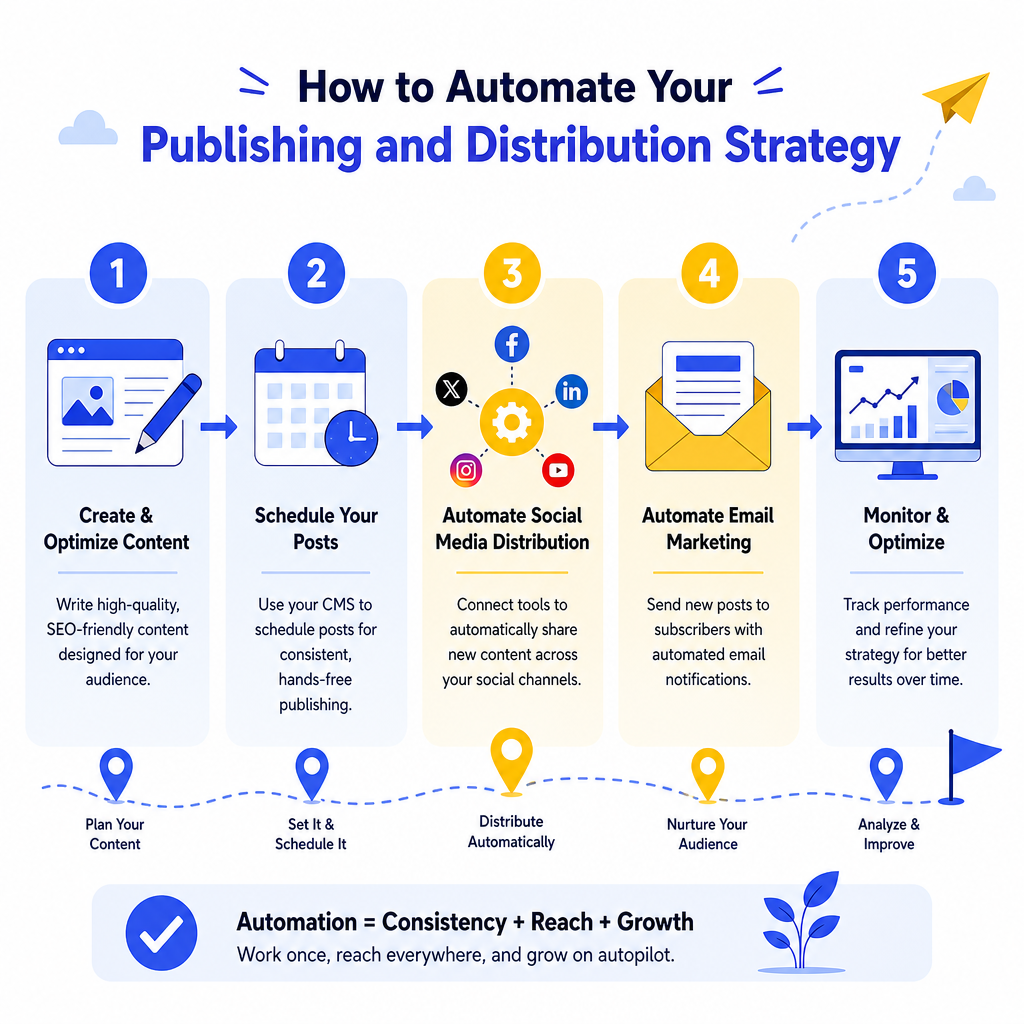
Publishing automation ensures your content reaches your audience consistently, even when you're not actively managing your blog. WordPress and other content management systems offer robust scheduling features, but true automation goes beyond simple post scheduling.
Set up automated social media distribution using tools like Buffer, Hootsuite, or Later. These platforms can automatically share your new blog posts across multiple social networks with customized messaging for each platform. The key is creating platform-specific content variations rather than identical posts everywhere.
Email marketing automation represents one of the highest-ROI blogger automation strategies. Configure automated email sequences that send new blog posts to subscribers, create nurture sequences for new subscribers, and set up triggered emails based on reader behavior. Platforms like ConvertKit or Mailchimp make this process straightforward with pre-built automation templates.
| Automation Type | Time Saved Per Week | Setup Complexity | ROI Rating |
|---|---|---|---|
| Social Media Distribution | 5-8 hours | Low | High |
| Email Marketing | 3-5 hours | Medium | Very High |
| Content Scheduling | 2-3 hours | Low | High |
| Analytics Reporting | 2-4 hours | Medium | Medium |
| Comment Management | 1-3 hours | Low | Medium |
What About SEO and Performance Optimization Automation?
SEO automation for bloggers focuses on the technical and repetitive aspects of search optimization while preserving the creative elements that make content engaging. Start by automating your keyword research process using tools that monitor search trends and suggest content opportunities.
Implement automated SEO auditing tools that regularly scan your blog for technical issues, broken links, and optimization opportunities. This proactive approach prevents small problems from becoming major ranking issues. Content optimization tools can analyze your posts in real-time and suggest improvements for better search performance.
Set up automated reporting systems that track your key performance indicators without manual data compilation. Google Analytics can automatically generate custom reports and email them to you weekly or monthly, helping you spot trends and opportunities quickly.
Automating Your Internal Linking Strategy
Internal linking automation helps improve your blog's SEO while reducing the manual work of finding relevant connection opportunities. Tools like LinkWhisper or Link Assistant can automatically suggest internal linking opportunities as you write, ensuring better content connectivity without the research overhead.
Create automated systems that track your most popular posts and systematically link newer content to these high-performing pieces. This approach helps distribute link equity throughout your site while improving user navigation.
How to Maintain Quality While Scaling with Automation
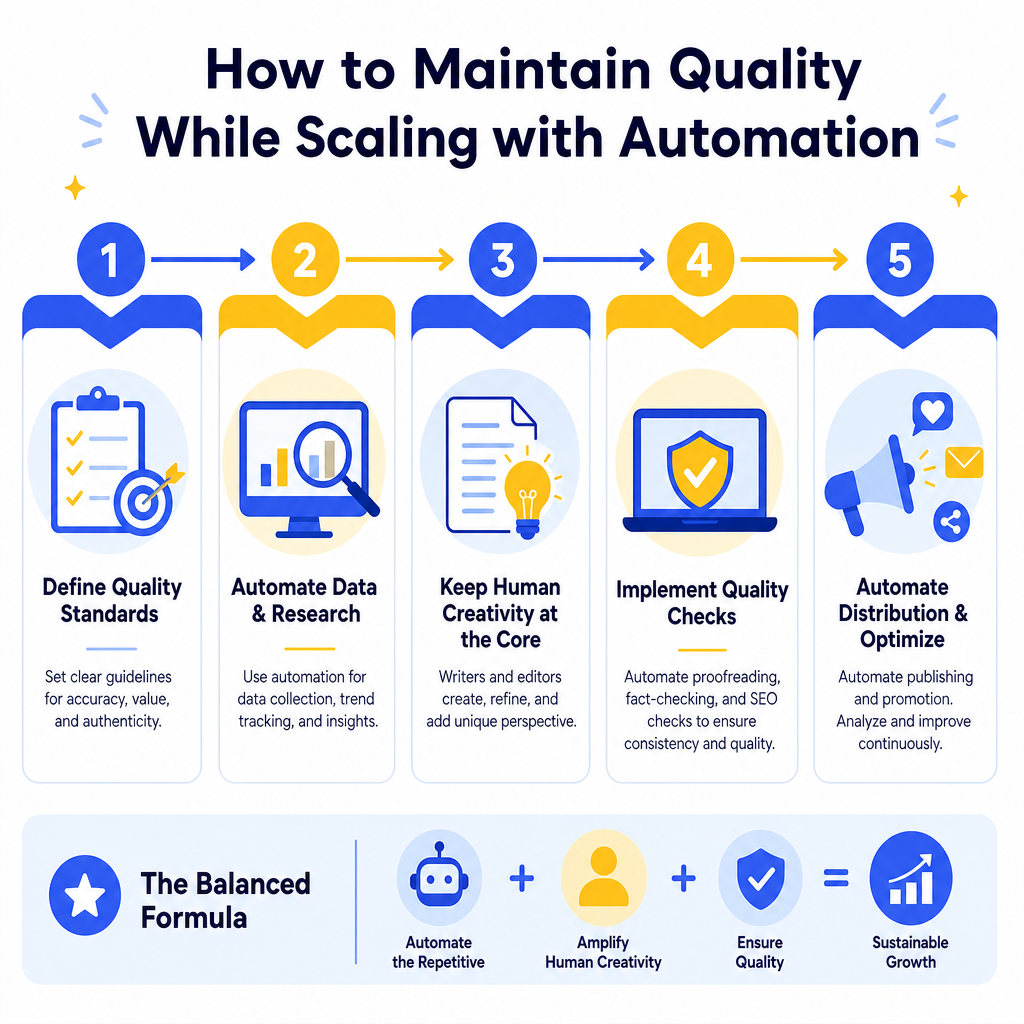
The biggest concern with blogger automation is maintaining content quality and authenticity. The solution lies in strategic automation that enhances rather than replaces human creativity. Focus automation on administrative tasks, data collection, and distribution while keeping strategic decisions and creative work in human hands.
Establish quality control checkpoints in your automated workflows. For example, even if you're using automated content generation tools, always include manual review and editing steps before publication. This hybrid approach maximizes efficiency while preserving quality standards.
Regular auditing of your automated systems ensures they continue serving your goals effectively. Set monthly reviews to analyze automation performance, adjust workflows based on results, and identify new automation opportunities as your blog grows.
Working with comprehensive SEO strategy services can help you identify which aspects of your blogging workflow would benefit most from automation while maintaining strategic oversight of your overall content direction.
What Common Mistakes Should You Avoid?
Over-automation represents the most common pitfall in blogger automation implementation. Automating every aspect of your blogging process can make your content feel robotic and disconnected from your audience. Focus on automating time-consuming administrative tasks while maintaining personal involvement in content strategy and audience interaction.
Another frequent mistake is implementing too many automation tools simultaneously. Start with one or two key areas, master those systems, then gradually expand your automation toolkit. This approach prevents overwhelm and ensures each automated system receives proper setup and optimization.
Neglecting to monitor and adjust automated systems leads to outdated workflows that no longer serve your current needs. Your automation strategy should evolve with your blog's growth and changing objectives.
Conclusion
Blogger automation in 2026 offers unprecedented opportunities to scale your content creation while maintaining quality and authenticity. By systematically automating administrative tasks, distribution workflows, and performance monitoring, you can focus on what matters most: creating valuable content and building relationships with your audience.
Start implementing blogger automation gradually, beginning with the areas that consume most of your time currently. Remember that effective automation enhances human creativity rather than replacing it. The goal is creating more time for strategic thinking, audience engagement, and content innovation.
Ready to transform your blogging workflow? Begin by auditing your current processes to identify the biggest time drains, then implement automation solutions for those specific challenges. Your future self will thank you for the extra hours and improved consistency that smart blogger automation provides.
Frequently Asked Questions
Blogger automation refers to using software tools and workflows to handle repetitive blogging tasks automatically, including content planning, publishing, social media distribution, email marketing, and analytics tracking. It's designed to free up time for strategic work while maintaining content quality.
According to the article, blogger automation can save 15-20 hours per week. Specific tasks like social media distribution save 5-8 hours weekly, email marketing saves 3-5 hours, and content scheduling saves 2-3 hours per week.
The article recommends CoSchedule and ContentCal for content planning, Buffer and Hootsuite for social media distribution, ConvertKit and Mailchimp for email automation, and LinkWhisper or Link Assist for internal linking. Google Alerts and BuzzSumo are also recommended for research automation.
No, the goal of blogger automation is not to remove the human element but to eliminate repetitive tasks. Automation should be used as a starting point for content creation while maintaining your unique voice and focusing on strategy and relationship building.
Key automation areas include content planning and idea generation, writing and research, publishing and scheduling, social media distribution, email marketing, SEO optimization, internal linking, analytics reporting, and comment management.

Stefan Winter
Founder & SEO Expert
Founder of Fast SEO Fix and SEO automation expert. Stefan built Fast SEO Fix to solve the tedious problem of manual SEO work. He specializes in SEO optimized content generation, keyword research, and automated SEO strategies.
