What Makes an Organic Traffic Checker Essential for Modern Websites?
Posted by
 Stefan Winter
How to Choose the Perfect Organic Traffic Checker for Your Website's Growth
Understanding your website's organic search performance is crucial for digital success, but with countless analytics tools available, selecting the right organic traffic checker can feel overwhelming. Whether you're a small business owner tracking your first SEO campaign or a seasoned marketer managing multiple websites, the right traffic analysis tool can transform raw data into actionable insights that drive real growth.
In this comprehensive guide, you'll discover how to evaluate, select, and implement the ideal organic traffic checker for your specific needs. We'll walk through essential features to prioritize, common pitfalls to avoid, and practical steps to maximize your investment in traffic analysis tools.
What Makes an Organic Traffic Checker Essential for Modern Websites?
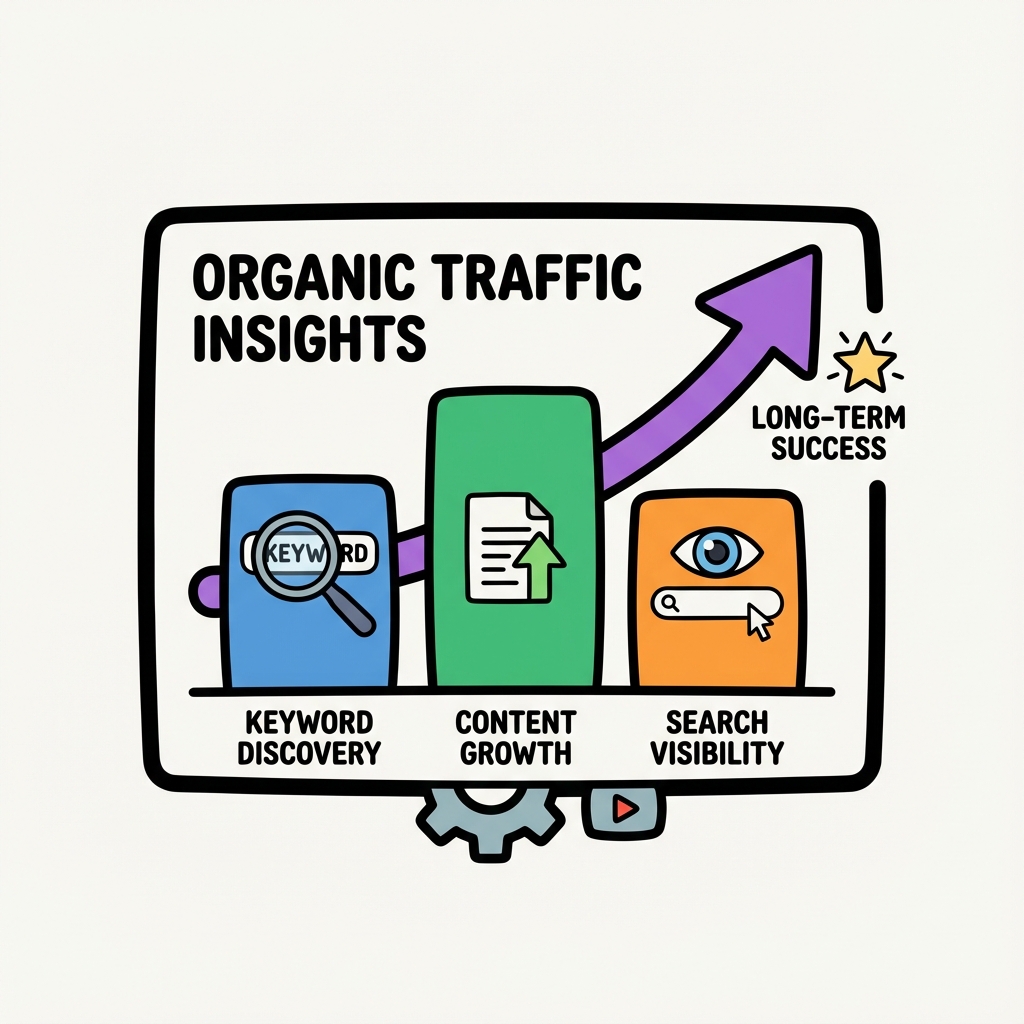
An organic traffic checker serves as your website's performance dashboard, revealing how visitors discover your content through search engines. Unlike basic website analytics that show total visitor numbers, specialized organic traffic tools provide granular insights into search engine performance, keyword rankings, and competitor analysis.
The most effective organic traffic checkers combine multiple data sources to paint a complete picture of your search visibility. They track not just how many people visit your site, but which search terms bring them there, how your rankings fluctuate over time, and where opportunities exist to capture additional traffic.
Modern businesses rely on these tools because organic search typically represents the largest source of website traffic for most industries. According to BrightEdge's research on organic search statistics, organic search drives over 50% of all website traffic across industries, making accurate tracking essential for growth.
How Do You Identify Your Organic Traffic Checking Requirements?
Before diving into tool comparisons, assess your specific monitoring needs to avoid paying for unnecessary features or missing critical functionality. Start by documenting your current traffic sources, primary business goals, and technical constraints.
Consider your website's complexity and scale. A local restaurant needs different tracking capabilities than an e-commerce site with thousands of product pages. Similarly, agencies managing multiple client accounts require different features than individual website owners focused on a single domain.
Budget considerations play a significant role in tool selection. While free SEO software tools can provide substantial value, premium organic traffic checkers often include advanced features like competitor analysis, historical data, and API access that justify their cost for serious marketers.
What Key Features Should You Prioritize?
Focus on these essential capabilities when evaluating organic traffic checkers:
- Real-time ranking tracking for your target keywords across multiple search engines
- Historical data analysis to identify trends and measure long-term progress
- Competitor comparison tools to benchmark your performance against industry leaders
- Mobile vs desktop traffic breakdown reflecting modern search behavior patterns
- Integration capabilities with existing marketing tools and platforms
How to Evaluate Different Types of Organic Traffic Checkers?
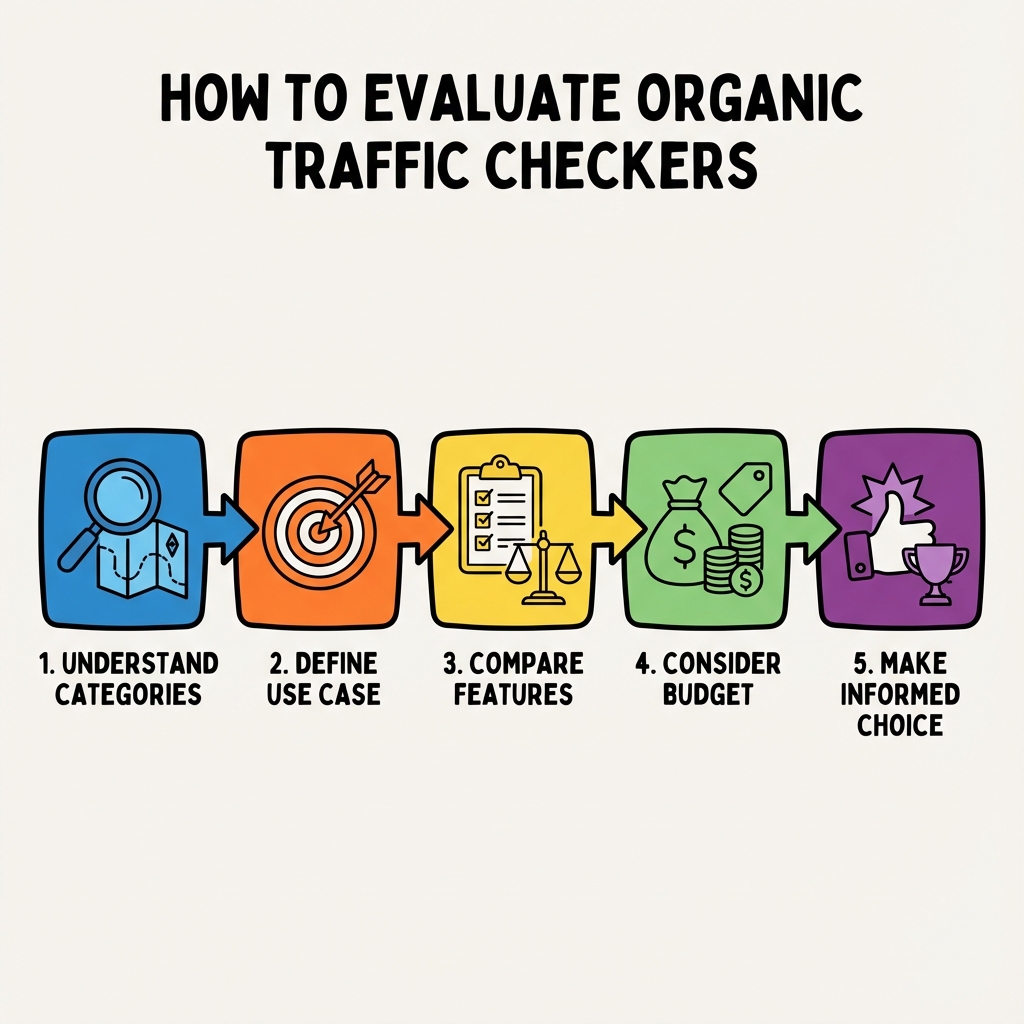
The organic traffic checker landscape includes several distinct categories, each serving different use cases and budget levels. Understanding these categories helps narrow your options before detailed feature comparisons.
All-in-one SEO platforms like SEMrush and Ahrefs provide comprehensive organic traffic analysis alongside keyword research, backlink analysis, and content optimization tools. These platforms excel for users who need multiple SEO functions in a single interface, though they typically carry higher price points.
Specialized traffic analysis tools focus exclusively on organic search performance, often providing deeper insights in this specific area. Google Search Console remains the gold standard for free organic traffic checking, offering direct data from Google's search index, though it lacks competitive analysis features.
| Tool Type | Best For | Price Range | Key Advantage |
|---|---|---|---|
| All-in-One Platforms | Agencies & Large Sites | $100-500/month | Comprehensive feature set |
| Specialized Trackers | Focused Analysis | $30-150/month | Deep traffic insights |
| Free Tools | Small Sites & Beginners | $0 | Cost-effective starting point |
| Enterprise Solutions | Large Organizations | $500+/month | Custom integrations |
How Do Free vs Paid Options Compare?
Free organic traffic checkers provide excellent starting points for new websites or businesses with limited marketing budgets. Google Search Console offers unmatched accuracy for Google search data, while tools like Google Analytics 4 provide broader traffic context including organic search performance.
However, free tools typically limit historical data access, restrict competitor analysis, and offer minimal automation features. Paid solutions justify their cost through expanded data sets, advanced filtering options, and time-saving automation that becomes valuable as your SEO efforts scale.
What Steps Should You Follow to Test and Implement Your Chosen Tool?
Begin your evaluation process with free trials or freemium versions of your top candidates. Most reputable organic traffic checkers offer trial periods that provide access to core features, allowing hands-on testing with your actual website data.
During trial periods, focus on data accuracy by comparing results across multiple tools. Cross-reference organic traffic numbers with Google Search Console data, which serves as the authoritative source for Google search performance. Look for tools that show consistent patterns, even if absolute numbers vary slightly due to different data collection methods.
Set up tracking for your most important keywords and monitor how different tools report ranking changes. The best organic traffic checkers update rankings frequently and provide clear explanations when significant fluctuations occur, helping you distinguish between normal ranking volatility and genuine performance changes.
How Can You Maximize Your Tool's Effectiveness?
Once you've selected an organic traffic checker, proper configuration ensures you extract maximum value from your investment. Start by connecting all relevant data sources, including Google Search Console, Google Analytics, and any existing SEO tools you plan to continue using.
Configure automated reporting for key stakeholders, focusing on metrics that align with business objectives rather than vanity metrics that don't drive decisions. Most automated SEO tools integrate well with traffic checkers, creating comprehensive monitoring systems that save time while improving accuracy.
Establish baseline measurements during your first month of usage, then set realistic goals for organic traffic growth. Remember that SEO results typically require 3-6 months to materialize, so focus on leading indicators like ranking improvements and click-through rate increases rather than expecting immediate traffic spikes.
How Do You Avoid Common Organic Traffic Checker Mistakes?

Many website owners make the mistake of obsessing over daily ranking fluctuations instead of focusing on longer-term trends. Search engine rankings naturally fluctuate due to algorithm updates, seasonal factors, and competitive changes. Your organic traffic checker should help identify meaningful patterns rather than causing panic over normal variations.
Another common error involves tracking too many keywords without prioritizing based on business value. Focus your monitoring efforts on keywords that directly relate to your products, services, or content goals. Quality trumps quantity when it comes to keyword tracking, especially for smaller websites with limited resources.
Data interpretation mistakes can lead to poor strategic decisions. Remember that correlation doesn't imply causation when analyzing traffic changes. Your organic traffic checker provides data, but successful SEO requires combining that data with industry knowledge and strategic thinking to make informed optimization decisions.
What Integration Opportunities Should You Consider?
Modern organic traffic checkers work best as part of integrated marketing technology stacks rather than standalone tools. Look for solutions that connect with your existing content management system, email marketing platform, and customer relationship management software.
API access enables custom integrations that automate routine tasks and create unified reporting dashboards. If you're using specialized keyword research tools, ensure your organic traffic checker can import keyword lists and track performance for terms identified through separate research processes.
Conclusion
Selecting the right organic traffic checker requires balancing your specific needs, budget constraints, and growth objectives. The most expensive tool isn't necessarily the best choice, nor is the cheapest option always sufficient for serious SEO efforts. Focus on finding a solution that provides accurate data, saves time through automation, and scales with your business growth.
Start with free tools to understand your baseline requirements, then upgrade to paid solutions when you need advanced features like competitor analysis or historical data access. Remember that your organic traffic checker is just one component of a successful SEO strategy, working best when combined with quality content creation, technical optimization, and strategic link building.
Ready to boost your website's organic search performance? Fast SEO Fix offers comprehensive SEO solutions that complement your traffic analysis efforts, helping transform insights into measurable results. Contact us today to discover how our automated SEO tools can accelerate your organic growth while you focus on creating exceptional content for your audience.

Stefan Winter
Founder & SEO Expert
Founder of Fast SEO Fix and SEO automation expert. Stefan built Fast SEO Fix to solve the tedious problem of manual SEO work. He specializes in SEO optimized content generation, keyword research, and automated SEO strategies.
