What Is SEO and Why Does It Matter for Your Website?
Posted by
 Stefan Winter
How to Master SEO: A Complete Guide to What SEO Is and How It Works
If you've ever wondered why some websites appear at the top of Google search results while others remain buried on page five, you're about to discover the answer. Search Engine Optimization (SEO) is the digital marketing strategy that can transform your website from invisible to irresistible. In this comprehensive guide, you'll learn exactly what SEO is, how search engines work behind the scenes, and most importantly, how to implement SEO strategies that actually drive results for your business.
What Is SEO and Why Does It Matter for Your Website?
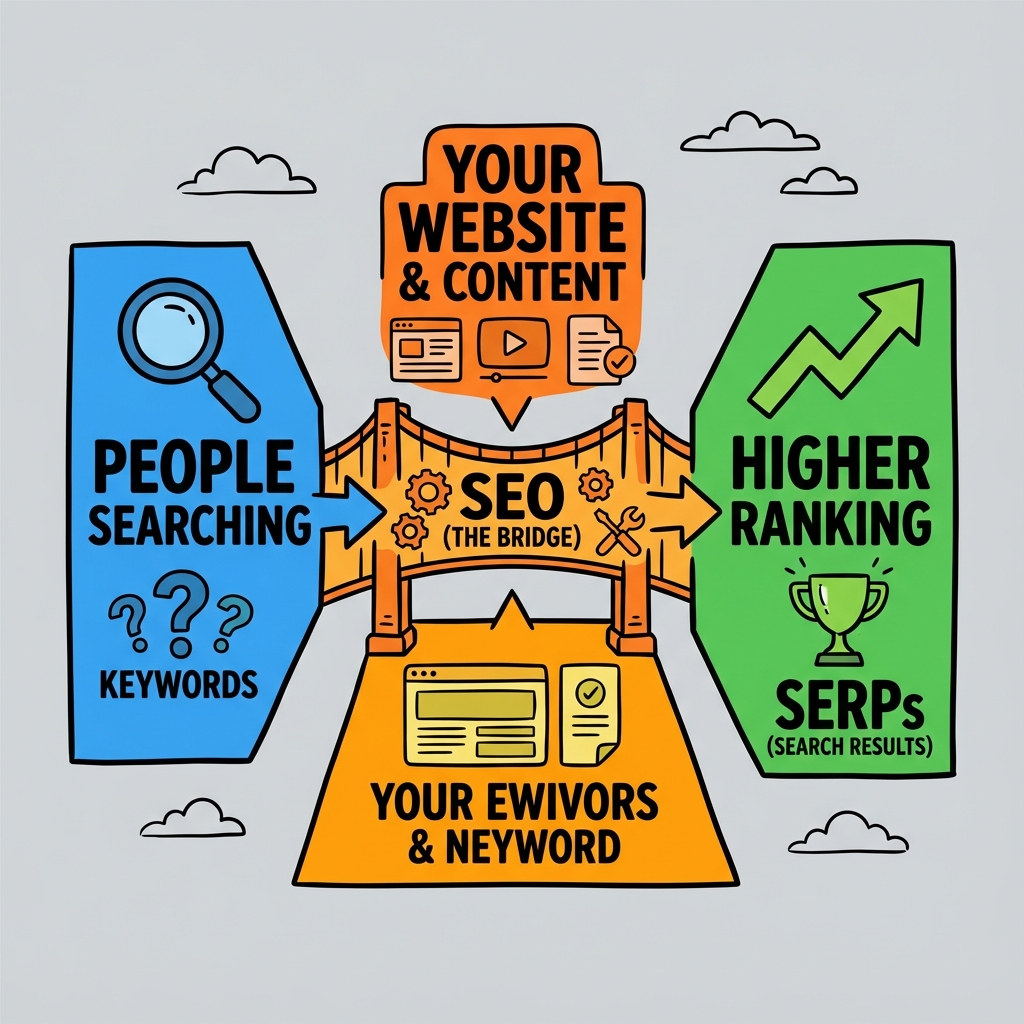
SEO stands for Search Engine Optimization, which is the practice of optimizing your website and content to rank higher in search engine results pages (SERPs). Think of SEO as the bridge between what people are searching for online and the content you provide to fill that need.
At its core, SEO involves making strategic changes to your website design and content to make your site more attractive to search engines like Google, Bing, and Yahoo. When search engines find your site relevant and authoritative, they reward you with higher rankings, which translates to more visibility, traffic, and potential customers.
The importance of SEO cannot be overstated in today's digital landscape. According to Google's own research, 53% of website traffic comes from organic search results. This means that more than half of your potential visitors are finding websites through search engines, making SEO one of the most cost-effective marketing strategies available.
How Do Search Engines Actually Work?
Understanding how search engines operate is crucial for implementing effective SEO strategies. Search engines use complex algorithms to crawl, index, and rank billions of web pages, but the process can be broken down into three main stages.
Crawling is the first step, where search engine bots (also called spiders or crawlers) systematically browse the internet, following links from page to page. These bots discover new content and updates to existing pages. Indexing comes next, where search engines analyze and store the information they've crawled in massive databases. During this process, search engines try to understand what each page is about, examining factors like content quality, keywords, images, and page structure.The final stage is ranking, where search engines determine which pages should appear for specific search queries. This is where SEO becomes critical. Search engines use hundreds of ranking factors to decide which pages deserve the top spots, including content relevance, website authority, user experience signals, and technical performance.
What Are the Key Ranking Factors Search Engines Consider?
Search engines evaluate websites based on numerous criteria, but some factors carry more weight than others. Content quality remains the foundation of good SEO, as search engines prioritize pages that provide comprehensive, accurate, and valuable information to users.
Technical factors also play a significant role in how search engines assess your website. Page loading speed, mobile responsiveness, and secure HTTPS connections all influence your rankings. Additionally, search engines analyze your website's structure, including how easy it is to navigate and whether your URLs are clean and descriptive.
Authority and trustworthiness represent another crucial ranking category. Search engines measure this through backlinks from other reputable websites, consistent business information across the web, and positive user engagement signals like time spent on your site and low bounce rates.
How to Implement On-Page SEO That Search Engines Love
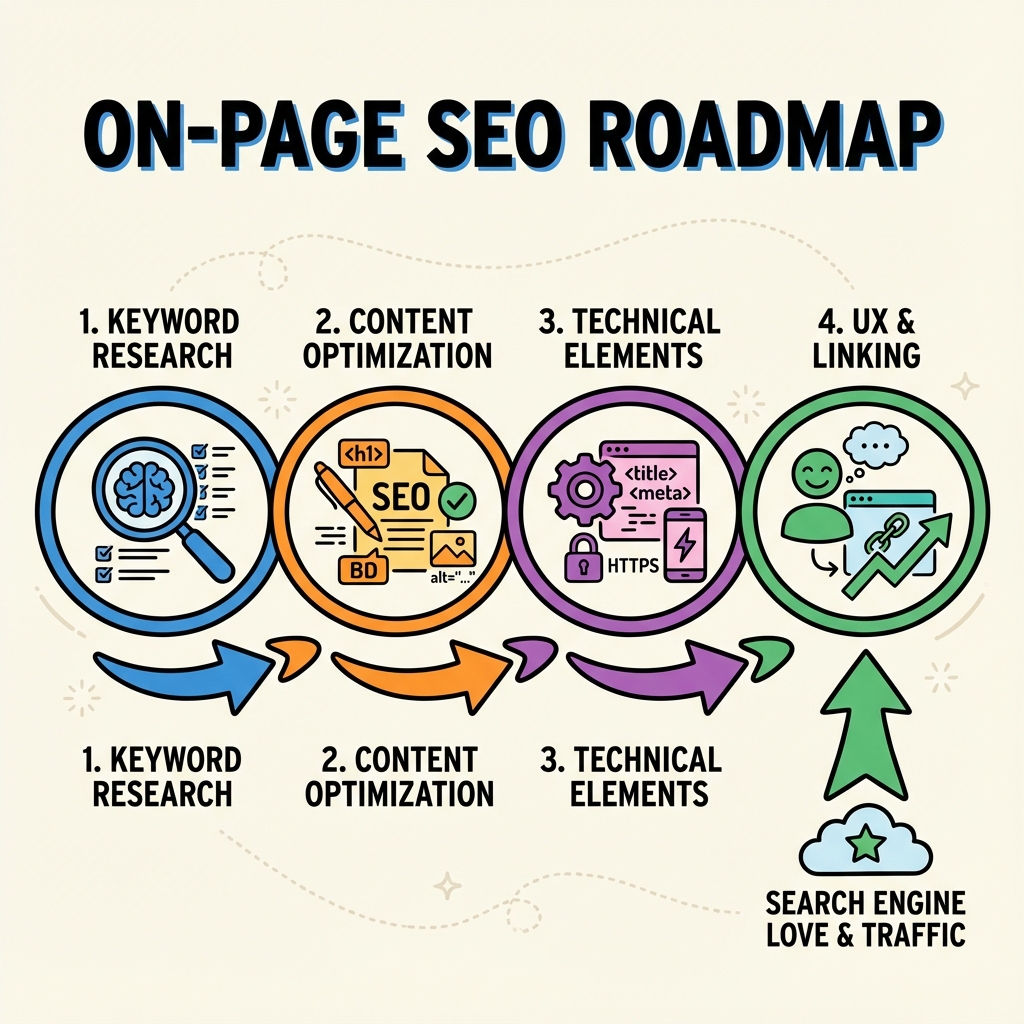
On-page SEO involves optimizing individual web pages to rank higher and earn more relevant traffic. This process starts with thorough keyword research to understand what your target audience is searching for. What makes a free keyword research tool worth using? can help you identify the most valuable search terms for your business.
Once you've identified your target keywords, strategic placement becomes essential. Your primary keyword should appear in your page title, meta description, main heading (H1), and naturally throughout your content. However, avoid keyword stuffing, which can actually harm your rankings. Instead, focus on creating content that naturally incorporates your keywords while providing genuine value to readers.
Content optimization extends beyond keywords to include proper heading structure, internal linking, and multimedia elements. Use H2 and H3 headings to organize your content logically, making it easier for both users and search engines to understand your page structure. Include relevant images with descriptive alt text, and ensure your content answers the questions your audience is asking.
| On-Page SEO Element | Primary Function | Best Practice |
|---|---|---|
| Title Tag | Tells search engines what the page is about | Include primary keyword, keep under 60 characters |
| Meta Description | Summarizes page content for search results | Write compelling copy with keywords, 150-160 characters |
| H1 Heading | Main page topic indicator | One per page, include primary keyword |
| Internal Links | Distribute page authority, improve navigation | Link to relevant pages with descriptive anchor text |
| Image Alt Text | Describes images for accessibility and SEO | Be descriptive, include keywords when relevant |
How Does Off-Page SEO Build Your Website's Authority?
Off-page SEO encompasses all the activities you do outside your website to improve your search engine rankings. The most important off-page factor is building high-quality backlinks from other websites. When reputable sites link to your content, search engines interpret this as a vote of confidence in your expertise and authority.
Link building requires a strategic approach focused on earning links naturally through valuable content creation. This might involve creating comprehensive guides, conducting original research, or developing useful tools that other websites want to reference. Guest posting on relevant industry blogs and participating in legitimate online communities can also help you build authoritative backlinks.
Social media signals and online reviews also contribute to your off-page SEO efforts. While social media links may not directly impact rankings, they increase your content's visibility and can lead to more backlinks. Similarly, positive reviews on Google My Business and other platforms help establish trust and credibility with both search engines and potential customers.
How Can You Monitor and Measure Your Off-Page SEO Success?
Tracking your off-page SEO progress requires monitoring several key metrics. Backlink quantity and quality serve as primary indicators of your link-building success. Tools like Google Search Console provide free insights into which websites are linking to yours and how those links are performing.
Domain authority and page authority scores, while not official Google metrics, offer useful benchmarks for comparing your site's strength against competitors. These scores typically improve as you earn more high-quality backlinks and establish greater online authority in your industry.
How to Leverage Technical SEO for Better Search Performance
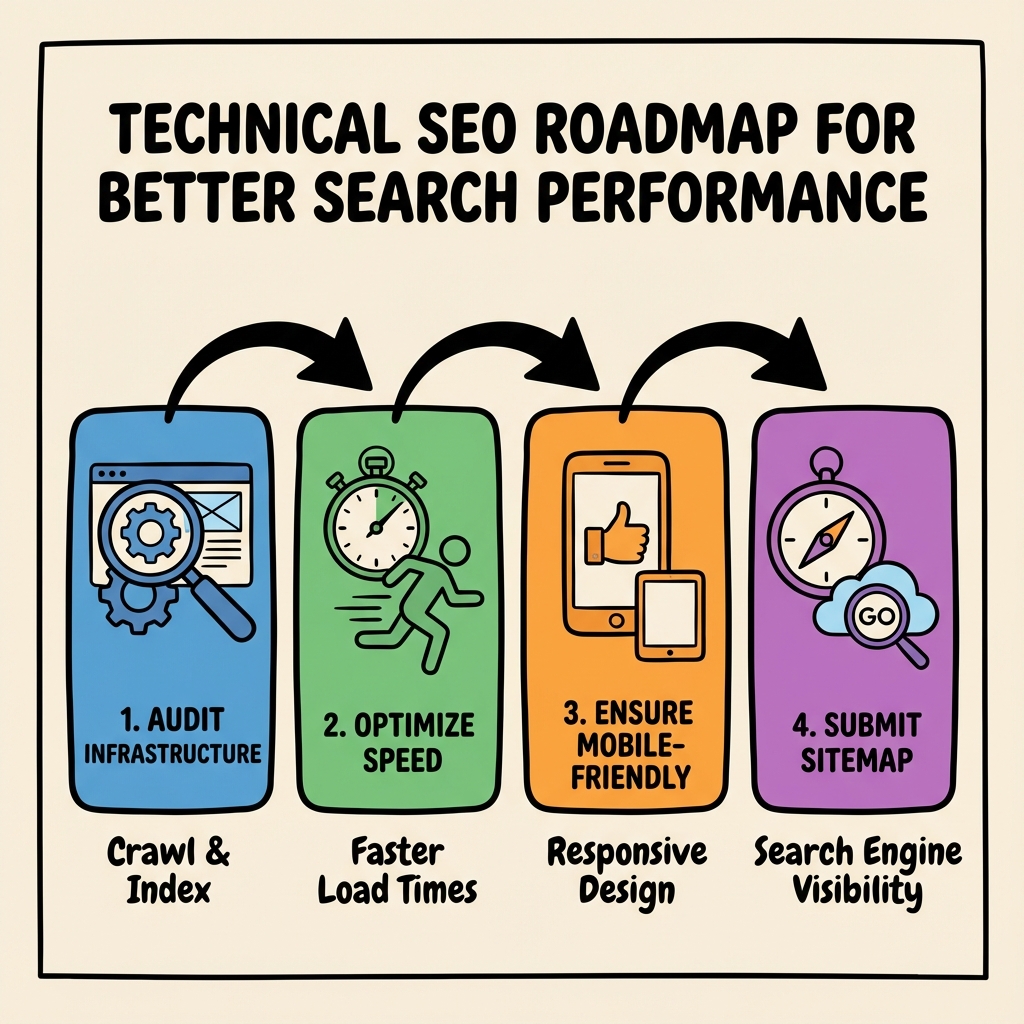
Technical SEO focuses on optimizing your website's infrastructure to help search engines crawl, index, and understand your content more effectively. This foundation supports all your other SEO efforts and can significantly impact your search visibility.
Website speed optimization represents one of the most critical technical factors. Google's Core Web Vitals have made page speed an official ranking factor, with faster-loading pages receiving preference in search results. Optimize your images, minimize HTTP requests, and consider using a content delivery network (CDN) to improve loading times across different geographic locations.
Mobile optimization has become non-negotiable as mobile searches now account for more than half of all Google searches. Ensure your website uses responsive design that adapts seamlessly to different screen sizes. Test your site's mobile performance regularly and address any usability issues that could frustrate mobile users.
What Technical Elements Should You Prioritize?
Several technical elements deserve immediate attention in your SEO strategy. XML sitemaps help search engines discover and index your pages more efficiently. Create and submit sitemaps through Google Search Console to ensure all your important pages are being crawled.
URL structure optimization makes your website more user-friendly and search engine-friendly. Use descriptive, keyword-rich URLs that clearly indicate what each page contains. Avoid using generic parameters or unnecessarily complex URL structures that confuse both users and search engines.
SSL certificates and HTTPS implementation provide security benefits while also serving as a minor ranking factor. Search engines prefer secure websites, and users are more likely to trust sites that display security indicators in their browsers.
How Can Automated SEO Tools Streamline Your Optimization Process?
Managing SEO manually can be overwhelming, especially for larger websites or businesses with limited resources. What are automated SEO tools and why do they matter? This is where automation becomes invaluable for maintaining consistent optimization efforts.
Automated SEO tools can handle repetitive tasks like monitoring keyword rankings, tracking backlinks, and identifying technical issues. These tools free up your time to focus on strategy and content creation while ensuring that routine SEO maintenance doesn't fall through the cracks.
When selecting SEO tools, look for platforms that offer comprehensive features including keyword tracking, competitor analysis, and technical auditing capabilities. What are free SEO software tools and why do they matter? can help you get started without a significant financial investment.
How Long Does It Take to See SEO Results?
SEO is a long-term strategy that requires patience and persistence. Most websites begin seeing initial improvements within 3-6 months of implementing consistent SEO practices, but significant results typically take 6-12 months or longer to materialize.
Several factors influence how quickly you'll see results, including your website's current authority, competition level in your industry, and the quality of your SEO implementation. New websites generally take longer to rank compared to established sites with existing authority and backlink profiles.
The key to SEO success lies in maintaining consistent effort over time rather than expecting immediate results. Focus on creating valuable content, building authoritative backlinks, and continuously improving your technical foundation. What does it really mean to improve SEO on Google? involves this long-term commitment to optimization excellence.
Conclusion
SEO is both an art and a science that requires understanding how search engines work and implementing strategies that align with their algorithms. By focusing on creating valuable content, optimizing your technical foundation, and building authority through quality backlinks, you can significantly improve your website's search visibility and organic traffic.
Remember that SEO success comes from consistent, long-term effort rather than quick fixes or shortcuts. Start with the fundamentals covered in this guide, monitor your progress regularly, and continuously refine your approach based on performance data and algorithm updates.
Ready to transform your website's search performance? Fast SEO Fix offers comprehensive SEO solutions designed to help businesses achieve sustainable organic growth. Contact us today to discover how our automated SEO tools and expert strategies can accelerate your search engine success.

Stefan Winter
Founder & SEO Expert
Founder of Fast SEO Fix and SEO automation expert. Stefan built Fast SEO Fix to solve the tedious problem of manual SEO work. He specializes in SEO optimized content generation, keyword research, and automated SEO strategies.
