What Does It Really Mean to Improve SEO on Google?
Posted by
 Stefan Winter
The Complete Guide to How to Improve SEO on Google in 2024
Google processes over 8.5 billion searches daily, making it the gateway to online visibility for businesses worldwide. If your website isn't ranking well, you're missing out on massive organic traffic opportunities. The good news? Improving your SEO on Google doesn't require magic or expensive tools. It requires understanding Google's ranking factors and implementing proven strategies consistently.
This comprehensive guide walks you through every essential step to boost your Google rankings in 2024. From technical optimizations to content strategies, you'll discover actionable tactics that drive real results.
What Does It Really Mean to Improve SEO on Google?
Improving SEO on Google means optimizing your website to rank higher in Google's search results for relevant keywords. This involves making your site more valuable to users while following Google's quality guidelines.
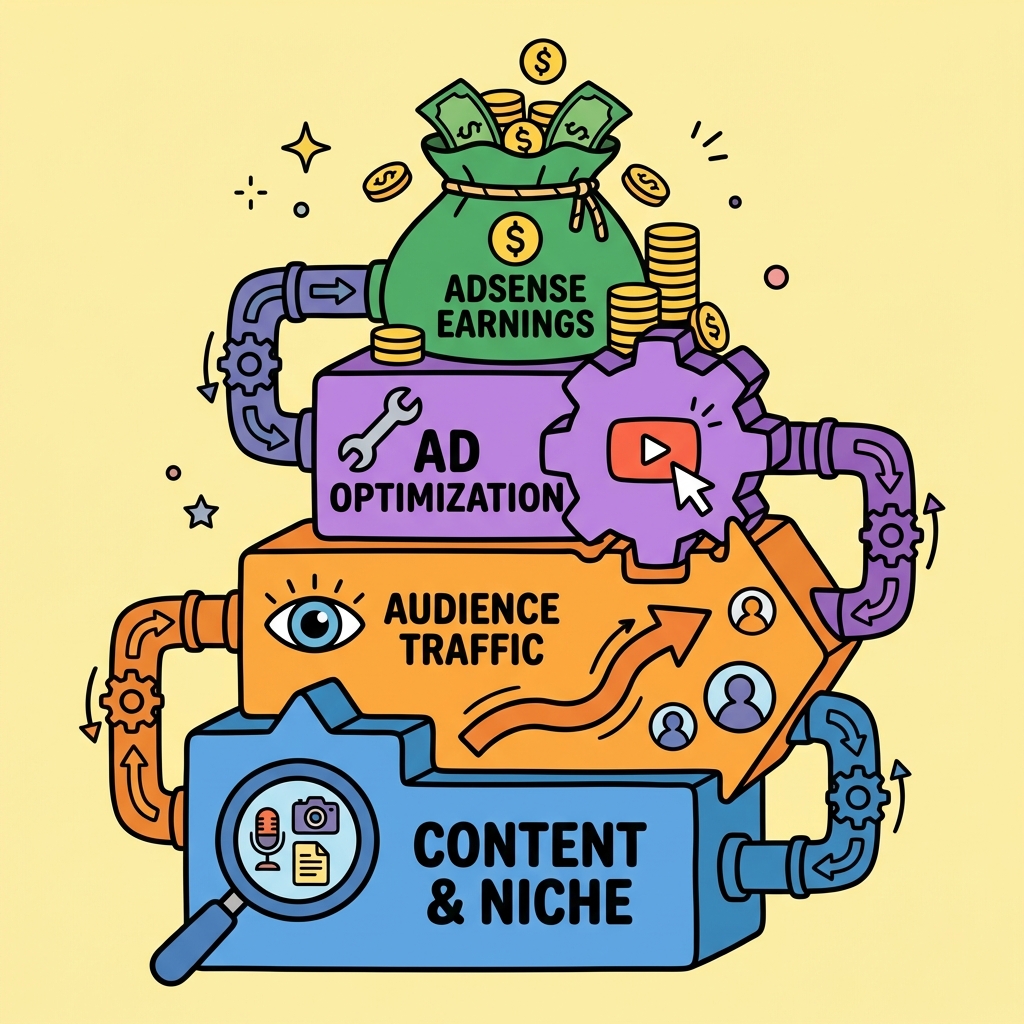
Google's algorithm considers over 200 ranking factors, but they fall into three main categories: content quality, technical performance, and authority signals. When you improve these areas systematically, your rankings improve naturally.
The key difference between successful and struggling websites isn't luck or budget. It's understanding that Google rewards websites that genuinely serve user intent better than competitors.
How to Conduct Strategic Keyword Research for Google Rankings
Effective keyword research forms the foundation of any successful SEO strategy. Start by identifying what your target audience actually searches for, not what you think they search for.
Use Google's autocomplete feature by typing your main topic and noting the suggested completions. These suggestions represent real user queries with significant search volume. Google Keyword Planner provides official search volume data directly from Google's database.
Focus on long-tail keywords (3-5 words) rather than single broad terms. Long-tail keywords typically have lower competition and higher conversion rates because they capture more specific user intent. For example, "best running shoes for flat feet" converts better than just "running shoes."
| Keyword Type | Competition Level | Conversion Rate | Recommended for New Sites |
|---|---|---|---|
| Short-tail (1-2 words) | High | Low | No |
| Medium-tail (2-3 words) | Medium | Medium | Sometimes |
| Long-tail (3+ words) | Low | High | Yes |
| Local keywords | Low-Medium | Very High | Yes |
How to Optimize Your Content for Google's Algorithm
Content optimization goes beyond stuffing keywords into paragraphs. Google's RankBrain AI evaluates content quality based on user engagement signals like time on page, bounce rate, and click-through rates.
Structure your content to answer user questions comprehensively. Use the "inverted pyramid" approach: put the most important information first, then provide supporting details. This matches how users scan content and helps Google understand your page's primary focus.
Include your target keyword naturally in the title, first paragraph, and several subheadings. However, prioritize readability over keyword density. Google's helpful content guidelines emphasize that content should be created for people first, search engines second.
Create content clusters around your main topics. When you publish multiple related articles that link to each other, Google recognizes your site as an authority on that subject. This topical authority significantly boosts rankings for all related keywords.
What Technical SEO Factors Impact Google Rankings Most?

Technical SEO ensures Google can crawl, index, and understand your website efficiently. Page speed stands as one of the most critical technical factors, especially after Google's Core Web Vitals update.
Optimize your images by compressing them and using modern formats like WebP. Large images are the primary cause of slow loading times. Use tools like Google PageSpeed Insights to identify specific performance issues and get actionable recommendations.
Ensure your website works perfectly on mobile devices. Google uses mobile-first indexing, meaning it primarily evaluates the mobile version of your site for ranking purposes. Test your site on various devices and screen sizes regularly.
Create and submit an XML sitemap to Google Search Console. This helps Google discover and index your pages more efficiently. Include only your most important pages in the sitemap and update it whenever you publish new content.
How to Fix Common Technical SEO Issues
Start with Google Search Console to identify crawl errors, indexing problems, and security issues. Address any "Coverage" errors first, as these prevent pages from appearing in search results entirely.
Fix broken internal links using tools like Screaming Frog or similar crawling software. Broken links create poor user experiences and waste Google's crawl budget on your site.
Implement structured data markup to help Google understand your content better. Schema markup can improve your search appearance with rich snippets, potentially increasing click-through rates significantly.
How to Build Authority and Trust with Google
Google evaluates your site's authority through backlinks, brand mentions, and user behavior signals. High-quality backlinks from reputable websites act as votes of confidence in your content.
Focus on earning links through valuable content rather than purchasing them. Create comprehensive resources, original research, or tools that other websites naturally want to reference. Guest posting on relevant, high-authority sites in your industry can also build valuable connections.
Establish your expertise, authoritativeness, and trustworthiness (E-A-T) by including author bios, contact information, and credentials on your site. For topics that could impact health, finances, or safety, Google scrutinizes E-A-T signals even more carefully.
Monitor your online reputation actively. Respond to reviews professionally and address any negative feedback constructively. Google considers brand reputation signals when determining rankings, especially for local businesses.
How to Leverage Google Search Console for SEO Improvements
Google Search Console provides direct insights into how Google sees your website. The Performance report shows which keywords drive traffic and which pages rank well, helping you identify optimization opportunities.
Use the URL Inspection tool to check if specific pages are indexed correctly. If important pages aren't indexed, this tool reveals the reasons and suggests solutions.
The Core Web Vitals report highlights pages with poor user experience metrics. Prioritize fixing pages that receive significant traffic but have poor vitals scores, as these improvements can boost rankings quickly.
Set up automated email alerts for critical issues like security problems or significant crawl errors. Early detection allows you to fix problems before they impact your rankings severely.
How to Create an SEO Content Strategy That Works

Develop a content calendar that targets different stages of the buyer's journey. Create informational content for users in the research phase and more specific, product-focused content for users ready to make decisions.
Understanding what makes blog posts examples worth studying can help you create more effective content that resonates with both users and search engines.
Analyze your competitors' top-performing content to identify content gaps you can fill. Look for topics they cover superficially that you could address more comprehensively.
Update and refresh existing content regularly. Google favors fresh, current information. Add new sections, update statistics, and improve formatting on your best-performing pages to maintain their rankings.
How to Track and Measure Your SEO Progress
Set up proper analytics tracking to measure your SEO improvements accurately. Google Analytics 4 provides detailed insights into organic traffic patterns, user behavior, and conversion rates from search.
Track keyword rankings for your target terms, but don't obsess over daily fluctuations. Focus on long-term trends and overall visibility improvements across multiple keywords.
Monitor your click-through rates from search results. If your rankings improve but CTR remains low, optimize your title tags and meta descriptions to make them more compelling.
Consider implementing automated SEO solutions to streamline repetitive optimization tasks and ensure consistent implementation across your site.
How to Stay Updated with Google's Algorithm Changes
Google releases thousands of algorithm updates annually, though most are minor. Focus on major updates that Google announces officially through their blog or social media channels.
Follow reputable SEO news sources like Search Engine Land, Search Engine Journal, and Google's own Webmaster Blog for accurate information about algorithm changes and best practices.
Join SEO communities and forums where professionals discuss the impact of updates on real websites. However, be cautious of unverified claims and always test strategies on your own site.
The key to surviving algorithm updates is focusing on fundamental SEO principles rather than trying to game the system. Sites that provide genuine value to users typically weather algorithm changes successfully.
Conclusion
Improving your SEO on Google requires a systematic approach that combines technical excellence, valuable content creation, and strategic optimization. The strategies outlined in this guide provide a solid foundation for boosting your Google rankings in 2024.
Remember that SEO is a long-term investment, not a quick fix. Consistent implementation of these tactics over several months typically produces significant results. Start with the technical foundations, then build upon them with high-quality content and strategic promotion.
Ready to accelerate your SEO results? Fast SEO Fix specializes in helping websites achieve better Google rankings through proven optimization strategies. Contact us today to discover how our expertise can transform your search visibility and drive more organic traffic to your business.

Stefan Winter
Founder & SEO Expert
Founder of Fast SEO Fix and SEO automation expert. Stefan built Fast SEO Fix to solve the tedious problem of manual SEO work. He specializes in SEO optimized content generation, keyword research, and automated SEO strategies.
