Why Free Keyword Research Tools Matter for Your SEO Success
Posted by
 Stefan Winter
How to Find the Perfect Keyword Research Tool Free of Cost in 2024
Finding effective keyword research tools without breaking the bank can feel like searching for a needle in a haystack. With so many options claiming to be the best, how do you identify truly valuable free keyword research tools that deliver real results? This comprehensive guide will walk you through the step-by-step process of discovering, evaluating, and maximizing free keyword research tools that can transform your SEO strategy without costing you a dime.
Why Free Keyword Research Tools Matter for Your SEO Success
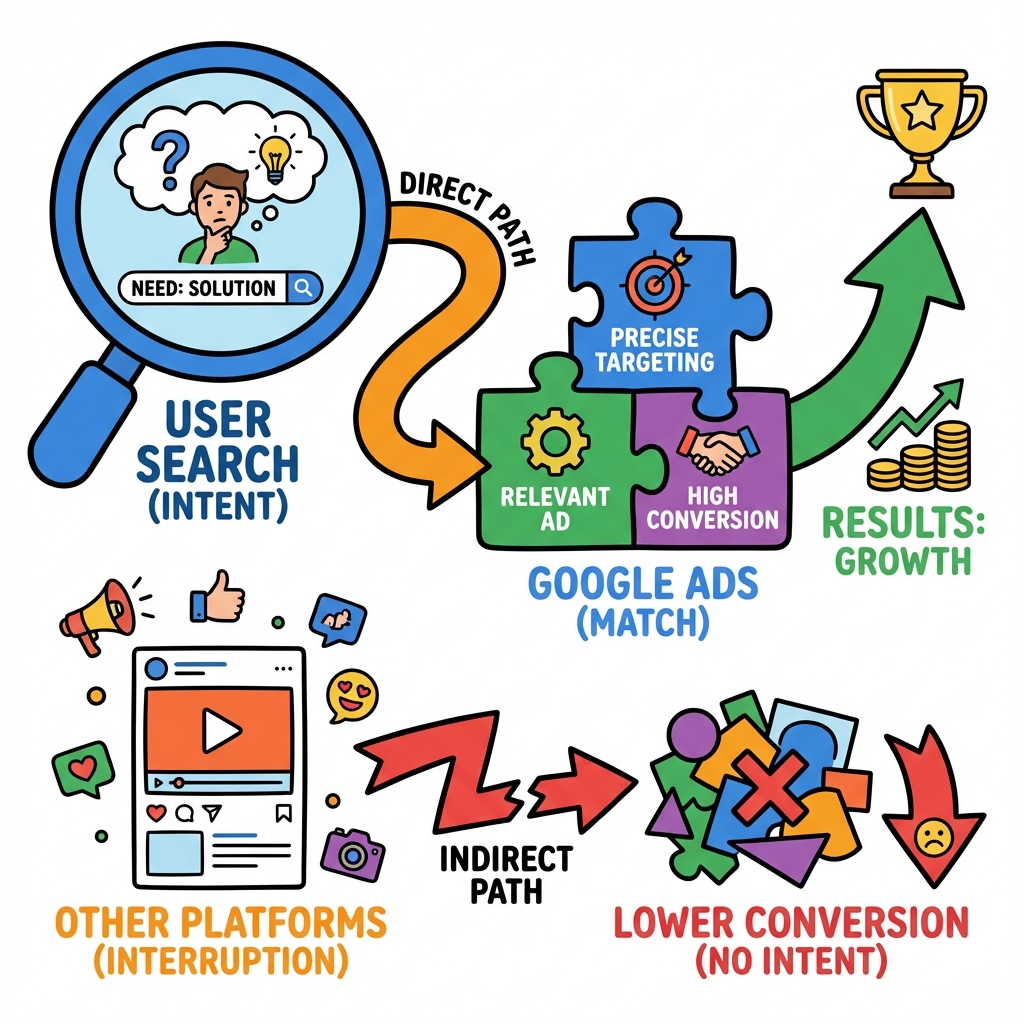
Free keyword research tools serve as the foundation for successful SEO campaigns, especially for small businesses and individual website owners operating on tight budgets. These tools provide essential insights into search volume, competition levels, and keyword opportunities that can significantly impact your organic traffic growth.
The beauty of free keyword research tools lies in their accessibility and immediate value. Unlike premium alternatives that require monthly subscriptions, free tools allow you to experiment, learn, and develop your keyword strategy without financial commitment. Many successful websites have built their entire SEO foundation using exclusively free tools, proving that budget constraints don't have to limit your potential for achieving higher Google rankings.
However, not all free keyword research tools are created equal. Some offer limited functionality, while others provide surprisingly comprehensive features that rival paid alternatives. The key is knowing how to identify the diamonds in the rough and leverage them effectively for your specific needs.
Step 1: How to Identify Legitimate Free Keyword Research Tools
The first step in finding quality free keyword research tools involves distinguishing between genuinely free options and "freemium" tools with severe limitations. Start by researching tools that offer substantial functionality without requiring immediate payment or credit card information.
Begin your search by exploring well-established platforms like Google's own suite of free tools. Google Keyword Planner remains one of the most reliable options, providing direct access to Google's search data. Additionally, investigate tools from reputable SEO companies that offer free tiers as part of their marketing strategy.
Create a list of potential tools and note their specific limitations. Some tools might restrict the number of searches per day, while others may limit the depth of data provided. Understanding these constraints upfront helps you plan your keyword research sessions more effectively and avoid frustration later in the process.
What Features Should You Look for in Free Tools?
When evaluating free keyword research tools, prioritize those offering search volume data, keyword difficulty scores, and related keyword suggestions. These three features form the core of effective keyword research and provide the foundation for making informed SEO decisions.
Look for tools that display historical search trends, as this information helps identify seasonal patterns and long-term keyword viability. Additionally, seek platforms that offer competitor keyword analysis, even in limited form, as understanding your competition's keyword strategy provides valuable strategic insights.
Step 2: How to Set Up and Configure Your Free Keyword Research Tools
Once you've identified promising free keyword research tools, proper setup becomes crucial for maximizing their effectiveness. Start by creating accounts with your chosen platforms and completing any verification processes required for full access to features.
Configure your tools with accurate location and language settings that match your target audience. Many free tools default to broad geographic settings, but narrowing your focus to specific regions or countries provides more relevant and actionable keyword data for local SEO strategies.
Establish a systematic approach for organizing your keyword research data. Create spreadsheets or documents to track findings from different tools, as free platforms often don't offer robust data export options. This organization proves invaluable when comparing results across multiple tools and building comprehensive keyword lists.
Step 3: How to Execute Effective Keyword Research Using Free Tools
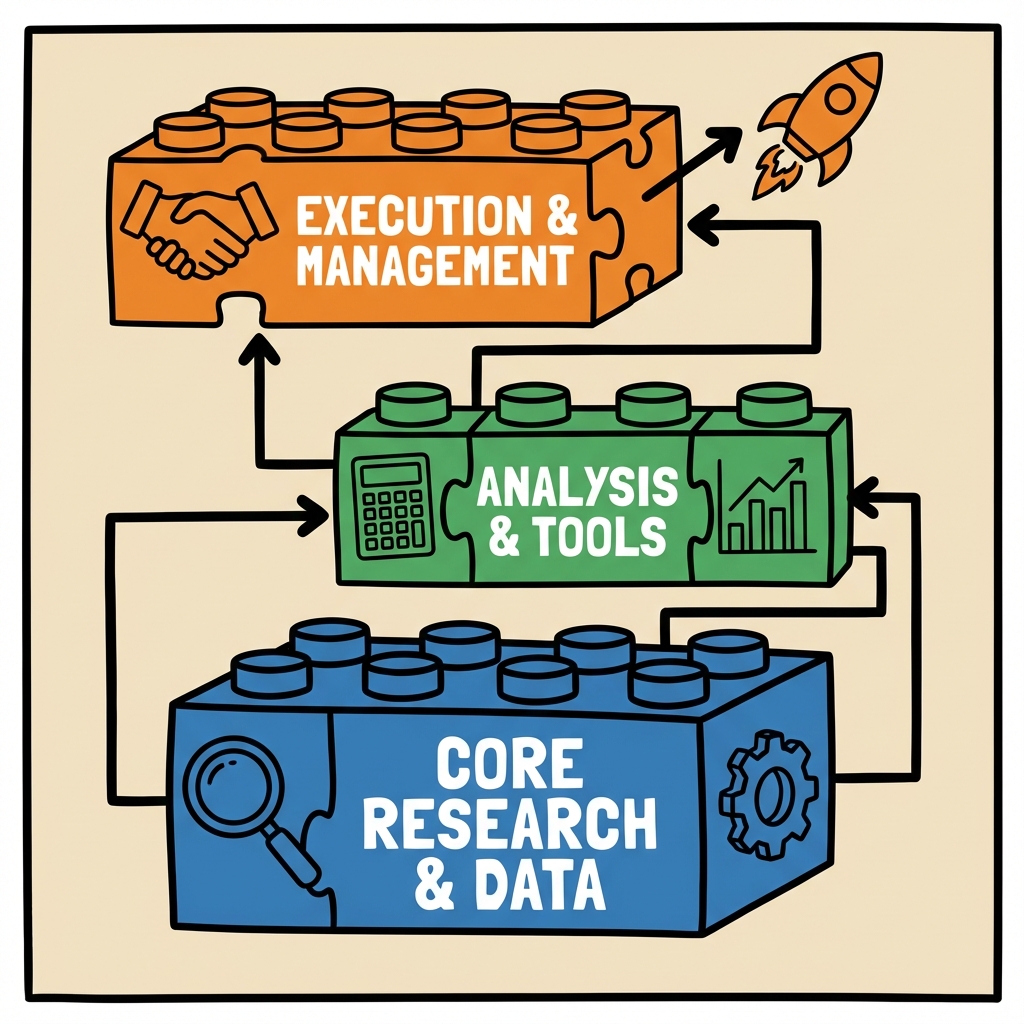
Begin your keyword research process by brainstorming seed keywords related to your business, products, or content topics. Input these initial terms into your selected free tools and analyze the suggested variations and related keywords that appear in the results.
Pay close attention to long-tail keyword opportunities, as these often present the best chances for ranking success with limited resources. Free tools excel at uncovering these specific, lower-competition phrases that can drive targeted traffic to your website.
Document search volumes, competition levels, and keyword difficulty scores for each potential keyword. While free tools may not provide exact numbers, they typically offer relative comparisons that help prioritize your keyword targets effectively.
How to Analyze Keyword Competition Without Premium Features?
Free keyword research tools often limit competition analysis features, but you can still gather valuable competitive intelligence through creative approaches. Use Google search results to manually assess competition by searching for your target keywords and analyzing the types of websites ranking on the first page.
Look for patterns in competitor content, page structures, and optimization strategies. This manual analysis, while time-consuming, often reveals insights that automated tools miss and helps you identify realistic ranking opportunities within your niche.
Step 4: How to Maximize Free Tool Limitations Through Strategic Planning
Free keyword research tools typically impose daily search limits or restrict access to certain features. Work within these constraints by planning your research sessions strategically and focusing on your most important keyword opportunities first.
Rotate between multiple free tools to extend your research capacity. Different platforms often provide unique keyword suggestions and data perspectives, so using several tools simultaneously creates a more comprehensive view of your keyword landscape.
Consider timing your research sessions to align with tool refresh cycles. Many free platforms reset daily limits at specific times, allowing you to maximize your available searches by planning accordingly.
Comparison of Top Free Keyword Research Tools
| Tool | Daily Searches | Search Volume Data | Keyword Difficulty | Related Keywords | Best For |
|---|---|---|---|---|---|
| Google Keyword Planner | Unlimited* | Yes | Limited | Extensive | PPC and broad research |
| Ubersuggest | 3 searches | Yes | Yes | Limited | Quick competitive analysis |
| AnswerThePublic | 3 searches | No | No | Extensive | Content ideation |
| Google Trends | Unlimited | Relative | No | Limited | Trend analysis |
| Keyword Surfer | Unlimited | Yes | No | Yes | Browser-based research |
How to Validate Your Keyword Research Results?

Validation represents a critical step often overlooked when using free keyword research tools. Cross-reference your findings across multiple platforms to identify consistent patterns and eliminate outliers that might skew your strategy.
Test your selected keywords through actual Google searches to understand the current competitive landscape. Analyze the search engine results pages (SERPs) for your target terms, noting the types of content that rank well and identifying opportunities for differentiation.
Use Google's "People also ask" and "Related searches" sections to discover additional keyword variations that free tools might have missed. These features provide direct insight into user search behavior and can reveal valuable long-tail opportunities.
Advanced Strategies for Free Keyword Research Success
Leverage social media platforms and forums to identify emerging keyword trends and user language patterns. Reddit, Quora, and industry-specific communities often reveal how real users discuss topics related to your business, providing authentic keyword inspiration.
Combine free keyword research tools with Google Analytics and Search Console data if you have existing website traffic. This combination reveals which keywords already drive traffic to your site and highlights opportunities for expansion and optimization.
Monitor your competitors' content publication patterns to identify keyword opportunities they might be targeting. While you can't see their exact keyword strategy, analyzing their content topics and timing can reveal strategic insights for your own blog posts and content creation.
How to Scale Your Keyword Research as Your Business Grows?
As your website gains traction and your SEO knowledge expands, your keyword research needs will evolve beyond what free tools can provide. Plan for this growth by maintaining detailed records of your free tool research and results, creating a valuable database for future reference.
Consider the transition to paid tools as an investment rather than an expense when your business reaches the point where comprehensive keyword data becomes essential for continued growth. The foundation you build with free tools will make this transition smoother and more strategic.
According to Moz's Beginner's Guide to SEO, successful keyword research forms the backbone of effective SEO strategies, regardless of the tools used to conduct it.
Conclusion
Finding and effectively using free keyword research tools requires patience, creativity, and strategic thinking, but the results can be transformational for your SEO success. By following this step-by-step approach, you can build a robust keyword strategy without spending money on expensive premium tools. Remember that the most sophisticated tool means nothing without proper implementation and consistent effort.
The key to success lies not in having access to the most expensive keyword research tools, but in understanding how to maximize the resources available to you. Start implementing these strategies today, and you'll be amazed at how much valuable keyword intelligence you can gather without spending a single dollar.
Ready to take your SEO strategy to the next level? Explore how Fast SEO Fix can help automate and optimize your keyword research process for even better results.

Stefan Winter
Founder & SEO Expert
Founder of Fast SEO Fix and SEO automation expert. Stefan built Fast SEO Fix to solve the tedious problem of manual SEO work. He specializes in SEO optimized content generation, keyword research, and automated SEO strategies.
