The Complete Guide to DIY SEO: Master Search Engine Optimization Without Breaking the Bank
Posted by
 Stefan Winter
The Complete Guide to DIY SEO: Master Search Engine Optimization Without Breaking the Bank
Small business owners and entrepreneurs face a common challenge: how to improve their website's search engine visibility without hiring expensive agencies or consultants. The solution lies in mastering DIY SEO, a cost-effective approach that puts you in control of your digital marketing destiny. This comprehensive guide will walk you through everything you need to know about implementing effective search engine optimization strategies on your own, from basic fundamentals to advanced techniques that deliver real results.
What is DIY SEO and Why Should You Care?
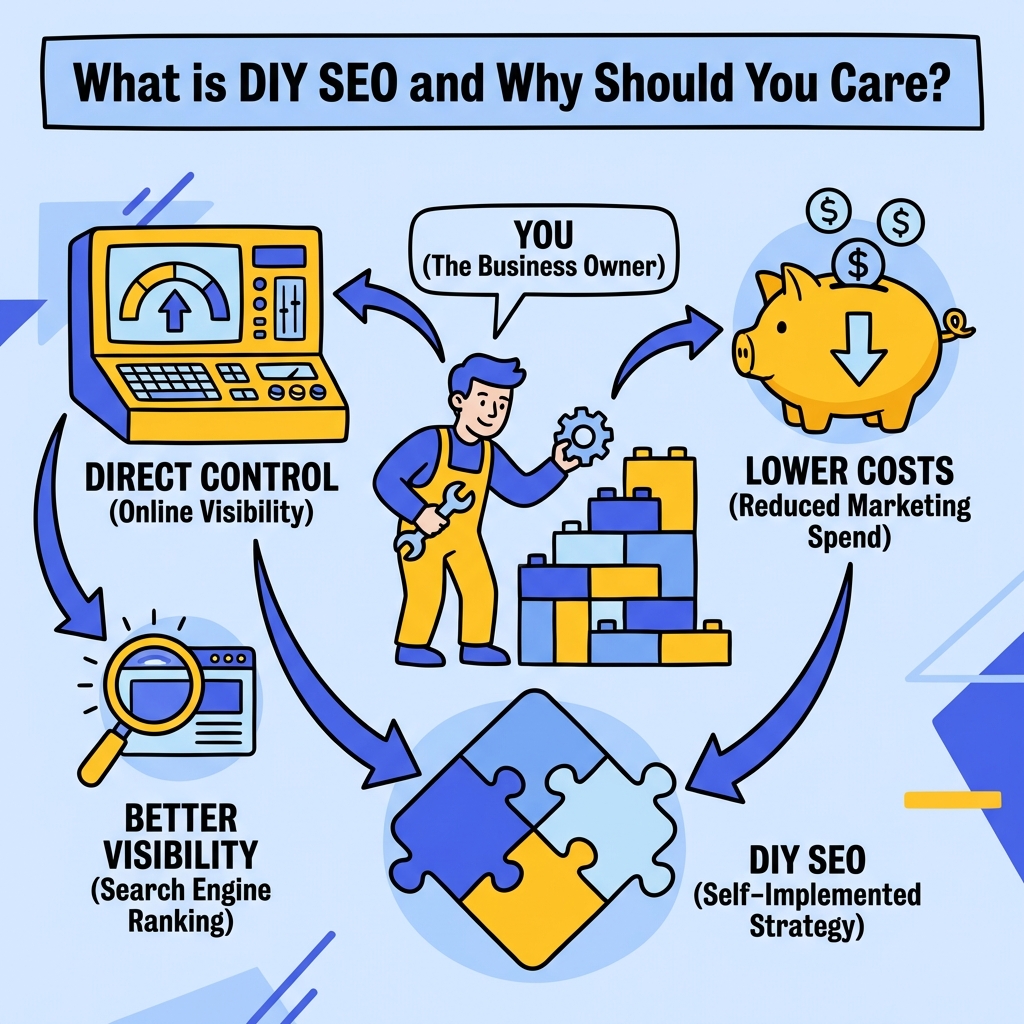
DIY SEO refers to the practice of implementing search engine optimization strategies yourself, without relying on external agencies or consultants. This approach empowers business owners to take direct control of their online visibility while significantly reducing marketing costs.
The benefits of handling your own SEO extend far beyond cost savings. When you manage your optimization efforts personally, you develop an intimate understanding of your audience's search behavior and can quickly adapt strategies based on real-time performance data. This hands-on approach often leads to more authentic, targeted content that resonates with your specific customer base.
Many successful businesses started with DIY SEO and continue using these strategies even as they grow. The skills you develop through this process become invaluable assets that inform all your future marketing decisions and help you communicate more effectively with any SEO professionals you might hire later.
How Do You Get Started with DIY SEO in 2026?
Beginning your DIY SEO journey requires a systematic approach that builds upon fundamental principles. Start by conducting a comprehensive audit of your current website to identify existing strengths and areas for improvement.
Your first step should involve setting up essential tools that will guide your optimization efforts. Google Analytics 4 and Google Search Console provide free, powerful insights into your website's performance and search visibility. These platforms offer detailed data about which keywords drive traffic to your site, how users interact with your content, and where technical issues might be hindering your search rankings.
Next, research your target keywords using tools like Google Keyword Planner, Ubersuggest, or SEMrush's free tier. Focus on finding keywords with moderate search volume but lower competition, as these represent your best opportunities for quick wins. Document these keywords in a spreadsheet along with their search volumes, competition levels, and relevance to your business goals.
What Are the Essential DIY SEO Tools You Need?
Success in DIY SEO depends heavily on having the right tools at your disposal. Fortunately, many effective options are available at little to no cost, making them perfect for budget-conscious entrepreneurs.
| Tool Category | Free Options | Paid Alternatives | Primary Use |
|---|---|---|---|
| Keyword Research | Google Keyword Planner, Ubersuggest Free | SEMrush, Ahrefs | Finding profitable keywords |
| Analytics | Google Analytics 4 | Adobe Analytics | Traffic and user behavior |
| Technical SEO | Google Search Console, Screaming Frog Free | Screaming Frog Paid, DeepCrawl | Site audits and technical issues |
| Content Optimization | Yoast SEO, RankMath | Surfer SEO, Clearscope | On-page optimization |
| Backlink Analysis | Google Search Console | Majestic, Moz Pro | Link building opportunities |
For content creation and optimization, consider using free WordPress plugins like RankMath or Yoast SEO. These tools guide you through optimizing individual pages and posts, ensuring you follow SEO best practices without needing deep technical knowledge. As your skills develop, you might invest in more advanced tools, but these free options provide everything necessary to achieve significant results.
How Do You Conduct Effective Keyword Research?
Keyword research forms the backbone of successful DIY SEO campaigns. The process involves identifying the specific terms and phrases your target audience uses when searching for products, services, or information related to your business.
Start by brainstorming seed keywords that directly relate to your business offerings. Then expand these into longer, more specific phrases called long-tail keywords. For example, if you run a bakery, your seed keyword might be "bakery," but more valuable long-tail variations could include "custom wedding cakes downtown" or "gluten-free birthday cakes near me."
Use Google's autocomplete feature and the "People also ask" section to discover additional keyword opportunities. These suggestions reflect real user queries and often reveal search intent patterns you might not have considered. Pay special attention to question-based keywords, as these often indicate users who are ready to engage with helpful content or make purchasing decisions.
Understanding Search Intent Behind Keywords
Modern SEO success requires understanding the intent behind each keyword, not just its search volume. Search intent typically falls into four categories: informational (seeking knowledge), navigational (looking for specific websites), commercial (researching products), and transactional (ready to purchase).
Analyze the current search results for your target keywords to understand what type of content Google considers most relevant. If the top results are blog posts, users likely want informational content. If product pages dominate, the intent is more commercial or transactional. Align your content format and approach with the dominant intent for each keyword to maximize your ranking potential.
What On-Page SEO Techniques Actually Work?
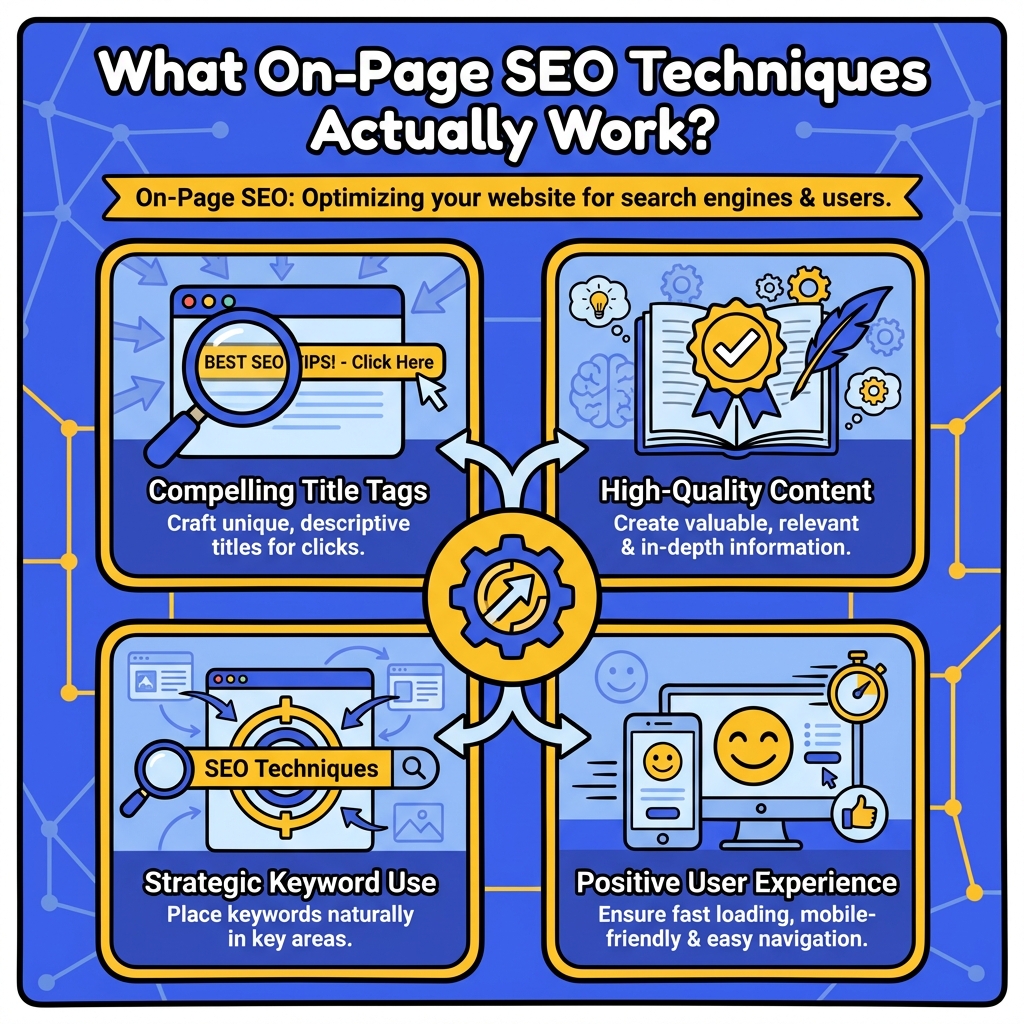
On-page SEO encompasses all the optimization strategies you can implement directly on your website pages. These techniques help search engines understand your content's relevance and value for specific search queries.
Title tags remain one of the most important on-page ranking factors. Craft compelling titles that include your target keyword naturally while staying under 60 characters to ensure they display fully in search results. Your title should accurately describe the page content while enticing users to click through to your website.
Meta descriptions, while not direct ranking factors, significantly impact click-through rates from search results. Write descriptive, engaging summaries that include your target keywords and clearly communicate the value users will receive by visiting your page. Keep these under 160 characters and include a subtle call-to-action when appropriate.
Header tags (H1, H2, H3) create a logical content hierarchy that both users and search engines appreciate. Use your primary keyword in the H1 tag and incorporate related keywords naturally in subheadings. This structure makes your content easier to scan and helps search engines understand your page's main topics and subtopics.
How Do You Create SEO-Friendly Content?
Content creation represents the heart of effective DIY SEO strategies. Search engines prioritize helpful, comprehensive content that thoroughly addresses user questions and needs.
Focus on creating content that genuinely helps your target audience solve problems or achieve goals. This approach naturally incorporates relevant keywords while providing the depth and value that search engines reward with higher rankings. Aim for comprehensive coverage of your chosen topics rather than superficial treatments that leave users with unanswered questions.
Structure your content using short paragraphs, bullet points, and subheadings to improve readability. Online readers typically scan content quickly, so make it easy for them to find the specific information they need. Include relevant images, videos, or infographics when they add value to the user experience, but always optimize these media files with descriptive alt text and appropriate file names.
Optimizing Content Length and Depth
While there's no magic word count for SEO success, comprehensive content typically performs better in search results. Research shows that top-ranking pages often contain 1,500 to 2,500 words, but quality always trumps quantity. Focus on covering your topics thoroughly rather than hitting arbitrary word count targets.
Use the "People also ask" section and related searches at the bottom of Google results pages to identify subtopics you should address within your main content. This strategy helps you create more comprehensive resources that answer multiple related questions, increasing the likelihood that users will find your content valuable and shareable.
What Technical SEO Issues Should You Address?
Technical SEO ensures that search engines can easily crawl, index, and understand your website. While some technical aspects require developer expertise, many critical issues can be addressed through DIY approaches.
Website speed directly impacts both user experience and search rankings. Use Google PageSpeed Insights to identify specific performance issues and receive actionable recommendations for improvement. Common solutions include optimizing image sizes, enabling browser caching, and choosing faster web hosting providers.
Mobile responsiveness has become essential as mobile searches now account for the majority of all queries. Test your website using Google's Mobile-Friendly Test tool and address any issues that prevent optimal mobile user experiences. Ensure that buttons are easily clickable, text is readable without zooming, and navigation works smoothly on smaller screens.
Create and submit an XML sitemap to help search engines discover and index your content more efficiently. Most modern content management systems can generate these automatically through plugins or built-in features. Regular sitemap updates ensure that new content gets indexed quickly and that search engines understand your site's structure.
How Do You Build Quality Backlinks on Your Own?
Link building remains a crucial component of SEO success, but DIY approaches require creativity and persistence rather than large budgets. Focus on earning links through valuable content creation and genuine relationship building within your industry.
Start by creating linkable assets such as comprehensive guides, original research, helpful tools, or unique industry insights. These resources naturally attract links from other websites looking to reference authoritative information. Promote these assets through social media, industry forums, and direct outreach to relevant websites and bloggers.
Guest posting on reputable websites in your industry provides opportunities to earn high-quality backlinks while showcasing your expertise to new audiences. Research websites that accept guest contributions and pitch unique, valuable content ideas that align with their audience's interests. Always prioritize quality over quantity when selecting guest posting opportunities.
Local Link Building Strategies
For businesses serving local markets, community involvement creates excellent link-building opportunities. Sponsor local events, participate in community organizations, or partner with other local businesses to earn mentions and links from relevant local websites.
Local business directories, chamber of commerce websites, and industry-specific directories often provide valuable local links. Ensure your business information is consistent across all these platforms, as this consistency reinforces your local SEO signals and helps potential customers find accurate information about your business.
What Common DIY SEO Mistakes Should You Avoid?
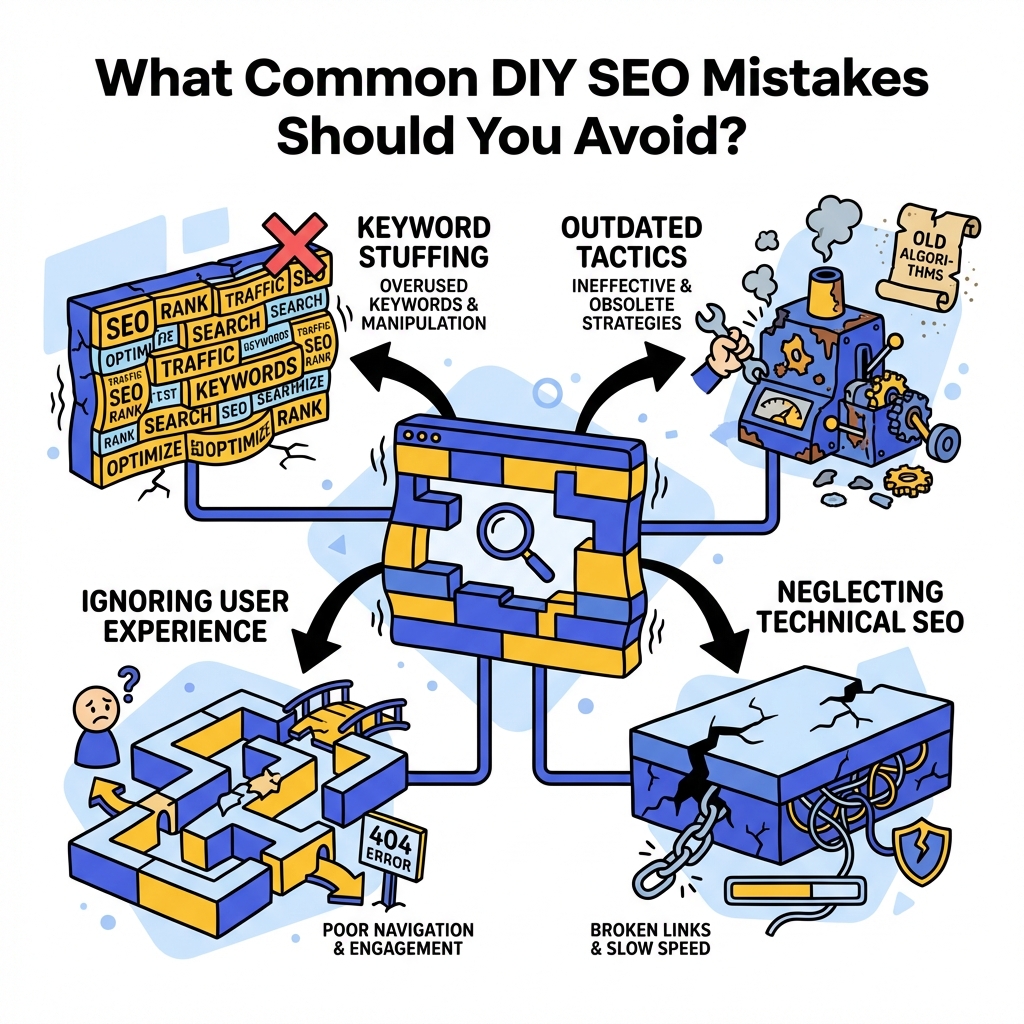
Many well-intentioned DIY SEO efforts fail due to common misconceptions and outdated practices. Understanding these pitfalls helps you avoid wasting time on ineffective strategies.
Keyword stuffing represents one of the most damaging mistakes beginners make. Overusing keywords in an attempt to manipulate rankings actually hurts your search visibility and creates poor user experiences. Focus on writing naturally for your audience while incorporating keywords where they fit contextually and add value.
Neglecting user experience in favor of search engine optimization often backfires. Modern search algorithms prioritize websites that provide excellent user experiences, including fast loading times, easy navigation, and valuable content. Always consider how your optimization efforts impact real users visiting your website.
Expecting immediate results leads to frustration and premature strategy abandonment. SEO requires patience and consistency, with meaningful results typically appearing after three to six months of sustained effort. Focus on creating valuable content and improving user experience rather than obsessing over daily ranking fluctuations.
How Do You Measure DIY SEO Success?
Tracking the right metrics helps you understand which DIY SEO strategies work best for your specific situation. Focus on metrics that directly correlate with your business objectives rather than vanity metrics that don't impact your bottom line.
Organic traffic growth indicates that your SEO efforts are successfully attracting more visitors from search engines. Monitor this metric monthly rather than daily to avoid getting discouraged by normal fluctuations. Pay attention to which pages drive the most organic traffic and analyze what makes them successful.
Keyword ranking improvements show progress toward your optimization goals, but remember that rankings can fluctuate based on many factors beyond your control. Track rankings for your most important keywords while focusing more heavily on overall organic traffic trends and conversion rates.
Conversion rates from organic traffic reveal the quality of visitors your SEO efforts attract. High traffic numbers mean little if those visitors don't engage with your content or take desired actions on your website. Use Google Analytics to track how organic visitors behave compared to visitors from other sources.
What Advanced DIY SEO Strategies Can You Implement?
As your DIY SEO skills develop, you can tackle more sophisticated strategies that deliver competitive advantages. These advanced techniques require more time and effort but often produce significantly better results.
Content clustering involves creating comprehensive topic coverage through interconnected content pieces. Instead of targeting individual keywords with isolated pages, develop content hubs that thoroughly cover broad topics relevant to your audience. This approach demonstrates topical authority and helps you rank for multiple related keywords simultaneously.
Schema markup provides search engines with additional context about your content, potentially earning enhanced search result displays like rich snippets or featured snippets. While implementing schema requires some technical knowledge, many plugins and tools simplify the process for common markup types like business information, reviews, and FAQ sections.
Voice search optimization becomes increasingly important as smart speakers and voice assistants gain popularity. Optimize for conversational, question-based queries by creating content that directly answers common questions in natural language. FAQ sections and conversational content formats work particularly well for voice search optimization.
Conclusion
Mastering DIY SEO empowers you to take control of your online visibility without relying on expensive external help. The strategies outlined in this guide provide a solid foundation for improving your search rankings, attracting more qualified traffic, and growing your business through organic search.
Remember that successful DIY SEO requires patience, consistency, and a commitment to providing genuine value to your audience. Start with the fundamental techniques covered here, track your progress using the metrics that matter most to your business, and gradually implement more advanced strategies as your confidence and skills develop.
The investment you make in learning DIY SEO today will pay dividends for years to come. Not only will you save thousands of dollars in agency fees, but you'll also develop invaluable skills that help you make better marketing decisions and communicate more effectively with any SEO professionals you might work with in the future. Take action on these strategies starting today, and watch your organic search visibility grow month after month.

Stefan Winter
Founder & SEO Expert
Founder of Fast SEO Fix and SEO automation expert. Stefan built Fast SEO Fix to solve the tedious problem of manual SEO work. He specializes in SEO optimized content generation, keyword research, and automated SEO strategies.
