The Complete Guide to Different Advertising Methods: Strategies for Every Business in 2026
Posted by
 Stefan Winter
TL;DR
This guide explores the full spectrum of advertising methods available to businesses in 2026, comparing traditional channels like TV and print with digital options such as search ads and social media. By understanding the unique advantages, targeting capabilities, and cost structures of each advertising type, businesses can build a balanced strategy that maximizes ROI and reaches their target audiences effectively.
The Complete Guide to Different Advertising Methods: Strategies for Every Business in 2026
In today's rapidly evolving marketing landscape, understanding the vast array of advertising options available to businesses has become more crucial than ever. With new platforms emerging and consumer behaviors shifting, companies must navigate an increasingly complex ecosystem of advertising channels to reach their target audiences effectively. This comprehensive guide explores different advertising methods, their unique advantages, and how to select the right mix for your business goals. Whether you're a startup looking to make your first marketing investment or an established company seeking to diversify your advertising portfolio, you'll discover actionable insights to maximize your marketing ROI.
What Are the Main Categories of Different Advertising?
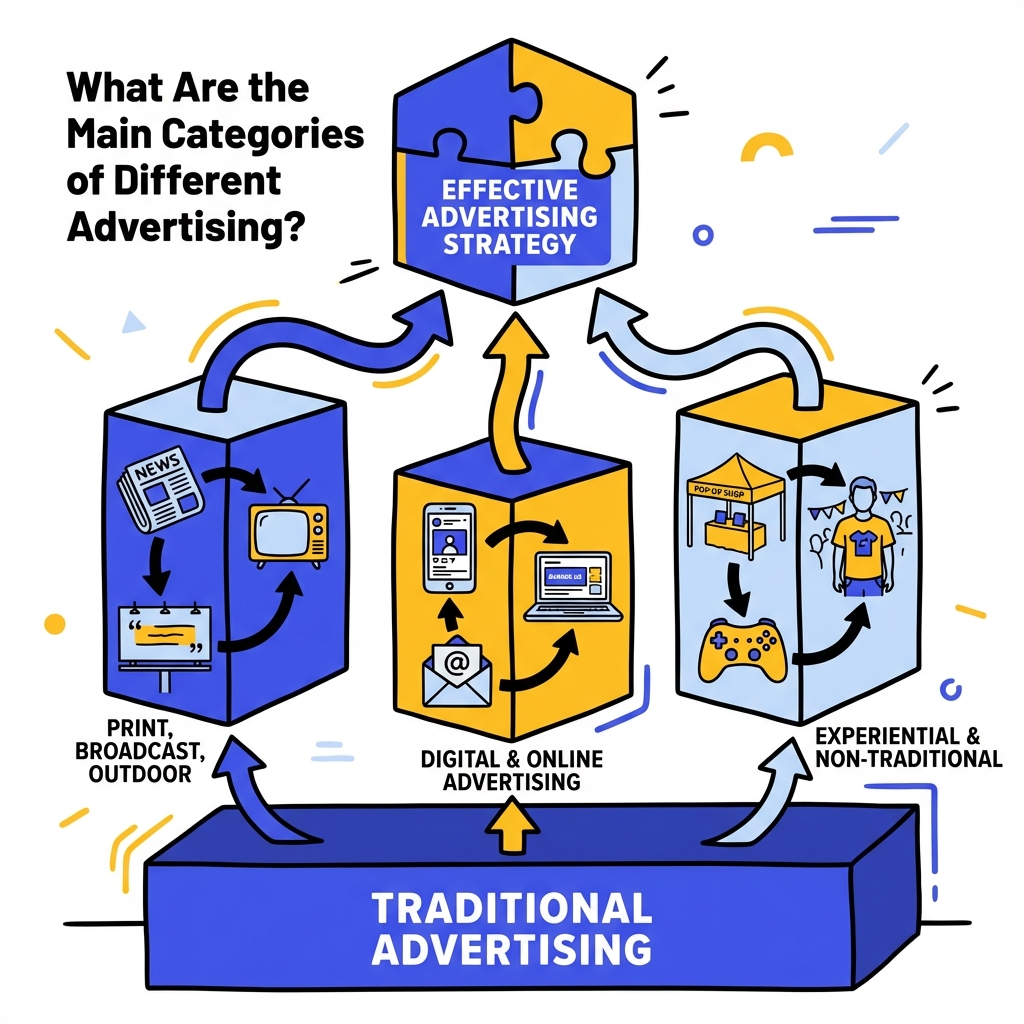
Different advertising methods can be broadly classified into several key categories, each serving distinct purposes and reaching audiences through various touchpoints. Understanding these fundamental categories provides the foundation for building an effective advertising strategy.
Traditional advertising encompasses time-tested methods that have proven their effectiveness over decades. Television commercials, radio spots, print advertisements in newspapers and magazines, and outdoor billboards fall into this category. Despite the digital revolution, these channels continue to offer unique advantages, particularly for brand awareness campaigns and reaching specific demographic segments.
Digital advertising represents the fastest-growing segment of the advertising industry, offering unprecedented targeting capabilities and measurable results. This category includes search engine marketing, social media advertising, display advertising, email marketing, and content marketing. The ability to track performance in real-time and adjust campaigns accordingly makes digital advertising particularly attractive to businesses of all sizes.
How Do Traditional Advertising Methods Compare to Digital Approaches?
The distinction between traditional and digital advertising methods goes beyond just the medium used. Each approach offers unique benefits and challenges that businesses must consider when allocating their advertising budgets.
Traditional advertising excels at building broad brand awareness and establishing credibility through established media channels. Television advertising, for instance, can reach millions of viewers simultaneously and create emotional connections through storytelling. Radio advertising offers the advantage of reaching commuters and workers throughout the day, while print advertising provides tangible, lasting impressions that readers can revisit.
Digital advertising, on the other hand, provides granular targeting options that allow businesses to reach specific audiences based on demographics, interests, behaviors, and even past purchase history. The interactive nature of digital platforms enables two-way communication between brands and consumers, fostering engagement and building relationships. Additionally, the cost-effectiveness of many digital advertising methods makes them accessible to businesses with limited budgets.
| Advertising Type | Reach | Targeting Precision | Cost Range | Measurability | Best For |
|---|---|---|---|---|---|
| Television | Very High | Low | High | Medium | Brand awareness, mass market |
| Radio | High | Medium | Medium | Low | Local businesses, commuters |
| Medium | Low | Medium | Low | B2B, older demographics | |
| Search Ads | Medium | Very High | Variable | Very High | Intent-driven purchases |
| Social Media | Very High | Very High | Low-High | Very High | Engagement, younger audiences |
| Display Ads | High | High | Low-Medium | High | Retargeting, brand awareness |
What Are the Most Effective Digital Advertising Channels?
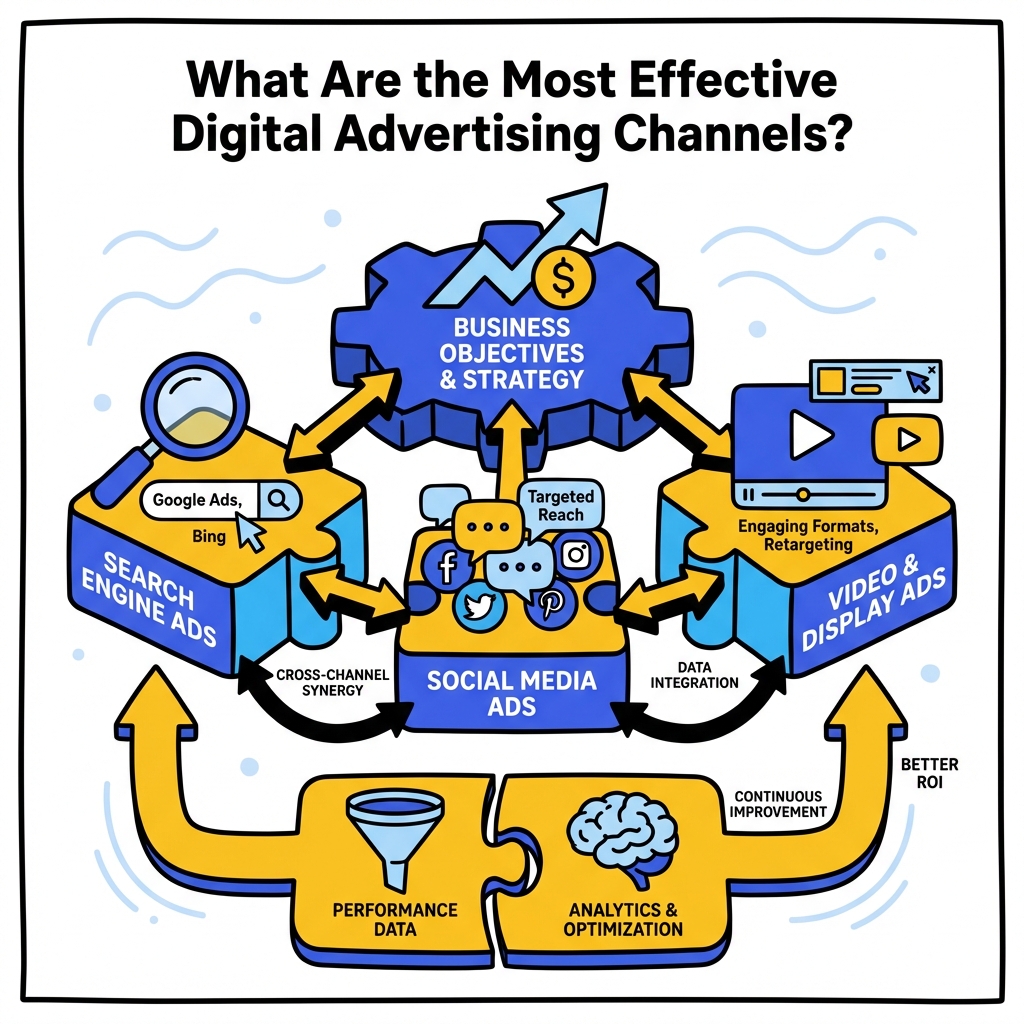
The digital advertising landscape offers numerous channels, each with distinct characteristics and optimal use cases. Understanding these differences helps businesses select the most appropriate platforms for their specific objectives.
Search engine advertising, primarily through Google Ads and Microsoft Advertising, captures users at the moment they're actively searching for products or services. This intent-based advertising typically delivers high conversion rates because it targets people who are already in the buying mindset. The pay-per-click model ensures that businesses only pay when users engage with their advertisements.
Social media advertising has revolutionized how brands connect with consumers by leveraging the vast user bases of platforms like Facebook, Instagram, LinkedIn, Twitter, and TikTok. Each platform attracts different demographics and supports various content formats, from image and video ads to interactive stories and live streaming. The sophisticated targeting options available on these platforms allow businesses to reach highly specific audience segments based on interests, behaviors, and social connections.
Video Advertising: The Rising Star of Digital Marketing
Video advertising has emerged as one of the most engaging forms of digital advertising, with platforms like YouTube, TikTok, and Instagram Reels leading the charge. Video content naturally captures attention and can convey complex messages in an easily digestible format. The storytelling potential of video advertising makes it particularly effective for building brand personality and emotional connections with audiences.
The versatility of video advertising allows for various approaches, from short-form social media videos to longer educational content. Live streaming has added another dimension to video advertising, enabling real-time interaction between brands and their audiences. This immediacy creates authentic connections and can drive immediate action from viewers.
How Can Businesses Choose the Right Mix of Different Advertising Methods?
Selecting the optimal combination of advertising methods requires careful consideration of multiple factors, including target audience characteristics, budget constraints, business objectives, and industry dynamics. A strategic approach to this selection process can significantly improve advertising effectiveness and return on investment.
Audience analysis forms the foundation of advertising channel selection. Different demographic groups consume media through various channels and at different times of the day. Younger audiences might be more responsive to social media advertising and influencer partnerships, while older demographics may still engage more with traditional media like television and print. Geographic considerations also play a role, as local businesses might benefit more from radio advertising and local print publications than national digital campaigns.
Budget allocation across different advertising methods should reflect both the potential reach of each channel and its alignment with business objectives. A balanced approach often works best, combining the broad reach of traditional advertising with the precise targeting of digital methods. Testing and measuring the performance of different channels allows businesses to optimize their advertising mix over time, shifting resources toward the most effective methods.
What Role Does Content Marketing Play in Different Advertising Strategies?
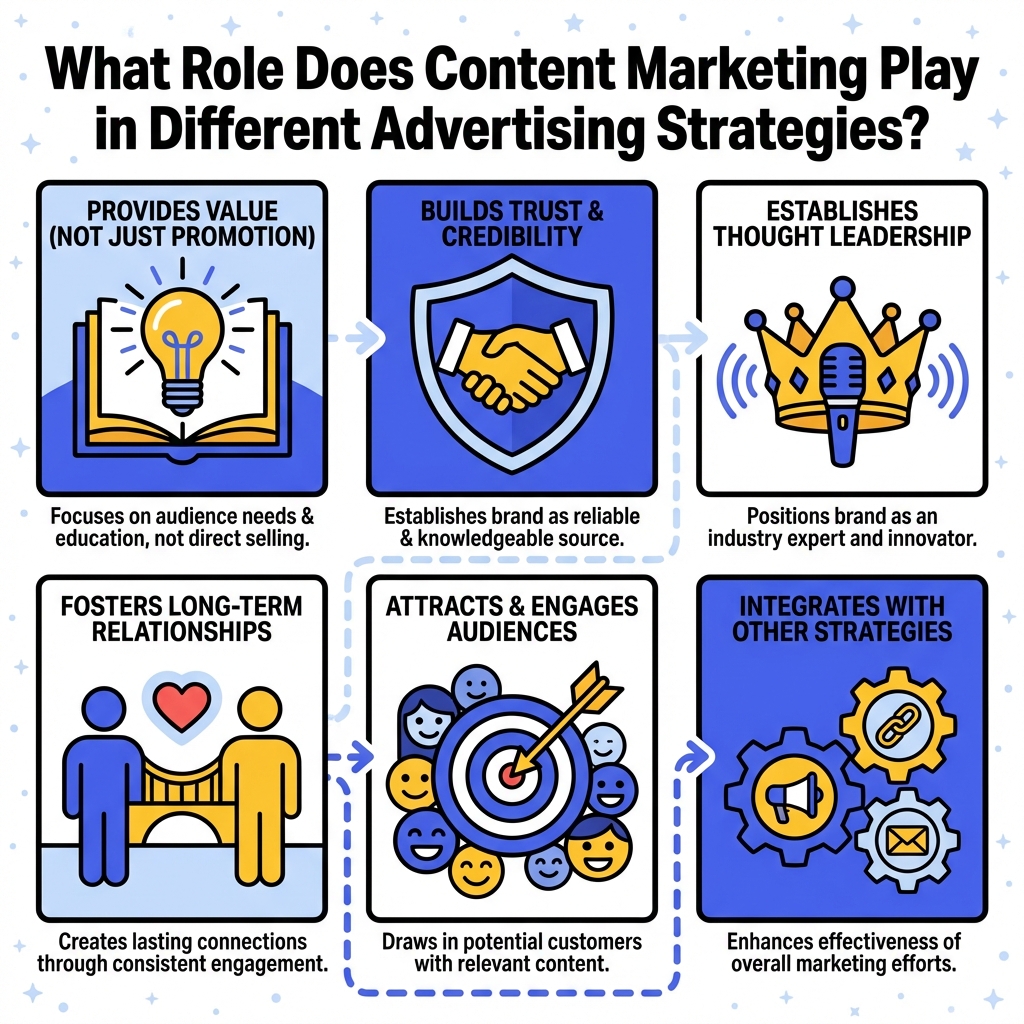
Content marketing represents a unique form of advertising that focuses on providing value to audiences rather than directly promoting products or services. This approach builds trust and establishes businesses as thought leaders in their industries, creating long-term relationships with potential customers.
Blog posts, podcasts, webinars, and educational videos serve as vehicles for content marketing, attracting audiences through valuable information rather than traditional advertising messages. This method works particularly well for complex products or services that require explanation and for businesses targeting informed consumers who research extensively before making purchasing decisions.
The integration of content marketing with other advertising methods amplifies overall effectiveness. Social media platforms can distribute content to wider audiences, while search engine optimization ensures that valuable content appears when potential customers seek relevant information. Email marketing can nurture leads generated through content marketing, guiding them through the sales funnel with additional valuable resources.
How Are Emerging Technologies Changing Different Advertising Approaches?
The advertising industry continues to evolve rapidly, with emerging technologies creating new opportunities and challenges for businesses. Artificial intelligence and machine learning are transforming how advertisements are targeted, optimized, and personalized, enabling more efficient use of advertising budgets and improved user experiences.
Programmatic advertising uses AI to automate the buying and placement of advertisements across various digital platforms. This technology analyzes vast amounts of data in real-time to determine the optimal ad placements, audiences, and bidding strategies. The result is more efficient advertising spending and better performance outcomes for businesses of all sizes.
Virtual and augmented reality technologies are opening new frontiers for immersive advertising experiences. These technologies allow brands to create engaging, interactive advertisements that provide unique value to consumers. As these technologies become more accessible, they will likely play an increasingly important role in different advertising strategies.
What Metrics Should Businesses Track Across Different Advertising Channels?
Measuring the effectiveness of different advertising methods requires a comprehensive approach to analytics that considers both immediate and long-term impacts. Different channels provide varying levels of measurability, and businesses must adapt their tracking strategies accordingly.
Digital advertising channels typically offer detailed analytics, including impressions, clicks, conversions, and return on ad spend. These metrics provide immediate feedback on campaign performance and enable rapid optimization. However, businesses should also consider broader metrics like brand awareness, customer lifetime value, and market share to understand the full impact of their advertising efforts.
Traditional advertising measurement presents more challenges but remains important for businesses using these channels. Brand awareness surveys, market research, and attribution modeling can help determine the effectiveness of television, radio, and print advertising. Combining these insights with digital analytics provides a comprehensive view of advertising performance across all channels.
Conclusion
The landscape of different advertising methods offers unprecedented opportunities for businesses to reach and engage their target audiences. Success in today's competitive environment requires a strategic approach that combines the broad reach of traditional advertising with the precision and measurability of digital methods. By understanding the unique strengths of each advertising channel and how they work together, businesses can create comprehensive marketing strategies that drive growth and build lasting customer relationships.
The key to advertising success lies in continuous testing, measurement, and optimization. As consumer behaviors continue to evolve and new technologies emerge, businesses must remain agile and willing to adapt their advertising approaches. Start by auditing your current advertising efforts, identify gaps in your strategy, and experiment with new channels that align with your target audience and business objectives. The investment in understanding and implementing different advertising methods will pay dividends in improved brand awareness, customer acquisition, and business growth.
Frequently Asked Questions
Advertising methods are broadly classified into traditional advertising (TV, radio, print, billboards) and digital advertising (search engine marketing, social media, display ads, email marketing, content marketing). Each category serves distinct purposes and reaches audiences through different touchpoints.
Yes, traditional advertising remains effective for building broad brand awareness and establishing credibility, particularly for reaching specific demographic segments. Television and print advertising continue to offer unique advantages despite the digital revolution, especially for emotional storytelling and lasting impressions.
Digital advertising offers lower entry costs, precise targeting options based on demographics and behaviors, pay-per-click models where you only pay for engagement, and real-time performance tracking. These features make digital advertising accessible to businesses with limited budgets while maximizing ROI.
Search engine advertising typically delivers the highest conversion rates because it targets users actively searching for products or services, meaning they're already in a buying mindset. Platforms like Google Ads and Microsoft Advertising capture this intent-driven traffic effectively.
Video advertising is highly engaging, naturally captures attention, and can convey complex messages in digestible formats. Its storytelling potential builds emotional connections with audiences, and the versatility of video content across platforms like YouTube, TikTok, and Instagram makes it increasingly effective for modern marketing strategies.

Stefan Winter
Founder & SEO Expert
Founder of Fast SEO Fix and SEO automation expert. Stefan built Fast SEO Fix to solve the tedious problem of manual SEO work. He specializes in SEO optimized content generation, keyword research, and automated SEO strategies.
